
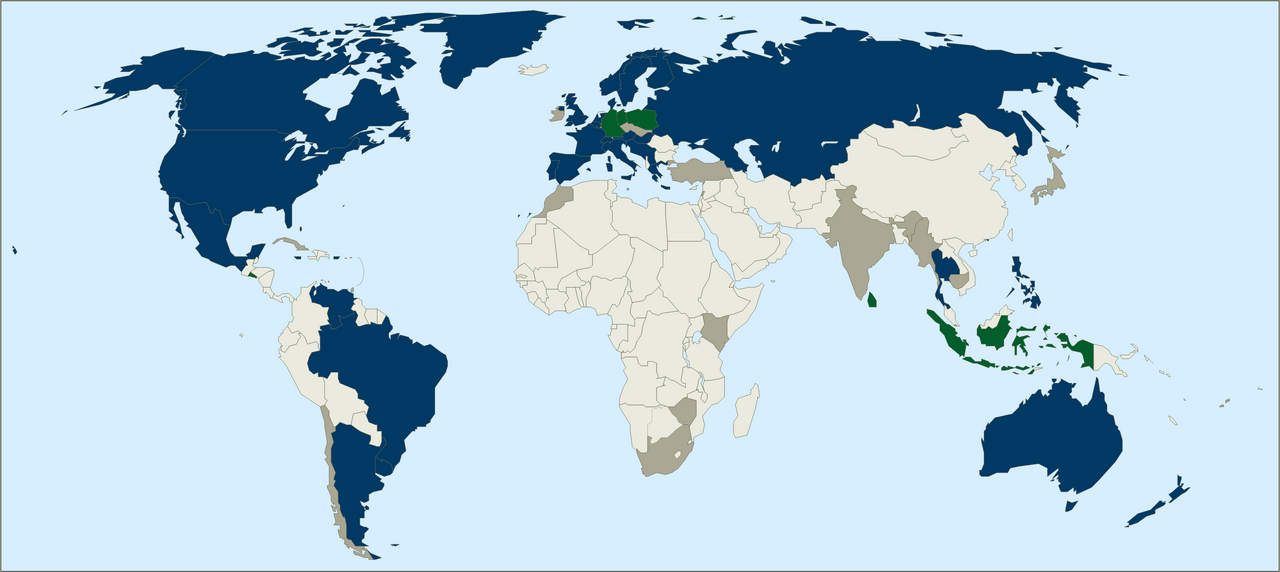
Background and Context of the 1968 Boycott Movement
The 1968 Summer Olympics were held in Mexico City, a location chosen in part to signal a new era of global engagement, yet the games unfolded against a backdrop of intense domestic and international racial tension. In the United States, the civil rights movement had secured landmark legislation but systemic racism persisted, and Black athletes increasingly viewed sport as a platform for political expression. The establishment of the Olympic Project for Human Rights on October 7, 1967, by sociologist Harry Edwards and Black American athletes including Tommie Smith and John Carlos represented a coordinated effort to harness the global visibility of the Games to advocate for civil rights and protest racism in sport [2].
Racial Politics and the International Stage
Internationally, the apartheid regime in South Africa stood as a primary target of protest. Several African nations had threatened to boycott the Games if South Africa were permitted to compete, given the country's institutionalized racial segregation. The International Olympic Committee ultimately withdrew South Africa's invitation, a decision influenced by the looming threat of mass withdrawal from African countries [1]. This action demonstrated how the 1968 boycott discourse was intertwined with broader anti-apartheid activism, setting a precedent for using the Olympics as a lever for political change.
The Role of OPHR in Shaping Protest Strategies
The Olympic Project for Human Rights, under the leadership of Harry Edwards, articulated a comprehensive list of demands that went beyond a simple boycott. The organization called for the exclusion of South Africa due to apartheid, the restoration of Muhammad Ali's heavyweight title after it was stripped for his refusal to be drafted into the Vietnam War, the firing of IOC president Avery Brundage whom they regarded as notoriously racist, and the addition of Black coaches and administrators to the U.S. Olympic apparatus [3]. OPHR also demanded a boycott of the New York Athletic Club on account of its racist and exploitative policies [3]. These demands reflected a strategic shift from passive participation to active disruption of the Olympic framework.
Jackie Robinson, a pioneering figure in both baseball and civil rights, initially opposed the boycott but later affirmed his support, stating that Black athletes should stand squarely behind the Olympics boycott as a matter of principle [3]. His evolution mirrored the broader debate within the Black athlete community: whether full withdrawal from the Games or targeted individual protests would be most effective in advancing the movement's goals.
Timeline of Key Events Leading to the 1968 Protests
Establishment of the Olympic Project for Human Rights
The formation of OPHR on October 7, 1967, marked the organizational beginning of the boycott discourse. Harry Edwards assembled a coalition of Black athletes who were frustrated by the lack of progress on civil rights despite their achievements on the track, field, and ring. The organization quickly drafted a manifesto of demands that included the expulsion of South Africa, the restoration of Ali's title, and the removal of Brundage [3].
Demands and Political Maneuvering
Throughout 1968, OPHR escalated its pressure tactics. The group called for Muhammad Ali's heavyweight title and right to box to be restored after they were stripped due to his refusal to be drafted in the Vietnam War [3]. Simultaneously, OPHR demanded the firing of Avery Brundage, the president of the International Olympic Committee, whom they regarded as notoriously racist [3]. These demands were not merely symbolic; they sought concrete institutional changes within the Olympic movement and the broader sporting world.
The Failed Full Boycott and Shift to Individual Protest
Despite the organizational momentum, the proposed complete Black athlete boycott of the 1968 Summer Olympics in Mexico City failed to materialize as a unified action. OPHR had proposed a full boycott to achieve its goals, but many athletes chose not to participate in the blanket withdrawal [2]. Instead, the movement pivoted toward individual protests. The most iconic moment occurred when Tommie Smith and John Carlos performed the Black Power salute at the 200m podium, wearing OPHR badges in solidarity [2]. Their action encapsulated the transition from a collective boycott threat to singular, high-visibility acts of defiance.
International Withdrawals and IOC Decisions
On the international stage, the withdrawal of South Africa's invitation preceded the Games, driven by threats of boycott from African nations protesting apartheid [1]. Additionally, Rhodesia was prevented from entering the 1972 Summer Olympics when its invitation was withdrawn by the IOC following protests by other African countries, illustrating that the 1968 precedent had lasting effects on Olympic eligibility policies [1]. These decisions underscored the power of collective national sentiment to shape participant lists.
How the Olympic Project for Human Rights Organized
Leadership and Membership
The Olympic Project for Human Rights was built around a core group of sociologist Harry Edwards and prominent Black athletes such as Tommie Smith and John Carlos. Their platform was not limited to the Olympics; they sought to address systemic issues within American sport, including the exploitative policies of the New York Athletic Club [3]. The organization's structure allowed it to rapidly disseminate demands and coordinate the symbolic actions that would define the 1968 Games.
Specific Demands and Grievances
OPHR's grievances were multifaceted. The group demanded the exclusion of South Africa from the 1968 games due to apartheid [2]. They called for Muhammad Ali's heavyweight title and right to box to be restored after they were stripped due to his refusal to be drafted in the Vietnam War [3]. The organization also targeted IOC president Avery Brundage, demanding his firing due to his perceived racism [3]. Furthermore, OPHR advocated for the addition of Black coaches and administrators to the U.S. Olympic apparatus and a boycott of the New York Athletic Club on account of its racist and exploitative policies [3]. Each demand addressed a different facet of racial inequality, from international apartheid to domestic labor practices.
Strategic Communication and Symbolism
The strategic use of symbolism was central to OPHR's methodology. The distribution of OPHR badges served as a visual shorthand for the organization's demands, allowing athletes to signal their alignment with the movement without necessarily withdrawing from competition [2]. The Black Power salute by Smith and Carlos, accompanied by the wearing of OPHR badges, transformed the victory podium into a site of political contestation. This approach demonstrated how athletes could leverage the global television audience to amplify demands that might otherwise be ignored by mainstream media.
Relationship with Other Civil Rights Actors
The movement existed in dialogue with broader civil rights figures. Jackie Robinson's initial opposition and subsequent affirmation of the boycott illustrates the generational and strategic tensions within the movement [3]. Some older figures viewed the boycott as counterproductive, while younger athletes saw it as an necessary expression of racial pride and political urgency. This internal debate shaped the final outcome of individual versus collective action.
Reaction from the International Olympic Committee and Government
Avery Brundage's Leadership and Criticism
IOC president Avery Brundage was a polarizing figure throughout the 1968 controversy. OPHR explicitly called for his firing, regarding him as notoriously racist [3]. Brundage, in turn, defended the IOC's position that the Games should remain apolitical, arguing that political demonstrations had no place on the Olympic stage. His stance reflected the organization's official policy, which prioritized the continuity of the Games over the political concerns of individual athletes or nations.
Government and Public Response
The U.S. government did not officially endorse the boycott, and the Nixon administration viewed the protests with a mix of skepticism and pragmatism. Some members of the public praised the athletes for using their platform to highlight racial injustice, while others criticized the actions as disrespectful to the national representation the Olympics symbolized. The mixed public reaction highlighted the tension between traditional expectations of patriotism and the growing expectation that public figures, especially athletes, should engage with social issues.
Long-term Impact on Olympic Policies
The events of 1968 forced the IOC to confront the reality that the Games could not remain entirely separate from global political movements. While the IOC maintained its official stance of apolitical neutrality in the immediate aftermath, the visibility of the Smith and Carlos protest, along with the international withdrawals related to apartheid, established a precedent for future athlete activism. The organization would later have to address similar issues in subsequent Games, demonstrating that the 1968 moment was a catalyst for ongoing negotiation between sport and politics.
Significance and Legacy of the 1968 Boycotts
Cultural Impact on Athlete Activism
The 1968 Olympics marked a turning point in the perception of athletes as political actors. The willingness of Tommie Smith and John Carlos to sacrifice their careers for a cause demonstrated that the Olympic stage could be used for profound social commentary. Their actions, symbolized by the Black Power salute and OPHR badges, inspired future generations of athletes to view their platforms as opportunities for advocacy, from the Black Power salute's reenactment in later decades to modern movements like Black Lives Matter in sport.
Enduring Influence on Olympic Boycott Strategies
The failure of the full boycott and the success of individual protests reshaped how future movements approached the Olympics. Rather than attempting to withdraw entire delegations, subsequent activist groups have often focused on specific, targeted protests or leveraging the IOC's rules regarding political expression. The 1968 model of combining organizational demands with individual acts of defiance became a template for athlete activism that balances visibility with the desire to compete.
Connection to broader Anti-Apartheid Movement
The linkage between the 1968 boycott discourse and the anti-apartheid movement had lasting consequences for international sport. The withdrawal of South Africa's invitation and the subsequent exclusion of Rhodesia from the 1972 Games illustrated that sporting bodies could not ignore global human rights crises [1]. This period established a framework for how international sporting events could serve as arenas for geopolitical protest, a dynamic that continues to play out in events like the Beijing Winter Olympics and the ongoing debates around Russia's participation.
Academic and Historical Reassessment
Historians have increasingly recognized the 1968 boycotts and protests as a pivotal moment in both sports history and the civil rights movement. The establishment of the Olympic Project for Human Rights, the specific demands made, and the eventual form of the protests have been subjects of extensive academic study. This reassessment has helped contextualize the events not as isolated incidents but as part of a longer struggle for racial justice both within the United States and on the global stage.
Key Figures and Their Roles
Harry Edwards and the Organizational Vision
Sociologist Harry Edwards served as the intellectual architect of the Olympic Project for Human Rights. His background in sociology provided the analytical framework for understanding how sport intersected with systems of racial oppression. Edwards' vision was not merely to protest the specific conditions of the 1968 Games but to fundamentally challenge the way Black athletes were situated within the American and international sporting hierarchy [2].
Tommie Smith and John Carlos: The Podium Protest
Tommie Smith and John Carlos are the most enduring symbols of the 1968 protest movement. Their decision to perform the Black Power salute on the 200m podium, while wearing OPHR badges, transformed a moment of athletic achievement into a global statement on racial pride and resistance [2]. The personal cost to both athletes was significant; they faced immediate retaliation, including being suspended from the U.S. team and enduring years of economic hardship. Their sacrifice underscored the seriousness of their commitment to the movement's goals.
Jackie Robinson's Evolving Stance
Jackie Robinson's position on the boycott encapsulates the complex dynamics within the Black athlete community. Initially opposed to the idea of withdrawing from the Olympics, Robinson later reversed his stance and affirmed that Black athletes should stand squarely behind the boycott [3]. His evolution reflects the shifting strategies of the civil rights era, where figures had to balance the desire for progress with the realities of institutional pushback and the value of symbolic gestures.
Muhammad Ali and the Anti-War Connection
Although Muhammad Ali was not a competitor in the 1968 Summer Olympics, his situation was deeply intertwined with the OPHR's agenda. The organization called for Ali's heavyweight title and right to box to be restored after they were stripped due to his refusal to be drafted in the Vietnam War [3]. Ali's stand against the war and the subsequent support from OPHR highlighted the broad coalition of anti-war and civil rights activists who saw the Olympics as a related front in the struggle for justice.
Comparative Context with Other Olympic Boycotts
1936 Berlin Olympics and Political Instrumentation
The 1968 boycotts cannot be fully understood without reference to earlier instances of political interference at the Olympics. The 1936 Berlin Olympics, hosted by Nazi Germany, saw debates over whether to boycott the Games due to the regime's racial policies. While the boycott movement did not succeed in 1936, the conversation set the stage for the more organized and successful efforts of the late 1960s [1]. The 1968 movement benefited from the historical precedent of using the Olympics as a stage for political critique, even as it developed its own distinct strategies.
1980 Moscow Olympics and Cold War Politics
The 1980 Moscow Olympics boycott, led by the United States in protest of the Soviet invasion of Afghanistan, represents the most famous Cold War-era Olympic boycott. While the motivations differed—anticommunism rather than civil rights—the structural similarity is notable: a major power using its influence to sway the participant list of the Games [1]. The 1968 boycotts, by contrast, were driven by internal civil rights struggles and anti-apartheid sentiment, demonstrating the diverse range of political motivations that can converge on the Olympic stage.
1976 Montreal Olympics and New Zealand Apartheid Tour
The 1976 Montreal Olympics saw a boycott led by African nations protesting New Zealand's rugby tour of South Africa. This action reinforced the pattern established in 1968, where sporting ties to apartheid pariah states became a trigger for Olympic withdrawal [1]. The 1976 boycott demonstrated that the 1968 precedent had a ripple effect, influencing how other nations and organizations approached the question of apartheid and sport in the decades following the Mexico City Games.