
Overview of Additive Manufacturing
Additive manufacturing (AM) is fundamentally a process where three-dimensional products are created by constructing them incrementally, one layer succeeding the next, based on digital design files [1, 3]. This approach contrasts sharply with subtractive manufacturing, where the final object is achieved by removing material from a solid block until the desired shape remains [3]. The ability of AM to realize intricate geometries while conserving resources is a key feature of this engineering discipline [1].
Core Principle of Layered Construction
The defining characteristic of AM is its additive nature; objects are not carved out but rather built up layer by layer [3]. This process allows for the creation of highly complex designs that would be difficult or impossible to achieve using conventional fabrication methods [1]. The efficiency gained through material conservation and waste reduction distinguishes AM from older manufacturing techniques [1].
Historical Development Timeline
The initial application of additive manufacturing was focused on the development of prototypes during the 1980s [3]. This early stage laid the groundwork for subsequent industrial adoption [3]. Progress continued as the technology matured, leading to the creation of functional products using AM by the beginning of the 2000s [3].
Transition to Functional Use
The shift from mere prototyping to producing parts that perform a specific function marks a significant milestone in the field [3]. This evolution demonstrates the growing reliability and capability of AM systems over time [3]. The adoption curve shows a steady progression from design aid to production tool [3].
Modern Industrial Adoption
Recently, major corporations have integrated additive manufacturing into their core business operations [3]. For instance, entities such as Boeing and General Electric have begun utilizing AM for integral components within their production workflows [3]. This integration signals the technology's move from niche application to mainstream industrial necessity [3].
Advancements in Metal AM
The domain of metal additive manufacturing has experienced substantial and rapid development over the last three decades [4]. This advancement is critical for high-performance engineering applications where material strength and integrity are paramount [4]. Research in this area continues to push the boundaries of what can be fabricated from metallic powders and alloys [4].
Key Additive Manufacturing Technologies
A variety of technologies constitute the field of AM, each suited for different materials and design requirements [1]. These methods dictate how the material is deposited or solidified layer by layer [1]. Understanding these distinct processes is essential for selecting the correct AM solution for a given engineering problem [1].
Technological Modalities
- Powder Bed Fusion [1]
- Directed Energy Deposition [1]
- Material Extrusion [1]
- Vat Photopolymerization [1]
- Binder Jetting [1]
- Material Jetting [1]
Comparison to Subtractive Methods
The fundamental difference between AM and subtractive manufacturing lies in the material removal strategy [3]. Subtractive methods rely on cutting away excess material from a solid starting block to achieve the final form [3]. Conversely, AM builds the object up precisely according to the digital blueprint, minimizing material loss [1].
Material Efficiency Advantage
Because AM builds only what is needed, it inherently generates less waste compared to processes that rely on material removal [1]. This material efficiency is a significant environmental and economic benefit in large-scale manufacturing operations [1]. The reduced scrap material contributes to a greener manufacturing footprint [1].
Engineering Significance of Complex Geometries
AM enables the production of designs with high levels of complexity that are unattainable through traditional tooling or machining [1]. This capacity to create intricate internal structures or organic shapes is a major driver for its adoption in advanced engineering sectors [1]. The ability to design complexity directly into the digital model streamlines the entire production pipeline [1].
Design Freedom in Practice
The freedom offered by AM allows engineers to optimize parts for performance rather than conforming to manufacturing limitations [1]. This is particularly valuable in aerospace and medical device design where weight reduction and specific load-bearing characteristics are critical [1]. Complex designs translate directly into functional improvements [1].
Evolution of Metal AM Capabilities
Metal AM has seen particularly swift progress over the last three decades [4]. This rapid advancement supports its use in demanding, high-stress applications where traditional metal fabrication might fall short [4]. The maturation of metal AM is key to its integration into critical industrial supply chains [4].
Material Science Integration
The progress in metal AM is closely tied to advances in materials design [4]. Researchers are developing new materials specifically optimized for additive processes, leading to parts with superior properties compared to conventionally manufactured counterparts [4]. This synergy between process and material is driving industrial uptake [4].
Process Implementation Details
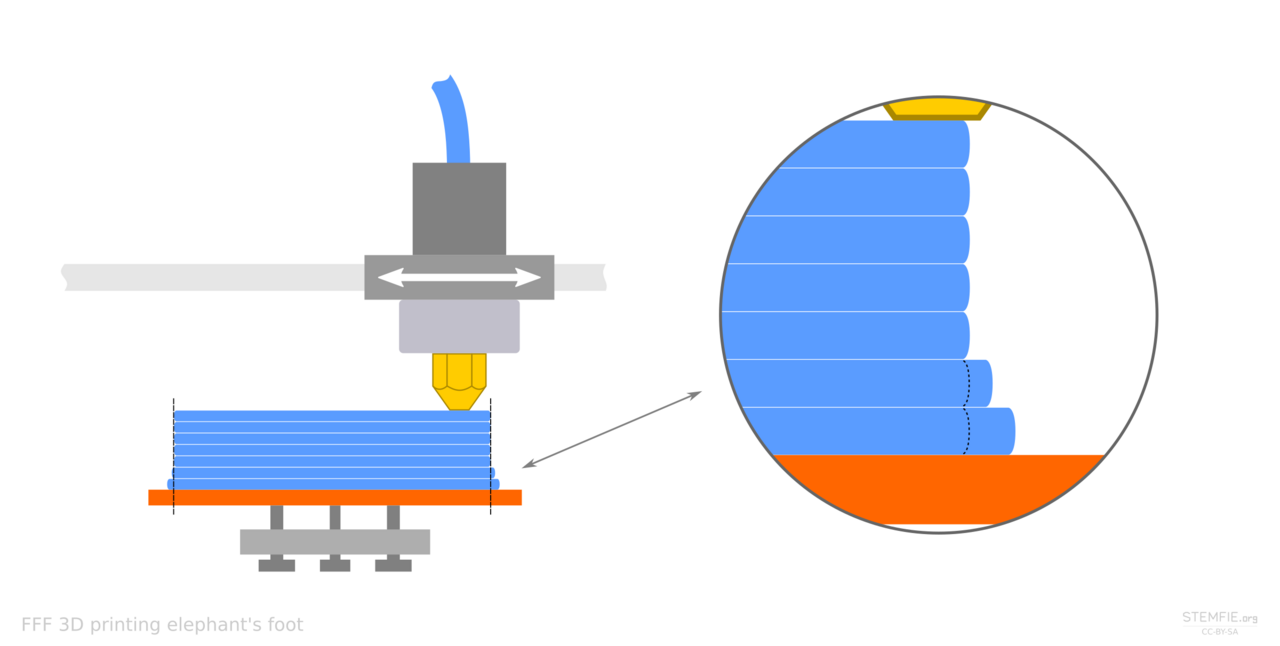
Each technology, such as Powder Bed Fusion or Material Extrusion, operates on a specific material deposition principle [1]. For example, some methods fuse powdered material using focused energy, while others push extruded material through a nozzle [1]. The choice depends heavily on the required material properties and part geometry [1].
Technology Selection Criteria
Selecting the right AM technology requires considering factors like required material type, necessary resolution, production volume, and part complexity [1]. Vat Photopolymerization is suited for certain polymer needs, whereas Binder Jetting utilizes a binding agent on powder beds [1]. These distinct mechanisms define their application niches [1].
Early Milestones in AM History
The journey of AM began with its use for prototyping in the 1980s [3]. This initial application was focused on validating designs quickly before committing to expensive tooling [3]. This early focus on iteration established AM as a design validation tool first [3].
From Prototype to Product
The transition point occurred by the early 2000s when AM began being employed not just for mock-ups but for creating parts intended for functional use [3]. This shift validated the technology's engineering viability beyond mere visualization [3]. Functional parts demonstrated real-world utility, accelerating industry acceptance [3].
Current Industry Integration Examples
The involvement of large industrial players like General Electric and Boeing underscores the technology's maturity [3]. Their adoption is not peripheral but integral to their established business processes [3]. This signifies a deep, structural integration rather than a pilot project status [3].
Strategic Business Use
When companies embed AM into their processes, it typically targets supply chain resilience, part consolidation, or complex geometry realization [3]. This strategic use case moves AM beyond simple tooling to become a core manufacturing capability [3]. The adoption reflects a long-term commitment to advanced production methods [3].
Material Versatility in AM
The range of materials compatible with AM is broad, encompassing polymers, metals, and photopolymers [1]. Different technologies are optimized for specific material classes, such as those used in Vat Photopolymerization [1]. This material diversity allows AM to address diverse engineering needs across various sectors [1].
Specific Material Processes
For instance, Material Extrusion is often associated with polymer deposition, while Powder Bed Fusion is critical for high-density metal parts [1]. Binder Jetting offers a method for shaping powders before a final densification step [1]. Material selection is intrinsically linked to the chosen fabrication technology [1].
Distinguishing AM from Subtractive Processes
The conceptual opposition between AM and subtractive manufacturing is clear: building up versus cutting away [3]. Subtractive methods require robust initial stock material, whereas AM requires a digital model as the primary input [3]. This input difference dictates the entire workflow from design to finished component [3].
Waste and Efficiency Metrics
The material efficiency advantage of AM, stemming from its layer-by-layer buildup, results in less manufacturing waste compared to traditional machining [1]. This operational benefit is a key factor in the growing environmental and economic appeal of the technology [1]. Less waste translates directly to lower material costs and reduced disposal overhead [1].
Future Trajectory and Research Focus
Ongoing research continues to refine metal AM capabilities, particularly concerning materials design [4]. The integration of AM into established industrial practices, as seen with Boeing and GE [3], suggests a path toward broader, deeper industrial penetration [3]. Future growth will likely involve further material science breakthroughs [4].
Maturation of Industrial Application
The progression from 1980s prototyping to 2000s functional parts, and now to integral business processes [3], illustrates a complete technology lifecycle [3]. The focus is shifting from *if* AM can make a part to *how best* to integrate it into existing, high-stakes production lines [3].