
Overview: The Shift from Enthusiasm to Discipline
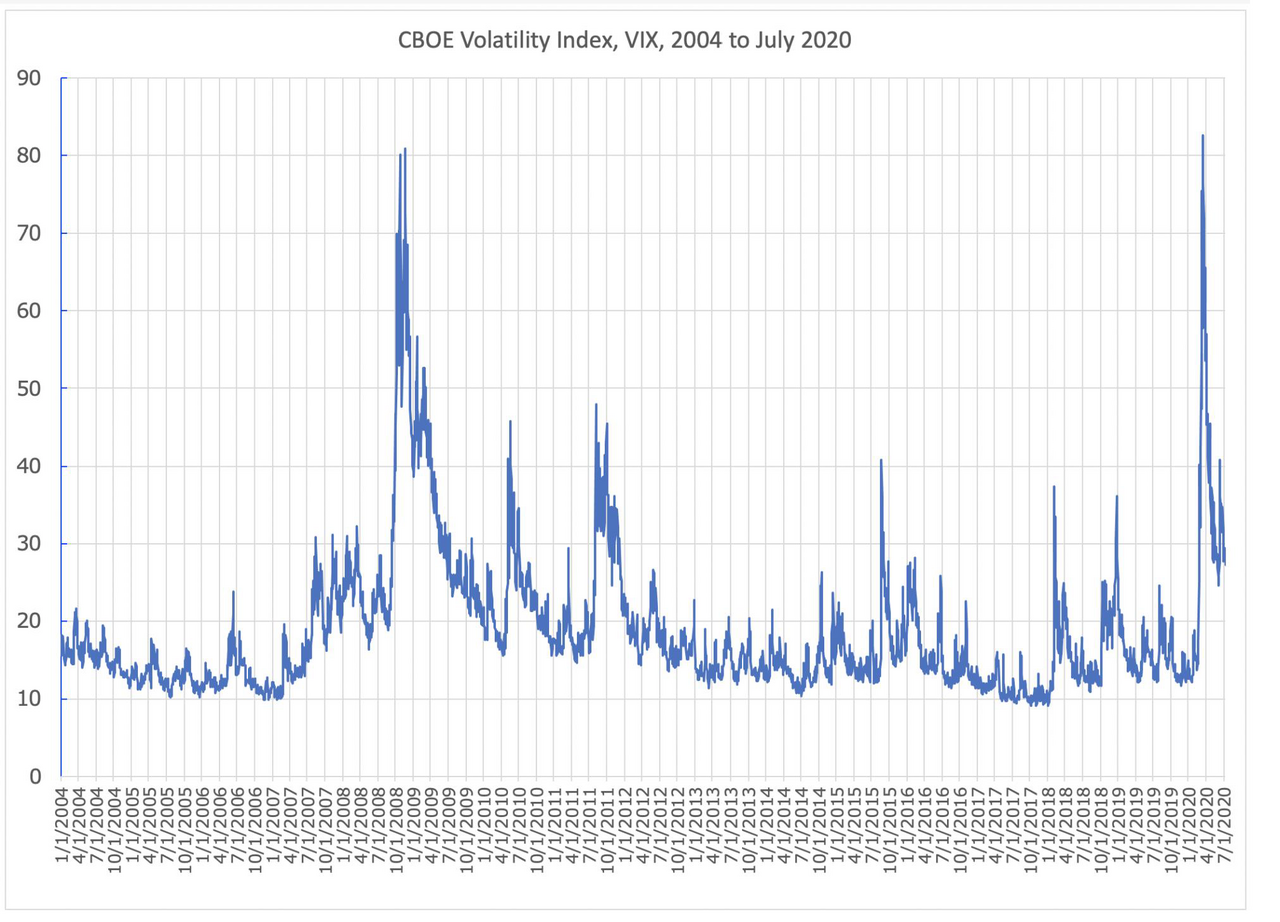
The artificial intelligence investment narrative has undergone a fundamental transformation over the past year, moving from speculative growth pricing to disciplined scrutiny of business model sustainability. Verified facts establish that the AI market has seen significant volatility suggesting rotation favouring regions outside the US, while the market shifts from enthusiasm for the AI theme to discipline around business models, usually meaning higher near-term volatility but a healthier long-term investment landscape [3]. This transition marks a critical inflection point where the market is no longer treating AI as a simple growth story but is asking whether heavy investment in chips, data centres and model training can generate attractive returns [3]. The implications are far-reaching, affecting everything from semiconductor valuations to the broader stock market trajectory.
Historical Precedents of Technology Speculation
Technology sectors have historically experienced cycles of enthusiastic adoption followed by corrections as actual revenue streams fail to match inflated expectations. The current AI volatility follows this well-documented pattern, with AI-related turbulence helping trigger selloffs that even record-setting IPOs could not halt [5]. The market's reaction to AI developments mirrors previous tech bubbles where initial excitement gave way to fundamental assessment.
Macroeconomic Context and Interest Rate Sensitivity
AI investments are particularly sensitive to macroeconomic conditions, particularly interest rate environments that affect the discount rates used to value long-term capital intensive projects like data centres and chip fabrication facilities. When combined with AI-specific concerns, broader economic factors amplify market movements, creating a compounding effect on volatility.
Algorithmic Trading and AI-Powered Market Mechanisms
The Role of AI in Modern Algorithmic Trading
Artificial intelligence powered trading is regarded as an important development in financial markets, with AI-driven algorithmic systems capable of executing trades at speeds and scales impossible for human traders [1]. These systems analyze vast datasets including news, social media sentiment, and price patterns to make trading decisions, potentially amplifying market movements both up and down. The technology represents a significant evolution from earlier high-frequency trading systems.
Feedback Loops Between AI Trading and Volatility
The interaction between AI trading systems and market volatility creates complex feedback loops where algorithmic selling can accelerate price declines, which in turn triggers further algorithmic selling. This mechanized amplification effect helps explain why AI-related turbulence can lead to sharp selloffs even when fundamental news might not fully justify such extreme movements. The scienceDirect research on AI-driven algorithmic trading provides foundational understanding of these mechanisms.
Risk Management Challenges in AI Trading
Financial institutions face significant risk management challenges as AI trading systems operate across multiple markets simultaneously, potentially creating correlated risks that traditional risk models fail to capture. The opacity of some AI decision-making processes adds another layer of complexity to monitoring and controlling trading risks.
Key Events Driving Recent Volatility
Semiconductor Earnings as Market Tests
Earnings from a leading US semiconductor company and the IPO of another AI model developer have become important tests for the broader AI theme [3]. These events serve as barometers for market sentiment, with results either reinforcing or undermining investor confidence in the AI sector's sustainability. The semiconductor industry's performance is particularly critical given its central role in AI infrastructure development.
IPO Market Reactions and Bubble Concerns
The IPO of another AI model developer became an important test, with AI-related turbulence helping trigger a selloff that even Anthropic's record-setting IPO could not halt [5]. This event demonstrated that even highly anticipated AI offerings are not immune to broader market volatility and skepticism about valuations. The market's response suggests that IPO pricing must now contend with heightened scrutiny about path to profitability.
Leadership Changes and Market Reactions
The ouster—and this morning's reinstatement—of Nvidia CEO Jensen Huang alone drove significant swings in trading [5], illustrating how individual company leadership changes can trigger disproportionate market reactions in the AI sector. This volatility highlights the extent to which AI market movements are tied to specific company narratives and leadership perceptions.
Regional Rotation and Non-US Market Dynamics
US Market Concentration and Rotation Risks
The AI market has seen volatility over the past few months, suggesting some rotation that has favoured regions outside the US [3], indicating that the previous US-centric AI investment pattern may be losing momentum. This rotation reflects changing global dynamics in AI development and adoption, with other regions gaining relative attractiveness for AI investment.
European and Asian AI Investment Patterns
Non-US regions have developed distinct AI investment ecosystems, with Europe emphasizing regulatory frameworks and ethical considerations while Asia, particularly China, focuses on rapid deployment and scale. These different approaches create varied risk-return profiles that affect global capital allocation decisions.
Implications for Global Portfolio Diversification
The rotation away from US AI concentration has implications for global portfolio diversification strategies, as investors seek to balance exposure between established AI hubs and emerging regions. This diversification may reduce concentration risk but also introduces currency and regulatory considerations.
Valuation Concerns and Bubble Discourse
Stock Price Dislocations and P/E Ratios
Stocks are in freefall and skeptics have talked of an artificial intelligence bubble, with AI stocks looking overpriced over the past couple of years [4]. The disconnect between elevated stock prices and actual earnings potential has fueled bubble discourse, with valuation metrics reaching levels that historical precedent suggests are unsustainable without corresponding revenue growth.
Fundamental vs. Speculative Drivers
The distinction between fundamental AI adoption drivers and speculative mania has become increasingly blurred, making it difficult for investors to discern sustainable from transient value creation. This ambiguity contributes to market uncertainty and heightened volatility as position-taking decisions become more challenging.
Return on Investment Expectations
The market is asking whether heavy investment in chips, data centres and model training can generate attractive returns [3], a question that sits at the heart of current valuation debates. The capital intensity of AI infrastructure creates pressure for rapid commercialization and monetization, which not all AI companies can achieve.
Sector-Specific Impacts and Value Chain Effects
Semiconductor Industry Volatility
The semiconductor industry occupies a pivotal position in the AI value chain, with its performance directly affecting the entire AI ecosystem's valuation trajectory. Leading companies' earnings reports serve as critical indicators of whether AI infrastructure investment is translating into measurable market value.
Data Centre and Infrastructure Investment Scrutiny
Heavy investment in data centres and model training facilities represents some of the most capital-intensive aspects of the AI sector, making these investments particularly vulnerable to scrutiny regarding return on investment timelines. The sustainability of multi-billion dollar infrastructure commitments depends on achieving sufficient AI service adoption and pricing power.
Software and Application Layer Resilience
Companies operating in the software and application layers of the AI stack face different volatility patterns than infrastructure providers, with value creation potential more closely tied to actual user adoption and revenue generation. This segment may demonstrate greater resilience if it can demonstrate clear business value independent of infrastructure hype cycles.
Market Psychology and Investor Sentiment
Herd Behavior and Social Media Amplification
AI market movements have been characterized by pronounced herd behavior, with social media and news amplification creating feedback loops that can disconnect prices from fundamentals. The speed at which sentiment can shift in AI-related stocks contributes to the sector's volatility profile.
Fear and Greed Cycles in Technology Investing
The AI sector appears to be cycling through classic fear and greed patterns, with extreme optimism giving way to skepticism and pessimism as earnings realities set in. These psychological cycles are exacerbated by the sector's relatively short public trading history and limited earnings track record.
Institutional vs. Retail Investor Dynamics
The composition of AI market participants, including both institutional and retail investors, influences volatility patterns differently, with each group responding to news and events through distinct decision-making frameworks and risk tolerances.
Future Outlook and Structural Changes
Transition to Sustainable Business Models
The market's shift from enthusiasm to discipline around business models suggests a maturation process where only AI companies with clear paths to profitability and sustainable competitive advantages will thrive long-term. This transition may eliminate weaker players but also create opportunities for stronger companies with solid fundamentals.
Regulatory Developments and Their Impact
Emerging regulatory frameworks around AI development, deployment, and commercialization will shape the investment landscape, with compliance costs and risk considerations affecting company valuations and market dynamics. Regulation may both constrain and clarify the AI market's trajectory.
Long-Term Technology Adoption Trajectory
Despite near-term volatility, the long-term technology adoption trajectory for AI remains positive, with enterprise integration, consumer applications, and new use cases expected to expand across multiple sectors. The current volatility may represent a necessary correction toward sustainable growth patterns.