
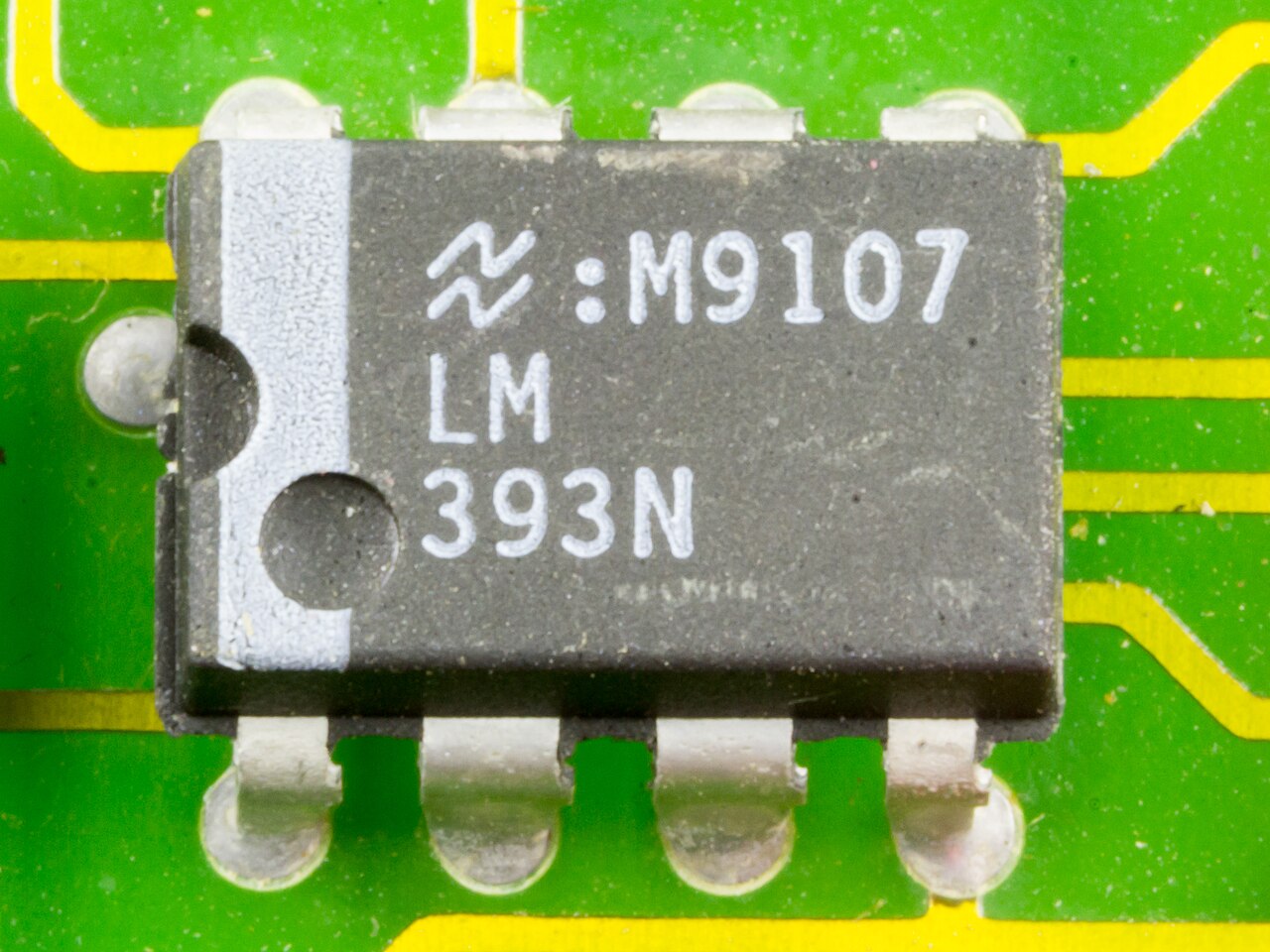
Fundamentals of Analog Integrated Circuits
Analog integrated circuits (ICs) are semiconductor chips that perform essential functions such as communication and power management within electronic devices [1]. They translate continuously varying physical phenomena into electrical signals that can be further processed.
Core Functions
These chips handle tasks like amplifying sensor outputs, regulating voltage, and filtering noise, enabling devices to interact reliably with the analog world [1]. Their ability to manage real‑time signal variations makes them indispensable in virtually every electronic system.
Design Characteristics
Designing analog ICs requires careful attention to parameters such as gain, bandwidth, and linearity, because small variations can significantly affect performance [1]. Engineers must balance precision with manufacturing tolerances.
Why Analog Still Matters in a Digital Age
Most modern computers process data digitally, yet the environment provides continuously varying inputs like sound, light, and temperature that must be converted into binary form [3].
Signal Conversion Necessity
Analog‑to‑digital converters (ADCs) and digital‑to‑analog converters (DACs) bridge the gap, turning analog sensor data into digital bits and vice versa for actuation [3].
Enduring Relevance
Because every physical measurement begins as an analog signal, analog ICs remain the front‑line components that make digital computation possible [3].
Longevity Advantages of Analog ICs
Analog ICs typically enjoy a far longer useful life than digital devices, contributing to the reliability of long‑term deployments [3].
Reliability in Critical Systems
Industries such as aerospace and medical equipment favor analog ICs for their proven durability, reducing maintenance cycles and replacement costs [3].
Lifecycle Cost Benefits
Extended lifespan translates into lower total cost of ownership, especially in applications where device replacement is difficult or expensive [3].
Market Pressures and Outlook to 2027
Price pressure in the analog IC market is expected to persist into 2027 as demand from AI and industrial applications rebounds, while consumer electronics demand remains weak [4].
AI‑Driven Demand
The surge in AI workloads drives need for high‑performance power‑management and signal‑conditioning analog components, sustaining market activity despite broader consumer softness [4].
Industrial Growth Factors
Automation, robotics, and IoT deployments in factories increase orders for robust analog ICs, offsetting declining consumer volumes [4].
Artificial Intelligence in Analog Chip Design
AI‑driven techniques can help engineers design analog chips faster and with less expense, addressing traditional bottlenecks in analog design cycles [1].
Accelerated Design Exploration
Machine‑learning models evaluate design trade‑offs rapidly, allowing engineers to iterate through multiple topologies without exhaustive manual simulation [1].
Cost Reduction
By automating portions of the layout and verification process, AI reduces the need for costly prototype iterations, lowering overall development budgets [1].
The SLIC Training Method
The “SLIC” training method enables a small language model to compete with much larger, resource‑intensive models in complex circuit‑design tasks [1].
Efficiency Gains
SLIC focuses training on salient design patterns, allowing a compact model to achieve performance comparable to heavyweight counterparts while consuming fewer compute resources [1].
Practical Impact
Engineers can deploy SLIC‑trained models on modest hardware, bringing AI‑assisted design capabilities to smaller teams and startups [1].
Workflow Integration of AI Tools
Integrating AI into analog design workflows involves coupling model predictions with traditional CAD tools, creating a hybrid environment that leverages both human expertise and machine speed.
Model‑In‑the‑Loop Simulations
AI models suggest component values or topologies, which are then validated through conventional circuit simulators, ensuring design correctness before tape‑out [1].
Feedback‑Driven Refinement
Simulation results feed back into the AI system, continuously improving its recommendations and reducing the number of design iterations required [1].
Case Studies of AI‑Assisted Analog Design
Early adopters report reductions of up to 40% in design time when employing AI‑driven optimization for power‑regulator blocks.
Power Management Modules
AI identified optimal inductor and capacitor selections, achieving target efficiency while meeting size constraints faster than manual methods [1].
Signal‑Conditioning Chains
For mixed‑signal front‑ends, AI suggested filter orders that balanced noise performance with silicon area, streamlining the verification phase [1].
Challenges in Applying AI to Analog Design
Despite promising results, AI integration faces hurdles such as limited training data and the need for interpretability in safety‑critical applications.
Data Scarcity
Analog design archives are smaller than digital libraries, making it harder to train large models without overfitting [1].
Explainability Requirements
Regulated industries demand clear justification for design choices, prompting research into transparent AI decision pathways [1].
Future Directions for Analog AI Collaboration
Research aims to expand small‑model techniques like SLIC, improve cross‑domain knowledge transfer, and embed AI directly into EDA platforms.
Model Scaling Strategies
Future work will explore hierarchical training where a base model captures generic analog principles, while specialized adapters handle niche applications [1].
Embedded AI in CAD Tools
Embedding AI assistants within schematic capture and layout editors could provide real‑time suggestions, further shrinking design cycles [1].
Economic Implications for the Analog IC Industry
AI‑enabled design efficiencies may alleviate some price pressure by lowering development costs, yet market dynamics remain influenced by demand shifts in AI and industrial sectors.
Cost Structure Evolution
Reduced prototype counts and faster time‑to‑market can improve margins for analog manufacturers, potentially softening the price squeeze projected through 2027 [4].
Demand‑Driven Growth
Continued AI adoption across sectors sustains demand for high‑performance analog components, reinforcing their strategic importance despite consumer‑electronics weakness [4].
Educational Impacts and Skill Development
The convergence of analog design and AI creates new curriculum needs, encouraging engineers to acquire both circuit theory and machine‑learning proficiency.
Interdisciplinary Training
University programs are introducing modules that blend SPICE simulation with AI model training, preparing graduates for modern design environments [1].
Lifelong Learning
Professional societies offer workshops on AI‑assisted analog design, ensuring the existing workforce can adopt emerging tools [1].
Regulatory and Standards Considerations
As AI influences design decisions, regulatory bodies are examining how to certify AI‑generated analog circuits, especially for safety‑critical applications.
Certification Pathways
Standards may require documentation of AI model validation and traceability of design choices to meet compliance in sectors like automotive and medical devices [1].
Industry Collaboration
Consortia are forming to develop best‑practice guidelines for integrating AI into analog design workflows, fostering trust and adoption [1].