
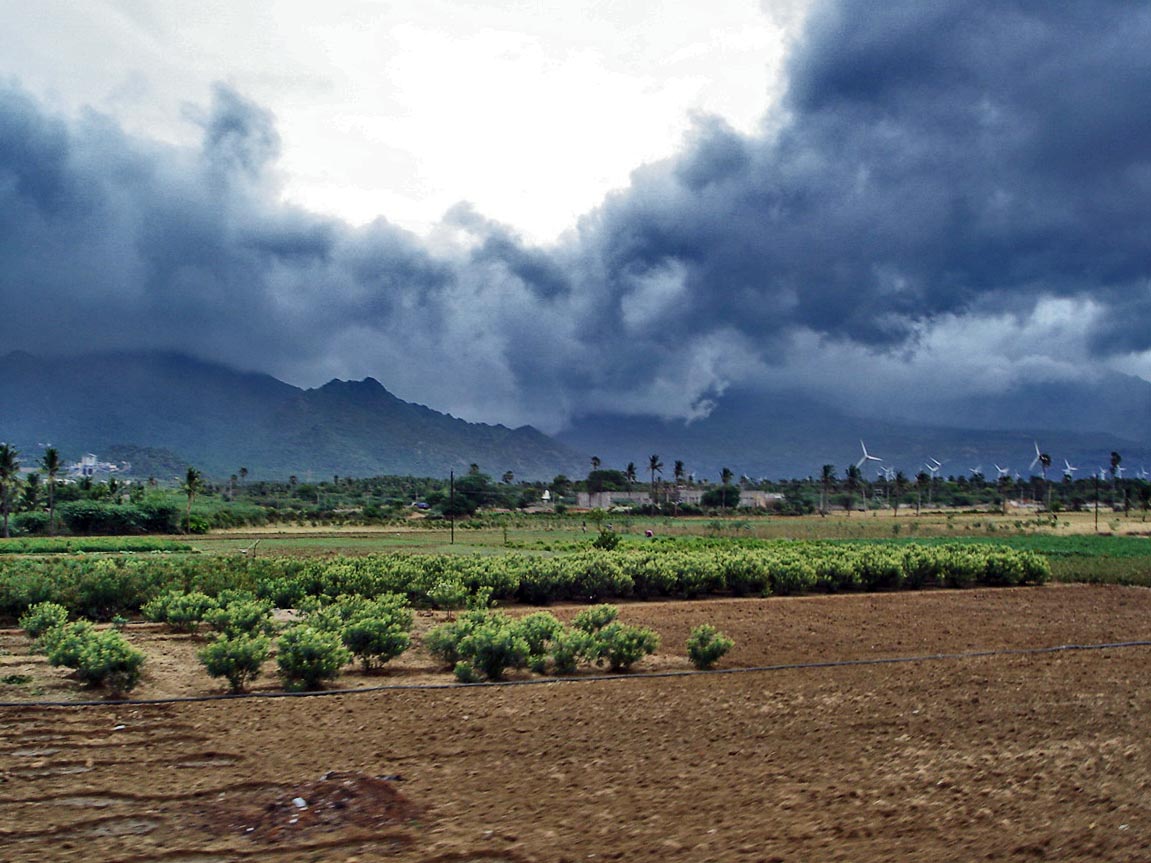
Overview
The Asian Summer Monsoon (ASM) is a complex climate system influencing nearly half of the global population, yet its evolution over geological timescales remains a subject of active research [3]. Verified evidence indicates that ASM intensification was contingent on the Tibetan Plateau exceeding an areal mean elevation of ~3.5 km during the late Eocene–Oligocene, approximately 27–38 million years ago [1]. This uplift strengthened the upper-tropospheric temperature gradient, promoting the seasonal northward shift of the Intertropical Convergence Zone (ITCZ) and fundamentally restructuring atmospheric circulation patterns [1]. Initially, monsoonal rainfall was confined to East Asia, but by the Oligocene it expanded across South Asia, coinciding with enhanced circulation and a reversal of the meridional relative sea surface temperature gradient in the Neotethys [1]. While Tibetan Plateau uplift played the primary role in early ASM evolution, declining atmospheric CO2 levels became increasingly influential after the late Miocene [1]. Sedimentary records of weathering and erosion support the interpretation that the Tibetan Plateau's dominant role in climate–tectonic interactions drove ASM evolution over deep time [1].
Geological Background and Tectonic Context
The Tibetan Plateau's ascent represents one of the most significant topographic transformations of the Cenozoic era. Paleoelevation data derived from stable isotope and clumped isotope studies consistently point to a threshold ~3.5 km above sea level by the late Eocene–Oligocene [1]. This uplift was not merely a local geological event; it restructured continental-scale atmospheric circulation by altering the temperature gradient between the plateau and surrounding lowlands [1]. The plateau's growth created a massive heat source that intensified summer heating, which in turn invigorated the monsoon circulation cells that dominate regional weather patterns today [1]. Without this tectonic foundation, the seasonal precipitation patterns that support billions of people would likely exist in a markedly different form.
Early Eocene Conditions and Initial Uplift
During the early Eocene, the Tibetan Plateau was considerably lower, and the ASM as we recognize it did not yet exist. Geological proxies suggest that initial uplift began incrementally, with the critical ~3.5 km threshold only being crossed in the late Eocene–Oligocene [1]. This timing coincides with the first major expansion of monsoonal precipitation beyond the East Asian interior into the broader South Asian domain [1]. The spatial progression of uplift, from southern to northern segments of the plateau, likely modulated the timing and intensity of monsoon onset across different regions.
Neotethys and Oceanic Gateway Changes
The evolution of the Asian monsoon is inextricably linked to the fate of the Neotethys Ocean. As the Tibetan Plateau rose, it influenced the configuration of marine gateways and coastal geometries that bordered the evolving plateau [1]. The reversal of the meridional relative sea surface temperature gradient in the Neotethys during the Oligocene reflects the interplay between rising land and retreating sea, a feedback mechanism that altered regional heat exchange and atmospheric stability [1]. These oceanic changes amplified the atmospheric effects of plateau uplift, creating a coupled system of land–sea–atmosphere interaction.
- Tibetan Plateau uplift exceeded ~3.5 km by late Eocene–Oligocene [1]
- ASM intensification was contingent on this elevation threshold [1]
- Seasonal ITCZ shift was promoted by plateau uplift [1]
- Monsoon expanded from East Asia to South Asia by Oligocene [1]
- Declining CO2 became influential after late Miocene [1]
Timeline of Key Evolutionary Events
The geological record of the Asian Summer Monsoon is partitioned into distinct intervals, each marked by specific tectonic and climatic milestones. The late Eocene–Oligocene boundary (~27–38 Ma) marks the onset of significant Tibetan Plateau uplift, crossing the ~3.5 km elevation threshold that enabled monsoon intensification [1]. During the Oligocene, monsoonal rainfall expanded from its East Asian heartland across South Asia, a shift documented by sedimentary weathering proxies [1]. The Miocene witnessed the growing influence of declining atmospheric CO2 levels, which began to modulate monsoon strength alongside tectonic forcing [1]. By the late Miocene and Pliocene, the combined effects of plateau elevation and low CO2 helped establish a monsoon system more akin to its modern seasonal expression, though with regional variations [1].
Oligocene Expansion and Circulation Reorganization
The Oligocene represents a pivotal interval when the Asian monsoon began to take on a more pan-regional character. Sedimentary records indicate that enhanced atmospheric circulation, driven by Tibetan Plateau uplift, facilitated the expansion of rainfall into South Asia [1]. This expansion was not merely latitudinal; it involved a reorganization of moisture transport pathways, as the strengthened upper-tropospheric temperature gradient redirected summer winds toward the Indian subcontinent and beyond [1]. The coincidence of tectonic uplift and oceanic gateway changes created the conditions for a more robust and widespread monsoon.
Miocene CO2 Influence and System Maturation
After the late Miocene, declining atmospheric CO2 concentrations emerged as a secondary but increasingly important driver of ASM variability [1]. While Tibetan Plateau uplift provided the primary template for monsoon development, the reduction in greenhouse gas forcing amplified the sensitivity of the system to orbital-scale insolation changes [1]. Sedimentary weathering records from this interval show a tightening correlation between CO2 trends and monsoon intensity, suggesting that the system was maturing toward a state where both tectonic and atmospheric composition factors played essential roles [1].
- Late Eocene–Oligocene: Tibetan Plateau crosses ~3.5 km threshold [1]
- Oligocene: Monsoon expands from East Asia to South Asia [1]
- Late Miocene: Declining CO2 becomes influential [1]
- Pliocene–Pleistocene: Modern-like monsoon configuration established [1]
Mechanisms of Monsoon Formation
The physical mechanism underlying the Asian Summer Monsoon hinges on the interaction between land-surface heating and atmospheric circulation. Tibetan Plateau uplift exceeding ~3.5 km created a elevated heat source that intensified the upper-tropospheric temperature gradient between the plateau and the Indian Ocean [1]. This gradient, in turn, drove a robust pressure gradient that forced seasonal reversal of low-level winds, drawing moist air inland during summer months [1]. The northward shift of the Intertropical Convergence Zone (ITCZ) during boreal summer further amplified this onshore flow, concentrating rainfall over the Asian continent [1]. These dynamical processes, initiated by tectonic uplift, were subsequently refined by variations in atmospheric CO2 and orbital forcing.
Upper-Tropospheric Gradient and Wind Dynamics
The critical role of the upper-tropospheric temperature gradient in monsoon dynamics cannot be overstated. When the Tibetan Plateau reached elevations above ~3.5 km, the stark contrast between the cold plateau top and the warmer surrounding troposphere established a strong thermal wind shear [1]. This shear organized the large-scale summer circulation, positioning the monsoon trough and guiding the trajectory of moisture-laden winds [1]. The gradient also facilitated the seasonal northward migration of the ITCZ, which acts as the atmospheric engine that pivots rainfall patterns across the tropics [1]. Without this gradient, the summer monsoon would lack the spatial extent and intensity observed in the geological record.
Feedback Loops Between Surface and Atmosphere
The evolution of the Asian monsoon involved complex feedback loops between surface topography and atmospheric processes. As the Tibetan Plateau rose, it altered surface albedo, evapotranspiration rates, and boundary layer dynamics, all of which fed back into the overlying atmosphere [1]. Enhanced summer heating of the plateau intensified the thermal low, which drew in more moisture from the surrounding oceans [1]. This moisture, upon encountering the plateau's slopes, was forced upward, condensing into the intense summer rainfall that characterizes the monsoon zone [1]. These land–atmosphere interactions created a self-reinforcing cycle that amplified monsoon strength as uplift progressed.
- Tibetan Plateau uplift created upper-tropospheric temperature gradient [1]
- Gradient drove pressure gradient and seasonal wind reversal [1]
- ITCZ shift amplified onshore moisture flow [1]
- Land–atmosphere feedbacks amplified monsoon strength [1]
Sedimentary and Paleoclimate Evidence
Sedimentary records provide the empirical backbone for reconstructing Asian monsoon evolution. Weathering and erosion proxies, such as chemical index of alteration and grain-size distributions, consistently point to the dominant role of Tibetan Plateau uplift in driving monsoon intensification over geological timescales [1]. These records document the timing of enhanced chemical weathering, which accelerated in tandem with plateau growth, indicating a tight coupling between tectonics and climate [1]. Additionally, isotopic records from marine and continental sediments capture the reversal of sea surface temperature gradients in the Neotethys, corroborating the atmospheric circulation changes inferred from terrestrial data [1]. Together, these lines of evidence construct a coherent narrative of cause and effect linking plateau rise to monsoon development.
Weathering Proxies and Tectonic Coupling
The chemical weathering of rocks exposed by Tibetan Plateau uplift serves as a sensitive recorder of monsoon intensity. Increased rainfall associated with a stronger monsoon accelerates the breakdown of silicate minerals, a process that removes CO2 from the atmosphere over long timescales [1]. Sedimentary records from the Oligocene and Miocene show peaks in weathering intensity that align with independent estimates of plateau elevation [1]. This inverse relationship—higher uplift, stronger monsoon, faster weathering—provides a quantitative constraint on models of ASM evolution and underscores the feedback between climate and tectonics [1].
Marine Sediment Isotopes and Ocean–Atmosphere Links
Marine sediment cores from the Neotethys and surrounding oceans contain isotopic signatures that record past changes in sea surface temperature, salinity, and ocean circulation [1]. The reversal of the meridional relative sea surface temperature gradient documented during the Oligocene reflects the coupled response of the ocean and atmosphere to Tibetan Plateau uplift [1]. These marine records complement terrestrial weathering data by providing a spatial context for how monsoon-driven changes in precipitation and runoff affected oceanic conditions, completing the land–sea–atmosphere triad of ASM evolution [1].
- Weathering proxies document tectonic–climate coupling [1]
- Isotopic records capture Neotethys SST gradient reversal [1]
- Sedimentary records align weathering peaks with uplift estimates [1]
Significance for Regional Civilizations
The Asian Summer Monsoon is more than a climatic phenomenon; it is a foundational element of the societies that have developed across its reach. The expansion of monsoonal rainfall from East Asia to South Asia by the Oligocene coincided with the spread of agricultural communities and the establishment of settled civilizations in the region's river valleys [1]. Reliable seasonal rainfall enabled the cultivation of staple crops, supported population growth, and facilitated the rise of complex social structures [1]. As the monsoon system matured through the Miocene and Pliocene, its variability shaped the rise and fall of dynasties, the timing of large-scale migrations, and the adaptation strategies of communities living at the margins of the monsoon zone [1].
Agricultural Foundations and Settlement Patterns
The timing of monsoon onset and its seasonal consistency were critical determinants of agricultural success in ancient Asia. Millets and rice, the staple crops of early Chinese and South Asian societies, require predictable rainfall patterns to complete their growth cycles [1]. Geological evidence suggests that the Oligocene expansion of the monsoon into South Asia provided the moisture necessary for the southward spread of rice agriculture, which in turn supported the rise of urban centers along the Ganges and other major rivers [1]. The correlation between monsoon strength and archaeological indicators of population growth highlights the deep interplay between climate and cultural development [1].
Monsoon Variability and Societal Resilience
Historical records and paleoclimate reconstructions alike document the susceptibility of civilizations to monsoon failure. Prolonged droughts, likely linked to shifts in the ITCZ or changes in Tibetan Plateau thermal conditions, have been associated with the collapse of early states and widespread famine [1]. Conversely, anomalously strong monsoon phases have sometimes led to flooding that disrupted agriculture and infrastructure [1]. The long-term trend of declining CO2 after the late Miocene would have modulated the system's responsiveness to these extremes, making the monsoon both a boon and a hazard for societies that had come to depend on its regularity [1].
- Oligocene monsoon expansion enabled agricultural spread [1]
- Predictable rainfall supported crop cultivation and urban rise [1]
- Monsoon variability linked to societal collapse and adaptation [1]
Modern Context and Future Projections
Understanding the deep-time evolution of the Asian Summer Monsoon provides essential context for projecting its behavior under anthropogenic climate change. The system that developed over the Cenozoic, initiated by Tibetan Plateau uplift and refined by declining CO2, now faces the rapid forcing of industrial greenhouse gas emissions [1]. Paleoclimate records of past warm intervals, such as the Pliocene, offer analogues for what a high-CO2 future might entail, suggesting that the monsoon could intensify or shift its spatial pattern [1]. However, the baseline established by millions of years of tectonic and atmospheric evolution means that the modern system retains the fundamental architecture shaped by plateau uplift [1]. Researchers studying future monsoon change therefore must account for this deep-time baseline when interpreting observational trends.
Anthropogenic Forcing Versus Tectonic Baseline
The rate of contemporary climate change driven by human activity is unprecedented in the Cenozoic record, yet the structural components of the Asian monsoon—its dependence on Tibetan Plateau heating, its seasonal ITCZ migration, its sensitivity to background CO2 levels—trace their origins to geological processes that operated over millions of years [1]. This baseline means that while the magnitude and speed of current changes are new, the underlying dynamical principles are well-practiced features of the Earth system [1]. Disentangling the signal of anthropogenic forcing from the background state shaped by tectonics is a central challenge for modern monsoon science [1].
Implications for Water Resources and Risk Management
The millions of people who depend on the Asian Summer Monsoon for agriculture, drinking water, and hydroelectric power live in a climate system that has already demonstrated significant variability across geological timescales. Sedimentary evidence of past monsoon intensifications and collapses provides a long-term perspective on the range of natural variability [1]. Water resource planners can use this perspective to design infrastructure that accommodates both the drier and wetter extremes that the monsoon has exhibited in the past, while also adapting to the additional uncertainty introduced by modern greenhouse forcing [1]. The deep-time record thus serves as a guide for resilience planning in the face of an uncertain future.
- Modern monsoon faces rapid anthropogenic CO2 forcing [1]
- Pliocene warm intervals offer analogues for future climate [1]
- Deep-time record guides water resource resilience planning [1]
Key Debates and Outstanding Questions
Despite significant progress, several key debates persist in the study of Asian monsoon evolution. The precise timing and magnitude of Tibetan Plateau uplift remain subjects of ongoing research, with different methodological approaches yielding varying estimates of when the critical ~3.5 km threshold was crossed [1]. The relative importance of tectonic versus climatic drivers—particularly the role of declining CO2 versus rising topography—in shaping ASM intensity through different geological intervals is another active area of investigation [1]. Additionally, the spatial heterogeneity of monsoon response across the vast Asian continent suggests that regional variations may not be fully captured by basin-scale models, prompting calls for more nuanced, high-resolution reconstructions [1].
Uplift Chronology and Methodological Disagreements
Estimates of when and how fast the Tibetan Plateau reached its current elevation vary because they rely on different proxy systems, each with its own assumptions and limitations [1]. Some studies based on paleobotanical data suggest a more gradual ascent, while thermochronological data point to punctuated uplift events [1]. Reconciling these records is essential for accurately modeling the feedback between topography and monsoon intensity, as the timing of threshold crossing directly affects the predicted onset of monsoon intensification [1].
CO2 versus Uplift: Attributing Monsoon Changes
Determining the degree to which declining atmospheric CO2 versus rising Tibetan Plateau elevation drove monsoon changes through the Cenozoic is complicated by the fact that both trends occurred simultaneously [1]. Isotope-enabled climate models attempt to isolate the effect of each factor, but the interplay between surface albedo, atmospheric heating, and greenhouse forcing creates a coupled system that is difficult to decompose [1]. The late Miocene interval, where both CO2 decline and further uplift are documented, represents a particular focal point for these attribution studies [1].