
Overview
Conference Identity
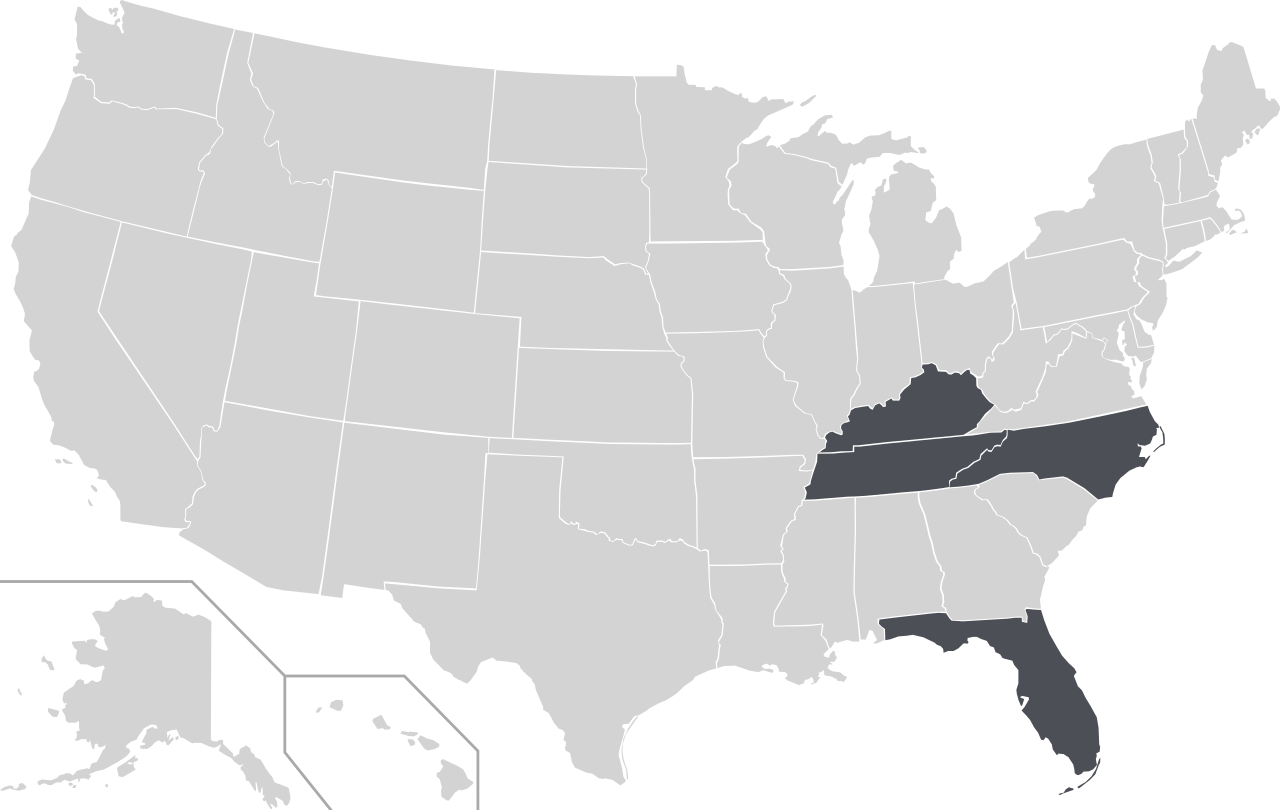
The Atlantic Sun Conference is an American college sports league operating mostly in the Southeastern United States. [2] It competes at the NCAA Division I level. [2] The conference serves as a governing body for intercollegiate athletics among its member institutions. [2] Its structure supports competition across multiple sports for both men and women. [2] The league emphasizes regional rivalry and academic integration. [2] Member schools benefit from shared resources and collective bargaining. [2] The conference brand reflects its geographic focus and competitive aspirations. [2]
Competitive Level
Participation in NCAA Division I places the conference among the highest tier of collegiate athletics. [2] Division I status requires compliance with extensive scholarship and facility standards. [2] The conference schedules regular season and championship events under NCAA regulations. [2] Athletes in the conference are eligible for national postseason tournaments. [2] The competitive level attracts student‑athletes seeking high‑visibility competition. [2] Conference championships serve as qualifiers for NCAA tournaments. [2] The Division I designation influences recruiting and media exposure. [2]
Founding and Early History
Establishment as TAAC
The conference was originally established as the Trans America Athletic Conference (TAAC) in 1978. [2] Founding members sought a regional alliance for Olympic‑style sports. [2] The TAAC name reflected a broad geographic vision across the United States. [2] Early governance focused on basketball and baseball competition. [2] The league adopted NCAA bylaws from its inception. [2] Initial membership comprised institutions primarily in the Southeast. [2] The 1978 charter set the framework for future expansion. [2]
Initial Membership and Scope
Charter members included universities from Florida, Georgia, and surrounding states. [2] The conference sponsored men's basketball as its flagship sport. [2] Women's sports were added shortly after Title IX compliance. [2] The TAAC operated with a modest budget and volunteer staff. [2] Scheduling emphasized travel efficiency within the region. [2] Early championships were held at campus venues. [2] The conference cultivated rivalries that persist today. [2]
Name Evolution
Rebranding to Atlantic Sun Conference
It was renamed as the Atlantic Sun Conference in 2001. [2] The new name highlighted the Atlantic coastal identity of many members. [2] Rebranding accompanied a strategic marketing initiative. [2] Logos and visual assets were updated across all platforms. [2] The change aimed to increase national recognition. [2] Media partners adopted the Atlantic Sun branding immediately. [2] The conference retained its TAAC legal structure. [2]
Temporary ASUN Branding
The conference was briefly rebranded as the ASUN Conference from 2016 to 2023. [2] The ASUN abbreviation streamlined digital and social media handles. [2] Merchandise and broadcast graphics featured the ASUN mark. [2] Member institutions used the ASUN logo on uniforms. [2] The rebrand lasted seven years before reverting. [2] Stakeholder feedback prompted the return to Atlantic Sun. [2] Legal filings continued under the Atlantic Sun Conference name. [2]
Organizational Structure
Headquarters Location
The conference headquarters are located in Jacksonville. [2] Jacksonville provides central access to member campuses. [2] The office houses administrative, compliance, and communications staff. [2] Facilities include meeting rooms for committee sessions. [2] Proximity to major airports aids travel for conference meetings. [2] The headquarters serves as the official address for NCAA correspondence. [2] Staff coordinate championships from the Jacksonville base. [2]
Commissioner Leadership
The conference commissioner is Jeff Bacon since 2023. [2] Bacon oversees strategic direction and daily operations. [2] He represents the conference in NCAA governance forums. [2] Prior experience includes conference administration and athletic management. [2] The commissioner appoints sport committees and championship hosts. [2] Bacon's tenure began with a focus on digital engagement. [2] He reports to the conference board of directors. [2]
Geographic Footprint
Primary Region of Operation
The conference operates mostly in the Southeastern United States. [2] Member schools span Florida, Georgia, Alabama, and nearby states. [2] The regional concentration reduces travel costs for teams. [2] Climate allows year‑round outdoor competition. [2] Local media markets provide broadcast opportunities. [2] The footprint aligns with historic TAAC boundaries. [2] Expansion discussions consider nearby institutions. [2]
Institutional Distribution
Institutions are distributed across urban and suburban campuses. [2] Public universities and private colleges both participate. [2] Enrollment sizes vary from mid‑size to large research universities. [2] Academic profiles include liberal arts and professional programs. [2] The mix fosters diverse athletic cultures. [2] Geographic clustering supports natural rivalries. [2] Conference scheduling balances home and away games. [2]
NCAA Division I Competition
Division I Status
The conference competes at the NCAA Division I level. [2] Division I membership requires minimum scholarship allocations. [2] Compliance with NCAA academic progress rates is mandatory. [2] The conference submits annual reports to the NCAA. [2] Division I status enables participation in national championships. [2] Television contracts are negotiated under Division I guidelines. [2] The conference monitors legislative changes from the NCAA. [2]
Sport Sponsorship Overview
The league sponsors multiple men's and women's sports. [2] Basketball serves as the primary revenue sport. [2] Baseball and softball championships draw regional interest. [2] Cross country, track, and field events are held annually. [2] Golf, tennis, and soccer round out the championship slate. [2] Each sport follows NCAA playing rules and season limits. [2] Conference champions earn automatic bids to NCAA tournaments. [2]
Governance and Administration
Conference Governance Model
Governance rests with a board of directors composed of member presidents. [2] The board sets policy on eligibility, budgets, and expansion. [2] Sport committees advise on scheduling and officiating. [2] The commissioner implements board directives. [2] Voting procedures follow NCAA governance standards. [2] Committees meet quarterly to review competition matters. [2] Transparency measures include public minutes. [2]
Administrative Functions
Administrative staff manage compliance, marketing, and media relations. [2] Compliance officers monitor recruiting and eligibility. [2] Marketing teams promote conference brands and events. [2] Media relations coordinate broadcast and digital coverage. [2] Finance officers oversee budgeting and revenue distribution. [2] Technology staff maintain the conference website and stats platform. [2] Event operations handle championship logistics. [2]
Significance in Collegiate Athletics
Role in Southeastern Sports Landscape
The conference anchors mid‑major competition in the Southeast. [2] It provides a pathway for student‑athletes to national exposure. [2] Regional rivalries enhance fan engagement and attendance. [2] The league contributes to the NCAA's competitive balance. [2] Alumni networks support institutional pride and giving. [2] Conference success influences conference realignment discussions. [2] Media markets benefit from localized content. [2]
Impact on Member Institutions
Membership elevates institutional visibility through athletics. [2] Athletic success drives enrollment applications. [2] Shared resources reduce individual program costs. [2] Conference championships create campus traditions. [2] Student‑athlete development aligns with academic missions. [2] The conference's NCAA standing aids fundraising. [2] Long‑term stability supports strategic planning. [2]