
Overview and Definition
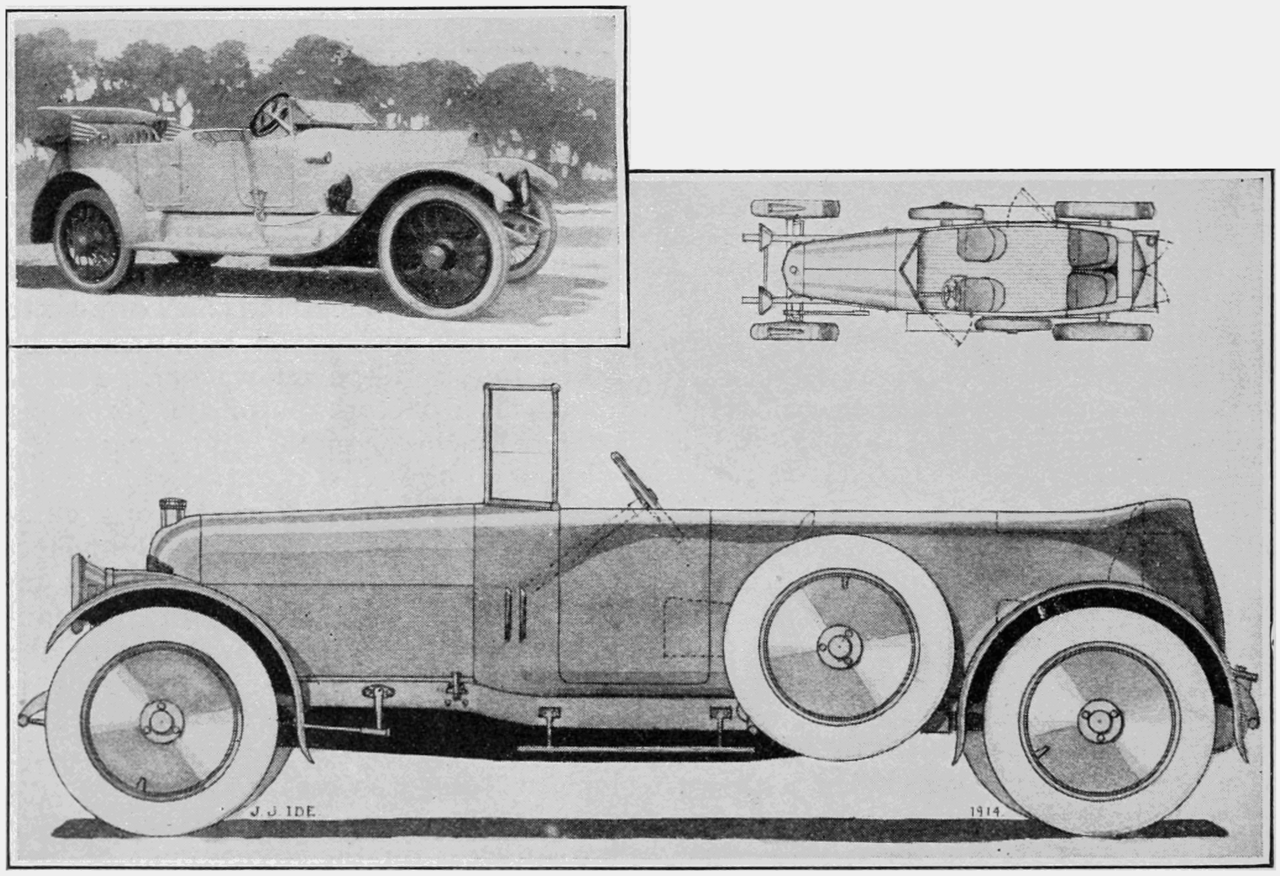
Automotive design is the process of developing the appearance and ergonomics of motor vehicles including automobiles, motorcycles, trucks, buses, coaches, and vans.[1] This definition establishes the breadth of the discipline, which extends beyond passenger cars to encompass the full range of road vehicles. Unlike many engineering fields, automotive design roles are not associated with requirements for professional- or chartered-engineer qualifications; designers may have an art background and a degree in industrial design or transportation design.[1] This distinction reflects the creative, rather than technical-certification, foundation of the profession.
Team Structure and Engineering Integration
The functional design and development of a modern motor vehicle is typically done by a large team from many different disciplines included within automotive engineering.[1] This team-based approach means that design does not occur in isolation; designers collaborate closely with engineers who handle the mechanical and structural requirements. Development teams include designers, engineers, and specialists collaborating on vehicle programs.[1] The integration ensures that aesthetic choices do not compromise safety, performance, or regulatory compliance.
Design Disciplines and Digital Tools
Exterior design involves the visual appearance and aerodynamic features of the vehicle body.[1] Interior design focuses on ergonomics, passenger comfort, and the layout of controls and seating.[1] Color and trim design deals with the selection of interior and exterior colors, materials, and surface finishes.[1] Graphic design in automotive context includes branding elements, logos, and surface graphics on the vehicle.[1] Computer-Aided Design (CAD) and Class-A development are used for creating smooth, surfaced models and precise engineering data.[1] These specialized disciplines work in sequence, from initial concept through digital rendering to final production validation.[1]
Design Development Cycle
Concept Creation and Sketching
The design development cycle encompasses concept creation, clay modeling, digital rendering, and final production validation.[1] Concept creation begins with hand sketches and digital explorations that explore proportions, stance, and brand language. Designers iterate rapidly before committing to physical or high-fidelity digital models.
Clay Modeling and Digital Refinement
Clay modeling remains a tactile step in the cycle, allowing designers to assess surfaces and proportions at full scale. Concurrently, digital rendering using CAD data provides precise measurements and the ability to visualize the vehicle in various lighting and environmental conditions. Class-A development ensures that the digital surfaces are smooth and manufacturable, bridging the gap between artistic intent and engineering reality.
Validation and Production
Final production validation involves wind tunnel testing, durability assessments, and compliance with safety standards. The cycle closes when the design data is handed off to manufacturing teams who execute the tooling, painting, and assembly processes. Throughout this sequence, the original design intent is maintained through rigorous documentation and iterative feedback loops.
Exterior Design and Aerodynamics
Form, Function, and Wind Resistance
Exterior design is not solely about visual appeal; it directly influences the vehicle's aerodynamic performance.[1] The shape of the body, the contour of the roofline, and the integration of side mirrors all affect drag coefficient and fuel efficiency. Designers must balance brand-identifying styling cues with the practical requirement to manage airflow around and under the vehicle.
Materials and Surface Finishes
The choice of materials for exterior panels affects both weight and durability. Aluminum, high-strength steel, and composites each offer different styling possibilities and performance characteristics. Surface finishes, from matte to gloss, are selected not only for aesthetics but also for resistance to environmental degradation and ease of maintenance.
Brand Language and Evolution
Over time, each manufacturer develops a recognizable design language that distinguishes its products on the road. Evolution of this language occurs across model generations, reflecting changing consumer preferences, regulatory pressures, and technological shifts. The exterior thus serves as a moving billboard for the brand's identity and engineering philosophy.
Interior Design and Ergonomics
Passenger Comfort and Layout
Interior design focuses on ergonomics, passenger comfort, and the layout of controls and seating.[1] The positioning of the driver's seat, the reach to the steering wheel, and the visibility of instruments are calibrated to reduce fatigue and enhance safety. Interior space must accommodate a range of body types while maximizing the usable area for occupants.
Control Integration and User Interface
The layout of controls—from climate settings to infotainment interfaces—must follow human-factors principles. Placement is determined by reach studies and visibility testing. In modern vehicles, the shift toward touchscreens and digital instrument clusters has introduced new ergonomic challenges, requiring designers to balance minimalism with functional accessibility.
Materials and Ambient Environment
Interior materials contribute to the perceived quality and comfort of the cabin. Soft-touch surfaces, sustainable fabrics, and wood or metal accents are selected based on tactile properties, durability, and environmental impact. Ambient lighting is increasingly used to enhance the interior atmosphere and support nighttime visibility.
Color and Trim Design
Interior Color Selection
Color and trim design deals with the selection of interior and exterior colors, materials, and surface finishes.[1] Interior color palettes are chosen to complement the vehicle's exterior while considering factors such as heat absorption, stain resistance, and resale value. Designers work with a constrained palette that must align with brand identity and consumer expectations across different markets.
Exterior Color and Finish Technologies
Exterior color selection involves advanced paint technologies that provide durability against UV degradation, chemical exposure, and minor abrasions. Metallic and pearl finishes require precise pigment alignment to achieve the desired visual effect. The color also plays a role in thermal performance, with lighter shades reflecting more solar radiation.
Material Sustainability and Lifecycle
Modern color and trim design increasingly incorporates sustainable materials, such as recycled plastics, bio-based foams, and low-VOC (volatile organic compound) coatings. These choices reflect broader industry goals to reduce the environmental footprint of vehicle production and end-of-life disposal. Designers must balance aesthetic aspirations with the technical performance requirements of these newer materials.
Graphic Design and Branding
Logos and Surface Graphics
Graphic design in automotive context includes branding elements, logos, and surface graphics on the vehicle.[1] Logos are typically placed on the grille, wheel caps, and rear of the vehicle, serving as immediate visual identifiers. Surface graphics, such as racing stripes or decorative panels, can reinforce the model's positioning or commemorate special editions.
Consistency Across Model Range
Maintaining graphic consistency across a manufacturer's model range helps reinforce brand equity. Designers develop family-resemblance elements—such as signature lighting shapes or grille patterns—that appear across different vehicle sizes and types. This visual cohesion aids consumer recognition and supports marketing narratives.
Regulatory and Safety Considerations
Graphics must also comply with regulatory requirements, such as reflectivity standards for safety markings and restrictions on misleading visual cues. The placement of logos cannot interfere with sensor integration, such as radar or camera units embedded in the bodywork. Designers work with engineers to ensure that branding elements serve their purpose without compromising functionality.
Global Market and Industry Context
Industry Scale and Economic Impact
The automotive industry comprises companies involved in design, development, manufacturing, marketing, selling, repairing, and modification of motor vehicles.[2] The global automotive market was valued at approximately $2.75 trillion in 2025,[2] reflecting the sector's massive economic footprint. Design is a critical differentiator in this competitive landscape, influencing consumer choice and brand loyalty.
Historical Origins and Terminology
The word automotive originates from Greek autos (self) and Latin motivus (of motion), referring to self-powered vehicles.[2] The automotive industry began in the 1860s with manufacturers pioneering the horseless carriage.[2] This historical lineage underscores how design evolved from rudimentary functional shapes to the sophisticated, aerodynamically optimized forms seen today. The timeline from manual assembly to modern production mirrors the evolution of design capabilities.
Emerging Markets and Adoption Rates
India's automotive industry is the world's third-largest by annual production, worth US$250 billion in 2025.[3] In 2022, the Indian automotive industry accounted for 8% of the country's total exports and 7.1% of overall GDP.[3] According to a 2021 National Family Health Survey, only 8% of Indian households own a car while 54% own motorcycles or scooters.[3] In 2025, India had 44 cars per 1,000 people, markedly lower than other major economies.[3] These statistics highlight how design decisions must consider regional market conditions, income levels, and transportation preferences. The high prevalence of two-wheelers in India, for instance, influences global design trends toward compact, efficient styling.
Design Education and Professional Practice
Academic Preparation and Skill Sets
Designers may have an art background and a degree in industrial design or transportation design; design roles are not associated with requirements for professional- or chartered-engineer qualifications.[1] Academic programs typically include coursework in sketching, digital modeling, materials science, and human factors. Internships at design studios or with manufacturers provide practical experience and industry networking opportunities.
Career Paths and Specializations
Within the profession, designers can specialize in exterior, interior, color and trim, or graphic design. Career progression often moves from junior designer to senior designer, design lead, and eventually director of design. The multidisciplinary nature of the work means that professionals must communicate effectively with engineers, marketers, and executives across the organization.
Industry Collaboration and Innovation
The collaboration between designers and engineers is ongoing throughout the vehicle lifecycle. As new technologies emerge—such as electric powertrains, autonomous driving sensors, and advanced connectivity—designers must adapt their approaches. This dynamic environment ensures that automotive design remains a field of continuous learning and innovation, shaped by both creative vision and technical constraint.
Synthesis: Form, Function, and Global Significance
Interdisciplinary Balance
Automotive design sits at the intersection of art, engineering, and commerce. The discipline's strength lies in its ability to synthesize aesthetic aspirations with functional requirements, all within the constraints of mass production and regulatory frameworks. The team-based approach, involving designers, engineers, and specialists,[1] ensures that no single consideration dominates at the expense of others.
Evolution Through Technology
From the horseless carriages of the 1860s[2] to the digitally rendered, CAD-driven models of today, the tools and methods of automotive design have transformed dramatically. Yet the core objective remains unchanged: to create vehicles that are desirable, safe, efficient, and appropriate for their intended use. The global market value of $2.75 trillion in 2025[2] reflects the success of this objective across diverse consumer bases.
Regional Adaptation and Future Directions
The varying adoption rates of personal vehicles, such as India's 44 cars per 1,000 people[3] compared to higher rates in other economies, demonstrate how design must be context-aware. As emerging markets grow and technology shifts toward electrification and autonomy, automotive design will continue to evolve. The discipline's ability to balance heritage, innovation, and regional needs will determine its relevance in the decades ahead.