
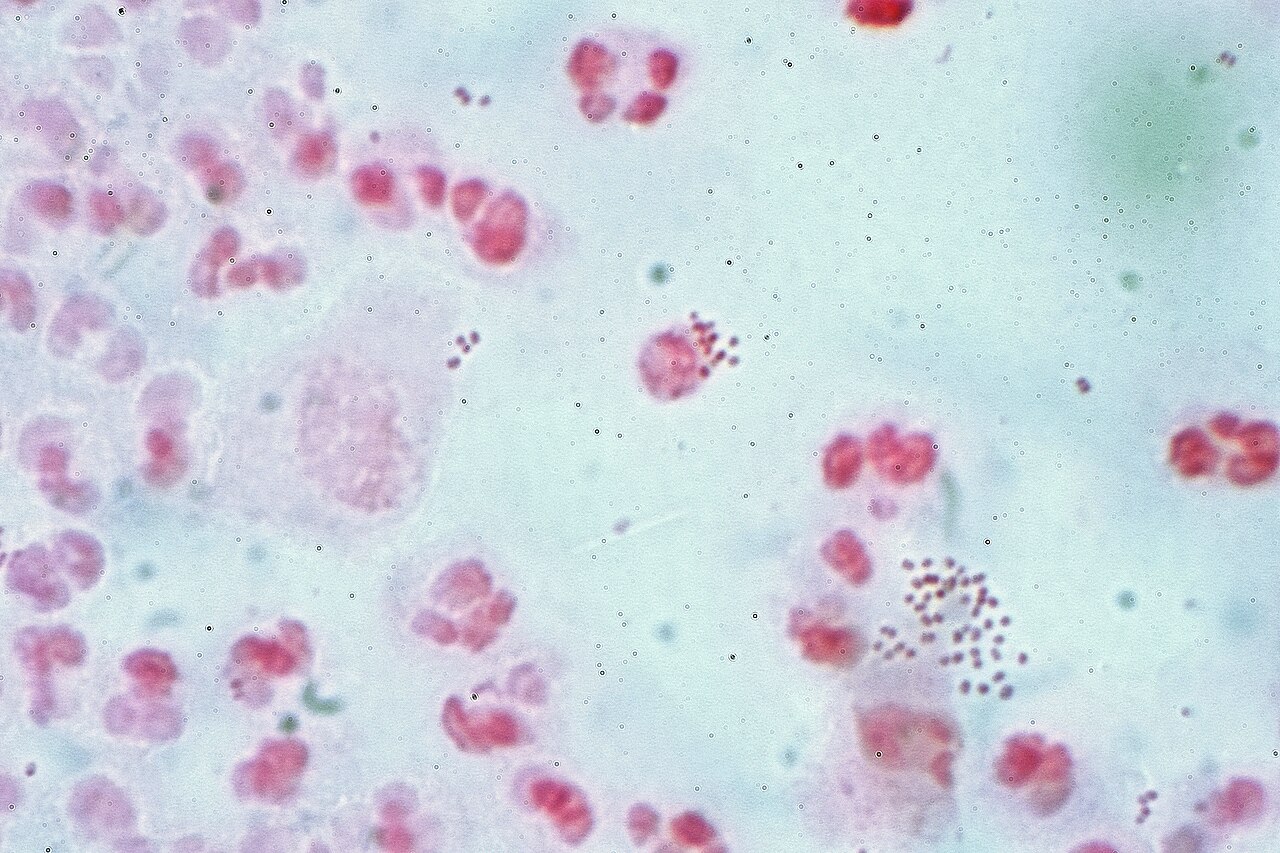
Overview: Defining Bacterial Infection and Pathogenic Invasion
Bacterial infection refers to the invasion of a host's tissue by a pathogenic bacteria [2]. This fundamental definition establishes the clinical problem: when microbes breach physical barriers and proliferate within sterile body sites, they trigger immune responses that can range from acute inflammation to chronic, device-associated disease. The nature of the invasion depends on bacterial species, host immunity, and the presence of foreign materials such as medical devices [2].
The Invasion Process and Host Entry Points
Pathogenic bacteria exploit breaches in skin or mucosal barriers, using adhesins and invasins to attach to and penetrate epithelial layers. Once inside, they encounter tissue-specific microenvironments that either restrict or facilitate their growth. The initial step of tissue invasion is critical because it determines whether the infection remains localized or disseminates systemically [2].
Clinical Manifestations and Diagnostic Challenges
Infections manifest as pus formation, tissue necrosis, or fever depending on the bacterial load and host immune status. Device-associated infections are particularly insidious because bacteria embed within extracellular matrices, forming biofilms that evade both immune clearance and standard antimicrobial penetration. Diagnosing these infections often requires imaging and microbiological sampling from or around the implanted device [2].
Biofilm Formation and Antibiotic Resistance in Device-Associated Infections
Extracellular Matrix and Fibrin Encapsulation
When bacteria colonize medical devices, they secrete extracellular polymeric substances that encapsulate the community in a protective matrix. In Staphylococcus aureus infections, this matrix often contains fibrin, a protein mesh that physically shields bacterial clusters from antibiotic penetration and phagocytosis. The fibrin capsule is a key virulence factor that contributes to treatment failure [2].
Vancomycin and the Limits of Standard Care
Vancomycin has long been the standard-of-care antibiotic for Gram-positive device infections, including those caused by Staphylococcus aureus. However, its large molecular size limits penetration into dense biofilm matrices, and some strains develop intermediate resistance (VISA) that further reduces efficacy. Clinical outcomes with vancomycin alone are inconsistent, especially when fibrin encapsulation is present [2].
Consequences of Treatment Failure
Persistent device-associated infections often necessitate surgical device removal, carrying risks of additional trauma, prolonged hospitalization, and increased healthcare costs. Antibiotic resistance patterns continue to evolve, limiting the pipeline of effective agents. The need for adjuvants that can dismantle biofilm matrices without contributing to resistance selection is urgent [2].
FibriLysins: Dual-Action Proteins Breaking Encapsulation
Mechanism of Fibrin Dismantling and Bacterial Killing
FibriLysins are dual-action proteins that dismantle fibrin structures encapsulating Staphylococcus aureus multicellular communities and kill the bacteria within [2]. This unique mechanism combines enzymatic degradation of the protective fibrin mesh with direct bactericidal activity, addressing both the physical barrier and the live pathogen in a single molecular entity. The fibrin-dissolving activity exposes bacterial surface antigens, facilitating immune recognition while the killing domain eliminates the microbes.
Efficacy Compared to Vancomycin in Device Models
In a mouse model of device-associated infection, FibriLysins demonstrate higher antibacterial efficacy compared with the standard-of-care antibiotic vancomycin [2]. This comparative finding is significant because it shows that a protein-based therapeutic can outperform a small-molecule antibiotic in a clinically relevant setting. The superior efficacy likely stems from the dual-action design that simultaneously removes the biofilm shield and eradicates the embedded bacteria, whereas vancomycin primarily targets free-floating cells.
Implications for Implant-Saving Therapies
The ability of FibriLysins to penetrate and dismantle fibrin-encapsulated biofilms suggests a pathway toward implant-sparing treatments. If fibrin matrices can be degraded in situ, the infected device may be retained while bacterial load is reduced, avoiding the morbidity of surgical explantation. This approach could transform the management of orthopedic and cardiac device infections [2].
Alveolar Macrophage Markers and Bacterial Uptake Regulation
EpCAM as a Marker of Fetal-Derived Alveolar Macrophages
EpCAM is a marker of fetal-derived alveolar macrophages that supports bacterial uptake [2]. This cell-surface protein identifies a subset of lung-resident immune cells that originate from fetal development rather than postnatal hematopoiesis. Alveolar macrophages are the first line of defense in the lung, and their marker profile influences their functional capacity to engulf and eliminate inhaled pathogens.
Influenza-Mediated Suppression of EpCAM and Impaired Clearance
Influenza infection suppresses EpCAM expression on alveolar macrophages, impairing subsequent bacterial clearance and leaving mice more vulnerable to secondary pneumonia [2]. This finding reveals a mechanistic link between viral respiratory infection and bacterial superinfection, a clinical phenomenon observed throughout the pandemic period. The suppression of EpCAM appears to diminish the phagocytic capacity of alveolar macrophages, allowing bacteria to establish secondary infections more readily.
Immunological Consequences of Viral-Bacterial Interactions
The interaction between influenza virus and alveolar macrophage EpCAM expression illustrates how viral pathogenesis can have downstream effects on bacterial host defense. When viral infection downregulates key immune markers, the lung's bacterial clearance apparatus is compromised. This has implications for patient management during flu season, particularly for immunocompromised individuals and those with chronic lung conditions [2].
Phage Therapy: Intravenous and Localized Approaches
Intravenous Phage Therapy and Systemic Potential
Intravenous phage therapy shows therapeutic potential but raises questions about limitations of the intravenous route [2]. Phages are bacterial viruses that can lyse target pathogens, and systemic delivery via the bloodstream has been explored for disseminated infections. However, the intravenous route encounters barriers such as rapid clearance by the reticuloendothelial system, potential immune neutralization, and distribution limitations to deep tissue sites such as device interiors. These practical constraints affect dosing regimens and treatment scheduling.
Personalized Adjunctive Local Phage Therapy in Musculoskeletal Infections
Personalized adjunctive local phage therapy was found feasible and well tolerated in difficult-to-treat musculoskeletal infections [2]. This approach combines phages with standard antibiotics applied directly at the infection site, such as around an implant or within a wound. Local delivery achieves high phage concentrations at the target tissue while minimizing systemic exposure and resistance selection. The feasibility and tolerability data support the integration of phage adjuvants into conventional surgical and antibiotic protocols.
Resistance Management and Combination Strategies
A key advantage of phage therapy is its potential for combination use with antibiotics and enzyme-based agents like FibriLysins. Phages can evolve alongside bacterial hosts, potentially overcoming resistance mutations that develop against antibiotics. When used as adjuvants, phages may penetrate biofilms that antibiotics cannot reach, and their specificity reduces collateral damage to the microbiome. The source-supported finding that local phage therapy is well tolerated suggests a low-barrier entry point for clinical adoption [2].
Integration of Enzyme and Phage Strategies in Clinical Practice
Synergistic Effects of Combined Mechanisms
The convergence of FibriLysin and phage therapy represents a shift toward multi-mechanism approaches that target bacterial infections from multiple angles simultaneously. FibriLysins degrade extracellular matrices such as fibrin, exposing bacteria and facilitating immune access, while phages infect and lyse live bacterial cells. Together, they may dismantle the infection on two fronts: removing the physical shield and eliminating the microbial population. This synergy could be particularly valuable in device-associated infections where single-mechanism therapies have struggled [2].
Challenges in Manufacturing, Standardization, and Regulation
Both FibriLysins and phages present regulatory and manufacturing challenges that differ from conventional small-molecule antibiotics. Protein-based therapeutics require consistent production, lot-to-lot purity, and stability profiling. Phage products involve living entities with batch-to-batch variability and the potential for unwanted gene transfer. Establishing Good Manufacturing Practice (GMP) standards for these biological agents is an ongoing process that must be resolved before widespread clinical adoption [2].
Path Forward for Clinical Translation
The source data indicate that both FibriLysin and localized phage therapies have moved beyond early proof-of-concept into animal model and early human feasibility studies. The next steps include larger-scale clinical trials, standardization of dosing and delivery methods, and the development of combination protocols with existing antibiotics. If these hurdles are cleared, enzyme and phage adjuvants could become routine components of infection management, particularly for device-related and antibiotic-resistant infections [2].
Summary of Source-Supported Findings and Remaining Questions
Consolidated Verified Facts
The verified record establishes that bacterial infection involves tissue invasion by pathogenic bacteria [2], that FibriLysins dismantle fibrin encapsulation and kill Staphylococcus aureus communities within [2], and that FibriLysins show higher efficacy than vancomycin in device-associated mouse models [2]. Additional facts include EpCAM's role as a marker of fetal-derived alveolar macrophages supporting bacterial uptake [2], that influenza-induced EpCAM suppression impairs bacterial clearance and increases secondary pneumonia vulnerability [2], and that both intravenous and localized phage therapy have demonstrated therapeutic potential with distinct route-related limitations [2,2].
Open Questions and Future Research Directions
Several questions remain unanswered or underexplored in the source base. The longitudinal durability of FibriLysin activity in human tissues has not been reported. The comparative safety profiles of intravenous versus local phage administration in humans are not established. The mechanism by which influenza suppresses EpCAM expression and whether this is reversible in clinical settings requires further investigation. Finally, the cost-effectiveness of enzyme-adjunct versus device-removal strategies in real-world clinical practice has not been modeled from the available data [2].