
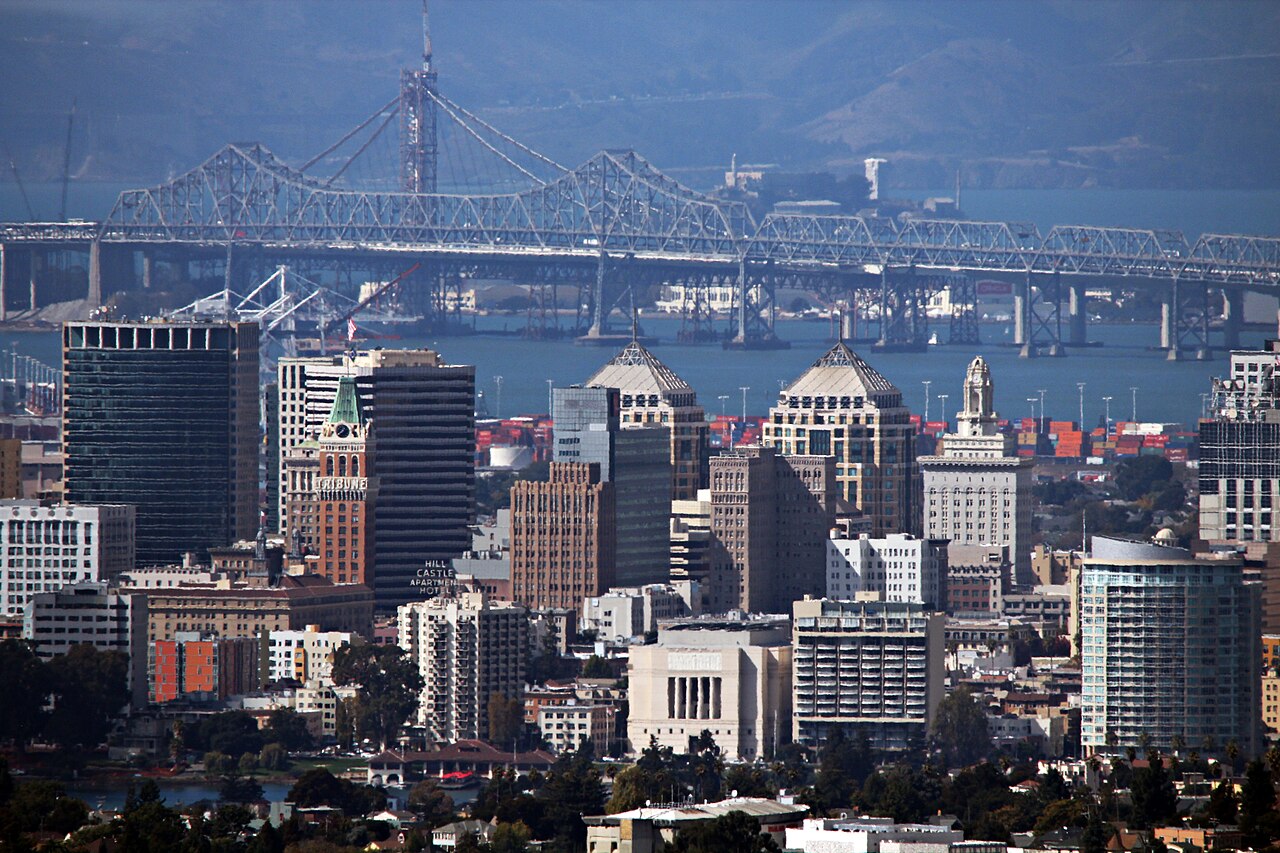
Overview of Bay Area Higher Education
San Francisco is home to over a dozen colleges and universities despite limited geographical space [2]. This concentration creates a diverse higher education ecosystem within a compact urban environment, presenting unique opportunities and challenges for students and institutions alike. The city's colleges range from large community colleges to specialized private universities, each contributing distinctively to the local academic landscape.
Historical Development and Growth
The development of Bay Area colleges reflects San Francisco's evolution as a cultural and economic hub. From the establishment of the University of California, San Francisco as a primarily graduate-level health-sciences school in Parnassus Heights and Mission Bay [2] to the founding of private institutions like Academy of Art University [2], the city's educational infrastructure has grown alongside its population and economic diversification.
Institutional Diversity
The Bay Area colleges landscape includes community colleges, private universities, art schools, and health sciences institutions. City College of San Francisco stands as one of the largest community colleges in the country with its Ingleside campus and several extension campuses [2], while University of San Francisco occupies Lone Mountain as a Jesuit-run private college [2]. This diversity serves various student populations and career aspirations.
Current Status and Recent Changes
Several institutions have undergone significant changes recently. California College of the Arts was closing in 2027 as of the source date [2], while Art Institute of California - San Francisco and California Culinary Academy are now closed [2]. Heald College, The Fashion Institute of Design and Merchandising (FIDM), and San Francisco Art Institute have also ceased operations [2]. These closures reflect shifting market dynamics in higher education.
Community College Landscape
City College of San Francisco
City College of San Francisco is one of the largest community colleges in the country, located in Ingleside with several extension campuses [2]. As a major community college, it serves a diverse student body and provides accessible higher education options across the city. The institution's multiple campuses extend its reach throughout San Francisco's neighborhoods.
Extension Programs and Accessibility
The extension campuses of City College of San Francisco increase educational accessibility across the city's geographically constrained environment [2]. These extensions allow students from various neighborhoods to access community college programs without extensive commuting, supporting the institution's mission of open access to higher education.
Transfer and Career Programs
Community colleges in the Bay Area typically offer both transfer programs to four-year institutions and career-focused vocational training [2]. City College of San Francisco likely follows this model, providing pathways to University of California, San Francisco and other four-year schools while also offering practical career technical education.
University of California and Graduate Institutions
University of California, San Francisco
University of California, San Francisco is primarily a graduate-level health-sciences school located in Parnassus Heights/Inner Sunset and Mission Bay [2]. As part of the University of California system, it focuses on health sciences, medical research, and graduate education, distinguishing it from undergraduate-focused institutions in the area.
University of California College of the Law, San Francisco
University of California College of the Law, San Francisco is located downtown at its Civic Center [2]. This institution provides legal education in the heart of San Francisco's government and business district, serving students pursuing careers in law and public service within the Bay Area.
Graduate Health Sciences Focus
The concentration of UC health-sciences graduate programs in San Francisco creates a specialized academic ecosystem [2]. University of California, San Francisco's location in Parnassus Heights and Mission Bay places it near other health-related institutions, fostering collaboration and research opportunities in the life sciences.
Private Universities and Colleges
University of San Francisco
University of San Francisco is a Jesuit-run private college located on Lone Mountain [2]. As a private institution with Jesuit heritage, it offers a distinct educational mission combining academic excellence with values-based education, attracting students seeking a particular institutional culture and academic tradition.
Academy of Art University
Academy of Art University is a private college in San Francisco [2]. Specializing in art and design education, it contributes to the city's reputation as a creative hub and provides students with practical training in various artistic disciplines within an urban setting.
Other Private Institutions
The Bay Area hosts numerous private colleges including Golden Gate University, Hult International Business School, and Notre Dame de Namur University [2]. These institutions offer diverse programs ranging from business and law to psychology and arts, serving different student demographics and career goals within the city's limited space.
Specialized and Art Institutions
Art and Music Schools
San Francisco's specialized art institutions include California College of the Arts, San Francisco Conservatory of Music, and San Francisco Art Institute [2]. While California College of the Arts was closing in 2027 and San Francisco Art Institute has closed, the Conservatory of Music remains active, providing focused education in performing arts and music within the Bay Area.
Film and Digital Media
San Francisco School of Digital Filmmaking represents the city's engagement with media education [2]. Additionally, Wharton School of the University of Pennsylvania has a presence in San Francisco [2], extending Ivy League business education to the Bay Area market. These institutions address the growing demand for digital and media skills in the local economy.
Psychology and Professional Studies
California School of Professional Psychology is now part of Alliant International University in Emeryville, CA [2], while Saybrook University has moved to Oakland [2]. These relocations reflect the evolving landscape of professional psychology education in the region, with institutions adapting to changing educational demands and spatial constraints.
Institutional Closures and Transformations
Recent Closures
Several notable institutions have closed in recent years, including Art Institute of California - San Francisco, California Culinary Academy, The Fashion Institute of Design and Merchandising (FIDM), and Heald College [2]. New College of California and San Francisco Art Institute have also ceased operations [2]. These closures demonstrate the volatile nature of some segments of higher education and the challenges facing smaller or specialized institutions.
Mergers and Relocations
Some institutions have undergone mergers or relocations rather than closing entirely. California School of Professional Psychology became part of Alliant International University in Emeryville, CA [2], while Presidio Graduate School moved to San Anselmo, CA and became part of University of Redlands [2]. Saybrook University relocated to Oakland [2]. These transformations indicate adaptive strategies for institutions facing financial or operational challenges.
Impact on Educational Landscape
The closure of multiple institutions has reshaped San Francisco's college landscape [2]. While some positions are filled by relocating or expanding institutions, the losses reduce the total number of higher education options available to students. This trend may influence student choices and force institutions to differentiate more sharply to attract enrollment.
College Rankings and Evaluations
Niche 2027 Best Colleges Rankings
The Niche 2027 ranking compares more than 1,000 top colleges and universities in the U.S. using academic, admissions, financial, and student life data along with millions of student and alumni reviews [4]. This comprehensive ranking system provides prospective students with data-driven insights into institutional quality across multiple dimensions.
San Francisco Bay Area Ranking Categories
The Niche ranking for Best Colleges in San Francisco Bay Area includes categories such as Best Value & Most Affordable, Best academics, Best professors, Hardest to get into, and Best programs [4]. These categories allow students to prioritize different aspects of college experience when making decisions, from academic quality to financial accessibility.
Field-Specific Rankings
Niche rankings cover diverse fields of study including Accounting/finance, Agricultural sciences, Anthropology, Architecture, Art, Biology, Business, Chemistry, Communications, Computer science, and Criminal justice [4]. This field-specific approach helps students evaluate institutions based on their intended major or career path within the Bay Area context.
Future Outlook and Trends
Emerging Opportunities
Despite closures, new educational opportunities continue to emerge in the Bay Area. Minerva Schools at KGI is located in downtown San Francisco [2], representing innovative approaches to global education within the city. Hult International Business School also maintains a San Francisco Campus [2], indicating continued interest in business education in the region.
Persistent Challenges
The Bay Area's limited geographical space presents ongoing challenges for college expansion and development [2]. Institutions must navigate constrained real estate, high operating costs, and competitive enrollment markets. These constraints influence which institutions thrive and which struggle, as evidenced by recent closures and relocations.
Strategic Positioning
Institutions that successfully position themselves within the Bay Area's educational ecosystem tend to emphasize their unique strengths [2]. Whether through specialized programs like University of California, San Francisco's health sciences, Jesuit values at University of San Francisco, or art-focused curricula at Academy of Art University, differentiation appears critical for survival in a competitive and space-constrained market.