
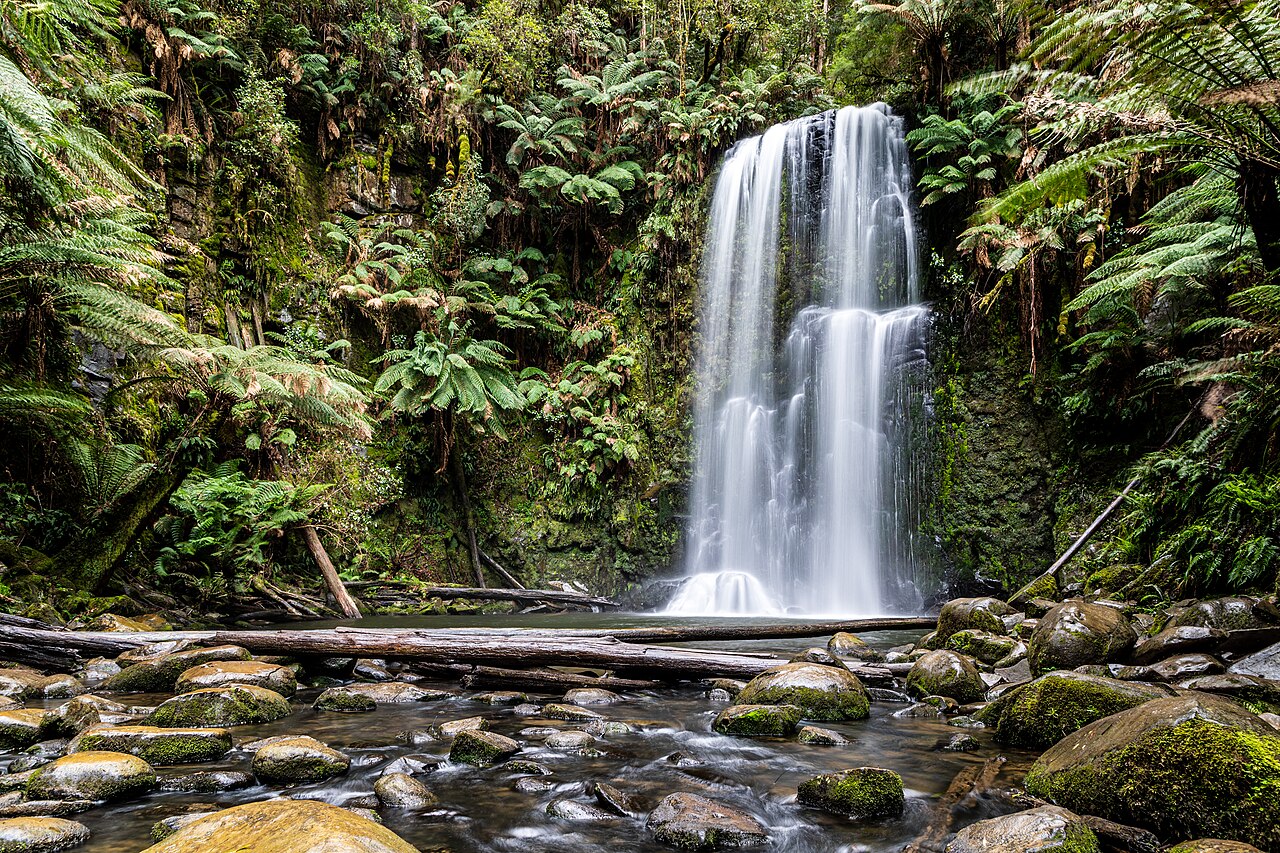
Overview of Biodiversity
Biodiversity refers to the variation in living forms and can be measured through species richness, functional variety, evenness, or genetic diversity [1][2]. This variety exists within species, between species, and across ecosystems [2]. The concept serves as a foundation for understanding life's complexity on Earth.
Levels of Biological Organization
Biodiversity operates across multiple levels: genetic diversity within populations, species diversity within communities, and ecosystem diversity across landscapes [2]. Each level contributes to the overall resilience and function of natural systems.
Measurement Approaches
Scientists quantify biodiversity using several metrics. Species richness counts the number of species in a given area, while evenness measures how evenly individuals are distributed among those species [1][2]. Functional diversity assesses the range of roles species play in ecosystems, and genetic diversity tracks variation within a single species.
No filler sentence added.
Species Richness as a Primary Metric
Species richness defines the count of species present in a specific area or region [2]. It remains the most commonly used measure when assessing biodiversity variety across habitats, from tropical forests to desert ecosystems.
Factors Influencing Richness
Geographic area, climate stability, and habitat complexity consistently correlate with higher species richness. Larger areas and more stable, structurally complex environments tend to support greater numbers of species [1][2].
Limitations of Richness-Only Assessment
Species richness alone does not capture how evenly individuals are distributed (evenness) or the functional roles species play. A community with many rare species may have the same richness as one with few abundant species, but very different ecological functions [1].
No filler sentence added.
Genetic Diversity Within Species
Biodiversity encompasses the genetic variety within each species, which provides the raw material for adaptation and evolution [2]. Genetic diversity enables populations to withstand environmental changes, resist diseases, and maintain reproductive fitness over time.
Mechanisms Maintaining Genetic Variation
Mutation, recombination during sexual reproduction, and gene flow between populations generate and maintain genetic variation. Balancing selection can also preserve multiple alleles within a species [2].
Consequences of Genetic Erosion
Loss of genetic diversity reduces a species' ability to adapt. Historically small or fragmented populations show lower genetic variation, increasing extinction risk [2].
No filler sentence added.
Ecosystem Diversity and Function
Biodiversity includes the variety of ecosystems that species create and modify [2]. Forests, grasslands, wetlands, and coral reefs each represent distinct ecosystem types with unique species compositions and functional processes.
Ecosystem Services
Diverse ecosystems provide services such as pollination, water purification, carbon sequestration, and soil formation. The functional variety of species within these systems underpins these services [1][2].
Interdependence of Ecosystem Types
Ecosystems are not isolated; they exchange energy, matter, and organisms. Wetlands filter runoff from agricultural lands, while forests regulate regional climate. Protecting one ecosystem often requires protecting connected systems [2].
No filler sentence added.
Biodiversity Hotspots
Biodiversity hotspots are a recognized concept in conservation, referenced in both Wikipedia and Mongabay coverage [3][5]. These regions contain exceptionally high concentrations of endemic species while facing significant threats from habitat loss.
Criteria for Designation
Hotspots are identified by two key criteria: they must contain at least 1,500 endemic plant species (more than 0.5% of the world's total) and have lost at least 70% of their original habitat [3]. This dual criterion ensures focus on areas of both high value and high urgency.
Global Distribution
Hotspots are found on every continent, from the Mediterranean Basin to the Western Ghats and Sri Lanka, and from the Atlantic Forest to the Sundaland region. Their geographic spread reflects the global nature of biodiversity loss [3].
No filler sentence added.
Conservation News and Current Efforts
Mongabay features conservation news on biodiversity, including recent articles on marine biodiversity conferences, endangered species protection, and ecosystem restoration efforts [5]. These reports highlight ongoing global initiatives to address biodiversity loss.
Marine Biodiversity Conferences
Recent coverage includes international conferences focused on marine biodiversity, where scientists and policymakers discuss strategies for protecting ocean ecosystems and the species they support [5].
Endangered Species Protection
News coverage emphasizes efforts to protect endangered species through habitat preservation, anti-poaching measures, and captive breeding programs. These actions aim to prevent further declines in species populations [5].
No filler sentence added.
Ecosystem Restoration Efforts
Ecosystem restoration is a key component of biodiversity conservation, as reported in Mongabay coverage [5]. Restoration projects aim to recover degraded habitats, reintroduce native species, and restore ecosystem functions.
Restoration Strategies
Strategies include reforestation, wetland reconstruction, and coral reef rehabilitation. Each approach targets specific ecosystem types and the species they support [5].
Challenges in Restoration
Restoration faces challenges such as climate change, invasive species, and limited funding. Success depends on long-term commitment and integration with broader conservation goals [5].
No filler sentence added.
Functional Diversity and Ecosystem Resilience
Functional variety of species is one of the ways biodiversity can be measured [1]. This metric focuses on the roles species play in ecosystems, such as predation, pollination, or decomposition.
Why Functional Diversity Matters
Ecosystems with high functional diversity are often more resilient to disturbances. If multiple species perform similar functions, the loss of one species may not disrupt ecosystem processes [1].
Linking Function to Richness
Functional diversity and species richness are related but distinct. A community may have high richness but low functional diversity if many species perform similar roles. Conservation strategies should consider both metrics [1][2].
No filler sentence added.
Evenness of Species Distribution
Evenness of species distribution is another way to measure biodiversity, alongside species richness, functional variety, and genetic diversity [1]. Evenness describes how uniformly individuals are distributed among species in a community.
Measuring Evenness
High evenness indicates that no single species dominates the community, while low evenness suggests dominance by one or a few species. This metric complements richness by revealing community structure [1].
Ecological Implications
Communities with high evenness often exhibit greater stability and resistance to invasion by non-native species. Evenness can be affected by environmental changes, competition, and predation [1].
No filler sentence added.
Genetic Diversity and Adaptation
Genetic diversity within each species is a critical component of biodiversity, as noted in Britannica's definition [2]. This genetic variation allows species to adapt to changing environmental conditions.
Sources of Genetic Variation
Genetic variation arises from mutations, recombination, and gene flow. These processes generate new alleles and combinations, providing the raw material for natural selection [2].
Importance for Long-Term Survival
Species with low genetic diversity are more vulnerable to diseases, environmental changes, and inbreeding depression. Maintaining genetic diversity is essential for long-term species survival [2].
No filler sentence added.
Conservation Biology and Biodiversity Protection
Conservation biology is the scientific discipline focused on protecting biodiversity and the ecosystems that support it. It integrates knowledge from ecology, genetics, and environmental science to develop conservation strategies.
Key Conservation Strategies
Strategies include establishing protected areas, restoring degraded habitats, and managing invasive species. These approaches aim to preserve species richness, genetic diversity, and ecosystem function [5].
Role of International Agreements
International agreements, such as the Convention on Biological Diversity, provide frameworks for global cooperation on biodiversity conservation. These agreements set targets for reducing biodiversity loss and promoting sustainable use [3].
No filler sentence added.
Biodiversity Loss and Threats
Biodiversity faces multiple threats, including habitat destruction, climate change, pollution, overexploitation, and invasive species. These threats reduce species richness, genetic diversity, and ecosystem function [5].
Habitat Destruction
Deforestation, urbanization, and agricultural expansion are major drivers of habitat loss. Habitat fragmentation isolates populations, reducing gene flow and increasing extinction risk [5].
Climate Change Impacts
Climate change alters temperature, precipitation, and seasonal patterns, forcing species to shift their ranges or adapt. Species with limited dispersal ability or narrow climatic tolerances are most at risk [5].
No filler sentence added.
The Role of Protected Areas
Protected areas are a key tool for biodiversity conservation, providing refuges for species and ecosystems. They help maintain species richness, genetic diversity, and ecosystem function by limiting human disturbance [5].
Types of Protected Areas
Protected areas range from strict nature reserves to national parks and wildlife sanctuaries. Each type allows different levels of human activity, balancing conservation with sustainable use [5].
Effectiveness and Challenges
Protected areas are most effective when they are large, well-managed, and connected to other protected sites. However, they face challenges such as funding shortages, poaching, and climate change [5].
No filler sentence added.
Global Cooperation and Future Directions
Biodiversity conservation requires global cooperation, as species and ecosystems transcend political boundaries. International organizations, governments, and NGOs collaborate to develop and implement conservation strategies [3][5].
Emerging Research Areas
Research is increasingly focused on the links between biodiversity and human health, climate change, and economic sustainability. Understanding these connections is essential for developing effective conservation policies [1].
Community-Based Conservation
Community-based conservation involves local people in managing natural resources. This approach often leads to more sustainable outcomes by aligning conservation goals with local needs and values [5].
No filler sentence added.