
Geography and Cruise Destination Landscape
The Caribbean is an islands and coastal region surrounded by the Caribbean Sea, a body of water that defines the cruise itineraries of the region [1]. Its position between the Atlantic Ocean and Gulf of Mexico creates diverse sailing conditions and port access patterns that cruise lines map into weekly routes [2]. The largest islands in the Caribbean include Cuba, Hispaniola, Jamaica and Puerto Rico, each offering multiple ports of call that shape regional cruise geography [2]. Most Caribbean countries are islands in the Caribbean Sea, with only a few in inland lakes, meaning the majority of cruise operations are confined to sea lanes between archipelagic states [2]. This island geography concentrates passenger movement into relatively short sea passages, allowing cruise ships to visit multiple nations in a single voyage while maintaining relatively short transit times between ports [1][2].
Island Nations and Territorial Diversity
The Caribbean region includes island nations and territories such as Antigua and Barbuda, The Bahamas, Barbados, Belize, Colombia, Cuba, Dominica, Dominican Republic, France (Guadeloupe, Martinique), Grenada, Haiti, Honduras, Jamaica, Saint Kitts and Nevis, Saint Lucia, Saint Vincent and the Grenadines, Trinidad and Tobago, and the United Kingdom overseas territories [2]. Each territory maintains distinct cruise infrastructure, from deep-water ports in The Bahamas to smaller tender ports in the Eastern Caribbean. This diversity means cruise lines must tailor itineraries to port capabilities, draft limits and seasonal weather patterns that vary across the region.
Seasonal Weather and Itinerary Planning
Caribbean cruise itineraries are heavily influenced by Atlantic hurricane season, which officially runs from June through November, prompting cruise lines to adjust routes during peak storm months [2]. The dry season from December through May typically offers calmer seas and higher passenger demand, leading to premium pricing during winter months. Cruise operators monitor weather patterns and adjust weekly sailing schedules accordingly, sometimes repositioning ships to southern Caribbean islands during hurricane season to maintain itinerary continuity.
Historical Development of Cruise Itineraries
The modern Caribbean cruise industry emerged alongside improved maritime navigation and the growth of transatlantic travel in the mid-20th century, though the sources provided do not detail specific founding dates of cruise operations [4][5]. Early Caribbean cruises functioned as luxury extensions of transatlantic crossings, with passengers disembarking for island excursions before continuing to New York or Miami. The expansion of dedicated cruise ports in the 1970s and 1980s shifted the industry toward shorter, loop itineraries focused exclusively on Caribbean island hopping rather than point-to-point transits [4][5].
Growth of Passenger Volumes
Passenger volume growth in the Caribbean cruise sector correlates with the expansion of airport infrastructure on major islands, particularly Jamaica and the Dominican Republic, which became primary entry points for cruise passengers flying into the region [2][4]. The development of all-inclusive resort partnerships on islands such as Puerto Rico and Barbados further integrated cruise disembarkation with land-based tourism, creating bundled travel packages that extended average passenger stays beyond the ship day.
Evolution of Ship Size and Capacity
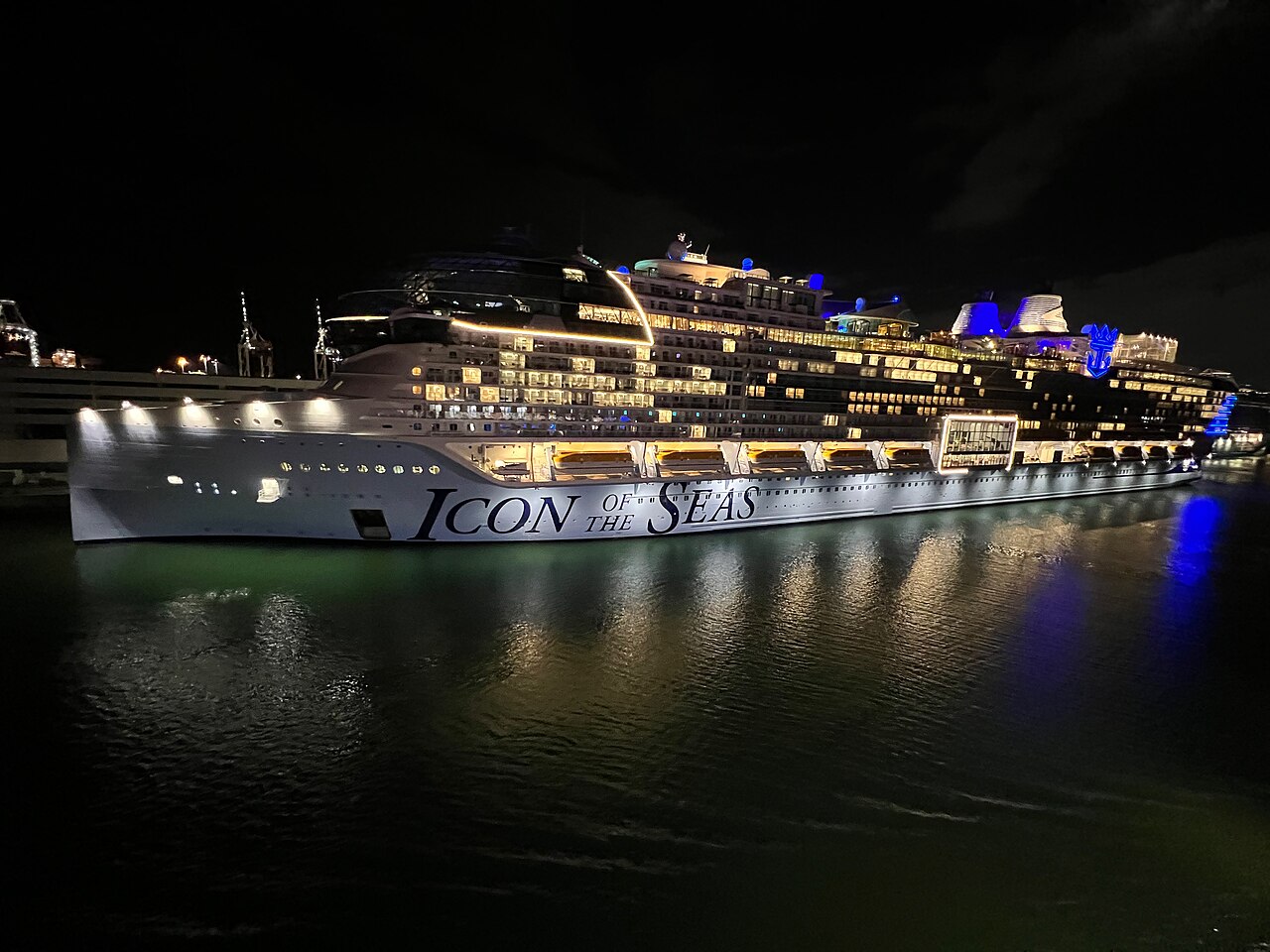
The fleet size of major operators has grown substantially since the industry's early days, with Royal Caribbean among the lines that have expanded vessel capacity to accommodate rising passenger demand [4]. Larger ships require deeper draft ports, which has influenced itinerary design to include only those Caribbean destinations capable of accommodating modern cruise vessel dimensions. This technical constraint has led to a dual-port system where smaller ships serve intimate island ports while larger vessels call at major hub ports.
Major Cruise Lines and Regional Operations
Royal Caribbean is a major cruise line operating in the Caribbean region, offering itineraries that span eastern, western and southern Caribbean routes [4]. The company's presence has shaped competition among cruise operators, each vying for passenger share through private island destinations, themed voyages and varied ship amenities. Royal Caribbean's operational model demonstrates how cruise lines balance ship size, port access and destination variety to maintain market position.
Itinerary Variants and Route Specialization
Caribbean cruise itineraries are typically classified as eastern Caribbean, western Caribbean or southern Caribbean, each offering distinct port combinations. Eastern Caribbean routes frequently include St. Thomas, St. Maarten and Puerto Rico, while western Caribbean itineraries often call at Cozumel, Grand Cayman and Belize. Southern Caribbean routes less frequently visited may include Grenada, Barbados and Trinidad, offering passengers less-traveled island experiences. Cruise lines rotate ships among these route categories based on seasonal demand and port availability.
Private Island Developments
Several cruise lines, including Royal Caribbean, have developed private island destinations in the Caribbean as exclusive passenger amenities [4]. These private islands, often located in the Bahamas or Caribbean Netherlands, allow cruise operators to control passenger experiences, dining options and excursion offerings outside of public port facilities. Private island developments represent a strategic investment by cruise lines to differentiate their offerings and capture additional onboard spending from passengers who might otherwise disembark at public ports.
Economic Impact on Caribbean Nations
Caribbean cruise tourism generates significant revenue for destination nations through passenger spending on excursions, duty-free shopping and local transportation [2]. The economic impact varies by island, with The Bahamas and St. Maarten relying more heavily on cruise passenger fees than larger islands with diversified economies such as Cuba or the Dominican Republic. Port fees, departure taxes and government-to-cruise line agreements shape the financial relationship between destination governments and operating companies.
Employment and Local Business Support
Cruise tourism supports local employment in roles ranging from tour guiding and craft sales to port operations and hospitality services [2]. Small businesses on cruise-call islands often experience revenue spikes during ship turnaround days, creating seasonal employment patterns that align with cruise schedules. The integration of cruise passengers with local economies means that itinerary changes or port closures can have immediate financial effects on communities dependent on tourist spending.
Infrastructure Investment and Port Development
Several Caribbean governments have invested in port infrastructure upgrades to accommodate larger vessels and increase passenger throughput [2]. Deep-water dredging, terminal modernization and security facility improvements are common capital projects funded partly by cruise line partnerships and partly by government tourism budgets. These investments aim to extend the cruise season and attract operators seeking modern facilities, creating a feedback loop between port capacity and ship size growth.
Passenger Experience and Onboard Activities
Caribbean cruise passengers typically experience a mix of ship-based entertainment and island shore excursions, with itinerary design determining the balance between sea days and port time [4][5]. Onboard activities often feature tropical themes, regional cuisine tastings and entertainment reflecting Caribbean culture, even as ships sail between distant islands. The duration of port visits, typically six to eight hours, shapes the type of excursions offered, from beach relaxation to historical site tours and adventure activities such as zip-lining or snorkeling.
Shore Excursion Economies
Shore excursions represent a significant portion of cruise passenger spending, with local operators in each port offering packaged tours, independent rentals and themed experiences [2]. The quality and safety of excursions vary by island and operator, prompting cruise lines to vet partners and sometimes offer their own branded excursion programs. Passenger reviews of shore experiences frequently influence future itinerary choices and cruise line reputation within the travel community.
Accessibility and Mobility Considerations
Passenger mobility needs vary widely, and Caribbean ports differ in their accessibility features [2][4]. Some modern terminals offer ramp access and tender-free boarding, while older port facilities may require tender transfers from ship to shore via small boats. Passengers with mobility considerations are advised to verify port accessibility before booking, as gangway conditions and tender operations can affect the ease of shore exploration.
Safety, Regulation and Maritime Operations
Caribbean cruise operations are subject to international maritime regulations, including safety standards set by the International Maritime Organization and flag state requirements [4]. Vessel safety drills, emergency preparedness and crew training are mandatory components of each sailing, with specific protocols for man-overboard situations, fire response and medical emergency handling. The Caribbean's varied sea conditions, from calm sheltered waters to open Atlantic crossings, influence the frequency and type of safety drills conducted during each voyage.
Environmental Regulations and Waste Management
Cruise ships operating in the Caribbean must comply with environmental regulations governing wastewater discharge, air emissions and solid waste handling [4]. The Caribbean Sea's enclosed nature means that pollution from vessels can have concentrated local effects, prompting stricter enforcement in certain jurisdictions. Many operators have invested in advanced wastewater treatment systems and exhaust gas cleaning technologies to reduce environmental impact, though compliance monitoring and enforcement vary across the region's different flag states and port authorities.
Maritime Rescue and Emergency Response
Maritime rescue operations in the Caribbean are coordinated through regional authorities and international maritime organizations, with incidents such as the 2026 rescue of a cruise ship pianist after nine hours treading water highlighting the importance of emergency response capabilities [3][5]. The vastness of the Caribbean Sea and the distance between some island ports mean that rescue vessels may require significant transit time, making shipboard emergency preparedness and communication systems critical. Coordination between coast guards, naval forces and commercial vessels forms the backbone of regional maritime safety infrastructure.
Market Trends and Future Outlook
The Caribbean cruise market continues to evolve with trends toward longer voyages, expedition-style cruising and increased focus on sustainable tourism practices [4][5]. Operators are exploring new itineraries that include less-visited islands and private destinations, while also responding to consumer demand for immersive cultural experiences rather than typical beach-focused port visits. The post-pandemic recovery period has seen renewed passenger interest, though operating costs, crew availability and geopolitical factors shape the pace of industry recovery.
Technology Integration and Booking Platforms
Cruise lines have integrated technology into the passenger experience, from mobile apps for onboard spending and excursion booking to virtual shore excursion previews [4][5]. These digital tools allow passengers to plan their island time before departure and modify plans in real-time based on weather or personal preferences. The rise of direct-to-consumer booking platforms has also changed how travelers compare Caribbean cruise options, with price transparency and review accessibility influencing purchasing decisions.
Sustainability Initiatives and Consumer Expectations
Growing consumer awareness of environmental impact has prompted cruise operators to highlight sustainability initiatives, including reduced single-use plastics, carbon offset programs and partnerships with Caribbean conservation organizations [4][5]. Some passengers now consider environmental policy among their booking criteria, prompting lines to publish more detailed environmental impact data. The balance between industry growth and marine ecosystem protection remains an ongoing discussion among operators, destination governments and environmental advocacy groups.
Cultural Integration and Regional Identity
Caribbean cruise tourism intersects with regional culture through food, music and language exposure, as passengers experience island traditions during short port visits [2][4]. Local vendors, performers and tour guides often showcase regional specialties, from jerk seasoning in Jamaica to rums tasting in Barbados. This cultural exchange, even within limited time frames, contributes to passenger perceptions of the Caribbean and can influence future travel choices beyond cruise vacations.
Festival Alignment and Event-Based Cruising
Some Caribbean cruises are timed to coincide with local festivals and cultural events, such as Carnival in Trinidad and Tobago or jazz festivals in Martinique [2][4]. These event-aligned itineraries offer passengers a concentrated cultural experience but may limit port choices to those hosting compatible events during the sailing window. Cruise lines coordinate with local festival committees to manage passenger flow and ensure that event attendance does not overwhelm local infrastructure.
Language and Communication Patterns
The multilingual nature of the Caribbean, with English, Spanish, French and Dutch widely spoken across different islands, creates communication patterns that cruise staff and shore operators navigate daily [2]. Multilingual crew members and translated excursion materials help bridge language gaps for passengers, while local staff often switch between languages to serve both tourists and residents. This linguistic diversity is both a cultural asset and an operational consideration for cruise lines managing international itineraries.