
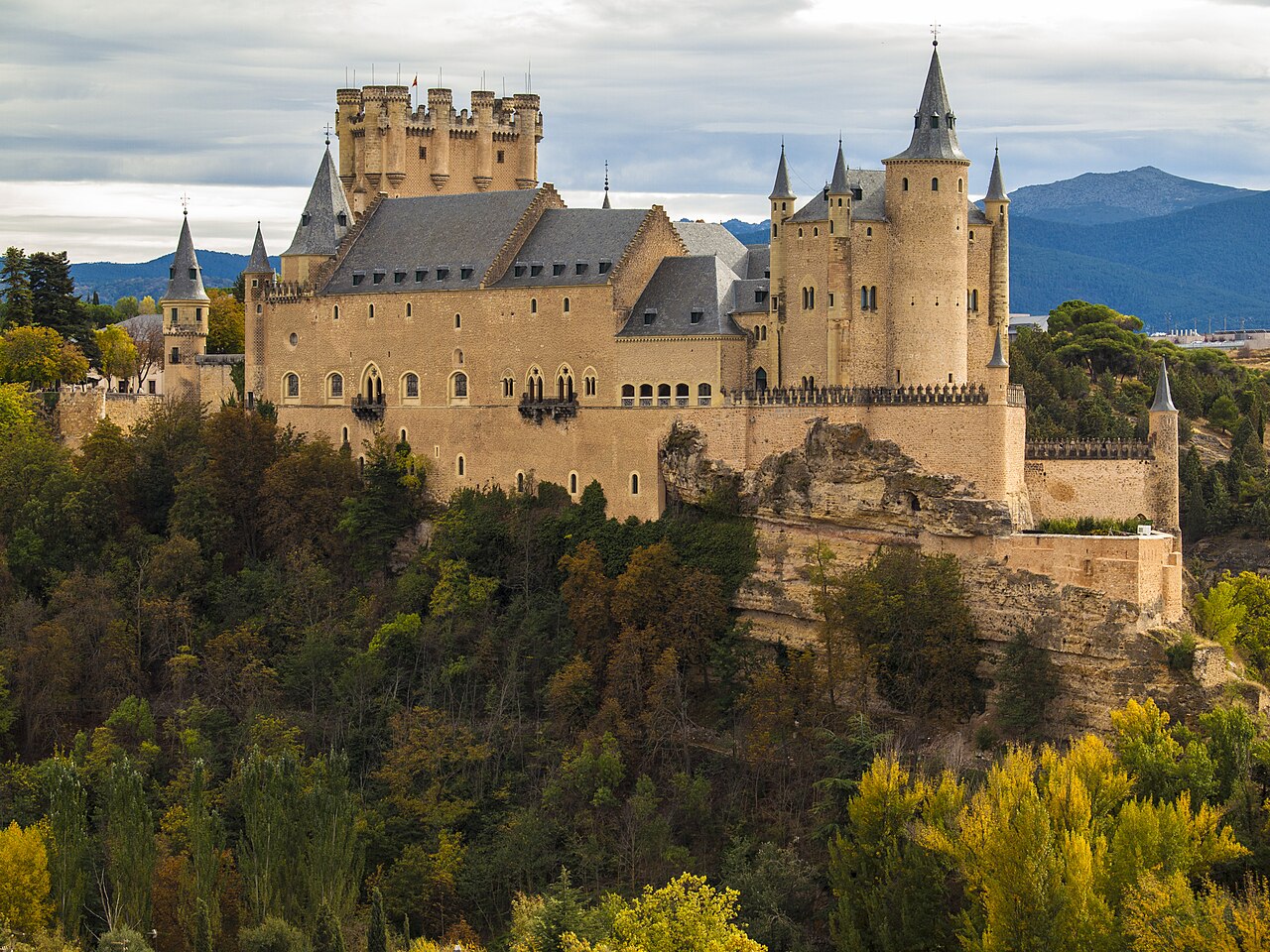
Overview of Castles as Medieval Fortified Residences
A castle is defined as a type of fortified structure built during the Middle Ages predominantly by the nobility or royalty and by military orders [1]. Unlike a mansion, palace, or villa, scholars consider a castle the private fortified residence of a lord or noble, serving both as a home and a defensive stronghold [1]. This dual function of habitation and defense distinguishes castles from other grand buildings of the period.
Architectural Purpose and Social Status
The architectural design of a castle reflected the social status of its owner. Fortifications such as thick walls, towers, and gatehouses were not merely ornamental; they provided protection against raids and asserted the lord's authority over the surrounding landscape [1]. The presence of a castle in a region signaled the influence of its owner and served as a center of local administration.
Geographical Distribution
Castles were constructed across Europe and the Middle East, adapting to local terrain and warfare tactics. In England, examples like Bodiam Castle in East Sussex, built in 1385, were surrounded by water-filled moats, highlighting the adaptation to local geography [1]. In Spain, the Alcázar of Segovia, dating back to the early 12th century, is one of the most distinctive castles in Europe, perched on a rocky crag [1].
Ownership of a castle was typically limited to the nobility or military orders who had the resources to build and maintain these substantial structures. The castle functioned as the seat of a lord's power, where he could administer justice, host guests, and maintain a garrison [1].
Early Development and the Norman Influence
The Motte-and-Bailey Phase
The earliest castles in Europe were often motte-and-bailey structures, consisting of a wooden keep on an earthen mound (the motte) surrounded by a bailey courtyard [1]. This design allowed for rapid construction and provided a strategic vantage point over the surrounding countryside.
Transition to Stone Keep Castles
By the 12th century, the transition from timber to stone construction became prevalent, resulting in the more durable stone keep castles. This shift improved defensive capabilities and allowed for more complex architectural features such as thicker walls and larger towers [1]. The Alcázar of Segovia, with its stone construction dating to the early 12th century, exemplifies this transition [1].
The stone keep design offered better resistance to fire and siege engines, making it the dominant castle type for several centuries. This architectural evolution reflected changes in warfare and the increasing importance of permanent fortifications.
Regional Variations
Different regions developed distinct castle styles based on local materials and threat patterns. In East Sussex, Bodiam Castle's moat was a response to the flat terrain and the need to control water approaches [1]. In contrast, Spanish castles often incorporated towers and walls that adapted to mountainous landscapes [1].
Key Features of Medieval Castles
Defensive Structures
Castles were designed with a variety of defensive features to withstand sieges. These included curtain walls, gatehouses, murder holes, and arrow slits [1]. The moat, as seen at Bodiam Castle, was a common feature that forced attackers to cross under fire [1].
Residential Quarters
Despite their martial purpose, castles contained private living quarters for the lord and his family. These ranged from simple chambers to elaborate suites with fireplaces and windows [1]. The integration of residential space within the fortified complex meant that the castle was both a home and a stronghold.
Great Halls and Great Chambers
The great hall was the central room of a castle, used for dining, meetings, and entertainment [1]. Adjacent to the great hall were the great chambers, private bedrooms for the lord and lady [1]. These spaces reflect the dual nature of the castle as both a administrative center and a private residence.
The layout of these rooms often followed a specific sequence, with the great hall serving as the public face of the castle and the great chambers providing private retreat. This spatial organization reinforced the social hierarchy within the castle walls.
The Television Series "Castle"
Series Premise and Creation
Castle is an American crime mystery comedy-drama television series that aired on ABC from 2009 to 2016 [2]. The series was created by Andrew W. Marlowe and starred Nathan Fillion as Richard Castle, a famous mystery novelist, and Stana Katic as Detective Kate Beckett [2].
Character Dynamics
The premise paired a wealthy mystery writer with a serious police detective, creating a partnership that blended investigative work with personal chemistry [2]. Richard Castle used his fictional expertise to help solve real crimes, while Detective Beckett navigated the procedural aspects of police work.
Cast and Production
The series regular cast included Nathan Fillion, Stana Katic, Susan Sullivan, and Jon Huertas [2]. The show ran for 8 seasons with a total of 173 episodes [2], establishing itself as a long-running series in the crime drama genre.
The chemistry between the lead actors was a central element of the series' appeal, with their characters' relationship evolving from professional partners to romantic interests over the course of the series.
Narrative Arc and Storytelling
Case-of-the-Week Format
Each episode typically featured a standalone mystery that Castle and Beckett would investigate, following a procedural format common to crime dramas [2]. The cases ranged from high-profile murders to complex conspiracies, allowing for varied storytelling within the series structure.
Overarching Character Development
Beyond the weekly cases, the series developed long-term arcs focusing on the personal lives and professional growth of the main characters [2]. The evolution of Richard Castle from a celebrity novelist to a more grounded partner in detective work was a significant thread throughout the series.
Genre Blending
Castle blended elements of mystery, comedy, and drama, creating a tone that appealed to a broad audience [2]. The comedic elements often arose from Castle's celebrity status and unconventional methods, while the dramatic elements came from the personal stakes involved in the investigations.
This genre blending was a hallmark of the series, distinguishing it from more straightforward police procedurals and allowing for lighter moments amidst the crime-solving.
Series Finale and Intended Conclusion
Original Planned Ending
The series finale of Castle was originally planned as a cliffhanger with Beckett and Castle being attacked and gunned down in their home [5]. This ending was intended to set up a potential Season 9, creating suspense and leaving the audience with a dramatic hook.
Series Cancellation Impact
Due to the show not being renewed for a ninth season, the creators added a final scene to wrap up the story smoothly [5]. This adjustment meant that the intended cliffhanger resolution did not air, altering the planned narrative trajectory.
Fan Reception of the Ending
The change in the finale's approach left some fans feeling the ending was disconnected from previous seasons [5]. The abrupt shift from a planned cliffhanger to a wrapping scene meant that some character arcs felt unresolved, and the intended setup for future episodes was lost.
Despite the mixed reception regarding the finale's execution, the series concluded with the main characters' stories provided some closure, even if it differed from the originally intended dramatic conclusion.
Cultural Impact and Legacy
Genre Influence
Castle contributed to the popularity of the mystery-comedy-drama hybrid format on network television [2]. Its success demonstrated audience appetite for series that combined procedural elements with strong character chemistry and lighter tonal moments.
Lead Actor's Career
Nathan Fillion's role as Richard Castle became one of his most prominent television roles, further establishing his presence in the genre [2]. The series ran for eight seasons, providing significant exposure and solidifying his status as a leading man in network television.
Series Longevity
Running for 8 seasons and 173 episodes, Castle ranks as one of the longer-running crime dramas of its era on ABC [2]. This longevity indicates a sustained audience interest and the series' ability to maintain viewership over multiple years.
The series' legacy continues through syndication and streaming platforms, allowing new audiences to discover the show's blend of mystery and character-driven storytelling.
Comparative Analysis: Medieval vs. Modern
Purpose and Function
While medieval castles served as fortified residences for nobility and military orders, protecting land and people [1], the modern television series "Castle" serves as entertainment exploring crime and character relationships [2]. The fundamental purpose has shifted from defense and governance to storytelling and audience engagement.
Construction and Production
The construction of a medieval castle required significant resources, labor, and time, often taking years or decades to complete [1]. In contrast, producing a television series involves a different set of resources, including writing, casting, and filming schedules that span months per season [2].
Endurance and Memory
Medieval castles like the Alcázar of Segovia and Bodiam Castle have endured for centuries, standing as physical remnants of the Middle Ages [1]. The television series "Castle" has endured in the form of reruns and streaming, keeping its story and characters accessible to viewers long after its original run [2].
Both forms of "castles" represent their respective eras' values: the medieval fortress represented power, defense, and social order, while the modern series represents entertainment, narrative complexity, and cultural trends of the late 2000s and early 2010s.
Architectural Significance of Specific Castles
Alcázar of Segovia
The Alcázar of Segovia, dating back to the early 12th century, is one of the most distinctive castles in Europe [1]. Its location on a rocky crag and unique silhouette have made it an iconic example of medieval fortification. The castle's design reflects the transition from earlier wooden structures to the stone keep style, showcasing the architectural evolution of the period [1].
Bodiam Castle
Bodiam Castle in East Sussex, England, built in 1385, is surrounded by a water-filled moat [1]. This feature is particularly notable as it demonstrates the adaptation of castle design to the flat terrain of Southeast England, where water defenses were particularly effective [1]. The moat not only provided a physical barrier but also served as a status symbol and a means of controlling access to the castle.
Both the Alcázar of Segovia and Bodiam Castle illustrate the diversity of castle architecture across Europe, with variations in location, materials, and defensive features responding to local conditions and military needs [1].
Evolution of Castle Design Through the Ages
Early Medieval Fortifications
The earliest castles were often simple wooden structures, such as the motte-and-bailey design, which provided quick defensive capabilities [1]. These early fortifications laid the groundwork for the more complex stone castles that would follow, as the need for permanent, durable defenses grew [1].
High Medieval Peak
During the high Middle Ages, castle design reached a peak with the development of complex concentric walls, towering keeps, and sophisticated gatehouse arrangements [1]. This period saw the construction of some of the most famous castles in Europe, reflecting the height of medieval military architecture.
Late Medieval and Renaissance Adaptations
As warfare technology advanced, castle design had to adapt, incorporating thicker walls, artillery fortifications, and eventually declining in military importance as gunpowder weapons rendered many traditional features obsolete [1]. The transition from castle to palace or manor house occurred as the noble class shifted focus from defense to comfort and prestige.
This evolution reflects broader historical changes in society, technology, and the role of the nobility, with the castle transforming from a primary site of military power to a symbol of historical heritage.
Reception and Cultural Significance of the TV Series
Audience Ratings and Run
Castle achieved solid audience ratings during its run on ABC, lasting 8 seasons from 2009 to 2016 [2]. The series' ability to maintain a consistent viewership over such a period is notable in the competitive landscape of network television.
Critical Response
Critics often praised the chemistry between the lead actors Nathan Fillion and Stana Katic, which was a driving force of the series' appeal [2]. The show's blend of mystery, comedy, and drama was noted as a successful formula that set it apart from more serious procedural dramas.
Fan Community and Fandom
The series developed a dedicated fan community who engaged with the show's character relationships, particularly the will-they-won't-they dynamic between Richard Castle and Kate Beckett [2]. This fan engagement contributed to the series' longevity and cultural presence beyond its original broadcast.
The fan community's reaction to the series finale highlighted the emotional investment viewers had in the characters and their relationships, demonstrating the show's impact on its audience.
Production Details and Broadcast History
Network and Time Slot
Castle aired on ABC, a major American television network, typically in a time slot that accommodated its mix of mystery and comedy [2]. The network's support allowed for the series' eight-season run, providing a stable platform for the show's production and broadcast.
Episode Count and Structure
The series produced a total of 173 episodes across 8 seasons [2]. This episode count places it among the more substantial runs of its genre on the network, allowing for extensive character development and numerous mystery cases.
Creators and Executive Production
The series was created by Andrew W. Marlowe, who served as an executive producer and showrunner throughout its run [2]. The creator's vision for the series, blending a mystery writer protagonist with a detective protagonist, was central to the show's identity and longevity.
Marlowe's involvement ensured that the series maintained its core premise and tone across multiple seasons, navigating the challenges of keeping a long-running series fresh and engaging.
Comparative Context with Other Crime Dramas
Network Crime Drama Landscape
Castle occupied a specific niche in the network crime drama landscape, blending the procedural format with romantic and comedic elements [2]. Compared to more serious procedurals like "CSI" or "Law & Order," Castle offered a lighter tone and a unique protagonist in the form of the novelist Richard Castle.
Protagonist Archetypes
The series featured a novelist protagonist, Richard Castle, which was a departure from the typical law enforcement or forensic expert leads common in the genre [2]. This choice allowed for creative storytelling opportunities, as Castle's fictional expertise often intersected with the real-world police work of Detective Beckett.
Longevity and Syndication
With 173 episodes over 8 seasons, Castle's length places it in the upper tier of network crime dramas [2]. This extensive episode count has facilitated its continued presence in syndication and on streaming platforms, extending its reach beyond its original broadcast window.
The series' ability to sustain audience interest over such a long run speaks to its successful formula and the strength of its central characters.
Ending Analysis and Unproduced Storylines
Intended Season 9 Setup
The originally planned series finale was designed as a cliffhanger, with Beckett and Castle being attacked and gunned down in their home [5]. This ending was intended to set up a potential ninth season, creating immediate suspense and providing a dramatic hook for new storylines.
Final Scene Adjustments
Because the show was not renewed for a ninth season, the creators filmed an additional final scene to wrap up the story smoothly [5]. This adjustment meant that the intended dramatic cliffhanger was replaced with a more conclusive, though perhaps less suspenseful, ending.
Fan and Critical Reflection
The difference between the planned and actual finale sparked discussion among fans and critics about the nature of series endings and the impact of cancellation on narrative integrity [5]. Some felt the rushed wrap-up did not do justice to the character development of the preceding seasons, while others appreciated the closure provided.
This situation is not unique to Castle; many series have faced similar challenges when canceled before their intended conclusion, highlighting the delicate balance between creator vision and network decisions.