
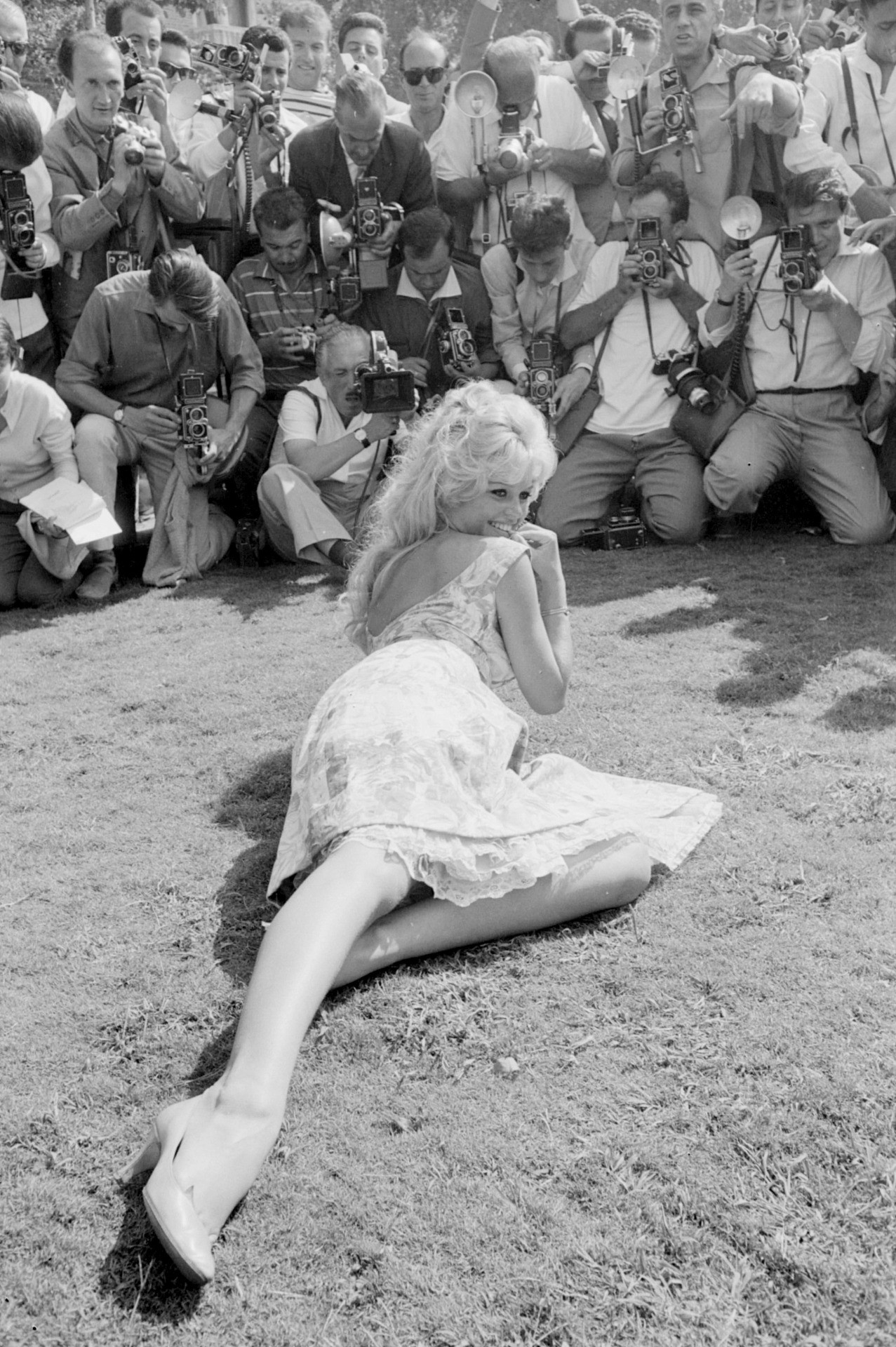
Defining Celebrity and Its Media Roots
Celebrity is a condition of fame and broad public recognition generated by mass media attention [1]. While the term implies a favorable public image, it distinguishes itself from neutral labels like "famous" or "notable" and negative counterparts such as "infamous" and "notorious" [1]. Greg Jenner's 2020 analysis frames celebrity as a unique persona made widely known through media coverage, whose life becomes dramatic entertainment and whose commercial brand generates profit for exploiters [1]. This definition shifts focus from mere recognition to the industrial exploitation of personal life.
Pathways to Celebrity Status
Individuals may attain celebrity status through diverse routes: accumulated great wealth, participation in sports or the entertainment industry, holding political office, or through association with an already-famous person [1]. Each pathway leverages different public interests and media mechanisms to achieve widespread recognition.
The Mechanics of Media-Mediated Fame
The word "celebrity" carries connotations of favorable public image that neutral terms lack [1]. This affective dimension means celebrity functions as a cultural signal of social desirability rather than neutral notoriety. The commercial dimension is explicit: entrepreneurship and endorsements are common ways celebrities profit from their popularity [1].
The temporal dynamics of fame receive brief attention in celebrity studies. Jenner's "fifteen minutes of fame" concept acknowledges the fleeting nature of mediated recognition [1], though the structural conditions that produce sustained versus transient celebrity remain subject to ongoing scholarly investigation.
Historical Evolution of Celebrity Culture
Pre-Media and Early Mass Media Periods
Before electronic mass media, fame was localized and limited to those known within specific communities or through patronage systems. The emergence of newspapers and later magazines created the first mass-mediated celebrity figures, though their reach remained constrained by distribution logistics.
The Golden Age of Hollywood and Beyond
The studio system of Hollywood's golden age engineered celebrity through controlled publicity machinery, creating carefully curated public personas for actors under exclusive contracts. This model established the template for modern celebrity manufacturing, where talent agencies and publicists shape narratives to maximize marketability.
Television Reality and the Democratization of Fame
The late twentieth century witnessed television reality formats that lowered barriers to entry for celebrity status. Contestants could achieve recognition through exposure rather than pre-existing talent or achievement, expanding the celebrity pool beyond traditional entertainment and sports elites.
The internet's role in transforming celebrity culture represents the most significant shift since the mass media era. Digital platforms alter both the production and consumption of celebrity, enabling direct artist-audience relationships while simultaneously accelerating the pace of fame cycles.
The Commercialization of Personal Brand
Endorsements and Product Partnerships
Endorsements represent one of the most visible forms of celebrity commercialization [1]. Celebrities lend their public image to products, transferring their favorable reputation to brands in exchange for compensation. This arrangement creates a symbiotic relationship where the brand gains credibility while the celebrity diversifies income streams.
Entrepreneurial Ventures and Business Expansion
Entrepreneurship is another common way celebrities profit from their popularity [1]. Many transform their fame into business ventures ranging from fashion lines to technology startups. This entrepreneurial activity extends their brand beyond entertainment, creating multiple revenue channels that reduce dependence on primary career income.
The Profit Extraction Mechanism
Jenner's definition emphasizes that celebrity's commercial brand is made profitable for those who exploit their popularity [1]. This framing highlights the structural inequality inherent in celebrity economics, where intermediaries including agencies, studios, and brands capture substantial portions of the value generated by the celebrity's public persona.
The commercialization of celebrity creates feedback loops where business success reinforces public recognition, and increased recognition expands commercial opportunities. This cycle perpetuates celebrity status beyond the initial achievement that first attracted media attention.
Media Mechanisms That Create and Sustain Fame
Mass Media Attention as the Primary Engine
Mass media attention is the fundamental mechanism through which celebrity status is achieved and maintained [1]. Without sustained coverage from newspapers, television, and digital platforms, even significant achievements may not translate into broad public recognition. Media gatekeepers determine which individuals receive the attention necessary for celebrity status.
The Role of Dramatic Entertainment
Jenner describes celebrity as a persona whose life is publicly consumed as dramatic entertainment [1]. This characterization reveals how media transforms personal experiences into consumable narrative content. Private moments become public spectacle, creating demand for continuous revelation of personal details that sustains audience engagement.
Digital Platforms and Algorithmic Amplification
Contemporary digital platforms operate on engagement algorithms that reward content generating strong emotional responses. This mechanism favors dramatic, controversial, or highly relatable celebrity content, creating incentives for media coverage that prioritizes spectacle over substance.
The shift from editorial gatekeeping to algorithmic curation has fundamentally altered how celebrity status emerges and persists. Where traditional media could sustain long-term relationships with celebrity figures, digital platforms create rapid cycles of attention that can elevate and diminish fame within days.
The Spectrum of Public Recognition
Favorable vs. Negative Notoriety
The term "celebrity" usually implies a favorable public image, as opposed to the neutrals "famous" or "notable", or the negatives "infamous" and "notorious" [1]. This semantic distinction matters because it affects how institutions and audiences respond to recognized individuals. Favorable celebrity status opens commercial and social opportunities that negative recognition forecloses.
The Boundary Between Fame and Celebrity
Not all famous individuals qualify as celebrities in the strict sense. The favorable image component means that recognition alone is insufficient; the quality of public perception determines whether fame constitutes celebrity. This distinction explains why some highly visible public figures remain "notable" rather than achieving celebrity status.
Context-Dependent Recognition Levels
Celebrity status varies significantly across cultural contexts and demographic groups. An individual may achieve broad recognition in one domain while remaining obscure in another, creating layered celebrity profiles that shift depending on the audience and media environment.
The fluidity of public perception means celebrity status is never static. Media narratives evolve, audience interests shift, and new figures emerge, requiring constant renegotiation of which individuals occupy the celebrity tier at any given moment.
Social and Cultural Implications
Celebrity as Cultural Reference Point
Celebrities function as shared cultural reference points that facilitate social bonding and identity formation. Their public personas provide common ground for conversation and serve as templates for aspirational behavior, creating social cohesion around shared media consumption experiences.
The Democratization and Its Limits
While contemporary media environments appear to offer broader pathways to fame, structural barriers persist. Access to media platforms, economic resources, and social networks continues to concentrate celebrity opportunities among certain demographic groups, limiting true democratization of fame.
Parasocial Relationships and Audience Engagement
The dramatic entertainment aspect of celebrity culture [1] fosters parasocial relationships where audiences develop one-sided emotional bonds with media figures. These relationships drive sustained engagement and create economic value through merchandise, subscriptions, and event attendance.
The cultural weight of celebrity extends beyond entertainment into politics, social movements, and public discourse. Celebrities' public statements carry amplified influence precisely because their favorable image [1] lends credibility to their positions, making them powerful agents of social change or controversy.
The Fifteen Minutes of Fame Paradigm
Origins and Popular Understanding
The concept of "fifteen minutes of fame" is associated with celebrity culture [1]. This phrase captures the perception that contemporary media environments grant brief, intense periods of recognition to individuals who might otherwise remain unknown. The temporal specificity of "fifteen minutes" reflects the rapid pace of digital attention cycles.
Transient vs. Sustained Celebrity Status
Not all media attention produces lasting celebrity. The fifteen minutes of fame paradigm suggests that many individuals experience brief recognition without achieving the sustained public profile that characterizes established celebrity. This distinction matters for understanding the distribution of fame across populations.
Economic Implications of Fleeting Fame
Transient fame creates unique economic challenges for individuals who experience brief media attention. Without the sustained public profile necessary for long-term commercial partnerships [1], these individuals may struggle to convert their momentary recognition into durable income streams.
The fifteen minutes of fame concept also reflects broader anxieties about attention economics in digital environments. As media content proliferates, the half-life of any single moment of recognition shortens, making sustained celebrity status increasingly difficult to achieve and maintain.
Celebrity and Political Engagement
Political Figures as Celebrities
Position as a political figure is one pathway to celebrity status [1]. Political leaders who achieve broad media attention may transcend their official roles to become cultural celebrities, with their personal lives and public statements receiving coverage comparable to entertainment figures.
The Celebrity-Political Crossover
Entertainment celebrities who enter politics bring their existing public profiles into the political arena. This crossover creates unique dynamics where favorable celebrity image [1] can enhance political credibility while also introducing entertainment industry dynamics into governance.
Media Coverage of Political Celebrity
Mass media attention [1] to political figures often follows patterns similar to entertainment coverage, focusing on personal drama, public appearances, and interpersonal relationships rather than policy substance. This media framing shapes public understanding of political leadership.
The intersection of celebrity and politics raises questions about democratic representation and public discourse. When political leadership becomes celebrity performance, the criteria for evaluating leaders may shift from policy competence to personal charisma and media presence.
Sports and Athletic Celebrity
Athletic Achievement as Fame Pathway
Participation in sports is a recognized pathway to celebrity status [1]. Athletic excellence generates broad public interest that transcends the sport itself, creating celebrities whose fame extends beyond their specific discipline to encompass their personal brand.
The Commercialization of Athletic Fame
Sports celebrities frequently leverage their fame through endorsements and entrepreneurial ventures [1]. This commercial activity extends their public profile beyond game days, creating year-round celebrity presence that sustains media attention and commercial value.
Global Reach of Sports Celebrity
Sports celebrity often achieves more international recognition than entertainment celebrity, as athletic competitions cross cultural and linguistic barriers more easily than narrative media content. This global reach creates different commercial and social dynamics than domestically-focused celebrity.
The relationship between athletic performance and celebrity status is complex. While exceptional achievement generates initial fame, sustained celebrity status often depends on factors beyond performance, including media personality, commercial partnerships, and public image management.
Wealth as a Celebrity Pathway
Great Wealth and Public Recognition
Great wealth is one pathway to celebrity status [1]. Individuals who accumulate significant financial resources may achieve public recognition independent of traditional entertainment, sports, or political pathways. Their economic success itself becomes a subject of media interest and public fascination.
The Visibility of Wealth
Wealth-based celebrity often manifests through conspicuous consumption, philanthropy, and public displays of financial success. These visible markers of wealth generate media coverage that sustains public recognition, creating a feedback loop between economic status and media attention.
Distinguishing Wealth from Celebrity
Not all wealthy individuals achieve celebrity status. The favorable public image component [1] means that wealth alone is insufficient; the manner in which wealth is displayed and the narrative surrounding it determine whether economic success translates into celebrity recognition.
The relationship between wealth and celebrity reflects broader cultural attitudes toward economic inequality. Media coverage of wealthy individuals often emphasizes their lifestyle choices, creating narratives that shape public perceptions of both the wealthy and the economic systems that produce their success.
The Future of Celebrity in Digital Environments
Platform Dynamics and Attention Economics
Digital platforms operate on engagement metrics that reward content generating strong emotional responses. This mechanism favors dramatic, controversial, or highly relatable celebrity content [1], creating incentives for media coverage that prioritizes spectacle over substance and accelerates fame cycles.
Direct Artist-Audience Relationships
Social media enables direct communication between celebrities and their audiences, bypassing traditional media gatekeepers. This direct relationship creates new commercial opportunities but also increases the vulnerability of celebrity personas to public scrutiny and criticism.
The Acceleration of Fame Cycles
The rapid pace of digital content consumption means that celebrity status can rise and fall within days rather than months. This acceleration creates economic instability for individuals whose income depends on sustained media attention and commercial partnerships.
The future of celebrity will likely involve continued fragmentation across platforms and demographic segments. Rather than a single tier of mass celebrity, multiple parallel celebrity ecosystems may emerge, each with its own recognition dynamics and commercial structures.
Celebrity and Social Media Influencers
The Blurring of Celebrity and Influencer
The boundary between traditional celebrity and social media influencer has become increasingly porous. Influencers achieve public recognition through consistent content creation rather than through the traditional pathways of entertainment, sports, or politics [1], creating a new category of media-mediated fame.
Commercial Models for Influencer Fame
Influencers typically monetize their recognition through brand partnerships, sponsored content, and direct sales to their audience. This commercial model differs from traditional celebrity endorsements [1] by integrating the influencer's personal narrative directly into product promotion.
Audience Engagement Metrics
Unlike traditional celebrity, where fame is measured by media coverage volume, influencer fame is quantified through engagement metrics including likes, shares, comments, and follower counts. This quantitative approach creates new dynamics in how fame is produced and sustained.
The rise of influencer culture reflects broader shifts in media consumption patterns and the democratization of content production. However, the structural barriers to achieving significant reach remain substantial, limiting true accessibility of this fame pathway.