
Overview and Historical Foundations
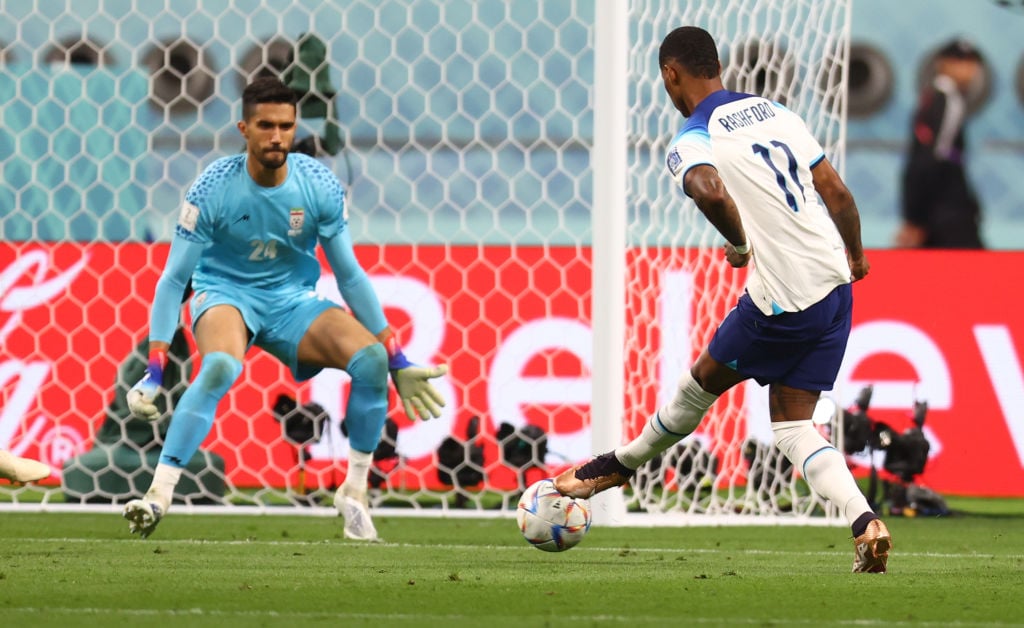
The centre-forward occupies the most advanced central position in a football team's attacking line, playing further up the pitch than midfielders and defenders [1]. This positioning has remained consistent since the early codification of association football tactics, with the traditional shirt number 9 reserved specifically for this role [1]. The primary responsibility of the centre-forward has historically been to score the majority of goals for their team, making them the focal point of any attacking setup [1].
Positioning and Tactical Placement
In modern team formations, the number of centre-forwards typically ranges from one to three, depending on the tactical system employed by the manager [1]. The common 4–2–3–1 formation utilises a single forward, positioning them as the lone striker between the opposing defence and midfield [1]. This central placement allows the player to serve as a reference point around which the entire attacking flow is built [5].
Core Objective and Traditional Duties
The traditional role of a centre-forward centres on scoring goals, but the position also provides teammates with a central reference point for build-up play [5]. When a team loses possession, the centre-forward becomes the first defender, responsible for blocking the opposition goalkeeper's short passing options and forcing play toward the sidelines [5]. Hold-up play represents the second major movement skill, involving receiving the ball, shielding it from defenders using the body, and either turning when space opens or laying the ball off to arriving midfielders [5].
Striker versus Centre-Forward Distinctions
In common football language, the terms centre-forward and striker are used interchangeably to describe the most advanced central player in the attacking line [4]. However, at the tactical level, a subtle distinction exists: the label "striker" traditionally emphasises the primary goal-scoring function of the role [4]. This linguistic nuance reflects the evolution of the position from a pure finisher to a more complex tactical component.
Goal-Scoring Responsibilities
The centre-forward's primary mandate remains finding the back of the net, with FIFA Training Centre analysis of the Qatar 2022 tournament revealing that players in the number 9 role scored 58 goals during the competition [5]. This represents an increase from 52 goals at Russia 2018, despite players taking fewer total shots per match, suggesting improved efficiency in the final third [5].
Evolution of the Role in Modern Tactics
The "false 9" represents a distinct tactical variation where the player wearing the number 9 shirt drops significantly deeper into midfield, pulling their marker out of the defensive line and creating space for attacking runners from other positions [4]. This innovation demonstrates how the traditional centre-forward role has adapted to counter defensive schemes while maintaining goal-scoring threat.
Tactical Variations and Formations
Single Forward Systems
The 4–2–3–1 formation exemplifies the single-forward system, where one centre-forward operates alone in attack [1]. This setup requires the forward to contribute across all phases of play, from build-up to defensive pressing, while remaining the primary goal-scoring option [5]. The lone striker must possess both hold-up skills and the ability to make late runs into the box.
Multiple Forward Configurations
Formations employing two or three forwards create different tactical dynamics, with the centre-forward often operating in partnership with a second striker or wide attackers [1]. These systems allow for more distributed goal-scoring opportunities while maintaining a central focal point in the attacking third [5]. The interplay between multiple forwards can stretch opposing defences and create space for penetrating runs.
Pressing Duties and Defensive Contribution
Modern centre-forwards face increased responsibility for pressing when their team loses possession [5]. The player becomes the first defender, tasked with blocking the opposition goalkeeper's short passing options and forcing play toward the sidelines [5]. This defensive contribution has become increasingly important in contemporary tactics, where the centre-forward's press can initiate the team's transition from attack to defence.
The False 9 and Tactical Innovations
Historical Precedents and Modern Usage
The false 9 tactic has roots in earlier tactical experiments but gained prominence in recent decades as managers sought ways to confuse defensive markers [4]. By dropping deep into midfield, the false 9 creates numerical advantages in central areas while maintaining the illusion of a traditional centre-forward position [4]. This tactical innovation forces opposing defenders to make difficult decisions about whether to mark the dropping runner or maintain their defensive shape.
Impact on Goal-Scoring Patterns
The false 9's movement creates space for other attackers, potentially increasing overall team goal-scoring output even if the false 9 themselves scores fewer goals [4]. The tactic redistributes scoring opportunities across the attacking line while maintaining a central point of reference for the team's build-up play [5]. FIFA's tournament data shows that traditional number 9 roles still accounted for the majority of goals, suggesting the false 9 functions as part of a broader tactical system rather than a complete replacement [5].
Player Profile Requirements
Players deployed as false 9s typically possess exceptional technical ability, vision, and passing range in addition to goal-scoring skills [4]. They must be comfortable receiving the ball in tight spaces and making quick decisions about whether to shoot, pass, or continue dropping deep [4]. The role demands high football intelligence and the ability to read the game at an advanced level.
Tournament Performance and Statistical Analysis
Qatar 2022 Goal-Scoring Data
The FIFA Training Centre's analysis of the Qatar 2022 tournament provided valuable insights into centre-forward performance across a major competition [5]. Players in the number 9 role scored 58 goals during the tournament, representing a significant contribution to overall goal output [5]. The data also revealed that these players took fewer total shots per match compared to previous tournaments, indicating improved efficiency in front of goal [5].
Comparative Analysis: Russia 2018 vs Qatar 2022
Comparing tournament data across editions shows interesting trends in centre-forward goal-scoring patterns [5]. The increase from 52 goals at Russia 2018 to 58 at Qatar 2022, despite fewer shots per match, suggests evolving tactical approaches and improved finishing efficiency [5]. This statistical shift may reflect changes in defensive organisation, goalkeeping quality, or the specific attacking systems employed by teams in each tournament.
Efficiency Metrics and Shot Conversion
The relationship between shot volume and goal output provides insight into centre-forward effectiveness [5]. Fewer shots required to produce the same number of goals indicates higher conversion rates, which could result from improved positioning, better decision-making in the box, or enhanced technical skills [5]. Teams may be optimising their attacking play to create higher-quality chances for their forwards.
Technical Skills and Movement Patterns
Hold-Up Play Development
Hold-up play constitutes the second major movement skill for centre-forwards, requiring sophisticated body positioning and timing [5]. The player must receive the ball with their back to goal, shield it from approaching defenders using their body position, and then either turn when space becomes available or lay the ball off to supporting midfielders arriving at pace [5]. This skill is essential for maintaining possession and linking play between defence and attack.
Timing and Positioning
Effective centre-forwards demonstrate exceptional timing in their runs and positioning within the penalty area [5]. The ability to lose markers, find space between defenders, and anticipate cross or through-ball delivery separates elite forwards from average ones [5]. Movement off the ball is often as important as technical ability in the final third.
Aerial Ability and Physical Attributes
Physical attributes such as height, strength, and jumping ability remain important for many centre-forward roles [5]. Aerial prowess enables forwards to win headers from crosses and set-piece situations, while strength helps them hold off defenders during hold-up play [5]. However, modern tactics also value agility, quick acceleration, and technical skill over purely physical attributes.
Strategic Importance and Team Dynamics
Build-Up Play and Offensive Structure
The centre-forward serves as the central reference point around which the team builds its entire attacking flow [5]. All offensive movements radiate from this position, with midfielders and wingers looking to feed the forward or make runs that complement their positioning [5]. The forward's movement and positioning dictate the shape and direction of the team's attacking patterns.
Defensive Transition Responsibilities
When possession is lost, the centre-forward's role transitions to defensive duties [5]. As the first defender, the player must immediately press the opposition, block passing lanes, and work to regain possession [5]. This transitional responsibility requires high work rate and tactical awareness, as the team's defensive structure often depends on the forward's initial press.
Impact on Opposing Defensive Organisations
The presence of a dedicated centre-forward forces opposing defences to allocate specific markers and organisational structures [5]. A traditional number 9 demands double-marking or specialised centre-back pairing, while a false 9 may pull defenders out of position, creating numerical advantages elsewhere [4][5]. This tactical impact extends beyond the forward's individual contributions to affect the entire opposing team's shape and strategy.
Historical Development and Evolution
Early Formations and the 2-3-5 System
The centre-forward position has evolved significantly since the early days of organised football [1][4]. In the classic 2-3-5 formation, two forwards operated at the tip of the attack, with the centre-forward serving as the primary goal-scoring threat [1]. This early tactical system established the centre-forward as the focal point of offensive play, a role that has persisted through various tactical revolutions.
Mid-20th Century Developments
Throughout the mid-20th century, various tactical systems experimented with forward positioning and numbers [1][4]. The WM formation of the 1920s and 1930s shifted focus toward a more balanced approach, while the later 4-2-4 and 4-3-3 systems redefined the centre-forward's responsibilities [1]. These developments reflected broader changes in football philosophy, from defensive solidity to attacking expression.
Late 20th and Early 21st Century Transformations
The late 20th and early 21st centuries witnessed further evolution of the centre-forward role [4][5]. The introduction of the false 9, increased pressing requirements, and the integration of hold-up play as a primary skill reflect the position's adaptation to modern tactical demands [4][5]. Tournament data from major competitions provides concrete evidence of how the role's statistical output and tactical usage have changed over time [5].
Comparative Analysis with Related Positions
Distinction from Second Striker
The centre-forward differs from the second striker in both positioning and primary objectives [4]. While the centre-forward operates as the most advanced central attacker and bears the primary goal-scoring responsibility, the second striker typically operates in the hole between the opposition's midfield and defence, focusing more on creating chances for the central forward [4]. The second striker may contribute goals but generally does not bear the same scoring burden as the designated centre-forward.
Comparison with Wide Forwards
Wide forwards or wingers operate in wider areas of the pitch, focusing on crossing, cutting inside, or providing width to the attack [1]. While they may score goals and contribute to the offensive output, their primary positioning and tactical responsibilities differ from the central centre-forward [1]. The centre-forward's central position and primary goal-scoring mandate set them apart from wide attacking players.
Relationship with Target Forward Concept
The centre-forward role overlaps conceptually with the target forward, a term often used to describe a forward who holds up play and brings others into the attack [5]. However, the centre-forward encompasses a broader range of responsibilities including goal-scoring, pressing, and serving as the primary attacking reference point [5]. Not all centre-forwards emphasise hold-up play equally, but the role's central positioning remains constant regardless of specific skill set.