
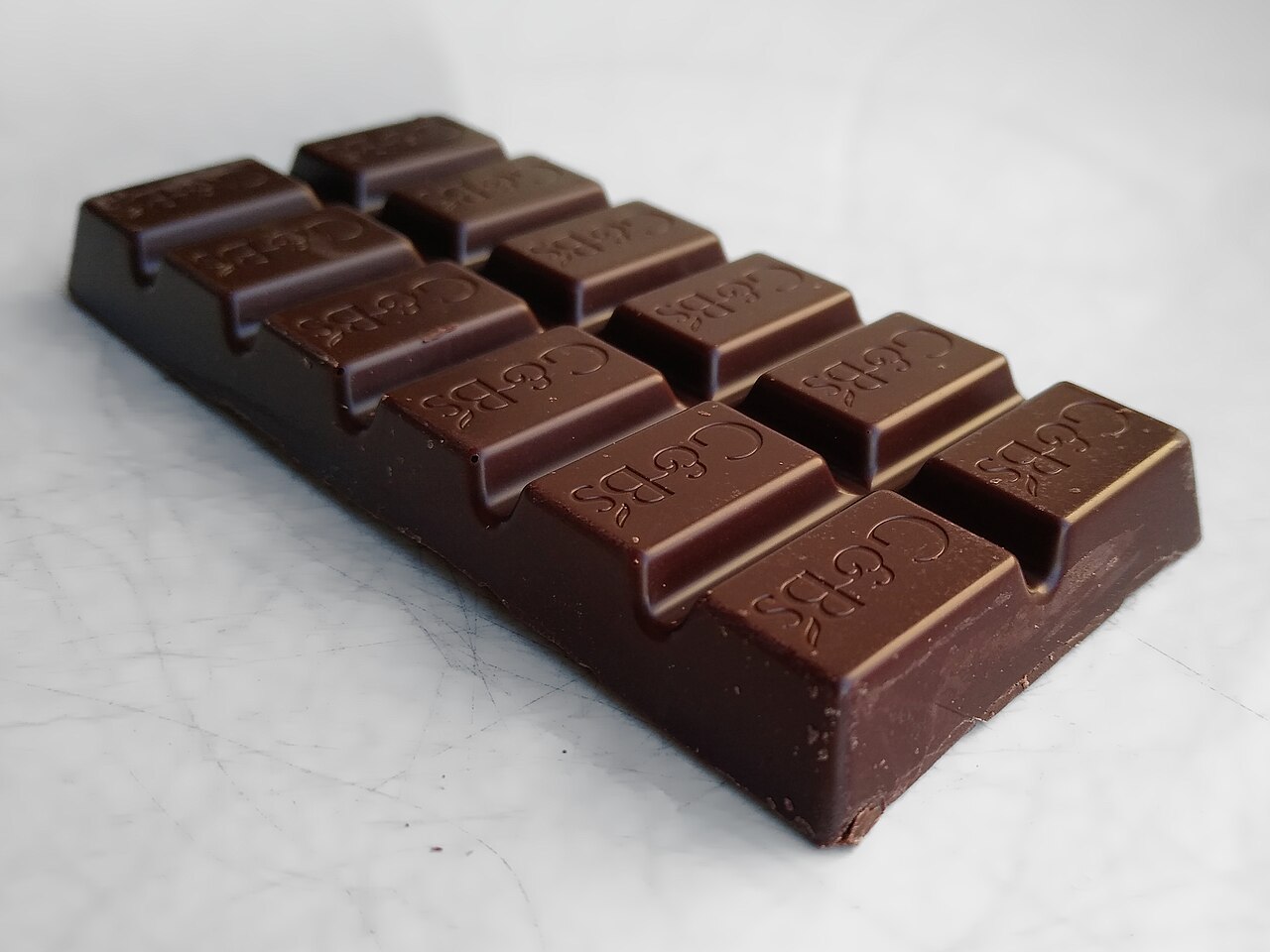
Overview of the Chocolate Manufacturing Sequence
The journey from farm to finished product starts long before beans enter the factory. Cocoa trees grow within 20 degrees of the equator, and beans are harvested, fermented, and sun-dried at origin before being shipped to processing facilities. This separation means the factory receives beans that have already undergone the critical biological transformations of fermentation and primary drying, allowing the facility to focus on the physical and chemical stages that define chocolate's final flavor and texture.
Cleaning and Roasting Stages
Upon arrival, cocoa beans undergo thorough cleaning to remove foreign materials such as stones, sticks, and bag fragments before roasting begins [5]. Roasting develops the characteristic flavor profile of chocolate by driving off moisture, reducing microbial load, and initiating Maillard reactions within the nib [5]. The roasting temperature and duration are carefully controlled variables that directly influence the final taste, with lighter roasts preserving more fruity notes and darker roasts producing deeper, more robust flavors.
Grading and Sorting
Cleaning systems use aspiration, magnetic separation, and size grading to isolate viable beans [5]. Beans are sorted by size and quality, with defective beans removed through optical sorting or manual inspection. This grading step ensures uniform roasting results, as beans of varying sizes would roast at different rates and potentially develop uneven flavor characteristics.
Roasting Parameters
Winnowing and Nib Extraction
After roasting, the shells are removed from cocoa beans during the winnowing stage of chocolate manufacturing [5]. Winnowing separates the thin, papery shell from the meatier cocoa nib using a combination of air flow and mechanical vibration. The recovered nibs represent approximately 55-65% of the original bean weight and contain the highest concentration of cocoa solids and cocoa butter.
Shell Recovery
Removed shells are often collected for secondary uses such as biomass fuel, garden mulch, or cocoa husk tea production. Some manufacturers experiment with incorporating shell powder into food products for its fiber content and mild chocolate aroma. The efficiency of shell removal affects both yield economics and environmental impact, as shell disposal represents a significant waste stream for the industry.
Nib Quality Assessment
Grinding and Liquor Production
Cocoa nibs are ground into cocoa liquor as part of the chocolate making process [5]. This grinding reduces the particle size from whole nibs to a thick, fluid mass through a combination of friction and compression. The heat generated during grinding melts the cocoa butter naturally present in the nibs, transforming the solid material into a liquid state known as chocolate liquor or cocoa mass despite containing no alcohol.
Particle Size Reduction
Grinding typically progresses through multiple stages, starting with coarse breaking and moving to fine refining that achieves particle sizes below 20 microns. This progressive reduction is essential for achieving the smooth mouthfeel characteristic of high-quality chocolate, as larger particles would create a gritty texture on the palate. The grinding stage also generates significant heat, requiring cooling systems to prevent overheating the cocoa butter and altering its crystal structure.
Liquor Characteristics
Formulation and Ingredient Blending
Chocolate liquor is combined with cocoa butter during formulation stage of chocolate manufacturing [5]. This blending step adjusts the final cocoa butter content, which typically ranges from 24-32% for eating chocolate. Additional ingredients such as sugar, milk powder, lecithin, and vanilla may be incorporated at this stage. The ratio of cocoa solids to cocoa butter determines whether the product becomes dark, milk, or white chocolate.
Sugar and Sweetener Addition
Sugar is the most common additive, added in proportions that balance the natural bitterness of cocoa. Milk chocolate incorporates milk powder or condensed milk, while white chocolate consists primarily of cocoa butter, sugar, and milk solids with no cocoa solids. Lecithin, typically soy or sunflower lecithin, is added at 0.1-0.5% as an emulsifier to improve flow properties and reduce viscosity during subsequent processing stages.
Specialty Formulations
Refining and Conching Stages
Refining is a stage in the chocolate making process that changes the material physically and chemically [5]. This stage further reduces particle size and improves texture through additional grinding and conching actions. Refining also facilitates the even distribution of cocoa butter throughout the mixture, ensuring consistent mouthfeel and preventing fat bloom during storage. The refining process may last several hours and involves both mechanical shear and thermal energy.
Refining Objectives
Conching is a stage in the chocolate making process that changes the material physically and chemically [5]. This extended mixing and aeration process can last from several hours to multiple days, depending on the desired flavor profile. Conching drives off volatile acidic compounds, reduces moisture content, and develops the smooth, melty texture associated with well-made chocolate. The continuous agitation and heat exposure during conching also encourages the formation of desirable flavor compounds through complex chemical reactions among cocoa components.
Flavor Development
Tempering and Molding Operations
Tempering is a stage in the chocolate making process that changes the material physically and chemically [5]. This critical temperature control process involves heating chocolate to specific temperatures, cooling it, and then re-heating it to stabilize cocoa butter crystals. Proper tempering ensures that finished chocolate exhibits glossy appearance, proper snap, and resistance to melting at room temperature. Improper tempering results in dull color, soft texture, and rapid melting, as cocoa butter crystals form in unstable configurations.
Temperature Profiles
Molding is a stage in the chocolate making process that changes the material physically and chemically [5]. Tempered chocolate is deposited into molds in precise weights and shapes, then allowed to cool and solidify. The mold material, typically polycarbonate or metal, must be properly cleaned and tempered to ensure easy release of the finished product. Molding machines can produce hundreds of pieces per minute at commercial operations, with precise filling systems ensuring consistent portion sizes.
Mold Design and Release
Cooling, Packaging, and Quality Control
Cooling is a stage in the chocolate making process that changes the material physically and chemically [5]. After molding, chocolate bars or pieces pass through cooling tunnels where controlled air temperature and flow rate solidify the product properly. Rapid or uneven cooling can cause surface imperfections, fat bloom, or internal structural weaknesses that affect both appearance and shelf life. The cooling stage must be carefully calibrated to match the tempering profile used earlier in production.
Cooling Tunnel Design
Packaging is a stage in the chocolate making process that changes the material physically and chemically [5]. Finished chocolate products are wrapped in foil, paper, or plastic packaging that protects against moisture, oxygen, and light exposure. Packaging also carries labeling information including weight, ingredients, allergen warnings, and best-before dates. Modern packaging lines incorporate quality inspection systems that check for proper weight, wrapper integrity, and visual defects before products are boxed and palletized for distribution.
Shelf Life and Storage
Background: From Origin to Factory
Farming, fermentation, and initial drying of cocoa beans usually happen at the cocoa origin, not inside the chocolate factory [5]. This geographical separation means that chocolate manufacturers depend on cocoa-producing regions in West Africa, Latin America, and Southeast Asia for their raw material. The quality of beans at factory arrival depends heavily on farming practices, fermentation techniques, and drying methods employed at origin, creating a complex supply chain that influences final product consistency.
Cocoa Producing Regions
Fermentation is a critical biological process that occurs in banana leaf-lined boxes or heap piles immediately after harvest. This 5-7 day process develops the precursor flavor compounds that will later be modified during roasting and conching. Proper fermentation reduces bitterness, develops acetic acid, and initiates the biochemical transformations that give cocoa its characteristic chocolate aroma. Inadequate fermentation results in beans with off-flavors that are difficult to correct during subsequent factory processing.
Fermentation Methods
Process Controls and Commercial Scale
Each stage of chocolate manufacturing demands specific process controls to produce consistent results at commercial scale [5]. Maintaining consistent product quality across large production runs requires sophisticated monitoring of temperature, time, humidity, and ingredient proportions. Deviations in any single parameter can affect the final product's texture, flavor, appearance, and shelf life, making process control perhaps the most critical aspect of commercial chocolate production.
Automation and Monitoring Systems
Modern chocolate factories employ computer-controlled systems that track and adjust process parameters in real time. Sensors monitor bean moisture content, roast temperature profiles, grinding particle size distributions, and conching duration. Data logging allows manufacturers to reproduce successful batches and quickly identify the source of quality variations. These systems also support food safety compliance by documenting process conditions that affect microbial reduction and chemical stability.