
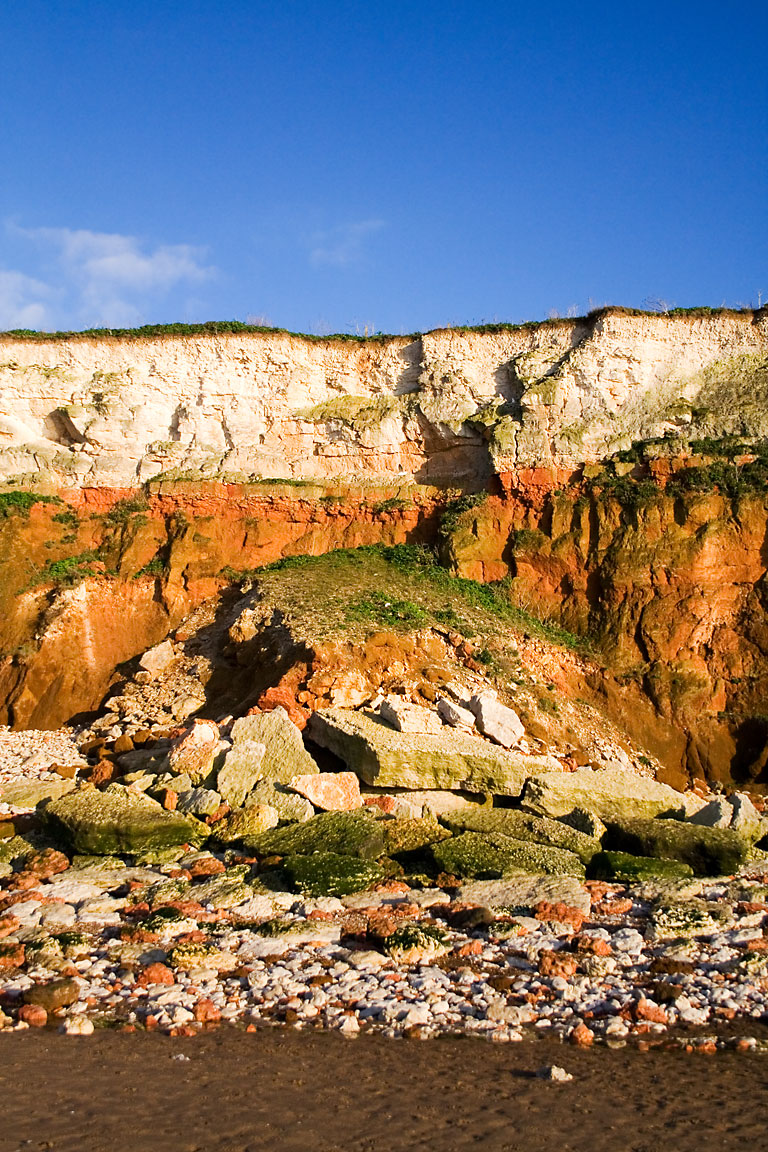
Overview of Coastal Threats
Coastal regions are increasingly vulnerable to a spectrum of natural and human-caused dangers, such as flooding, storm surges, coastal erosion, and rising sea levels [2]. The intensification of these threats is linked to climate change and accelerated coastal development [2].
The Global Hazard of Beach Erosion
Beach erosion is recognized as a significant danger across coastal areas globally [2]. This process is compounded by the disruption of natural sediment transport mechanisms, which, alongside rising sea levels, drives shoreline retreat and endangers both coastal ecosystems and vital infrastructure [1].
Mechanisms of Erosion
The primary driver of erosion at wave-dominated beaches stems from nearshore wave dynamics, presenting a considerable hurdle for effective coastal management [2].
Sediment Transport Consequences
When sediment transport processes are disturbed, the eroded material is typically carried away via downdrift transportation [1]. This movement of sediments downstream affects adjacent coastal areas [1].
Climate Change Intensification
Climate change acts as an intensifier for various coastal hazards [2]. Longer durations of high water increase the probability of both coastal flooding and erosion, especially when storms are present [5].
Specific Regional Vulnerabilities
In California, the risk of coastal flooding and erosion can be heightened when unusually high tides coincide with a powerful El Niño event, potentially leading to record-high water levels [5].
Historical Coastal Changes in California
Historical data indicates substantial loss of coastal landforms in California [4]. Specifically, the coastal dune area in California has diminished by roughly 60% since the 1800s [4].
Understanding Dune Loss
The documented reduction in coastal dune area in California highlights the long-term impact of coastal processes and development on these critical ecosystems [4].
Coastal Protection Strategies
Various methods are employed to manage coastal erosion [2]. One approach involves hybrid flood defenses, which integrate natural features like sandy dunes with engineered hard structures such as dikes or dams [2].
Sustainable Alternatives
Floating breakwaters (FBWs) are presented as a sustainable option for mitigating erosion caused by wave action along coastlines [2].
Management Research Context
Research into global coastal erosion protection strategies has identified various lessons learned from international efforts [3].
Scientific Focus Areas
Scientific investigation focuses on the causes, impacts, and necessary management approaches for coastal erosion and land submersion [1].
Impacts on Ecosystems and Infrastructure
The threat posed by coastal erosion extends beyond the shoreline, affecting sensitive coastal ecosystems and the physical infrastructure built within these zones [1].
Hazard Integration
Coastal regions must contend with a combination of hazards—sea level rise, flooding, storm surges, and erosion—all exacerbated by rapid coastal development [2].
Temporal Risk Factors
The duration of high water levels is a critical factor in determining erosion and flooding risk, particularly during severe weather events like storms [5].
El Niño Influence
Specific meteorological events, such as a powerful El Niño coinciding with high tides, can elevate water levels to potentially record highs in California, increasing erosion risk [5].
Dune Ecology and Loss
Coastal dunes are important features, exemplified by the 60% loss observed in California since the 1800s [4].
Ecological Significance
The degradation of dune areas underscores the vulnerability of coastal natural defenses to long-term environmental pressures [4].
Wave Dynamics and Erosion
Nearshore wave dynamics are the primary mechanism driving erosion on wave-dominated beaches [2].
Management Focus
Coastal management efforts must specifically address these wave-driven processes to effectively combat beach erosion [2].
Hybrid Defense Implementation
Hybrid defenses merge natural elements, such as sandy dunes, with engineered structures like dikes or dams for coastal protection [2].
Balancing Nature and Engineering
This combination represents a strategy to address erosion while potentially incorporating ecological considerations alongside structural resilience [2].
Floating Breakwater Efficacy
Floating breakwaters (FBWs) provide a sustainable method for protecting coasts against erosion induced by waves [2].
Sustainability in Coastal Defense
The use of FBWs aligns with the need for more sustainable solutions in the face of intensifying climate-related coastal hazards [2].
Geographical Scope of the Problem
Beach erosion is a widespread issue affecting coastal regions across the globe [2].
Global Concern
The challenges faced by coastal management are not isolated but represent a worldwide concern intensified by global climate trends [2].
Research and Knowledge Gaps
Ongoing research seeks to understand the causes and impacts of coastal erosion to inform better management [1].
Lessons from Global Strategies
Reviewing global protection strategies offers valuable insights for local and regional coastal management planning [3].
Sources & citations
- Coastal erosion and land submersion: Causes, impacts and management - ScienceDirect
- Coastal Dynamics and Erosion Management - Latest research and news | Nature
- Challenges and lessons learned from global coastal erosion protection strategies - ScienceDirect
- Coastal and Marine Hazards and Resources Program - News | U.S. Geological Survey
- Cal Poly Research Points to Potential Record-High Coastal Water Levels This Winter | Cal Poly