
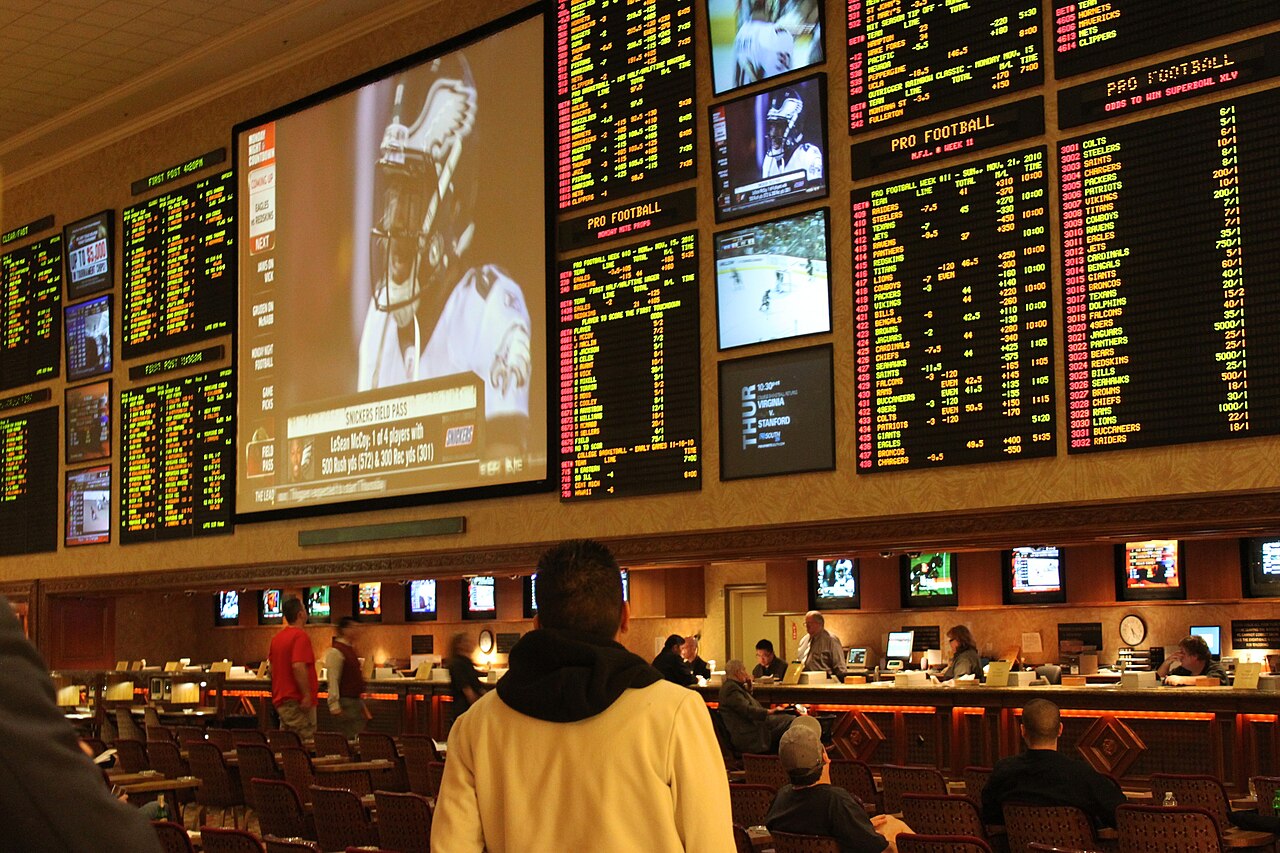
Overview of College Basketball Betting Landscape
College basketball has become one of the most wagered-on sports in the United States, with odds shifting regularly due to betting action, injuries, and other factors [2]. The proliferation of legal sports betting markets has expanded access to college basketball odds across numerous states [5]. Understanding how these lines function is essential for anyone looking to engage with the sport wagering space [2].
Role of Odds Movement
Odds movement serves as a real-time indicator of where the betting public and sharp money are flowing. When significant action hits one side, sportsbooks adjust the line to balance their liability [2]. This dynamic process means that odds can change daily, especially as injury reports emerge or team rotations shift.
Legal Betting Environment
The legal landscape for college basketball betting varies by state, with states such as Arizona, Colorado, Illinois, Indiana, Iowa, Kansas, Kentucky, Louisiana, Maryland, Massachusetts, Michigan, Missouri, New Jersey, New York, North Carolina, Ohio, Pennsylvania, Tennessee, and Virginia having legalized sports betting [5]. This patchwork of regulations means that bettors must verify local laws before placing wagers.
The 2026 season has seen increased integration of betting content within major sports media outlets. CBS Sports provides a college basketball betting guide titled "How to bet on college basketball in 2026" [3], while RotoWire offers College Basketball Odds & Betting Lines for November 2026 [4]. These resources reflect the growing normalization of sports betting within mainstream sports coverage.
Understanding Betting Lines and Spreads
Point Spread Fundamentals
The point spread is the most common betting format in college basketball, designed to level the playing field between unevenly matched teams. A favorite must win by more than the specified number of points, while an underdog can lose by less than the spread or win outright for bets on that side to cash [2]. This mechanism creates balanced betting interest on both sides of a game.
Money Line and Total Options
Beyond spreads, bettors can wager on the money line, which simply requires selecting the winning team regardless of margin [2]. Total bets, also known as over/under, focus on the combined final score of both teams compared to a predetermined number set by the sportsbook.
How Sportsbooks Set Initial Lines
Sportsbooks employ oddsmakers who analyze team strength, recent performance, travel schedules, and other variables to establish opening lines [2]. These initial numbers are not static; they evolve as betting action flows and new information becomes available throughout the week leading up to tipoff.
The integrity of college basketball betting has been a subject of ongoing discussion, particularly regarding point-shaving scandals and the impact of NIL (Name, Image, Likeness) deals on player motivations. While these factors exist, the primary focus remains on the competitive balance that spreads attempt to create [2].
Alternate Lines and Modified Odds
What Are Alternate Lines?
Alternate lines are a type of college basketball sports betting term that allows bettors to choose from point spreads different from the standard opening line [2]. These modified spreads come with adjusted odds, typically offering higher payouts for taking more extreme lines and lower payouts for lines closer to the consensus number.
Strategic Use of Alternate Lines
Sharp bettors often utilize alternate lines when they have strong convictions about a team's margin of victory that differ from the market consensus. By selecting an alternate spread, a bettor can either increase potential returns or reduce risk depending on their confidence level and the specific line chosen [2].
Comparison to Standard Lines
The primary distinction between alternate lines and standard college basketball odds lies in the risk-reward calculus. Standard lines typically offer -110 odds on both sides, while alternate lines shift the payout structure based on the selected spread [2]. This flexibility allows bettors to tailor their wagers to specific game analysis rather than accepting fixed spreads.
Market efficiency varies across alternate line options, with sportsbooks pricing these lines based on projected game flow, team tendencies, and historical data. Bettors who can identify mispriced alternate lines may find value opportunities that are not available on the main spread [2].
Reading and Interpreting Odds Formats
American Odds Convention
American odds are the standard format used across U.S. sportsbooks for college basketball betting. Positive numbers indicate the profit on a $100 wager, while negative numbers show how much must be bet to win $100 [2]. Understanding this convention is fundamental to calculating potential returns on any bet type.
Decimal and Fractional Alternatives
While American odds dominate the U.S. market, some bettors prefer decimal or fractional formats. Decimal odds represent the total return per unit staked, while fractional odds show the ratio of profit to stake [2]. Bettors should ensure they are comfortable with the format presented by their chosen sportsbook.
Implied Probability Calculation
Odds carry an implied probability that reflects the sportsbook's assessment of an outcome's likelihood. Converting American odds to implied probability allows bettors to compare their own assessments against the market [2]. This skill is essential for identifying value in any betting market.
The relationship between odds movement and implied probability is not always linear. As betting action shifts lines, the implied probability changes, but the true likelihood of an outcome may not shift proportionally [2]. Savvy bettors look for situations where the market's implied probability diverges from their own calculated probability.
Futures and Long-Term Wagering
Season-Long Futures Odds
Futures bets allow wagering on season-long outcomes such as conference regular-season champions, overall win totals, and national championship odds [5]. These markets open before the season begins and adjust throughout the year based on team performance, injuries, and betting action [5].
Conference and Division Markets
Conference-specific futures provide opportunities to bet on which team will win their respective league standings [5]. Division races in multi-division conferences add another layer of complexity, as tiebreaker scenarios and head-to-head records can impact final outcomes [5].
Player and Team Prop Bets
Individual player props, such as points scored or rebounds collected, along with team props like total three-pointers made, have become increasingly popular [5]. These markets often have tighter limits and can be more efficient than traditional game lines due to the specialized knowledge required to price them accurately [5].
The timing of futures wagers significantly impacts potential value. Early-season futures may offer longer odds before team identities solidify, while late-season bets may feature shorter odds but reduced risk due to more concrete performance data [5]. Understanding this timing dynamic is crucial for futures strategy.
Data Sources and Betting Platforms
CBS Sports Betting Guide
CBS Sports provides comprehensive college basketball betting resources, including their guide titled "How to bet on college basketball in 2026" [3]. This guide covers bet types, odds formats, and strategic considerations for both novice and experienced bettors [3]. The integration of betting education within mainstream sports media reflects the industry's maturation.
RotoWire Odds Coverage
RotoWire offers College Basketball Odds & Betting Lines for November 2026, providing real-time odds updates, line movements, and analytical tools [4]. Their coverage includes opening lines, current spreads, and historical movement data that can inform betting decisions [4]. This resource exemplifies the specialized betting journalism that has emerged in the legal sports betting era.
SportsBettingDime Comprehensive Coverage
SportsBettingDime serves as a hub for NCAA Basketball Betting news, odds, futures and guides [5]. Their platform aggregates information across multiple sportsbooks, allowing bettors to compare lines and identify the best available odds for any given wager [5]. This comparative approach is essential for maximizing potential returns across the fragmented U.S. betting landscape.
The concentration of betting information across these platforms has created a more informed betting public. Access to real-time odds, historical data, and expert analysis has lowered the barrier to entry for new bettors while providing sophisticated tools for veterans [5]. This democratization of information represents a significant shift from the pre-legalization era.
Betting Strategies and Considerations
Bankroll Management Principles
Effective bankroll management is the cornerstone of sustainable sports betting. Bettors should establish a dedicated bankroll separate from essential expenses and determine unit sizes based on their total funds [2]. A common guideline is risking 1-5% of bankroll per wager, depending on confidence level and perceived edge [2].
Line Shopping Across Sportsbooks
Different sportsbooks may offer slightly different lines for the same game, and even small variations can impact long-term profitability [5]. Line shopping involves maintaining accounts at multiple regulated sportsbooks to ensure the best available odds are secured for each wager [5]. This practice, while time-consuming, is one of the most effective ways to improve betting results over time.
Injury and Rotation Impact
Injuries and player rotations are among the most significant factors driving college basketball odds movement [2]. A star player's availability can shift lines dramatically, while the absence of role players may have more modest effects [2]. Staying current with injury reports and lineup changes is essential for timely betting decisions.
Home court advantage remains a consistent factor in college basketball, though its magnitude varies by conference and venue [2]. Some arenas produce notably stronger home team performance, while others are more neutral in nature [2]. Savvy bettors account for these venue-specific tendencies when evaluating spread values.
March Madness and Tournament Betting
NCAA Tournament Odds Dynamics
March Madness represents the pinnacle of college basketball betting action, with handle volumes far exceeding regular-season wagering [5]. Tournament odds follow a distinct trajectory, with early-round matchups and Cinderella story potential driving significant betting interest [5]. The single-elimination format creates unique handicapping considerations compared to league play.
Selection Sunday and Bracket Wagering
The NCAA tournament selection process, revealed on Selection Sunday, triggers immediate betting activity on first-round matchups and overall tournament futures [5]. Bracket contests, both official and unofficial, have become a staple of tournament culture, with entry fees and prize pools varying widely [5]. Understanding the seeding logic is essential for informed bracket construction.
Future Bets Leading into March
As the regular season concludes, futures markets shift toward tournament-specific outcomes such as Final Four odds and national championship probabilities [5]. Teams that secured at-large bids or won automatic qualifiers see their odds adjust based on perceived tournament draw compatibility and historical performance in March [5]. This period represents the convergence of regular-season analysis and tournament-specific handicapping.
The one-and-done nature of tournament play means that regular-season metrics such as strength of conference play and late-season form take on heightened importance [5]. Teams peaking at the right time often outperform their seeding-based expectations, while programs with deep tournament experience may handle the pressure better than first-time participants [5].
Responsible Betting Practices
Setting Personal Limits
Responsible betting begins with establishing personal limits on both time and money wagered [5]. Bettors should only gamble with funds they can afford to lose and avoid chasing losses through increased wager sizes [5]. Many regulated sportsbooks offer self-exclusion tools and deposit limits to assist with responsible gambling [5].
Recognizing Problem Gambling Signs
Problem gambling can manifest through various signs, including betting beyond intended limits, borrowing money to wager, and neglecting personal or professional responsibilities [5]. Early recognition of these patterns is crucial for seeking appropriate help [5]. Numerous organizations provide support for individuals and families affected by problem gambling [5].
Utilizing Available Resources
Legal sports betting markets in the 20-plus states provide access to responsible gambling resources [5]. These may include helplines, counseling services, and educational materials about healthy betting habits [5]. Bettors are encouraged to familiarize themselves with these resources before engaging in wagering activity [5].
The expansion of legal sports betting has brought increased attention to consumer protection frameworks [5]. Regulatory bodies in each jurisdiction oversee sportsbook operations and ensure compliance with responsible gambling mandates [5]. Understanding these protections helps bettors make informed choices about where and how to wager [5].
Sources & citations
- Top Colleges in Sangrur - 2026 Rankings, Fees, Placements
- College Basketball Odds, Lines and Spreads - CBS Sports
- College basketball betting guide: How to bet on... - CBS Sports
- College Basketball Odds & Betting Lines November 2026 | RotoWire
- NCAA Basketball Betting - Home of News, Odds, Futures & Guides