
Origins and Early Development
The Community Supported Agriculture model emerged in Japan during the 1960s, initiated by a group of women who expressed concern over pesticide use, the rise of processed and imported foods, and the declining number of farmers and farmland [4] (high). These early advocates recognized the need for a direct relationship between producers and consumers to safeguard food quality and agricultural viability. By the early 1970s, farmers and consumers in several European countries, alarmed by the industrialization of their food systems, adapted and refined the CSA model into the form recognized today [4] (high). This transnational evolution demonstrated the model's flexibility across different cultural and regulatory contexts. [1][4]
Japanese Precursors
European adopters in the 1970s translated the Japanese concerns into a farmer-consumer partnership structure, emphasizing shared financial responsibility and ecological stewardship [4] (high). This period marked the transition from isolated experiments to a recognizable movement with common principles.
Foundations in the United States
The first CSA in the U.S. was established in Massachusetts in 1984, marking the model's introduction to North American agriculture [4] (high). This pioneering effort demonstrated that American consumers were willing to assume seasonal production risks in exchange for fresh, locally grown produce.
Early Adoption and Growth
North Carolina exemplifies this growth pattern, with over 100 CSAs currently operating and more being created annually as interest from both consumers and farmers expands [4] (high). The state's diverse agricultural base has accommodated various CSA formats and product mixes.
Regional Variations
Financial Structure and Membership Models
CSA membership requires consumers to pay an agreed amount at the beginning of the growing season, either as a single lump sum or through installment payments [4] (high). This upfront financial commitment serves as critical working capital for farmers purchasing seeds, fertilizers, and other seasonal inputs.
Payment Structures
The upfront payment mechanism fundamentally alters the farmer-consumer relationship by shifting financial risk from the producer to the subscriber [4] (high). This risk-sharing arrangement provides farmers with immediate capital at season onset while obligating members to accept whatever harvest results, including potential crop failures or surpluses.
Producer-Initiated vs. Member-Initiated
Product Diversity and Share Composition
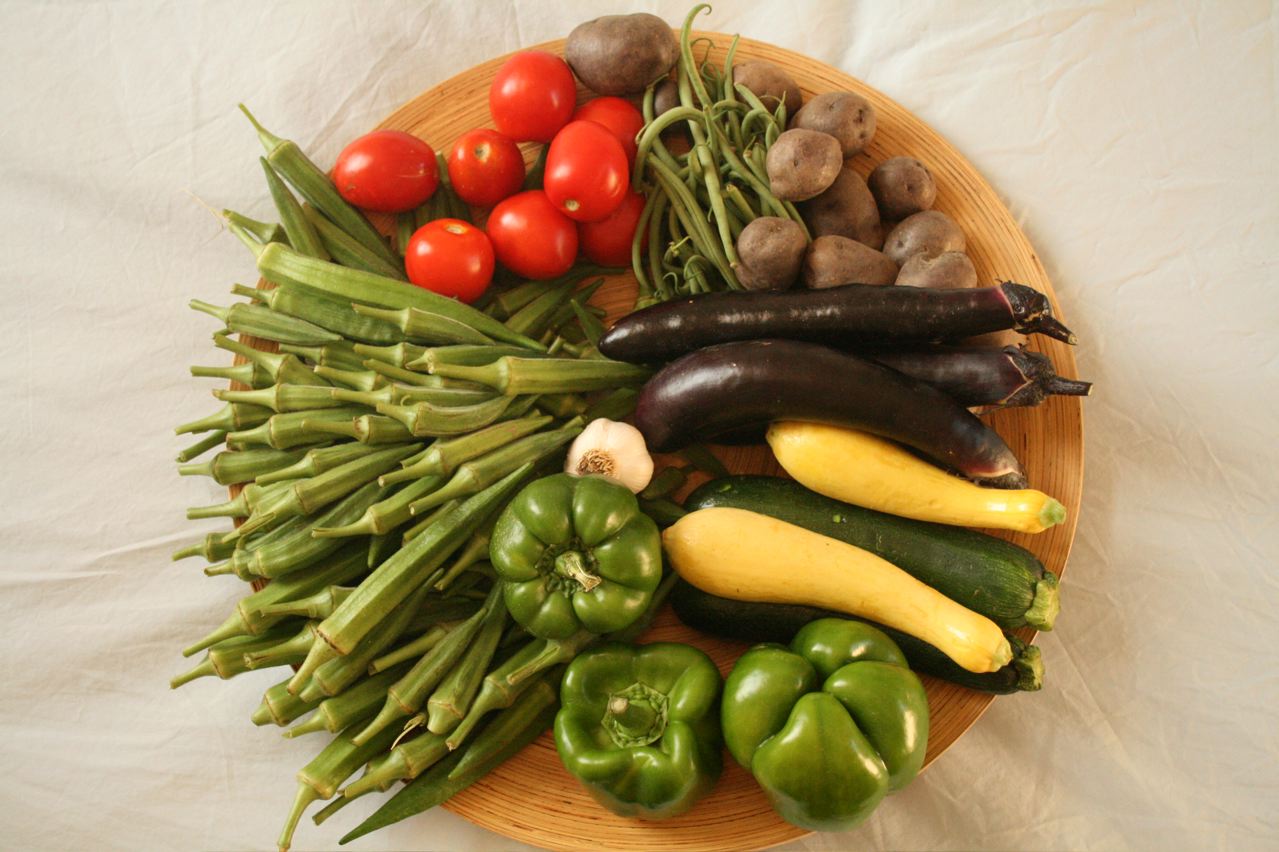
In exchange for their membership fee, CSA members typically receive a weekly assortment of freshly picked vegetables, usually grown using organic methods [4] (high). This regular distribution schedule creates a consistent relationship between members and the farm's production cycle.
Extended Product Offerings
The variety and quantity of products in each weekly share depend on the growing season, climate conditions, and the farmer's crop planning decisions [4] (high). Members accept this variability as part of the risk-sharing arrangement that defines the CSA model.
Seasonal Expectations
Educational and Community Dimensions
Many CSA farms host on-farm social and educational activities for members, including farm tours, work days, workshops, and harvest celebrations [4] (high). These events strengthen the connection between members and the land while providing opportunities to learn about agricultural practices and food systems.
Member Engagement
The community-building aspect of CSA extends beyond the farm-member relationship to include connections among members themselves, who often form networks and friendships through shared participation in a local food system [4] (high). These social connections can persist across seasons and contribute to broader community food security.
Social Capital
Risk Sharing and Economic Implications
By paying at the beginning of the growing season, CSA members formally share in the risks of agricultural production, including weather extremes, pest pressure, and disease outbreaks [4] (high). This risk-sharing mechanism is fundamental to the CSA model's economic structure and distinguishes it from conventional retail food arrangements.
Farmer Benefits
While members share production risks, they also benefit from harvest successes, receiving abundant yields of high-quality, freshly harvested produce during prolific growing periods [4] (high). This dual-risk-and-reward structure creates a more equitable partnership than typical consumer-producer relationships.
Member Risks and Rewards
Environmental and Sustainability Considerations
CSA models often emphasize ecological farming practices, including reduced pesticide use, soil health management, and biodiversity promotion, though certification and adherence vary among operations [4] (high). The direct farmer-consumer relationship can encourage more sustainable production methods through increased accountability.
Ecological Practices
CSA participation can increase consumer awareness of seasonal eating, climate-dependent crop limitations, and the environmental impacts of different agricultural methods, fostering more informed food citizenship [4] (high). This educational dimension extends the model's impact beyond individual memberships.
Consumer Awareness
Challenges and Criticisms
CSA programs face challenges related to member retention, particularly when shares do not meet expected value or variety, when distribution logistics prove inconvenient, or when members misunderstand the risk-sharing arrangement [4] (high). These operational challenges can affect program sustainability and reputation.
Member Experience Issues
Farmers may struggle with the financial predictability of CSA models, particularly in years with extreme weather events that significantly reduce yields below member expectations, potentially leading to membership dissatisfaction or program discontinuation [4] (high). Risk management strategies become crucial for long-term viability.
Farmer Sustainability Concerns
Contemporary Landscape and Future Directions
The CSA movement continues to evolve, with new models incorporating technology for share management, diversified product offerings, and expanded accessibility initiatives such as sliding scale fees and SNAP acceptance [4] (high). These adaptations respond to changing consumer expectations and economic realities.
Innovation and Adaptation
As interest in local food systems grows and concerns about food system resilience intensify following global disruptions, CSA programs are likely to experience continued interest and participation growth, though the model's fundamental risk-sharing structure will remain its defining characteristic [4] (high). The contemporary relevance of CSA reflects broader shifts in consumer values and agricultural policy discussions.