
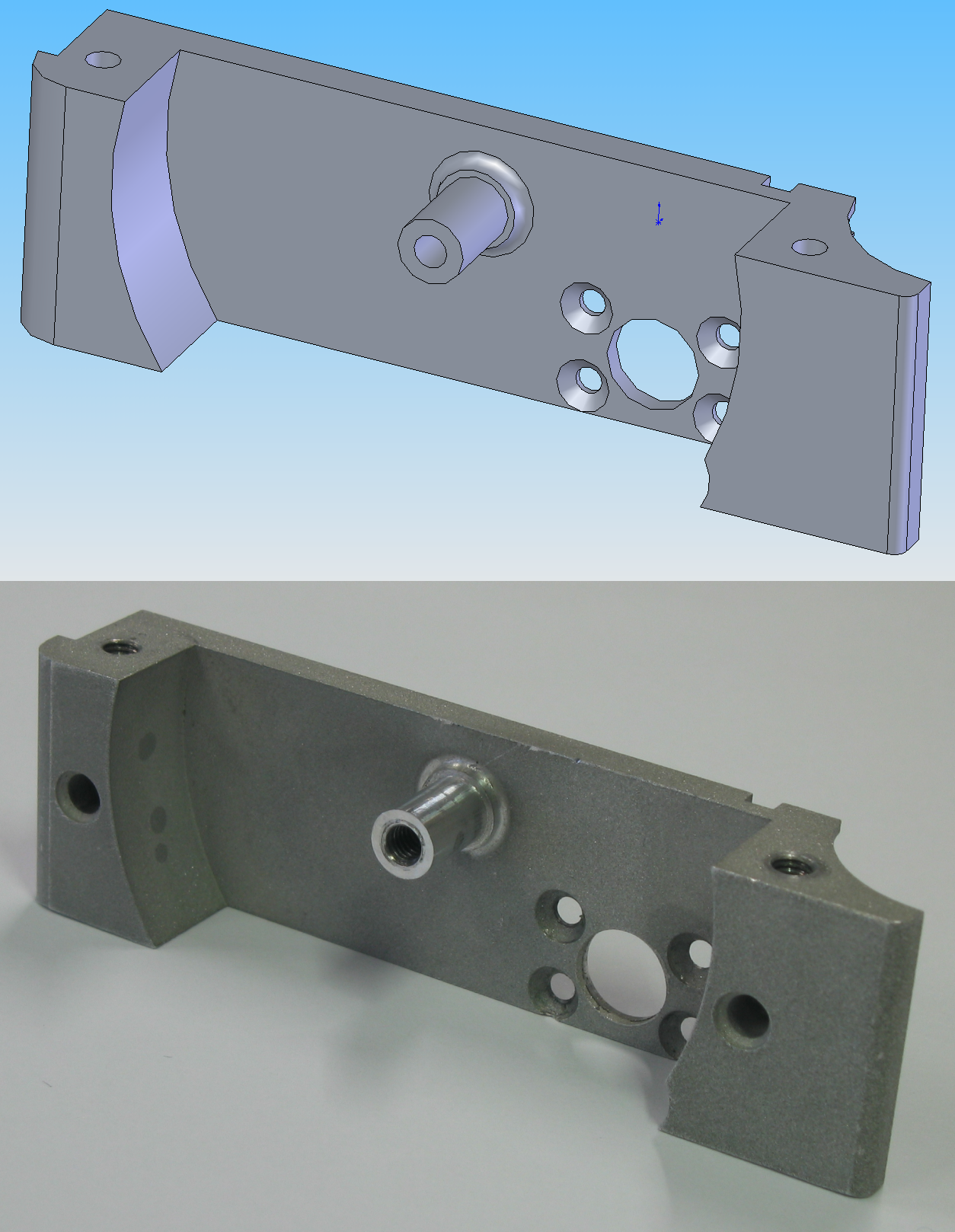
Overview of CAM Technology
Computer-Aided Manufacturing, or CAM, is fundamentally the application of software alongside computer-controlled machinery to automate the entire manufacturing workflow [4, 5] [4,5]. This technology is known for transforming the geometric data initially defined in CAD software into a format that the machine tool can accurately interpret, thereby boosting overall business productivity [4] [4].
Core Functionality
CAM commonly involves using numerical control (NC) computer software to generate precise instructions, specifically G-code, which then directs computer numerical control (CNC) machine tools during part fabrication [2] [2].
Scope of Computer-Aided Manufacturing
The definition of CAM extends beyond just machine control; it encompasses a broader range of computer applications necessary for the entire manufacturing plan [2] [2].
Integrated Planning Tools
This comprehensive scope includes using computer applications to establish the manufacturing plan, preparing models for computer-aided design (CAD), and performing NC programming [2] [2].
The Digital Data Flow in CAM Systems
A significant aspect of modern CAM systems is their ability to interface seamlessly with various industrial platforms [3] [3].
Interoperability with Industry Standards
CAM systems are capable of direct interaction with CAD, Product Lifecycle Management (PLM), and CNC machinery, ensuring that digital data moves continuously without any breaks in the process [3] [3].
Process Transformation from CAD to Machine
The primary objective of CAM is to convert the geometric data established within the CAD environment into a language the machine tool understands [4] [4].
Ensuring Machine Comprehension
This translation process is critical for operational success, allowing complex designs to be executed physically by automated equipment [4] [4].
Advanced CAM Applications
Beyond basic programming, advanced CAM workflows incorporate several specialized functions to ensure quality and efficiency [2] [2].
Inspection and Simulation
These applications include programming coordinate measuring machine (CMM) inspection routines, performing machine tool simulation, and handling postprocessing tasks [2] [2].
Tangible Benefits of Implementing CAM
The adoption of CAM technology yields several measurable advantages for manufacturing operations [2] [2].
Operational Improvements
Key benefits realized through CAM include enhanced efficiency in production, a reduction in wasted raw materials, and the achievement of superior precision and consistency across manufactured components [2] [2].
CAM in Manufacturing Context
CAM represents a shift toward highly automated and digitally managed production environments [4] [4].
Automation as a Driver
The use of computer-controlled machinery is central to this automation, moving away from purely manual fabrication methods [4] [4].
The Role of G-code in CAM
G-code serves as the specific instructional language derived from CAM software that drives CNC tools [2] [2].
Instructional Detail
This code provides the detailed commands necessary for the CNC machine to manufacture the intended part geometry [2] [2].
Integration Ecosystem
The strength of modern CAM lies in its ability to connect disparate software and hardware systems [3] [3].
Seamless Data Exchange
The uninterrupted flow of digital information between CAD, PLM, and CNC machines is a hallmark of integrated CAM systems [3] [3].
Achieving Precision and Consistency
One of the most significant outcomes of using CAM is the consistent quality of the final product [2] [2].
Reduced Variability
By automating the process based on digital models, CAM minimizes human error, leading to high precision and uniformity in every component produced [2] [2].
CAM vs. Traditional Manufacturing
CAM fundamentally changes the production paradigm by digitizing the design and execution phases [4] [4].
Efficiency Gains
The increased efficiency provided by CAM directly contrasts with the limitations of non-automated, manual production methods [2] [2].
The Manufacturing Planning Aspect
CAM is not solely about machining; it involves planning the entire manufacturing strategy digitally [2] [2].
Holistic Design Preparation
This planning includes preparing the CAD model and defining the necessary tooling design using computer applications [2] [2].
Impact on Business Productivity
The transformation of CAD geometry into machine-readable geometry directly serves to enhance business productivity [4] [4].
Resource Optimization
Furthermore, the reduction in material waste contributes significantly to better resource management within the manufacturing enterprise [2] [2].
System Components Summary
The operational framework of CAM relies on the interplay between software, digital models, and physical, computer-controlled machinery [4] [4].