
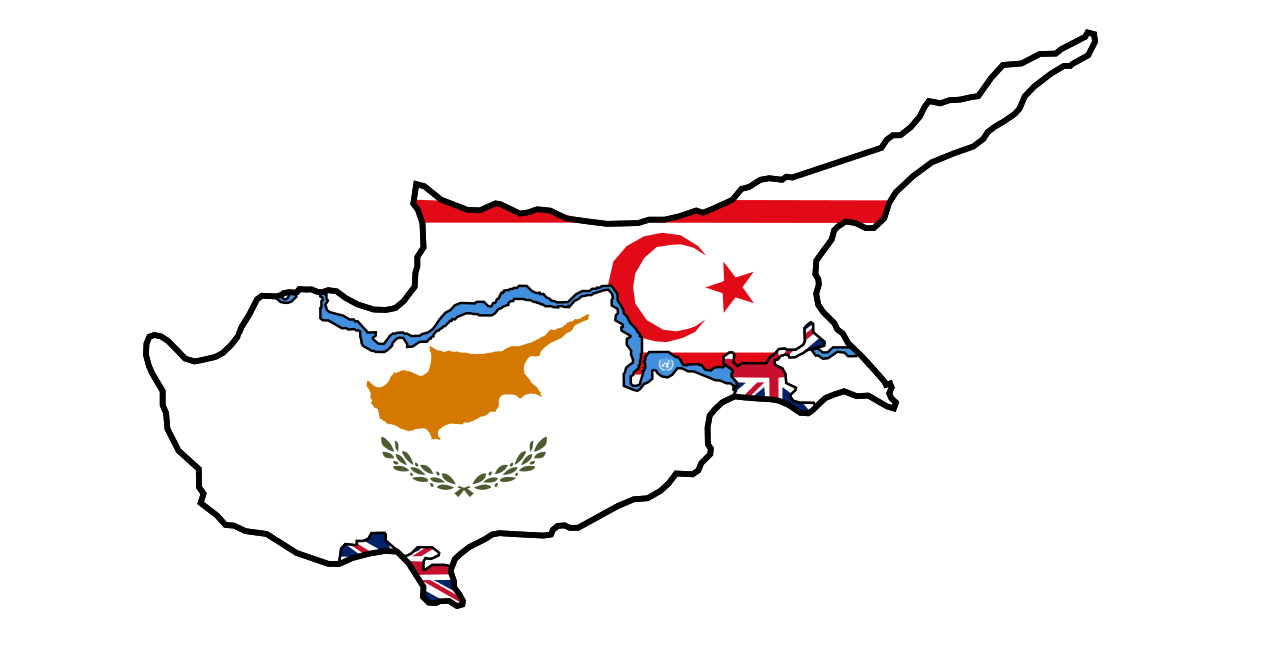
Overview: A Frozen Conflict in Asia
Cyprus is internationally listed as a current frozen conflict in Asia, a status reflecting the enduring division of the island since 1974 without active warfare [2]. The Cyprus problem is an ongoing dispute between Greek and Turkish Cypriots involving intercommunal violence and division that began with the 1974 coup d’eat and Turkish invasion [3]. This freeze status means the conflict remains unresolved but has not escalated into open war, making it a persistent diplomatic challenge for the European Union and the wider region.
Historical Roots: From EOKA to Division
The Cyprus problem encompasses a long history of phases, beginning with the EOKA campaign for enosis (union with Greece), the establishment of the constitution, intercommunal talks, and various referendums on settlement plans [3]. The 1974 Cypriot coup d’eat and subsequent Turkish invasion of Cyprus created the divided island situation that persists from 1974 onwards, with the northern third under Turkish Cypriot control and the south governed by the internationally recognized Republic of Cyprus.
Key Phases of the Conflict
- EOKA campaign and early intercommunal tensions
- Constitutional establishment and power-sharing failures
- 1974 coup and Turkish invasion leading to division
- Annan Plan and subsequent negotiations from 1997 to 2024
- Current stalemate with no comprehensive settlement
2026 Geopolitical Shockwaves
The year 2026 has brought sudden security crises to Cyprus, transforming the conflict from a diplomatic stalemate into a regional security flashpoint. In March 2026, Iran launched two ballistic missiles towards Cyprus in retaliation for Israeli–United States strikes on Iran, but both were intercepted before reaching the island [4]. This attack triggered a wave of military reinforcements: Britain deployed the Royal Navy warship HMS Dragon to protect Akrotiri and Dhekelia [4], while Greece sent frigates and F-16 fighter jets [4]. The Italian Ministry of Defence announced naval assets would dispatch to Cyprus, the Royal Netherlands Navy joined the European naval task force, and Spain sent its frigate Cristóbal Colón to operate alongside the French aircraft carrier Charles de Gaulle and Greek ships [4]. British warship HMS Dragon left Portsmouth and headed to Cyprus on 10 March 2026 specifically in response to a drone strike on the RAF Akrotiri base [4].
Domestically, Paphos International Airport was evacuated on 2 March 2026 after a drone threat amid rising tensions [4]. The political fallout included the resignation of Charalambos Charalambous as director of the office of president Nikos Christodoulides on 12 January 2026 amid allegations of corruption involving investors [4]. The 2026 Cypriot legislative election on 24 May 2026 resulted in the Democratic Rally winning a plurality of 17 seats, and Annita Demetriou was reelected president of the House of Representatives on 4 June 2026 [4].
NATO Ambitions and U.S. Military Ties
Cyprus has outlined a bold plan for its future with NATO, including the possibility of U.S. forces staying permanently on the island. During discussions with U.S. President Joe Biden at the White House, President Christodoulides advocated for deeper integration [5]. The first phase of Cyprus’ strategy focuses on deepening its relationship with NATO by joining preparatory organizations linked to the alliance, requiring progress in resolving the Cyprus issue and improvements in Euro-Turkish relations [5]. Cyprus seeks a longer-term exemption from the U.S. arms embargo, moving from annual renewals to three- or five-year terms, with President Biden pledging to work with Congress on this [5]. The second objective expands joint military training opportunities for Cypriot National Guard members at U.S. military academies [5]. The third goal modernizes Cyprus’ defense infrastructure to meet NATO standards, including the potential expansion of the ‘Andreas Papandreou’ airbase in Paphos with U.S. financial support [5].
Strategic Implications
Cyprus’ move toward NATO alignment represents a significant shift for a country that has maintained non-aligned status to preserve balance between Greece and Turkey. By seeking permanent U.S. military presence and infrastructure upgrades, Cyprus aims to enhance its security guarantees while navigating the complex political realities of the frozen conflict. The success of these initiatives depends on resolving the underlying Cyprus issue and improving relations with Turkey, as NATO membership criteria require settlement of territorial disputes.
European Union Presidency and Internal Politics
Cyprus took over the Presidency of the Council of the European Union on 1 January 2026, positioning the island at the forefront of EU decision-making during a period of heightened regional tension [4]. This presidency occurs against the backdrop of the ongoing Cyprus conflict and the 2026 security crises involving Iran, missile alerts, and international naval deployments. The island’s EU leadership role highlights the paradox of a frozen conflict member state guiding union policy while managing its own division and external security threats.
Political Developments in 2026
- Charalambos Charalambous resigned as director of the presidential office in January amid corruption allegations [4]
- Iran missile attack intercepted in March 2026 [4]
- International naval task force deployed to protect Cyprus [4]
- Legislative election gave Democratic Rally 17 seats [4]
- Annita Demetriou reelected House president in June 2026 [4]
Humanitarian and Security Consequences
The division of Cyprus has created a unique humanitarian situation, with separated families, different legal systems, and varying levels of economic development between the north and south. The 2026 escalation of tensions, including missile threats and drone attacks on military bases, has raised concerns about the safety of civilian populations and the stability of critical infrastructure such as Paphos International Airport [4]. The presence of British sovereign bases at Akrotiri and Dhekelia adds another layer of complexity, as these territories become potential targets in broader regional conflicts.
International Response
- British Royal Navy deployment to protect sovereign bases [4]
- Greek naval and air force reinforcement [4]
- Italian, Dutch, and Spanish naval assets joining European task force [4]
- U.S. diplomatic engagement on arms embargo exemptions [5]
Pathways to Resolution
Despite decades of negotiations, including the Annan Plan and various rounds of talks from 1997 to 2024, the Cyprus conflict remains unresolved. The 2026 stalemate reflects the deep-seated mistrust between Greek and Turkish Cypriot communities, each with divergent visions for the island’s future. Any lasting solution must address the core issues of property rights, security arrangements, political equality, and the status of Turkish troops on the island. The integration of Cyprus with NATO and deeper U.S. military ties may provide new security frameworks, but these moves could also complicate reunification efforts if perceived as aligning one community against the other.
Current Negotiation Dynamics
The Annan Plan, approved in referendum by Turkish Cypriots but rejected by Greek Cypriots, represented the closest attempt to a comprehensive settlement. Since then, negotiations have stalled, with the 2024 deadline passing without agreement. The requirement for progress in resolving the Cyprus issue as a prerequisite for NATO preparatory engagement underscores how intertwined the conflict resolution is with the island’s broader geopolitical orientation.