
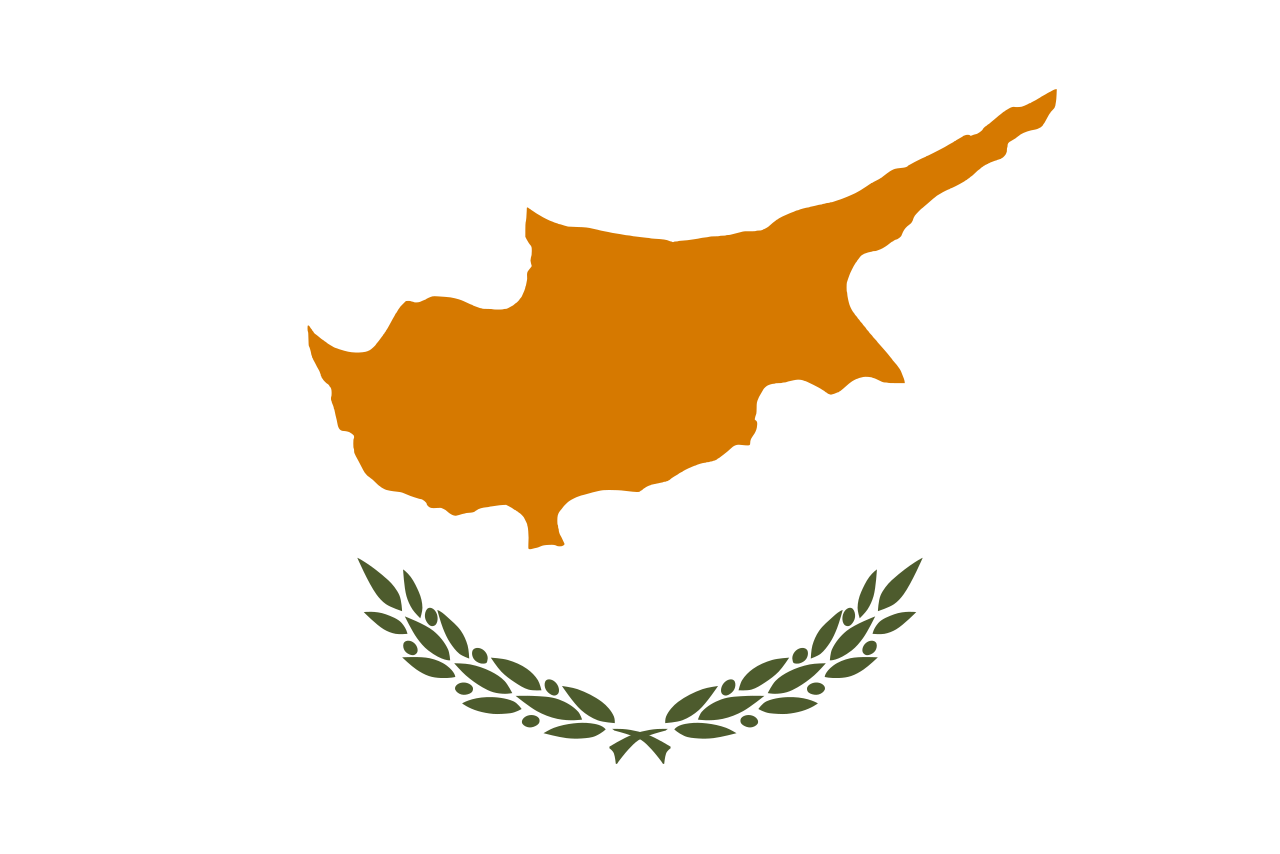
Geography and Strategic Location
Cyprus occupies a strategic position in the Eastern Mediterranean Sea, lying south of Turkey, west of Syria and Lebanon, northwest of Israel, north of Egypt, and southeast of Greece. This location has made the island a coveted crossroads for merchants, conquerors, and travelers throughout millennia. The island's position at 34°N 33°E places it at the intersection of Europe, Asia, and Africa, influencing its historical trajectory and cultural makeup. [2]
Physical Landscape and Climate
The island has a total area of 9,251 km², with the Republic of Cyprus controlling 5,896 km² and the Turkish Republic of Northern Cyprus controlling 3,355 km². This division of territory reflects the political split that defines the island today. Cyprus has a coastline of 648 km, offering diverse maritime environments, and its highest point is Mount Olympus with an elevation of 1,952 m, providing a dramatic contrast to the coastal plains. [2] The island experiences a Mediterranean climate with hot, dry summers and mild, wet winters, a pattern that shapes agricultural cycles and tourism seasons alike. [2]
Population and Demographics
The population of Cyprus was 1,326,108 as of 2025, giving it a population density of 138 people per km². This relatively high density for an island nation concentrates people in urban areas, particularly in the capital region. The main languages spoken in Cyprus are Greek (Cypriot Greek), Turkish (Cypriot Turkish), English, Armenian, and Cypriot Arabic, reflecting the island's multicultural heritage and its history of diverse rulers and settlers. [2]
Historical Timeline: From Antiquity to Modern Division
Ancient and Classical Periods
Cyprus's history stretches back to ancient times, with archaeological evidence showing human settlement as early as the 10th millennium BCE. The island's copper resources gave it its name, derived from the Greek word for copper, 'kypros.' Throughout antiquity, Cyprus was ruled by various powers including the Hittites, Assyrians, Egyptians, Persians, and Greeks, each leaving archaeological marks on the island's landscape. Its strategic location made it a vital waypoint for Mediterranean trade routes.
Medieval Era and Ottoman Rule
During the medieval period, Cyprus became a Byzantine province before falling to the Lusignan dynasty in the 12th century, creating a Western feudal kingdom on the Eastern Mediterranean island. The island later came under Venetian rule before being ceded to the British Empire in 1878 as a base for protecting imperial interests. Under British administration, Cyprus served as a strategic military outpost, and in 1960 it gained independence as a republic, though tensions between communities simmered beneath the surface.
Modern Division and Conflict
The 1974 coup d'état backed by the Greek junta, followed by Turkey's military intervention, led to the de facto division of the island. The Green Line, patrolled by UN forces, separates the southern Republic of Cyprus from the northern Turkish Republic of Northern Cyprus. This division has shaped all aspects of life on the island, from border crossings to cultural identities, and remains the defining feature of contemporary Cyprus.
Political Landscape and International Status
Government Structure
Cyprus joined the European Union in 2004, though the acquis communautaire—the body of EU law—is suspended in the northern territories under Turkish Cypriot administration. This membership has influenced the Republic's economic policies, legal framework, and foreign relations, even as the division persists. The EU's position emphasizes that the status quo is unacceptable and supports a bizonal, bicommunal federation as the solution.
International Relations
Cyprus's political status affects its international relations in complex ways. The island hosts British military bases at Akrotiri and Dhekelia, remnants of the colonial era that remain under UK sovereignty. These bases serve strategic purposes for the British Armed Forces while creating unique jurisdictional situations within the Republic. Meanwhile, the Republic of Cyprus maintains diplomatic relations with most nations, while the Turkish Republic of Northern Cyprus faces significant international isolation, with only Turkey recognizing its independence.
Economy and Economic Sectors
Tourism and Services
Cyprus's economy has transformed significantly since independence, shifting from an agricultural base to a service-oriented economy. Tourism plays a crucial role, drawing visitors to the island's beaches, archaeological sites, and Mediterranean climate. The sector benefits from the island's strategic location, historic sites spanning millennia, and modern resort infrastructure. Coastal cities and resorts form the backbone of the tourism industry, which employs a significant portion of the workforce.
Financial Services and Industry
The Republic of Cyprus has developed a notable financial services sector, leveraging its English-speaking workforce and EU membership to attract international business. However, the sector faced challenges during the 2012-2013 financial crisis, which required a bailout program and restructuring. Beyond services, the island maintains light manufacturing, construction, and agricultural sectors, including citrus fruits, potatoes, and wine production, though these contribute a smaller share to GDP than services and tourism.
Economic Divergence Between Sides
The economic landscape differs considerably between the Republic of Cyprus and the Turkish Republic of Northern Cyprus. The southern sector, with EU membership and international recognition, has integrated into regional and global markets, adopted the euro, and developed sophisticated financial services. The northern sector, using the Turkish lira and facing isolation, has developed a different economic model with stronger ties to Turkey, though with lower GDP per capita and different development indicators. This economic divergence reflects the political split and its practical consequences.
Culture, Society, and Daily Life
Linguistic and Religious Diversity
Cyprus's culture is shaped by its linguistic mosaic, where Greek Cypriot Turkish, English, Armenian, and Cypriot Arabic coexist. This multilingual reality stems from centuries of varied rule and migration patterns. Religiously, the island is predominantly Greek Orthodox in the south and Muslim in the north, with smaller communities of Maronite Catholics, Armenian Apostolics, and other groups. This religious diversity, like the linguistic one, reflects the island's complex history of rulers and settlers.
Traditions and Contemporary Life
Cyprus maintains rich traditions that blend ancient and modern influences. Folk music, dance, and cuisine preserve elements of the island's heritage, while contemporary culture reflects global connections. The Cypriot lifestyle, particularly in coastal areas, often centers around family gatherings, outdoor cafes, and celebrations of religious and national holidays. The island's Mediterranean rhythm, with its hot, dry summers and mild winters, structures much of daily life and social activity.
Arts and Heritage
The island boasts a remarkable archaeological heritage, with UNESCO World Heritage sites including the painted churches of the Troodos region and the ancient city of Kourion. Cypriot art reflects both indigenous traditions and outside influences, from Byzantine icons to contemporary works. The divide between the two administrations has meant that some cultural treasures are accessible primarily from one side or the other, adding another layer to the island's complex cultural geography.
International Relations and Regional Role
Geopolitical Significance
Cyprus's location has made it a player in Eastern Mediterranean geopolitics, with its offshore natural gas reserves adding a new dimension to its strategic importance. The island's exclusive economic zone (EEZ) has been the subject of disputes with neighboring Turkey, Israel, Lebanon, and Egypt, involving questions of resource rights and maritime boundaries. These disputes have at times created tension but also opportunities for international mediation.
Regional Cooperation and Conflict
Despite political divisions, Cyprus participates in various regional initiatives. The Republic of Cyprus is a member of the EU, the Council of Europe, and the Non-Aligned Movement, using these platforms to advance its interests and mediate regional issues. The island has also hosted diplomatic talks and serves as a venue for international conferences, leveraging its position as a bridge between regions, though the Cyprus issue frequently complicates broader regional initiatives.
Tourism and Cultural Diplomacy
Cyprus uses its cultural and natural assets as tools of soft power and diplomacy. The island's archaeological sites, Mediterranean climate, and hospitality industry project an image of stability and richness. Even amid political division, cultural events, sports competitions, and artistic exchanges sometimes cross the Green Line, offering glimpses of cooperation and people-to-people connections that transcend the political framework.
Environment and Natural Resources
Biodiversity and Ecosystems
Cyprus's Mediterranean climate and varied terrain support diverse ecosystems, from pine forests in the Troodos mountains to coastal wetlands and maquis shrubland. The island's location on a major migration route makes it important for bird watching, with many species stopping during their journeys between Europe and Africa. However, development pressures, tourism impact, and climate change pose challenges to preserving this natural heritage.
Water Resources and Environmental Challenges
The island's Mediterranean climate, with hot, dry summers and mild, wet winters, creates water management challenges. Cyprus has historically faced water scarcity, with droughts affecting agriculture and domestic supply. The island has invested in desalination plants and water recycling systems to augment limited freshwater resources. Environmental concerns also include coastal erosion, solid waste management, and the impact of increasing tourism on fragile ecosystems.
Natural Hazards
Cyprus faces geological risks including occasional earthquakes, though building codes have been updated to improve resilience. The island's Mediterranean climate also brings risks of forest fires, particularly during hot, dry summers. These natural hazards require ongoing preparedness and response systems, with communities and authorities working to mitigate risks and protect both people and the environment.
Education, Science, and Innovation
Education System
Cyprus has developed a comprehensive education system with both public and private institutions. The Republic of Cyprus boasts high literacy rates and a well-educated workforce, with university education being particularly valued. Cypriot universities have gained regional recognition, attracting students from the region and beyond. The education system reflects the island's multicultural character, with instruction available in Greek, Turkish, and English across different institutions.
Research and Technology
The island has invested in research and development across various fields, including agriculture, marine science, and technology. Cyprus's universities and research institutions collaborate with international partners, leveraging the island's unique geographical and environmental conditions for study. The technology sector, though smaller than traditional industries, has been growing, with startups and tech companies establishing presence in Cyprus, attracted by the EU framework and skilled workforce.
Healthcare System
Cyprus provides a universal healthcare system through the General Healthcare System (GHS), implemented gradually since 2019. The system aims to provide comprehensive care to all residents, funded through general taxation and contributions. The healthcare infrastructure includes public hospitals, primary care centers, and the private sector, with the Republic of Cyprus working toward full implementation and coverage across its controlled territory.
Sports and Recreation
Football Culture
Football (soccer) enjoys tremendous popularity in Cyprus, serving as a unifying cultural force despite the island's political division. The Cypriot First Division features clubs from both the Republic of Cyprus and the Turkish Republic of Northern Cyprus, though European competition participation is limited by political considerations. The national teams of both sides compete internationally, with qualification campaigns often serving as moments of national pride and unity for respective communities.
Other Sports and Activities
Beyond football, Cyprus supports various sports including basketball, volleyball, tennis, and water sports taking advantage of its 648 km coastline. The island's Mediterranean climate enables year-round outdoor activities, from hiking in the Troodos mountains to swimming and sailing. Traditional Cypriot games and activities also persist, reflecting the island's cultural heritage and community life.
International Events
Cyprus has hosted various international sporting events, leveraging its facilities and climate. These events sometimes serve as platforms for dialogue and people-to-people contacts across the divide. The island's sports infrastructure, from stadiums to training facilities, reflects both investment in athletic development and the role of sports in Cypriot society.
Future Prospects and Ongoing Challenges
Reunification Efforts
The question of Cyprus's political future remains central to its development. UN-led negotiations have cycled through various frameworks, from bi-zonal, bi-communal federation models to other confederation approaches. While leaders from both sides have expressed commitment to a solution, significant disagreements remain on issues such as territory, property, security arrangements, and the timing of political equality. The international community generally supports a comprehensive settlement, but progress has been uneven and occasionally reversed.
Development Pressures
Cyprus faces the challenge of balancing development with preservation. Increasing tourism, construction, and infrastructure projects must be weighed against protecting the island's natural environment, cultural heritage, and quality of life for residents. The political division complicates coordinated planning, as the two administrations often pursue different development strategies. Sustainable development that respects both the island's limited resources and its divided reality remains an ongoing challenge.
Regional Dynamics
Cyprus's role in the Eastern Mediterranean continues to evolve, shaped by changing regional dynamics, energy discoveries, and shifting great power interests. The island's management of its exclusive economic zone, relationship with the European Union, and navigation of regional rivalries will influence its trajectory. How Cyprus balances its strategic position, political division, and desire for integration or normalization will define its future course in the coming decades.