
Overview and Macroeconomic Indicators
Northern Cyprus functions as a small, open economy closely integrated with Turkey, relying on services, agriculture, and construction to drive output. According to IMF 2025 data, the territory ranks 159th globally by nominal GDP and achieved 7.3% growth in 2023, a rebound reflecting the recovery of tourism and construction activity after pandemic lows [2]. The nominal per capita GDP reached $17,498 in 2024, while inflation surged to 39.20% in October 2025, eroding purchasing power despite nominal salary growth [2]. Unemployment stood at 9% in 2022, and the economy continues to grapple with high price rises in food and energy imports [2].
GDP Growth and Contraction Trends
The 7.3% GDP growth recorded in 2023 represents the strongest annual expansion in the recent decade, driven by a low base effect and the resumption of cross-border trade through Turkey. Construction and public works, financed largely by Turkish contracts, accounted for much of the rebound, while the services sector, especially hospitality, regained lost ground. The IMF's upward revision of 2024 growth expectations reflects sustained foreign direct investment in real estate and infrastructure [2].
Inflation and Price Stability Challenges
Inflation averaging nearly 40% in late 2025 reflects the economy's dependence on imported fuel, food, and raw materials priced in foreign currencies. The Turkish lira's depreciation and cross-border price spillovers from Turkey amplify domestic price pressures. While the government has introduced temporary subsidies on staple goods, the high inflation environment limits real wage gains and complicates budget planning for households and businesses alike [2].
Labor Market and Income Dynamics
The labor market in Northern Cyprus exhibits a dual structure: a formal sector with relatively higher wages and an informal sector dominated by seasonal and migrant workers. Average gross monthly salaries reached 55,040₺ (approximately 1085£ or 1430$) in 2025, while net earnings averaged 51,860₺ (1005£, 1345$) [2]. These figures mask significant regional disparities: public sector employees and those in banking earn substantially more than workers in agriculture, construction, and the informal tourism workforce. The 9% unemployment rate in 2022, though improved from peak pandemic levels, remains elevated among youth and women.
Sectoral Wage Differentials
Wage levels vary sharply across the main economic sectors. Banking and finance professionals command the highest average compensation, reflecting the concentration of foreign-owned banks and the demand for skilled foreign expertise. In contrast, agriculture and construction workers, many of whom are employed on a daily or piece-rate basis, earn well below the national average. The gap between gross and net salary, approximately 3,180₺ monthly, indicates the burden of social security contributions and indirect taxation on take-home pay [2].
Labor Force Participation and Informality
Labor force participation rates are hampered by a high share of students, retirees, and individuals engaged in subsistence agriculture or informal trade. The education system produces a surplus of graduates in humanities and social sciences, while technical and vocational training remains underdeveloped, contributing to a mismatch between skills supply and market demand. Migration from Turkey for seasonal work further inflates the labor pool in low-wage sectors [2].
Foreign Trade: Exports and Imports
Northern Cyprus runs a chronic trade deficit, importing far more than it exports. Total exports amounted to $145 million in 2022, a modest figure reflecting the limited industrial base and the dominance of primary commodities. The export basket is heavily weighted toward agricultural and foodstuffs, including citrus fruits, dairy products, rakı, and potatoes, alongside scrap metal and chicken [2]. These goods find their way primarily to Turkey, which absorbs 96.1% of all exports, while the United Kingdom, Germany, the Netherlands, and Greece together account for the remaining 3.9% [2].
Export Composition and Market Concentration
The extreme concentration of export markets in Turkey underscores the political and economic integration of Northern Cyprus with the Ankara government. Turkish customs unions, preferential tariff arrangements, and shared currency practices facilitate the flow of goods, but also expose Northern Cyprus to external shocks in the Turkish economy. Diversification efforts toward Europe have gained traction in niche sectors such as organic produce and pharmaceuticals, yet the 2018 market shares reveal how deeply entrenched the Turkey-dependent trade pattern remains [2].
Import Dependency and Commodity Structure
Imports totaled $1.572 billion in 2022, dwarfing export revenues and resulting in a trade gap exceeding $1.4 billion. The import bill is dominated by fuel and energy products, machinery, vehicles, and packaged foods, reflecting the territory's limited manufacturing capacity and reliance on external sources for basic inputs. The high import coefficient relative to GDP means that external economic conditions, such as global oil prices or supply chain disruptions, have an outsized impact on domestic price levels and inflation [2].
Key Economic Sectors
The economy of Northern Cyprus is structured around four principal sectors: agriculture, tourism, banking, and energy/water supply. Agriculture occupies a dual role as both a source of employment and a foreign exchange earner, while tourism serves as the most visible foreign exchange generator. The banking sector, though small, is highly concentrated and dominated by subsidiaries of Turkish banks, providing the liquidity necessary for real estate and consumer credit. Energy and water supply remain constrained by limited natural resources, necessitating heavy reliance on imported fossil fuels and desalination [2,3].
Agriculture: Production and Subsistence
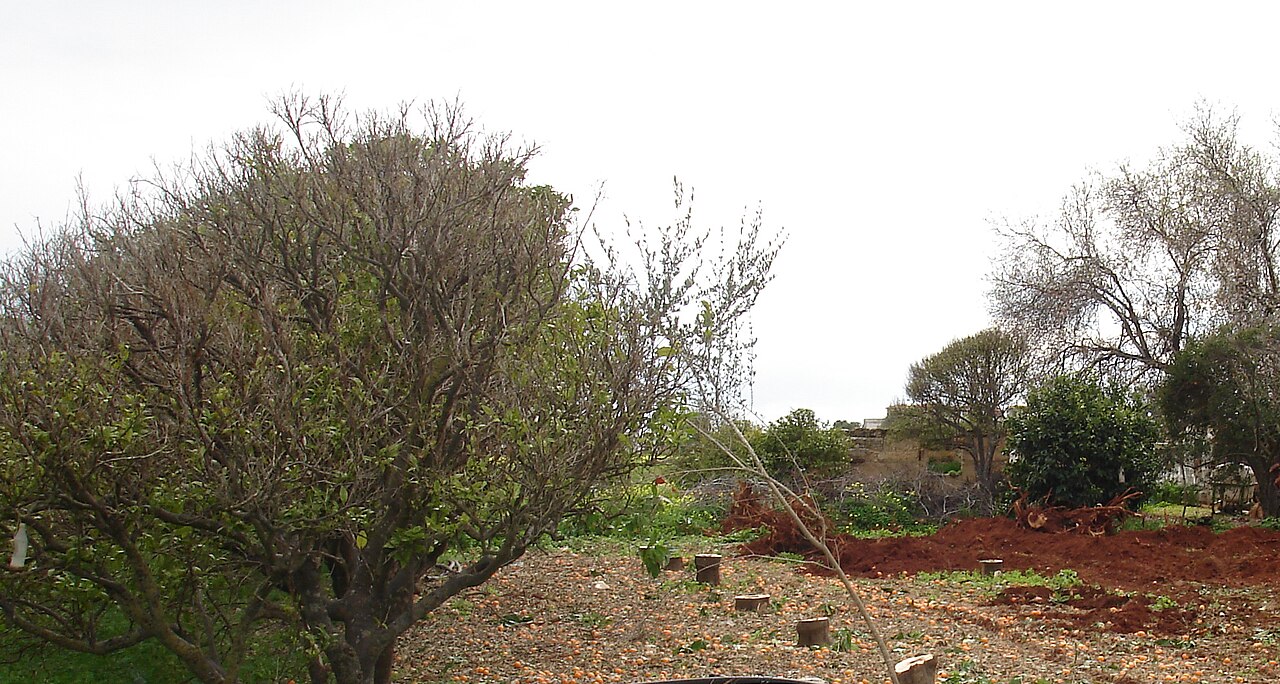
Agriculture in Northern Cyprus is characterized by Mediterranean crop patterns, with citrus fruits, especially lemons and oranges, serving as the flagship export product. Dairy farming has expanded in recent years, driven by both domestic demand and export potential to Turkey. Additional field crops include potatoes, vegetables, and fodder, while livestock production focuses on poultry and small ruminants. The sector faces challenges from water scarcity, climate variability, and the high cost of imported feed and inputs [2,3].
Tourism: Seasonality and Visitor Trends
Tourism is described by officials as a major economic driver, accounting for a significant share of GDP and employment. The industry is heavily seasonal, with the majority of arrivals concentrated between April and October, coinciding with warm weather and cultural festivals. Visitor numbers have fluctuated with global travel trends, pandemic restrictions, and geopolitical sensitivities regarding flight routes and visa policies. The development of coastal resorts, heritage sites, and conference facilities has broadened the product base beyond beach tourism [2,3].
Banking and Financial Services
The banking sector comprises a handful of large institutions, all of which are majority-owned by Turkish banking groups. These banks dominate deposit-taking, corporate lending, and foreign exchange transactions, effectively transmitting monetary policy decisions from Turkey to the Northern Cypriot market. The sector's balance sheet strength is reflected in high capital adequacy ratios, but also in limited financial deepening for small and medium enterprises that struggle to access affordable credit outside the state-backed guarantee schemes [2].
Energy, Water, and Infrastructure
Northern Cyprus suffers from chronic water scarcity, a constraint that affects both agricultural productivity and domestic consumption. The island's limited groundwater resources are supplemented by three desalination plants, which together produce a fraction of the annual water demand. The remainder is sourced from seasonal rainfall, mountain reservoirs, and, increasingly, pumped transfers from the southern Cyprus-controlled areas, a politically sensitive arrangement. Energy supply relies almost entirely on imported oil and gas, with the local Kalecik power plant contributing a marginal share to the grid [2,3].
Renewable Energy Prospects and Investments
In response to rising import bills and environmental targets, recent years have seen modest investments in solar photovoltaic capacity, particularly on rooftops of public buildings and industrial estates. The potential for wind energy along the northern coast is being surveyed, but grid integration and licensing hurdles have slowed deployment. The government has announced a target to increase the share of renewables in the energy mix to 20% by 2030, though the timeline depends on foreign investment and technical cooperation with Turkey [2,3].
Transport and Logistics Corridors
The road network connects the main population centers of Nicosia, Famagusta, and Kyrenia, but much of the infrastructure dates from the mid-20th century and requires periodic rehabilitation. The ports of Famagusta and Kyrenia handle the bulk of cargo and passenger traffic, with ferry links to Turkey forming the lifeline for both trade and personal travel. Ercan Airport, the main international gateway, operates under restricted recognition, limiting direct flight connections and forcing most inbound travelers to transit through Turkey or the Republic of Cyprus [2,3].
Tourism Dynamics and Cultural Heritage
Tourism in Northern Cyprus leverages a combination of sun-and-beach offerings, historic sites, and gastronomic experiences. The industry's resilience was tested during the COVID-19 pandemic, when travel borders closed and charter flights were suspended, leading to a sharp contraction in receipts. The subsequent rebound in 2023 coincided with the resumption of charter services from Russia, the United Kingdom, and the Middle East, and the government's promotional campaigns targeting heritage tourism and eco-tourism [2,3].
Major Tourist Attractions and visitor profiles
Key attractions include the ancient city of Salamis, the Kyrenia Castle and harbor, the Bellapais Abbey, and the beaches of Alagadi and Golden Sands. Visitor profiles skew toward older European tourists, Russian seasonal migrants, and domestic day-trippers. The development of conference and MICE (meetings, incentives, conferences, exhibitions) facilities in Nicosia and Kyrenia has begun to diversify the seasonal pattern, albeit from a low base. Seasonality remains a structural challenge, with winter months seeing occupancy rates below 30% in most hotels [2,3].
Impact of Political Status on Tourism Marketing
The internationally unrecognized status of Northern Cyprus affects tourism marketing and distribution, as many global travel platforms and booking engines do not list Ercan Airport or hotel inventory under the territory's name. This limits visibility and forces reliance on niche operators and direct charter arrangements. However, the lower price point compared to southern Cyprus and Turkey's Mediterranean rivals has become a competitive advantage for budget-conscious travelers, and the government has pursued digital marketing campaigns and trade fair participation to counteract the visibility gap [2,3].
Agricultural Policy and Food Security
Agricultural policy in Northern Cyprus is oriented toward both subsistence production and export promotion, with the Ministry of Agriculture overseeing irrigation projects, subsidized inputs, and quality certification schemes. The sector benefits from a favorable Mediterranean climate, but water scarcity remains the binding constraint on expansion. Recent initiatives have focused on drip irrigation, drought-resistant crop varieties, and the modernization of greenhouses to extend the growing season and reduce water use per unit of output [2,3].
Citrus and Fruits: Export-Oriented Production
Citrus fruits, particularly lemons and oranges, represent the most valuable agricultural export category, shipped predominantly to Turkey under preferential trade arrangements. The quality standards required by Turkish buyers have driven investments in packing facilities and phytosanitary compliance. Beyond citrus, greenhouse tomatoes, cucumbers, and early-season vegetables find year-round demand in regional markets, although competition from Turkish growers intensifies during peak seasons [2,3].
Livestock, Dairy, and Self-Sufficiency Goals
The dairy sector has expanded rapidly, with local producers supplying a growing share of the domestic milk, cheese, and yogurt market. Poultry farming, especially chicken production, is another export-oriented segment, with shipments to Turkey supplementing household consumption. The government has set targets to increase the self-sufficiency ratio for eggs, milk, and vegetables, but progress is limited by input costs, land constraints, and the seasonal nature of pasture-based livestock rearing [2,3].
Banking, Finance, and Monetary Policy
Banking in Northern Cyprus is dominated by a small number of large institutions, all of which are subsidiaries or branches of Turkish banks. This structure ensures that monetary policy, interest rates, and foreign exchange regulations set in Ankara are transmitted almost immediately to the Northern Cypriot market. The banking sector's asset base exceeds the territory's GDP, reflecting the importance of credit for the real estate sector and consumer durables. However, the limited branch network and the reliance on Turkish liquidity mean that financial services remain concentrated in urban centers, with rural areas served by a mix of cooperative banks and cash-based transactions [2].
Interest Rates, Credit, and Real Estate
Interest rates in Northern Cyprus track those set by the Central Bank of Turkey, resulting in relatively high lending rates for both corporate and retail borrowers. The real estate market, particularly in the northern cities of Kyrenia and Famagusta, has experienced periods of booms and busts correlated with Turkish capital flows and diaspora investment. Foreign currency-denominated mortgages are common, exposing borrowers to exchange rate risk if the Turkish lira depreciates. The government has introduced mortgage guarantee schemes to support first-time buyers, but affordability remains a concern in prime coastal locations [2].
Payment Systems, Remittances, and Informal Flows
The payment infrastructure is integrated with Turkey's banking network, enabling seamless transfers in Turkish lira and foreign currencies. Remittances from the Turkish Republic of Northern Cyprus diaspora, estimated to be substantial, flow primarily through informal hawala systems or bank transfers via Istanbul, supporting household consumption and small business working capital. The lack of an independent central bank limits the territory's ability to conduct independent monetary policy or manage capital flows, making the economy vulnerable to external shocks originating in Turkey or the broader region [2].
Challenges, Outlook, and International Engagement
The economy of Northern Cyprus faces a constellation of structural challenges, including high inflation, a chronic trade deficit, water scarcity, and the constraints of international non-recognition. The 2023 growth rebound and the 2024 upward revisions by the IMF suggest a degree of resilience, but the sustainability of expansion depends on the trajectory of Turkish economic policy, global commodity prices, and the sector-specific recovery of tourism. The government's medium-term strategy emphasizes diversification into services, renewable energy, and higher-value agriculture, while maintaining the status quo in trade relations with Turkey [2,3].
Risks from Inflation and External Debt
Persistent inflation above 30% erodes the real value of wages, savings, and government revenues, complicating debt servicing and budget execution. The territory's external debt stock, though not publicly disclosed in detail, is understood to be elevated relative to GDP, with a significant portion denominated in foreign currency. Rolling over maturities and servicing interest in a high-rate environment places pressure on the fiscal balance, particularly when import bills surge due to global energy price spikes [2].
Prospects for Diversification and Regional Integration
The long-term outlook hinges on the success of diversification efforts away from primary commodities and toward knowledge-based services, digital industries, and value-added manufacturing. Enhanced regional integration, beyond the current Turkey-centric model, could open avenues for trade, investment, and infrastructure cooperation with the European Union, the Middle East, and other Mediterranean economies. However, the political dimension of the Cyprus dispute, and the associated isolation from international financial institutions, remains the overarching barrier to broader engagement [2,3].
Social Dimensions and Cost of Living
The cost of living in Northern Cyprus is shaped by the interaction of import prices, local production, and wage levels. Households face elevated expenses for fuel, electricity, and packaged foods, all of which are heavily import-dependent. The average net salary of 51,860₺ (1345$) in 2025, while nominally higher than in previous years, buys less than it did a decade ago given the 39.20% inflation rate in October 2025 [2]. Food inflation has been particularly acute, prompting the government to maintain temporary price controls on staples such as bread, cooking oil, and sugar, though these measures have drawn criticism for distorting market signals and creating shortages [2].
Housing Affordability and Urban Migration
Housing costs in Nicosia and the coastal towns have risen sharply in tandem with the real estate boom fueled by Turkish capital and diaspora demand. Rental prices for modest apartments often exceed the monthly net salary of a single earner, leading to multi-generational households or shared accommodations among young workers. The shortage of affordable housing has triggered municipal interventions, including the allocation of social housing units and the regulation of short-term tourist lettings, but the supply deficit persists [2].
Poverty, Inequality, and Social Safety Nets
Official poverty rates are difficult to ascertain given the informal nature of large parts of the economy, but anecdotal evidence and household expenditure surveys suggest that low-income families, retirees on fixed incomes, and migrant workers are most vulnerable to price shocks. The social safety net consists of means-tested benefits, fuel subsidies, and seasonal employment programs, but coverage is limited and benefit levels are modest relative to the cost of a basic consumption basket. The widening gap between nominal salary growth and real purchasing power has become a focal point of public debate ahead of the next electoral cycle [2].