
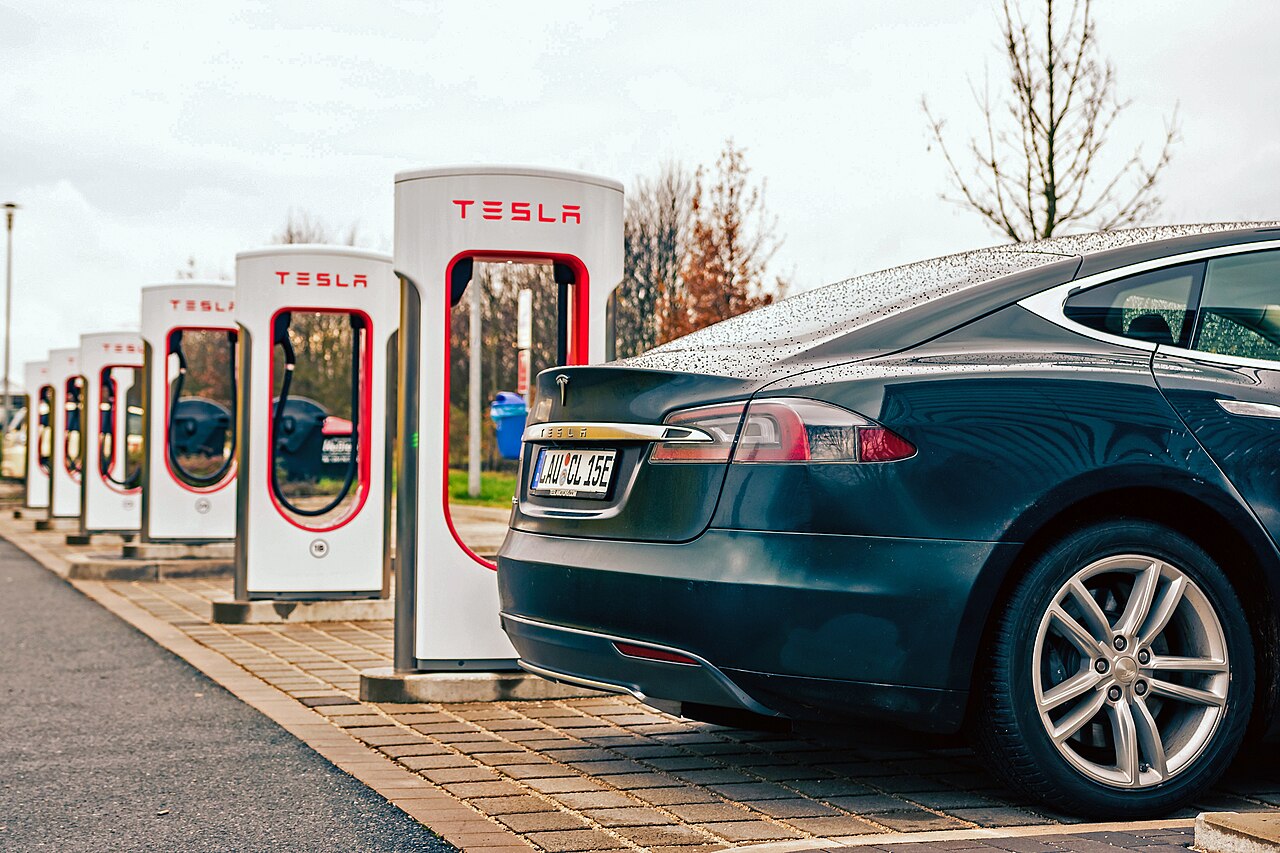
Foundations of Electric Vehicle Architecture
Electric vehicle design encompasses the technological ecosystem of EVs, comparing conventional, hybrid, and electric powertrains [5]. This foundational comparison establishes how architecture shifts when internal combustion engines are replaced by electric drivetrains, influencing everything from packaging to performance characteristics. The design process must account for energy storage placement, motor integration, and power electronics management within existing or new vehicle architectures.
Powertrain Configuration Variations
Energy Storage and Distribution Systems
Regulatory Frameworks and Target Evolution
Moves to weaken the UK's electric vehicle targets were said by campaigners and experts to hurt the car industry and consumers, pending government adviser intervention [1]. This political context reveals how policy direction directly impacts vehicle design priorities, manufacturing commitments, and consumer adoption pathways. Designers must navigate evolving regulatory landscapes that dictate emissions standards, range requirements, and market entry conditions across different jurisdictions.
Policy-Driven Design Constraints
International Harmonization Challenges
Heritage Reinterpretation: The Bentley Blower Jr Case Study
The miniature electric Bentley Blower Jr demonstrates how classic automotive aesthetics can be preserved while incorporating modern electric drivetrain technology. Homologated as an L7e quadricycle in the UK and EU, the vehicle reaches over 50 mph (80 km/h) and offers a certified 75-mile (120 km) range [3]. This classification highlights how small electric vehicles occupy a distinct regulatory category that influences their design parameters and market positioning.
Drivetrain Architecture and Performance Specifications
Chassis Engineering and Ride Quality
Mechanical Design Details of the Blower Jr
The Blower Jr features a 48V electric drivetrain producing 31 hp (23 kW) with the motor positioned across the rear axle and batteries/power electronics packaged underneath the car [3]. This low-voltage architecture represents a practical approach to power delivery in small-scale electric vehicles, where space constraints and weight management are critical design considerations. The 48V system balances performance capability with safety and cost efficiency.
Suspension and Braking System Integration
Body Construction and Material Selection
Aesthetic Preservation and Modern Necessities
The Blower Jr incorporates modern necessities like indicators, headlights, and a reversing camera without ruining the 1929 aesthetic, with a charging port hidden inside a recreation of the original Bentley's supercharger housing [3]. This design approach demonstrates how heritage vehicles can be electrified while maintaining visual authenticity, addressing the challenge of integrating safety and convenience features without compromising historical character. The hidden charging port exemplifies thoughtful packaging that respects original design language.
Lighting and Visibility Systems
User Interface and Control Integration
Production Volume, Pricing, and Market Positioning
The first 25 production Bentley Blower Jr units are part of a nearly sold-out run of 99 First Editions, with another 250 configurable cars following, bringing total production to 349 units [3]. This limited production run reflects the niche market positioning of heritage-inspired electric vehicles, where exclusivity and customization options drive both pricing and desirability. The scarcity model employed by the manufacturer creates immediate market demand while testing consumer reception to premium electric reinterpretations of classic models.
Price Structure and Exchange Rate Considerations
Configurability and Customer Options
Technical Innovation and Engineering Solutions
The Blower Jr's carbon-fiber tub rides on a steel frame with leaf springs and period-style friction dampers, with Brembo disc brakes up front [3]. This hybrid construction approach combines modern materials with traditional suspension geometry, creating a design that honors the original Blower Boy's engineering character while incorporating contemporary safety and performance expectations. The carbon-fiber tub provides structural rigidity and weight savings, while the steel frame foundation ensures durability and familiar handling characteristics.
Brake System Architecture
Weight Distribution and Handling Dynamics
Comparative Analysis: Quadricycles versus Production EVs
The L7e quadricycle classification for the Blower Jr distinguishes it from mainstream production electric vehicles, creating a different design and regulatory pathway. While production EVs must comply with comprehensive safety standards, emissions regulations, and market expectations across multiple categories, quadricycles like the Blower Jr operate under simplified frameworks that permit lower power outputs and reduced performance specifications. This classification difference affects everything from required testing protocols to market pricing and target demographic positioning.
Regulatory Implications for Different Vehicle Classes
Performance Expectations and Consumer Perceptions
Design Philosophy: Balancing Heritage and Innovation
The Bentley Blower Jr project illustrates the central design challenge of reconciling historical aesthetic expectations with contemporary electric vehicle requirements. Every modern necessity—indicators, headlights, reversing camera, charging infrastructure—must be integrated without visible compromise to the 1929 design language. This balancing act requires sophisticated engineering solutions and represents a broader trend in automotive design where heritage preservation meets electrification imperatives. The success of this approach depends on whether consumers value authentic recreation or modern performance prioritization.
Interior Design and Material Choices
Long-term Brand Strategy and Electrification Roadmaps
Market Reception and Industry Implications
The market response to the Bentley Blower Jr, with 99 First Editions nearly sold out and 250 additional configurable units planned, suggests strong consumer appetite for premium, heritage-inspired electric vehicles. This reception pattern indicates that established luxury brands can successfully extend their identity into the electric domain through careful design reinterpretation rather than complete platform displacement. The limited production volume also reflects the experimental nature of such projects while testing market viability at scale.