
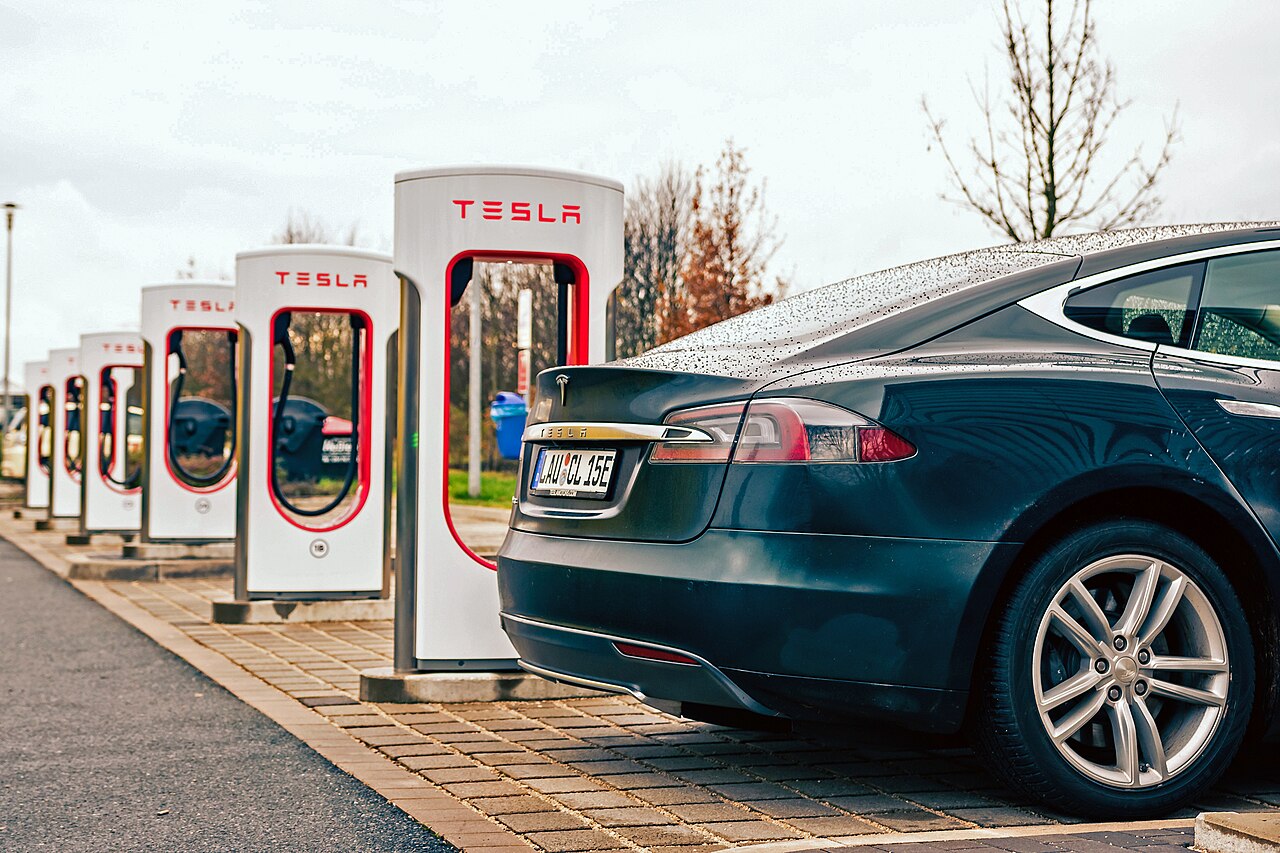
Overview
The electric vehicle industry encompasses the global market for battery-powered cars, buses, trucks and two-wheelers, including sales analysis, production volumes and growth forecasts. [3] This sector has transitioned from niche novelty to mainstream automotive segment over the past decade, with Europe emerging as a particularly dynamic market. [4] Regulatory mandates, falling battery costs and shifting consumer demand have combined to accelerate adoption rates across the continent. [4] Simultaneously, the industry faces critical questions about vehicle reliability, charging infrastructure and long-term cost of ownership that will shape its next phase of growth.
Sales and Production Trends
Global electric vehicle sales have maintained strong momentum despite macroeconomic headwinds, with many manufacturers reporting record quarterly deliveries. [3] Production capacity has expanded dramatically as legacy automakers and new entrants alike commit billions to electrification roadmaps. [3] China continues to lead in absolute unit sales, while Europe has distinguished itself by higher per-capita adoption rates driven by ambitious climate targets and generous purchase incentives. [4] The competitive landscape has intensified as traditional manufacturers leverage their distribution networks alongside pure-play EV startups offering specialized models.
Growth Projections and Market Segments
Forecasts suggest the electric vehicle market will continue its multi-decade expansion, with particular growth expected in the commercial and fleet segments. [3] Passenger cars represent the largest volume segment, but electric buses, delivery vans and heavy-duty trucks are gaining traction as operators seek to reduce fuel costs and emissions compliance costs. [3] The two-wheeler market in many developing regions has also embraced electrification as an affordable mobility solution, further broadening the industry's reach.
Reliability and Maintenance Patterns
A comprehensive UK study of 47.4 million MOT test records has provided valuable data on electric vehicle reliability across different mileage bands. [4] The analysis found that electric vehicles with mileages between 90,000 and 120,000 miles actually demonstrated a 25% lower overall failure rate than comparable internal combustion engine vehicles. [4] Specifically, EVs in this band failed at 16.5% compared to 22.1% for ICE vehicles, suggesting that major component reliability can be comparable or even superior during the mid-life phase.
High-Mileage Comparisons
Beyond the 120,000-mile threshold, the reliability advantage persisted, with electric vehicles maintaining a consistent failure rate around 16% while ICE vehicles saw their failure rate climb to 23.5%. [4] This pattern indicates that electric drivetrains may retain reliability advantages even as vehicles accumulate significant distance, though the study's scope was limited to MOT test outcomes rather than comprehensive mechanical assessments.
Low-Mileage and Component-Specific Findings
At lower mileages between 20,000 and 40,000 miles, the difference in failure rates was negligible, with EVs recording 12% failure versus 11.7% for ICE cars. [4] The study also identified interesting component-specific patterns: high-mileage electric cars had nearly twice as many tire defects as ICE vehicles, likely attributable to instant torque delivery and the heavier weight of battery packs. [4] Conversely, lower-mileage EVs showed higher rates of brake-related issues, attributed to regenerative braking systems reducing use of traditional friction brakes, which can lead to corrosion over time when not regularly exercised. [4]
Study Limitations and Battery Health
The research noted an important caveat: MOT tests do not assess battery health or charging performance, two critical factors for long-term EV reliability. [4] This means the observed reliability patterns reflect components visible to standard testing protocols while leaving major questions about battery degradation and replacement costs unanswered. [4] Additionally, the study found that electric vehicles in the UK tend to be younger than ICE vehicles but often accumulate miles more quickly, particularly in fleet or rental contexts, which may influence the observed reliability patterns.
Charging Infrastructure and Fast-Charging Innovation
One of the persistent challenges for electric vehicle adoption has been charging time, particularly for commercial fleet operations where vehicle uptime is critical. [3] The Megawatt Charging System (MCS) represents a significant advancement in this space, capable of dramatically reducing recharge times for heavy-duty electric vehicles. [3] By delivering up to megawatt-level power, MCS could enable commercial fleets to recharge during driver breaks or loading/unloading cycles, making electrification of long-haul trucking and bus routes more practical.
Implications for Fleet Electrification
The development of high-power charging infrastructure like MCS is particularly relevant for the commercial segment of the electric vehicle industry, where operational constraints differ significantly from passenger car ownership. [3] Fleet operators can potentially route vehicles through high-power charging corridors, reducing the need for extensive overnight charging infrastructure. [3] This technology could also support the growing electric bus market, where buses can opportunity-charge at termini or depots during short layovers, effectively extending range without requiring massive battery packs.
European Adoption Drivers
Electric vehicle adoption across Europe is accelerating on multiple fronts, creating a complex convergence of factors that differ from other regions. [4] Regulatory mandates have set ambitious phase-out dates for internal combustion engines, providing clear signals to both manufacturers and consumers. [4] Technological advancements have improved driving range, reduced charging times and lowered overall cost of ownership, making EVs increasingly competitive even without subsidies. [4] Energy price volatility has also played a role, as electricity often proves cheaper per mile than gasoline or diesel, particularly when charged at home or during off-peak periods. [4] Finally, shifting consumer demand has been evidenced by growing model availability, improved charging networks and increasing familiarity with electric driving experiences.
Policy and Regulatory Landscape
The European policy environment has been particularly supportive of electric vehicle deployment, with many countries offering purchase incentives, tax benefits and access to low-emission zones. [4] These policies have helped bridge the initial cost gap between electric and conventional vehicles, though many governments are now restructuring incentives as market maturity increases. [4] The combination of regulatory certainty and financial support has created an environment where mainstream manufacturers can plan multi-year electrification strategies with greater confidence.
Cost of Ownership and Total Cost of Benefits
Beyond the purchase price, the total cost of ownership equation for electric vehicles has become increasingly favorable compared to internal combustion alternatives. [4] Lower fuel costs, reduced maintenance requirements and various tax incentives can combine to make EVs cheaper to own over typical vehicle lifecycles. [4] The reliability data from the UK MOT study, showing comparable or superior performance at higher mileages, further supports the long-term cost advantage narrative, though battery replacement costs remain a variable that differs by vehicle and usage pattern. [4] Insurance costs and residual values also factor into the overall equation, with trends varying by market segment and model popularity.
Future Outlook and Emerging Technologies
The electric vehicle industry shows no signs of slowing, with numerous emerging technologies poised to address remaining adoption barriers. [3] Solid-state batteries promise higher energy density, faster charging and improved safety profiles, though widespread production remains several years away. [3] Vehicle-to-grid technology could allow EVs to function as mobile energy storage, supporting grid stability and creating new revenue streams for owners. [3] Autonomous driving capabilities, when fully realized, could optimize driving patterns and further improve energy efficiency. [3] Meanwhile, charging infrastructure continues to expand, with high-power systems like MCS and widespread Level 2 deployment addressing the practical charging needs of diverse user profiles.