
Overview of Emergency Preparedness
Emergency preparedness refers to the coordinated actions taken by governments, agencies and individuals to reduce the impact of sudden hazards such as natural disasters, cyber‑attacks or armed conflict. Across continents, public campaigns aim to embed basic survival skills, supply planning and communication strategies into everyday life, encouraging households to think ahead before a crisis strikes [1].
Why Preparedness Matters
Preparedness saves lives by ensuring that essential resources—food, water, medication and information—are available when infrastructure fails. Studies show that communities with pre‑planned response kits recover faster and experience fewer injuries after floods, earthquakes or wildfires. The approach also supports national resilience, allowing emergency services to focus on rescue rather than basic supply distribution [2].
Core Elements of a Prepared Society
Key pillars include public awareness campaigns, official guidance portals, regular testing of alert systems, and professional tools for emergency managers. When these components align, citizens receive clear instructions, can self‑sustain for at least 72 hours, and understand how to receive official warnings through systems like the Emergency Alert System (EAS) [3][4][5].
Global Public Campaigns
Governments worldwide have launched campaigns that encourage the general public to prepare for a range of emergencies, from cyber‑threats to earthquakes. These initiatives often combine media outreach, printable checklists and community workshops, creating a culture of readiness that transcends borders [1].
Campaign Strategies
Typical strategies involve partnering with schools, workplaces and local NGOs to disseminate information. Visual branding, such as logos and slogans, helps citizens recognize official advice quickly. In many countries, the messaging stresses the importance of a 72‑hour supply cache, mirroring the United Kingdom’s “Be Ready” approach [1].
Measuring Impact
Impact is measured through surveys, the number of kits distributed and participation in nationwide drills. Successful campaigns report higher awareness scores and increased household kit ownership, indicating that repeated exposure to preparedness messaging can shift behavior over time [1].
United States: Military‑Centric Focus
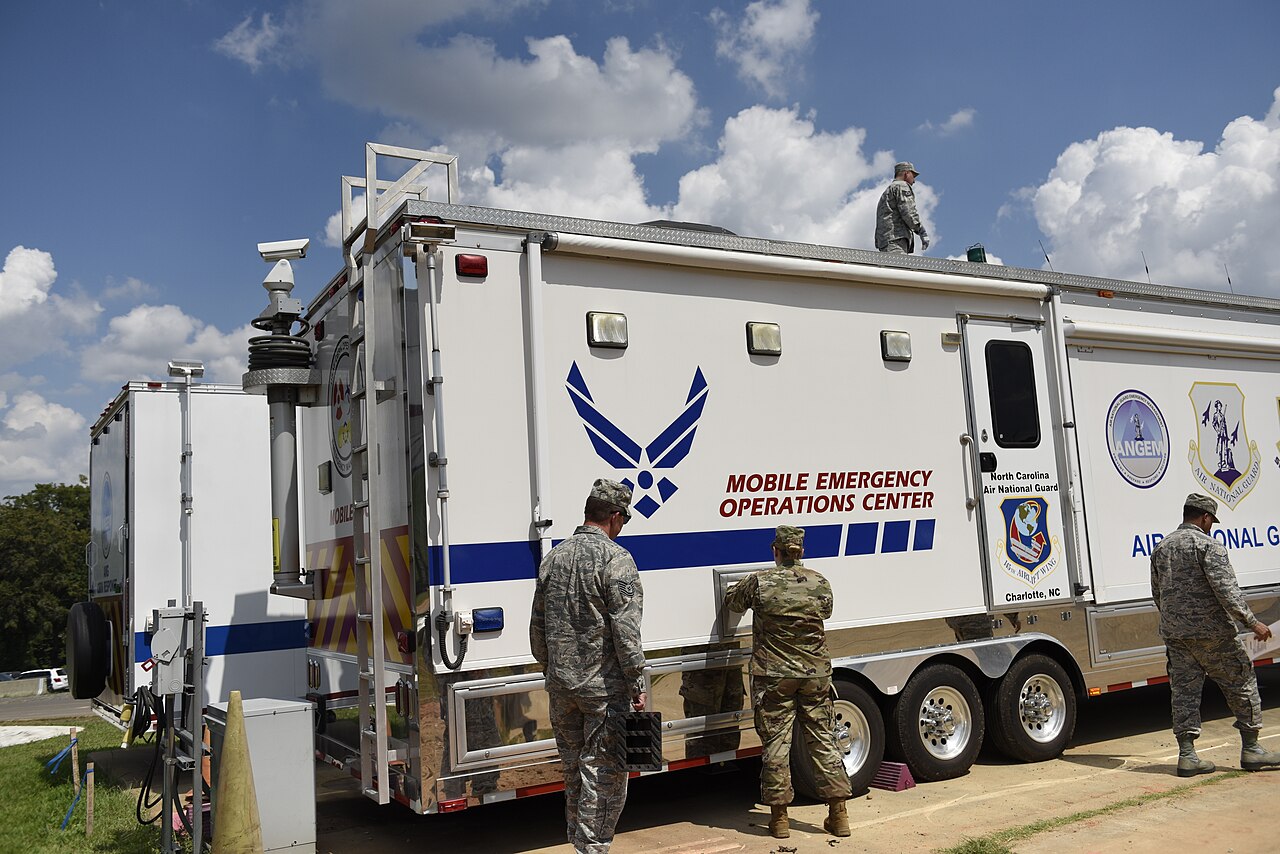
Unlike many nations that target the civilian population, the United States places a notable emphasis on military readiness for emergencies. This divergence reflects a strategic priority on defending critical infrastructure and responding to large‑scale threats through armed forces rather than solely relying on public self‑sufficiency [1].
Policy Rationale
U.S. policy documents argue that a strong military posture deters hostile actors and provides rapid deployment capabilities for disaster relief. The approach complements civilian programs but prioritizes defense assets, creating a dual‑track system where the public receives guidance through agencies like FEMA while the military prepares for large‑scale crisis response [1].
Public Resources
Despite the military focus, the federal government still offers extensive civilian resources. Ready.gov serves as the official portal for disaster preparedness, covering hazards such as earthquakes, floods, hurricanes and wildfires, and providing step‑by‑step kits and family communication plans [2].
United Kingdom’s “Be Ready” Campaign
The United Kingdom’s national preparedness drive, branded “Be Ready,” urges households to stock supplies that can sustain them for at least 72 hours. The campaign highlights water, non‑perishable food, medication, and a battery‑powered radio as essential items, aligning with European best practices for short‑term self‑reliance [1].
Key Messaging
Public messages stress that a three‑day supply buffer can bridge the gap until emergency services restore utilities or open shelters. The guidance also includes a checklist for personal documents, a first‑aid kit and a plan for contacting vulnerable relatives during a crisis [1].
Community Engagement
Local councils partner with schools and community centres to host preparedness fairs, distributing printed materials and demonstrating how to assemble a kit. These events are timed around seasonal risks such as winter storms or summer heatwaves, reinforcing the relevance of the 72‑hour rule throughout the year [1].
Sweden and Japan: Updated Crisis Guidance
Both Sweden and Japan have recently refreshed their official guidance for populations facing crisis or war scenarios. The updates reflect evolving geopolitical tensions and incorporate lessons learned from recent natural disasters, ensuring that citizens receive contemporary advice on shelter, communication and resource management [1].
Swedish Approach
Sweden’s revised guidance emphasizes civil defence shelters, digital alert apps and the importance of maintaining personal emergency kits that include winter‑appropriate clothing. The material also outlines procedures for reporting hazards to national authorities via secure online platforms [1].
Japanese Strategy
Japan’s new publications focus on earthquake‑proofing homes, stockpiling water purification tablets and establishing neighborhood watch groups that can coordinate evacuation routes during conflict or disaster. The guidance integrates traditional disaster drills with cyber‑security awareness, reflecting the nation’s dual exposure to natural and digital threats [1].
Digital Tools for Citizens and Professionals
Online platforms play a central role in disseminating preparedness information. Ready.gov offers a user‑friendly interface where individuals can explore hazard‑specific checklists, create family emergency plans and locate nearby shelters. The site’s breadth covers earthquakes, floods, hurricanes and wildfires, ensuring comprehensive coverage of the most common U.S. threats [2].
Ready.gov Features
Key features include interactive quizzes that assess a household’s readiness level, printable kits lists and video tutorials on first‑aid techniques. The portal also links to state‑specific resources, allowing users to tailor their plans to local risk profiles and regulatory requirements [2].
PrepToolkit for Professionals
PrepToolkit provides emergency‑management professionals with a suite of tools designed to implement the National Preparedness System. The platform embodies FEMA’s mission by offering templates for risk assessments, training modules and performance metrics that help agencies evaluate their readiness posture [4].
Testing the Emergency Alert System
A coordinated nationwide test of the Emergency Alert System (EAS) is scheduled for Tuesday, November 17, 2026. The test, organized by FEMA and the Federal Communications Commission, aims to verify that broadcast, cable and wireless networks can transmit emergency warnings quickly and accurately across the United States [3].
Purpose of the Test
The exercise evaluates the technical reliability of alert pathways, ensures that message formats comply with national standards, and provides an opportunity for agencies to practice rapid dissemination of critical information during a real‑world event. Successful completion reinforces public confidence in the alert infrastructure [3].
Public Participation
Citizens are encouraged to note the tone, content and timing of the test alert on their devices, then report any issues to local emergency management offices. Feedback helps refine future alerts, making them clearer and more actionable for diverse audiences, including those with disabilities [3].
State‑Level Guidance: New York Example
The New York State Department of Health offers a comprehensive emergency preparedness portal that addresses the needs of families, individuals and caregivers. The site covers a spectrum of hazards, ranging from natural disasters such as hurricanes to man‑made emergencies like chemical spills or terrorist attacks [5].
Resources for Families
Family‑focused materials include printable emergency‑plan worksheets, guidance on assembling a home kit and tips for communicating with children during a crisis. The department also provides culturally and linguistically appropriate resources to ensure that diverse communities can access vital information [5].
Support for Caregivers
Caregivers receive specialized advice on maintaining medication supplies, securing medical equipment and coordinating with local health providers during evacuations. The portal lists emergency shelters equipped to handle individuals with disabilities, reinforcing an inclusive approach to disaster response [5].