
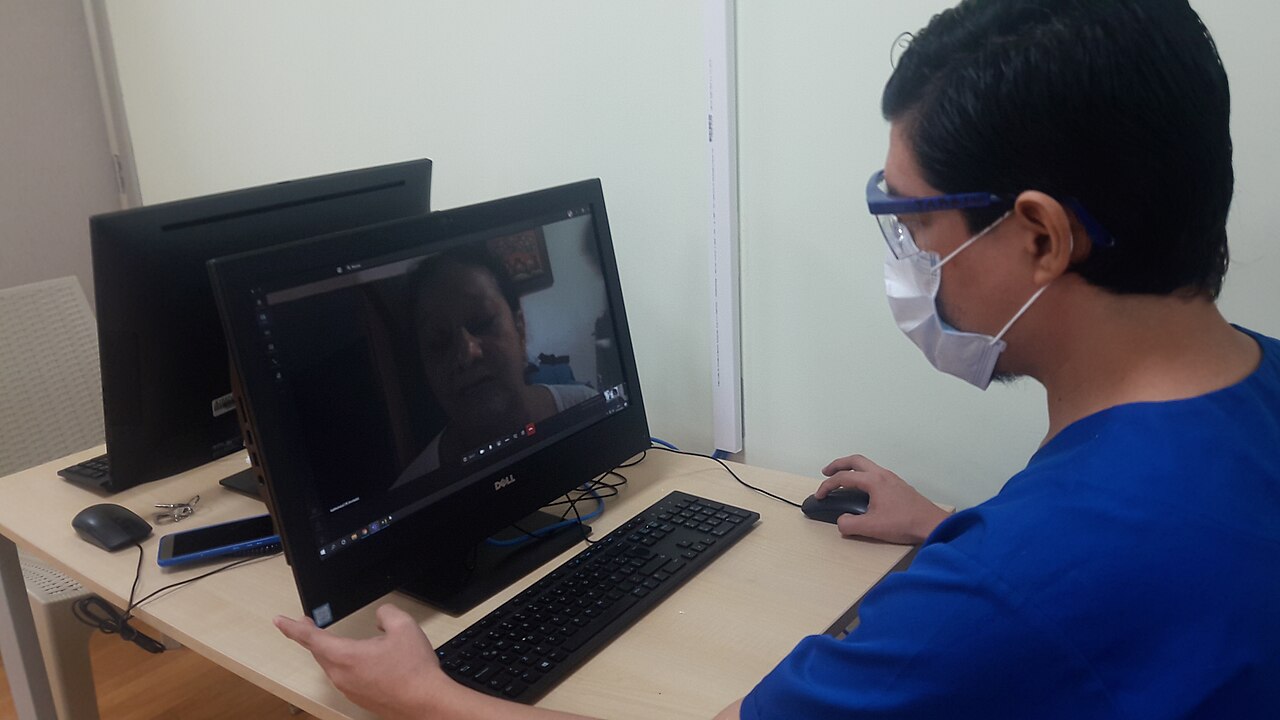
Overview of Telehealth Modalities
Telehealth, which can be referred to as telemedicine, enables individuals to consult with their healthcare professional without needing to physically visit a provider's office [2] [5]. This remote interaction is achievable through various digital tools, including a computer, a tablet, or a smartphone [2]. The core function involves the electronic transmission of medical information from one location to another [5].
Defining the Interaction Standard
The Centers for Medicare and Medicaid Services (CMS) specifically defines telehealth as a communication that occurs in real-time and is bidirectional [5]. This standard ensures a dynamic and interactive exchange rather than a one-way data transmission [5].
Mechanisms of Remote Care Delivery
Care delivery via telehealth can involve speaking with a provider over the telephone or utilizing video conferencing capabilities [2]. Furthermore, the system supports the secure transmission of medical messages between parties [2].
Digital Tools for Patient Access
Access to these remote services is facilitated by common personal electronic devices such as smartphones, tablets, and computers [2]. These tools bridge the geographical gap between patients and specialized medical expertise [2].
Geographic Expansion and Policy Support
Federal initiatives have supported the growth of telehealth, exemplified by the Trump Administration's commitment to expanding access [1]. A specific investment of $20 million was designated to enhance telehealth availability and modernize healthcare technology across rural North Carolina through the federal Rural Health Transformation Program (RHTP) [1].
Benefits of Rural Health Investment
This financial backing in rural North Carolina is intended to allow patients to connect with necessary care remotely [1]. Beyond connectivity, the funding also supports crucial infrastructure improvements, such as upgrading electronic health records and bolstering cybersecurity measures within the healthcare system [1].
Technological Infrastructure Supported by Funding
The RHTP funding in rural North Carolina aids in adopting advanced technology that assists clinicians in making well-informed decisions regarding patient care [1]. This technological adoption is central to the evolution of modern healthcare delivery [1].
Cybersecurity and Data Integrity
Strengthening cybersecurity is a key component supported by this federal funding [1]. Ensuring the safety and integrity of electronic health records is vital when care is delivered remotely [1].
Case Study: Maternal-Fetal Medicine in Iowa
A specific implementation of telehealth is underway in Iowa, where UnityPoint Health is launching the state's inaugural statewide maternal-fetal medicine telehealth network [4]. This network is designed to link local ultrasound providers directly with specialists located in Des Moines [4].
Specialized Care Access
This Iowa initiative demonstrates how specialized, high-level care, such as maternal-fetal medicine, can be distributed across a wide geographic area using telehealth infrastructure [4]. Local providers gain immediate access to specialist knowledge without patient travel [4].
The Nature of Medical Information Exchange
Fundamentally, telehealth, telemedicine, and related concepts describe the electronic interchange of medical data between different physical locations [5]. This exchange is the operational backbone of remote healthcare [5].
Real-Time vs. Asynchronous Exchange
While CMS emphasizes a two-way, real-time interaction [5], the general concept encompasses various electronic communications, including secure messaging [2]. The distinction helps clarify the nature of the clinical encounter [5].
Evolution of Healthcare Delivery Models
The shift toward remote consultation represents a significant change in how healthcare is accessed and managed [2]. It moves care out of traditional brick-and-mortar settings and into digital platforms [2].
Patient Convenience and Reach
The ability to see a provider online using a smartphone or tablet enhances patient convenience significantly [2]. This accessibility is particularly beneficial for those in rural areas or with mobility challenges [2].
Policy and Investment Landscape
Government action, such as the $20 million investment in rural North Carolina [1], highlights the policy focus on bridging healthcare disparities through technology [1]. These investments aim to modernize entire regional healthcare ecosystems [1].
Goals of Federal Programs
The objectives of programs like RHTP include not just expanding access but also ensuring the underlying technology, like electronic health records, is up-to-date and secure [1]. This holistic approach addresses both access and quality of care [1].
Technological Components in Practice
The successful operation of telehealth relies on stable digital platforms supporting video, phone calls, and secure messaging [2]. These components must function reliably for a true real-time interaction as defined by CMS [5].
Device Versatility
The utilization of computers, tablets, or smartphones [2] means telehealth is not restricted to specialized clinic equipment but can leverage personal technology for patient engagement [2].
Regional Implementation Examples
The Iowa maternal-fetal medicine network [4] serves as a concrete example of specialized telehealth deployment [4]. Connecting local ultrasound services with Des Moines specialists exemplifies targeted regional healthcare improvement [4].
Connecting Local to Specialist Care
This model ensures that complex obstetric care benefits from specialized expertise without requiring patients to travel long distances for consultation [4]. It decentralizes high-level medical knowledge [4].
Significance for Healthcare Equity
By enabling remote care, telehealth directly addresses geographical barriers to healthcare access, particularly in rural settings supported by federal funding [1] [2]. This contributes to a more equitable distribution of medical resources [1].
Reducing Barriers to Entry
The ability to connect via phone or video [2] lowers the logistical and financial hurdles often associated with in-person medical appointments [2]. This enhanced accessibility is a key outcome of telehealth adoption [2].
Operational Requirements for Telehealth
For telehealth to meet regulatory standards, it must facilitate a two-way, real-time exchange [5]. This requirement goes beyond simple data transfer, demanding interactive communication [5].
Data Security Imperatives
The integration of electronic health records within telehealth systems necessitates robust cybersecurity measures, a focus area supported by RHTP funding in North Carolina [1]. Protecting patient data during electronic exchange is paramount [1].
Future Trajectories of Digital Health
The trend toward digital health continues to evolve, with examples like the Iowa network showing specialized application [4]. The integration of technology to support informed clinical decisions is a growing aspect of this field [1].
Continuous Technological Advancement
The ongoing support for technology upgrades, such as those funded in rural North Carolina [1], suggests a trajectory toward more sophisticated and integrated remote care solutions [1].