
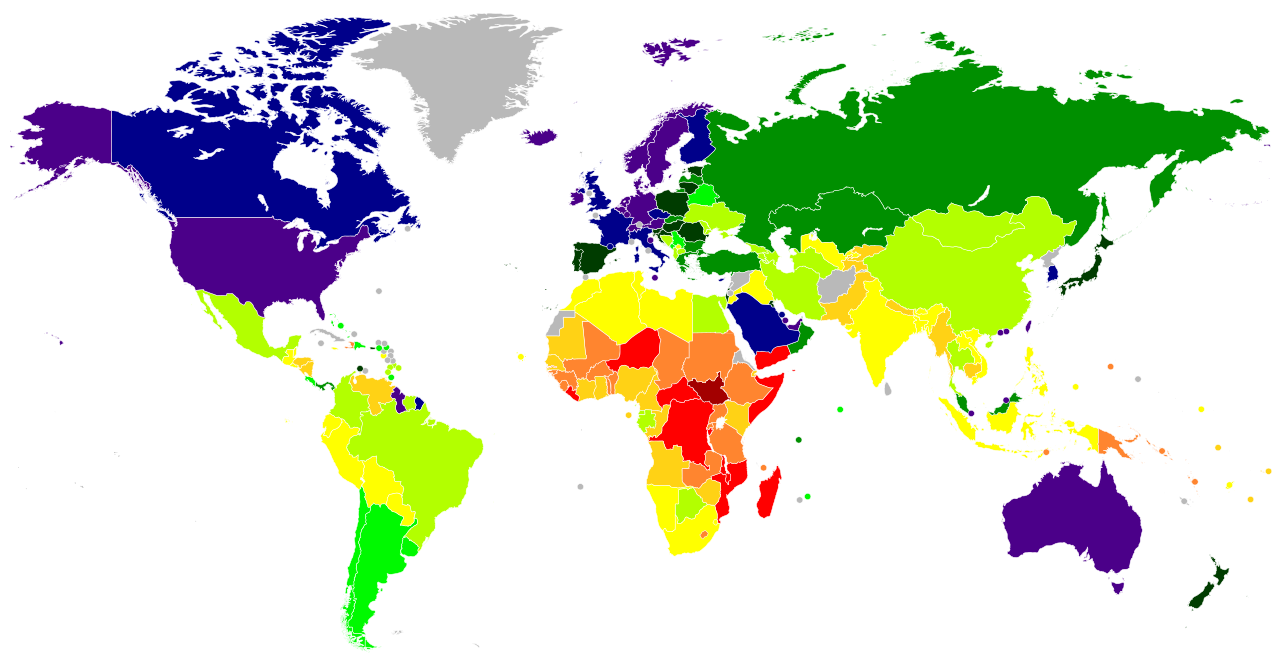
Overview of Economic Disciplines
The field of economics is multifaceted, featuring distinct branches such as Microeconomics and Macroeconomics [1]. Microeconomics concentrates on specific market elements, examining concepts like production, cost, efficiency, supply and demand, and instances of market failure [1]. Conversely, Macroeconomics addresses broader national and global issues, including growth, the business cycle, unemployment, and the application of fiscal policy [1].
Scope of Microeconomic Analysis
Microeconomic study delves into how individual economic agents make decisions within markets [1]. This involves understanding the mechanics of supply and demand, how costs are determined in production, and evaluating the efficiency of resource allocation [1]. Market failure represents a key area of focus within this scope [1].
Macroeconomic Focus Areas
Macroeconomic analysis provides a high-level view of economies, tracking variables such as national growth rates and the state of the business cycle [1]. Unemployment levels and the effectiveness of fiscal policy are central concerns in this domain [1].
Diverse Sub-Fields of Economic Study
Beyond the core branches, economics features specialized areas offering focused insights [1]. These include Public economics, which deals with government intervention; International economics, which examines global trade; Labour economics, focusing on labor markets; and Development economics, which studies economic progress in developing nations [1].
International Economic Perspectives
International economics investigates cross-border economic interactions, such as trade flows and global financial movements [1]. This contrasts with domestic analysis by incorporating multinational influences into economic models [1].
Labour Market Specialization
Labour economics provides detailed examination of employment dynamics, wages, and labor productivity [1]. This area intersects with broader concerns about unemployment tracked in macroeconomic studies [1].
Global Economic Data Availability
Extensive global economic metrics are accessible through platforms like Trading Economics [5]. This service compiles 20 million indicators spanning 196 countries [5]. Key data points available include figures for GDP Growth, Inflation Rate, Unemployment Rate, and Interest Rate [5].
Indicators for Comparative Analysis
The availability of standardized indicators allows for cross-country comparisons of economic health [5]. For instance, specific regional data, such as the S&P Global Flash Eurozone Composite PMI, indicated modest private sector growth at 51.7 in November [5].
Tracking Consumer and Business Activity
Data on consumer behavior and business sentiment are crucial for economic forecasting [5]. The Eurozone PMI figure specifically signals the state of private sector activity within that region [5].
Recent Economic Observations (October/November 2026)
Economic commentary from Regions Bank, issued in November 2026, provided analysis based on October 2026 data [3]. This commentary highlighted specific trends observed during that period [3].
Retail Spending Trends
October Retail Sales data indicated that the rate of spending growth maintained a stable footing [3]. This suggests resilience within consumer purchasing patterns during the specified month [3].
Inflationary Pressures
Simultaneously, the October Consumer Price Index revealed ongoing inflation pressures, with indications that these pressures were not diminishing [3]. This points to persistent cost increases in the economy [3].
Deloitte Insights Research Focus
Deloitte Insights contributes research to the economic landscape, covering several critical areas [2]. These topics include Business Investment, Consumer Spending, Fiscal & Monetary Policy, and Labor Markets [2].
Policy and Spending Analysis
Research from Deloitte covers how fiscal and monetary policies affect consumer spending habits [2]. Understanding these interactions is vital for businesses navigating current economic conditions [2].
Labor Market Insights
Labor markets are a key focus for Deloitte's analysis [2]. This aligns with the macroeconomic study of unemployment and labor economics [1].
Understanding Economic Measurement
Economic health is quantified through various metrics, such as GDP Growth and Inflation Rate, which are tracked globally [5]. These measurements help determine if an economy is expanding or contracting [5].
PMI as a Business Health Barometer
The Purchasing Managers' Index (PMI), exemplified by the Eurozone Composite PMI, serves as a leading indicator of private sector health [5]. A value above 50 suggests expansion [5].
CPI and Inflation Tracking
The Consumer Price Index (CPI) is the measure used to gauge inflation, as seen in the October data [3]. Sustained inflation pressures, as noted, require policy responses [3].
Implications for Business Strategy
Businesses must integrate diverse economic knowledge into their strategies [1]. Insights from Deloitte on Business Investment and Consumer Spending [2] inform capital allocation [2].
Navigating Inflation
When inflation pressures persist, as observed in October [3], businesses must manage rising input costs and adjust pricing strategies accordingly [3].
Responding to Growth Signals
Modest growth signals, like the Eurozone PMI holding steady at 51.7 [5], suggest a cautiously optimistic environment for private sector operations [5].
Context of Economic Reporting Timelines
Economic reports often cover past periods; for example, the November 2026 commentary analyzed October 2026 data [3]. This lag between data collection and public analysis is standard in economic reporting [3].
Forecasting vs. Retrospective Analysis
While some reports are retrospective, global indicators like those from Trading Economics provide current snapshots across 196 nations [5]. This mix allows for both historical review and forward-looking assessment [5].
Policy Timing
Fiscal and monetary policy decisions [2] are often made in response to data from previous months, such as the October CPI figures [3].
Synthesizing Economic Views
A comprehensive view requires synthesizing micro-level details (cost, efficiency) [1] with macro-level trends (growth, unemployment) [1]. Deloitte research bridges this by looking at labor markets alongside policy [2].
Data Integration Example
The steady retail spending growth in October [3] must be weighed against persistent inflation pressures observed in the same month [3] when planning investments [2].
Global vs. Regional Focus
Global indicators from Trading Economics [5] offer breadth, while specific regional data, like the Eurozone PMI [5], offers necessary depth for targeted business planning [5].