
Overview and Immediate Aftermath
On Wednesday evening, a FedEx cargo plane overran the runway at Miami International Airport, causing a temporary ground stop that grounded departures heading to the airport just after 20:15 local time [1]. The FAA halted flights bound for the airport after the aircraft overran the runway, and all but one runway were closed following the incident [1]. The ground stop occurred on the day before Thanksgiving, one of the busiest travel days of the year in the US [1]. Flight delays in Miami reached one hour but appeared to be declining later Wednesday night [1]. The Miami-Dade area was under a flood watch until late Wednesday night with periods of heavy rain expected [1]. The aircraft involved arrived from Memphis [1]. No injuries were reported among the crew or passengers on the FedEx plane [1]. The FedEx cargo plane veered off the runway around 8:40 p.m. after reportedly overshooting its landing [4]. All landing strips at Miami International Airport except for one were shut down as a result of the incident [4]. The aircraft had two crew members onboard and missed the runway [4]. The incident occurred on Thanksgiving Eve (Wednesday night) [4].
Runway Overrun Mechanics
A runway overrun occurs when an aircraft lands beyond the designated touchdown zone and cannot stop within the remaining runway length, veering off the pavement surface [1][4]. The FedEx cargo plane's overshoot resulted in the aircraft departing the runway environment, which triggered immediate closure of the majority of Miami International Airport's landing strips [4]. The presence of heavy rain and a flood watch in the Miami-Dade area may have contributed to reduced braking effectiveness, though official determinations of causal factors remain under investigation [1].
Air Traffic Control Response
Following the overrun, air traffic control implemented a ground stop for all departures heading to Miami International Airport, effectively halting the flow of outbound flights from other airports bound for the destination [1]. This measure was necessary to clear the affected runways and assess damage to the runway surface and surrounding infrastructure [1]. The ground stop lasted for several hours, with departures gradually resuming as runway conditions were restored and safety inspections were completed [1].
Timeline of Events: Thanksgiving Eve Disruption
Evening Departure Grounding
Just after 20:15 local time (01:15 GMT), departures heading to Miami were grounded following the FedEx cargo plane incident [1]. The timing of the event, on the day before Thanksgiving, amplified the operational impact as travelers prepared for one of the peak departure periods of the year [1].
Runway Closures and Recovery
In the aftermath, all but one runway at Miami International Airport were closed to facilitate emergency response and runway inspection [1]. The closure of multiple runways created a significant bottleneck for the airport's capacity, which typically operates multiple parallel runways to handle high traffic volumes [1]. Recovery operations involved clearing the overrun aircraft, inspecting the runway surface for damage, and gradually reopening closed runways as conditions permitted [1].
Operational Impact and Delay Propagation
The ground stop and runway closures resulted in widespread flight delays, with delays reaching one hour for some departing flights [1]. The disruption propagated through the national airspace system as aircraft already inbound to Miami were diverted or held, and outbound flights from origin airports were delayed or canceled [1]. The day-before-Thanksgiving timing meant that many of the affected travelers were beginning their holiday journeys, increasing the personal and economic significance of the delays [1].
Aircraft and Operational Context
FedEx Cargo Fleet Operations
The aircraft involved in the Miami International Airport incident was a FedEx cargo plane, operating as part of the express delivery carrier's extensive fleet [1][4]. FedEx operates a large number of cargo aircraft designed for overnight and time-sensitive deliveries [4]. The incident involved an aircraft that had arrived from Memphis, a major FedEx hub, highlighting the network connectivity of the carrier's operations [1].
Crew and Passenger Safety
One of the most critical aspects of the incident was the absence of injuries among the two crew members onboard the FedEx cargo plane [1][4]. The safe evacuation and lack of harm to the flight crew underscores the effectiveness of aircraft design and crew training in managing unexpected runway excursions [4]. While the aircraft veered off the runway, the structural integrity of the plane and the professionalism of the crew prevented a more serious outcome [1][4].
Runway Infrastructure at Miami International
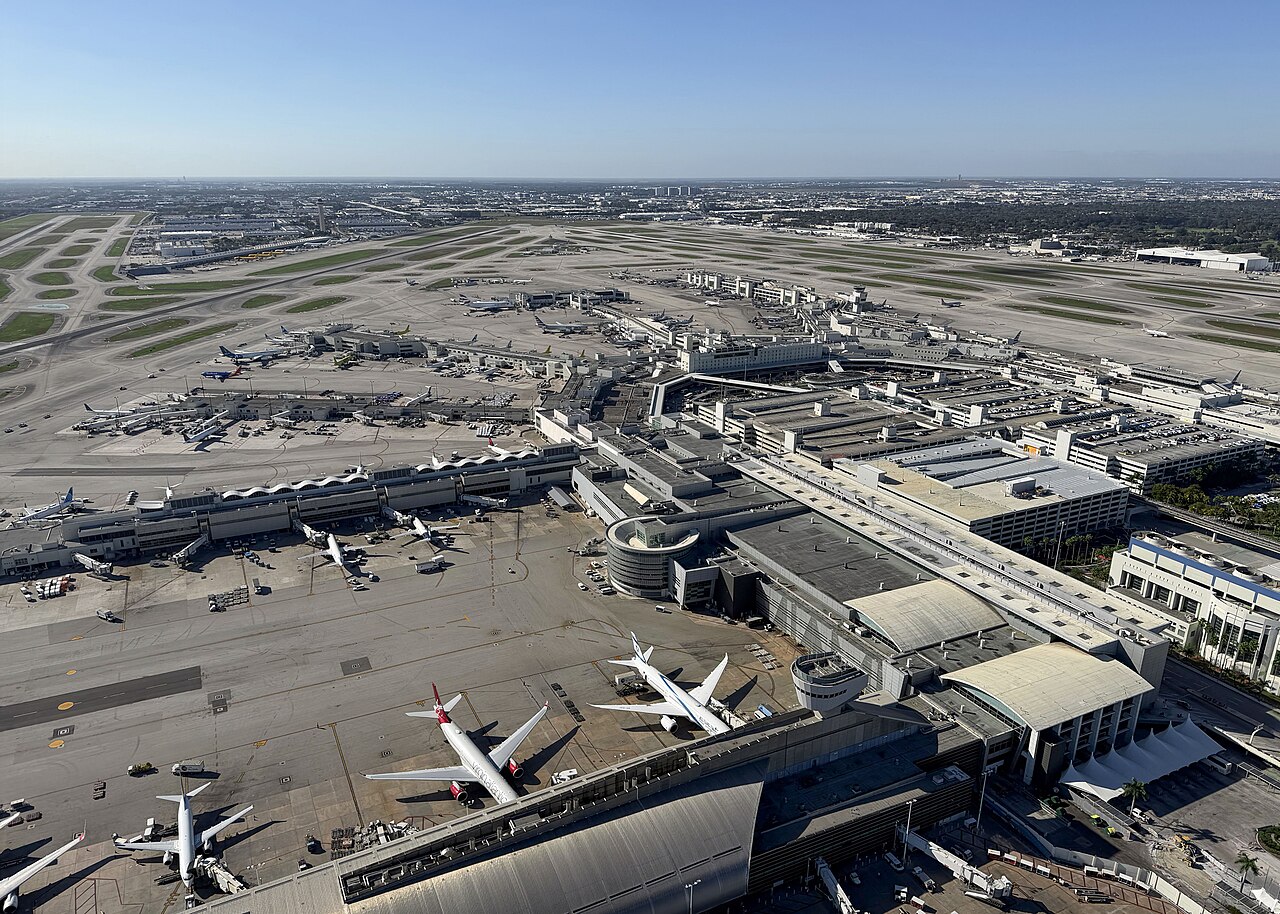
Miami International Airport is a major international gateway with multiple runways designed to handle a high volume of commercial and cargo operations [1]. The incident resulted in the shutdown of all but one runway, significantly reducing the airport's landing capacity [1]. The airport's runway configuration and the specific runway that remained operational played a crucial role in maintaining some level of service during the disruption [1].
Meteorological Factors and Environmental Conditions
Rain and Flood Watch Conditions
The Miami-Dade area was under a flood watch until late Wednesday night, with periods of heavy rain expected at the time of the incident [1]. Wet runway conditions are a known factor in aircraft performance, potentially increasing landing distances and reducing braking efficiency [1]. While the exact contribution of weather to the runway overrun is under investigation, the presence of heavy rain is a relevant environmental variable [1].
Visibility and Lighting Considerations
The incident occurred in the evening hours, and weather reports indicated heavy rain in the vicinity of Miami International Airport [1]. Reduced visibility and wet surface conditions can affect a pilot's ability to judge touchdown point and runway alignment [1]. Airport lighting and instrument landing systems are designed to operate in adverse conditions, but the combination of rain and evening timing presents operational challenges [1].
Seasonal Travel Period Implications
The timing of the incident on Thanksgiving Eve placed it within a period of exceptionally high air travel demand in the United States [1]. The interaction between weather-related operational disruptions and peak travel volume creates a compounded effect on the national air travel system [1]. Airports typically implement contingency plans for high-demand periods, but unexpected incidents like a runway overrun can strain these preparedness measures [1].
FAA and Air Traffic Management Response
Federal Aviation Administration Actions
The Federal Aviation Administration (FAA) halted flights bound for Miami International Airport following the aircraft overrun [1]. The FAA's ground stop order was a standard safety procedure designed to prevent further aircraft from entering an unsafe runway environment [1]. The agency worked in coordination with airport authorities and the aircraft operator to restore normal operations as quickly as possible while maintaining the highest safety standards [1].
Ground Stop Procedures and Protocols
A ground stop is an air traffic control measure that restricts departures from one or more origin airports to manage traffic flow into a specific destination [1]. The procedure is typically employed when there is a disruption to the destination airport's runway capacity or airspace [1]. In the case of the Miami International Airport incident, the ground stop was implemented immediately after the FedEx cargo plane overran the runway, effectively pausing the flow of outbound flights to allow for runway clearance and safety inspections [1].
Delay Management and Passenger Impact
Following the ground stop, flight delays in Miami reached one hour but appeared to be declining later Wednesday night [1]. The FAA and airport authorities worked to manage the propagation of delays throughout the day and evening [1]. Passengers facing extended delays were provided with updates and rebooking options, though the day-before-Thanksgiving timing meant that many travelers experienced significant disruption to their holiday plans [1].
Investigation and Safety Analysis
Determining Causal Factors
Following a runway overrun incident, aviation safety investigators typically examine a range of factors including pilot technique, aircraft performance, runway conditions, and weather [1]. The National Transportation Safety Board (NTSB) and FAA would likely conduct a thorough investigation into the Miami International Airport incident [1]. Factors such as the aircraft's approach speed, touchdown point, and the effectiveness of braking on a wet runway would be key areas of scrutiny [1].
Historical Context of Runway Overruns
Runway overruns are a recognized category of aviation incident, and while many result in no injuries, they represent a significant safety concern [1][4]. The aviation industry employs various risk mitigation strategies, including improved runway surface materials, enhanced pilot training for adverse conditions, and advanced airport lighting systems [1]. The Miami incident contributes to the ongoing body of data on runway safety, and lessons learned may inform future preventive measures [1].
Long-term Infrastructure Considerations
The closure of multiple runways at Miami International Airport highlights the importance of runway redundancy and infrastructure resilience at major hubs [1]. Airports must balance the cost of maintaining extensive runway networks with the operational reality of handling increasing traffic volumes [1]. The incident may prompt a review of runway maintenance schedules, drainage systems, and emergency response protocols to reduce the likelihood and impact of future overrun events [1].
Broader Aviation Safety Implications
Cargo Operations and Safety Risks
The incident involving a FedEx cargo plane at a major international airport raises questions about the safety profile of cargo operations, particularly during high-workload periods [1]. Cargo aircraft often operate at night or during off-peak hours, and the interaction between these operations and peak passenger traffic at airports like Miami International can create complex air traffic management scenarios [1]. The safe outcome of this incident, with no injuries to the two crew members, is a positive data point in the overall safety statistics of cargo aviation [1][4].
Comparison with Other Runway Excursion Incidents
Runway overruns and excursions occur with some frequency in global aviation, and each incident provides valuable data for safety improvements [1]. Comparing the Miami International Airport event with other similar incidents can help identify common causal factors and effective mitigation strategies [1]. The absence of injuries in this particular case, despite the aircraft veering off the runway, is notable when contrasted with overrun incidents that result in more serious outcomes [1][4].
Public and Industry Reception
Following the incident, there was likely public and industry attention on the safety of air travel during one of the year's busiest periods [1]. Aviation safety analysts and airport operators would have reviewed the event to extract lessons for operational practice [1]. The fact that the incident occurred on Thanksgiving Eve may have amplified media coverage and public concern, but the ultimately safe outcome with no injuries was likely viewed favorably by the traveling public and industry stakeholders [1].
Conclusion and Operational Lessons
Summary of Key Events
The FedEx cargo plane runway overrun at Miami International Airport on Thanksgiving Eve resulted in a ground stop, multiple runway closures, and significant flight delays [1]. The incident involved an aircraft arriving from Memphis, veering off the runway around 8:40 p.m. after reportedly overshooting its landing [4]. No injuries were reported among the two crew members onboard, and the Miami-Dade area was under a flood watch with heavy rain expected [1][4].
Takeaways for Aviation Safety
The incident underscores the numerous factors that can contribute to a runway overrun, including weather conditions, aircraft performance, and operational timing [1]. The successful management of the ground stop and runway recovery operations demonstrates the effectiveness of established aviation safety protocols [1]. Moving forward, the data from this event will likely contribute to ongoing efforts to reduce the incidence and severity of runway excursions at major airports worldwide [1].