
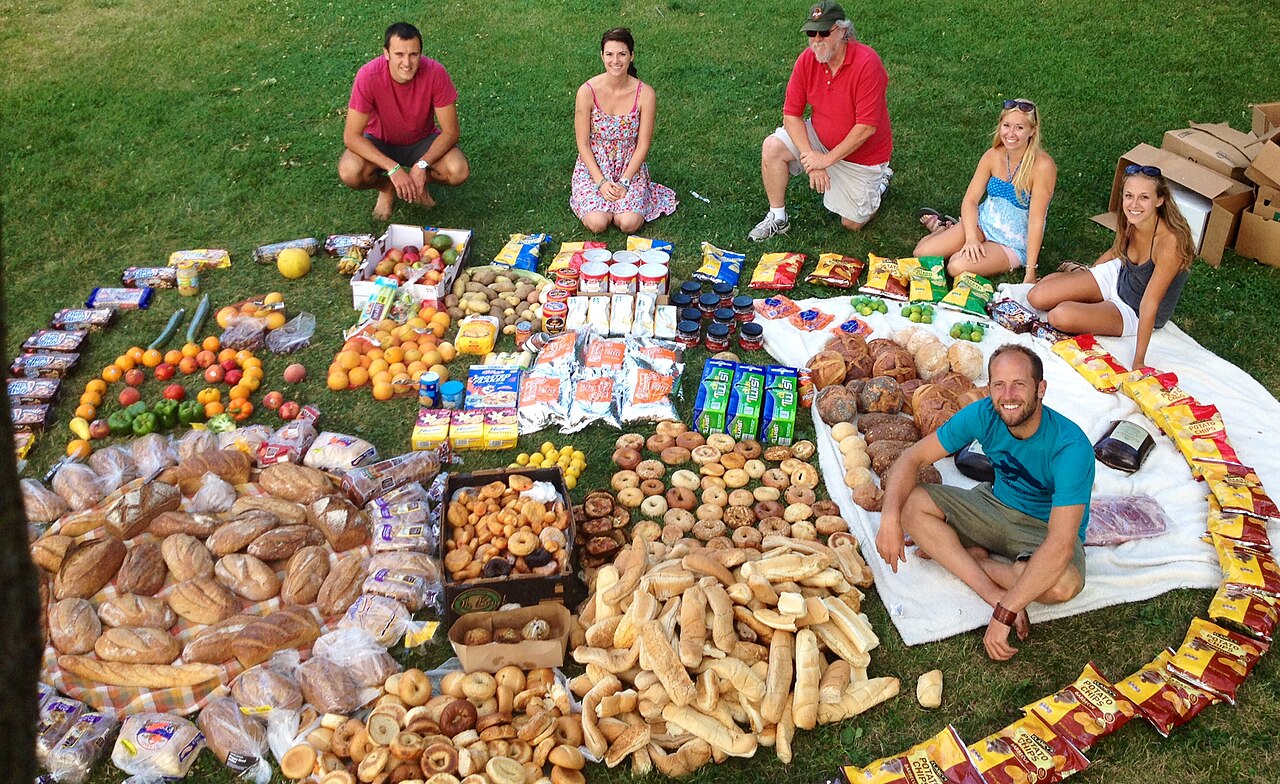
Overview: The Scale of Food Waste
Approximately 40% of all food produced globally by weight is wasted between farm and fork, representing a cost of $1 trillion every year [1]. This waste occurs across the entire supply chain, from early losses near the farm to consumer-level discards in households. The magnitude of this loss means that with the $1 trillion spent on food waste annually, the world could invest 10% more on global health initiatives [1]. Understanding the distinction between food loss and food waste is essential for targeting interventions effectively.
Defining Food Loss versus Food Waste
Food loss refers to the decrease in food quantity or quality that occurs at or near the farm and in the supply chain, such as during harvesting, storage, or transport [1][2]. The part of food lost from harvest up to, but not including, the retail level is specifically called food loss [2]. In contrast, food waste occurs at the retail level, in hospitality, and in households [1][2]. This boundary helps policymakers and organizations direct resources to the right stages of the supply chain.
Global Loss Statistics
Between harvest and retail alone, around 14 percent of all food produced globally is lost [2]. A broader estimate indicates that one third of food produced for human consumption is lost or wasted combined [4]. These figures underscore that the problem begins long before food reaches consumers, highlighting the need for improved agricultural practices and infrastructure.
Reducing food loss and waste is essential in a world where millions of people go hungry every day [2]. The resources used to produce food that is ultimately discarded represent a missed opportunity to address global hunger and improve food security.
Supply Chain and On-Farm Losses
Losses Near the Farm
A significant portion of global food waste originates at or near the farm. Harvesting inefficiencies, inadequate storage facilities, and transport bottlenecks contribute to food loss in the earliest stages of the supply chain [1][2]. In many regions, poor road networks and lack of refrigeration mean that perishable crops spoil before they can reach markets.
The Role of Storage and Transport
Improved storage and transport infrastructure can dramatically reduce the 14% loss that occurs between harvest and retail [2]. Investments in cold chains, hermetic storage, and better packaging help preserve food quality and quantity. Without these interventions, even modest improvements in farming practices can be undermined by post-harvest spoilage.
The distinction between food loss and food waste becomes practical when designing interventions: solutions for food loss focus on farm-level and supply chain improvements, while food waste interventions target retail and consumer behavior [1][2]. This segmentation ensures that resources are allocated to the most impactful points in the system.
Retail and Hospitality Waste
Waste at the Retail Level
Food waste occurs prominently at the retail level, where aesthetic standards, over-ordering, and inefficient inventory management lead to discards [1]. Retailers may reject produce that does not meet visual criteria, even if the food is perfectly edible. Additionally, unsold near-expiry stock is often discarded rather than donated or repurposed.
Hospitality and Food Service
In hospitality and food service, portion sizes, menu planning, and customer behavior generate substantial waste [1]. Buffets and large-scale events often result in over-preparation, while diners may leave significant amounts of food on their plates. Training staff in waste tracking and offering flexible portion options are common mitigation strategies.
The cumulative effect of retail and hospitality waste contributes to the overall $1 trillion annual cost [1]. Addressing these stages requires coordination between businesses, suppliers, and policymakers to create more resilient and efficient food systems.
Household Food Waste
Consumer Behavior and Awareness
Households are a major source of food waste, driven by over-purchasing, misunderstanding of date labels, and inadequate meal planning [1]. Consumers may buy more food than they can consume before it spoils, or discard items based on conservative date labels rather than actual spoilage signals.
Behavioral Shifts in Response to Prices
A November 2025 survey conducted by NielsenIQ and ReFED found that Americans reported coping with elevated food prices by adopting meal preparation changes: 45% reported using leftovers more, and 40% said they are being more conscious of using up fresh foods before they go bad [3]. These behavioral adaptations represent a direct response to financial pressure and may have lasting effects on waste habits.
Future Projections for Home Waste
ReFED anticipates in 2026 that these types of behaviors will grow in a way that could have a measurable impact on consumer food waste in the home [3]. If the trends continue, the combination of price sensitivity and increased awareness could reduce the volume of food discarded by households, though the magnitude of the impact remains to be seen.
Economic and Health Implications
The $1 Trillion Cost
The global cost of food waste is estimated at $1 trillion every year [1]. This figure encompasses the value of the food itself, as well as the economic losses incurred by farmers, retailers, and households. The scale of the financial impact makes food waste a significant economic concern, not just an ethical one.
Opportunity Cost for Global Health
With $1 trillion spent on food waste annually, the world could spend 10% more on global health initiatives [1]. This opportunity cost highlights the broader societal benefits of reducing waste: resources diverted from disposal could strengthen healthcare systems, fund research, and improve public health outcomes, particularly in underserved regions.
The economic argument for reduction is compelling: every dollar saved from waste reduction could be reallocated to more productive uses, including health, education, and environmental protection.
Connection to Food Security and Hunger
Feeding a Hungry World
Reducing food loss and waste is essential in a world where millions of people go hungry every day [2]. The food that is currently lost or wasted could potentially feed undernourished populations, making waste reduction a direct lever for improving food security. Even modest reductions in loss rates could have outsized impacts on hunger metrics.
Resource Efficiency
The resources used to produce the food that is ultimately discarded—including water, land, energy, and labor—represent a massive inefficiency [1][2]. When food is wasted, all the inputs invested in its production are also lost. Improving efficiency across the supply chain therefore conserves natural resources and reduces the environmental footprint of the food system.
This connection between waste and resource use underscores why food waste reduction is not only an economic issue but also an environmental and social imperative.
Climate Impact of Food Waste
Methane Emissions from Landfills
When food waste decomposes in landfills, it produces methane, a potent greenhouse gas [1][2]. Methane has a much higher warming potential than carbon dioxide over short timeframes, making food waste a significant contributor to climate change. Reducing waste therefore has a direct climate benefit.
Lowering the Carbon Footprint of Food Systems
The carbon footprint of food includes emissions from production, processing, transport, and disposal [1]. When food is wasted at any stage, the emissions associated with that food are effectively multiplied. By reducing loss and waste, the overall carbon intensity of the food system decreases, contributing to climate mitigation goals.
This climate connection provides an additional incentive for businesses and governments to prioritize food waste reduction alongside other environmental policies.