
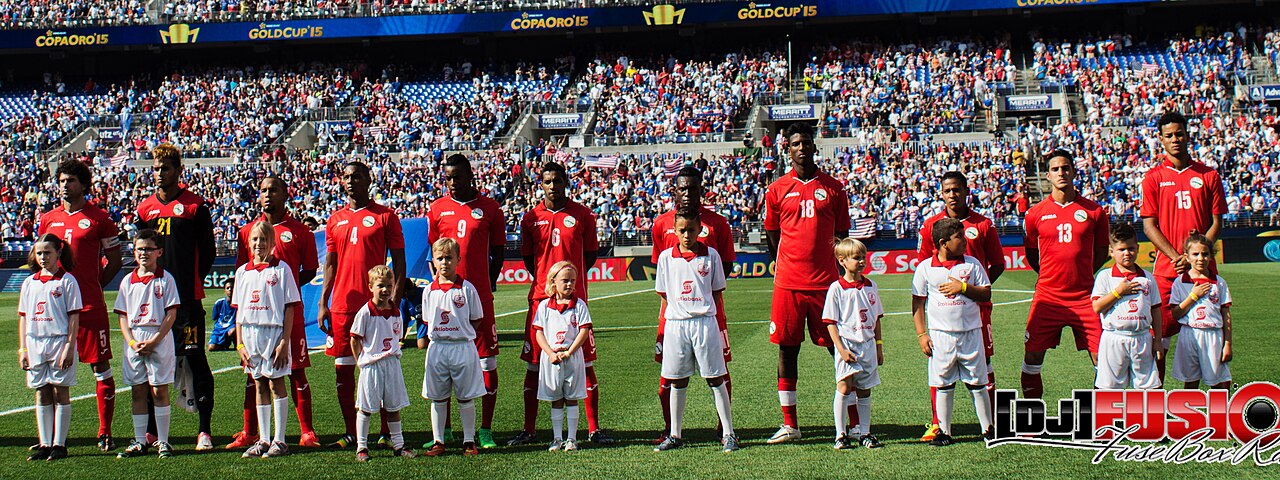
Overview of Cuban Football
Football holds a distinct position within the cultural and sporting landscape of Cuba, operating under a specific administrative framework that connects the domestic game to international bodies. The sport is governed by a centralized entity that oversees all competitive and developmental activities, ensuring alignment with global regulatory standards. This organizational structure serves as the foundation for the national team's participation in continental competitions, linking local clubs and players to the broader Caribbean and North American footballing community. The current period marks a significant phase for the sport, characterized by strong competitive results on the international stage and a clear hierarchical relationship between domestic governance and continental confederations. Understanding the mechanics of this sport in Cuba requires examining how these administrative bodies interact and how they facilitate the national team's presence in high-profile tournaments such as the CONCACAF Nations League. The integration of these levels of governance ensures that Cuban football remains a visible and active participant in the regional sports ecosystem, with recent performances highlighting the effectiveness of this structured approach to competition and player development.
Administrative Foundation
The core administrative body for football in Cuba is the Asociación de Fútbol de Cuba, which acts as the primary governing entity for the sport within the country [1]. This organization is responsible for regulating matches, enforcing rules, and representing Cuban football in international forums. Its role is critical in maintaining the integrity of the domestic league and preparing the national team for continental engagements. By centralizing authority, the Asociación de Fútbol de Cuba ensures that all footballing activities in Cuba adhere to the standards set by global football authorities. This centralized model allows for coordinated efforts in player registration, match scheduling, and disciplinary matters, creating a stable environment for the sport to thrive. The association's influence extends beyond mere administration, shaping the strategic direction of football in Cuba and its interactions with neighboring nations and international confederations. Its existence is a prerequisite for the country's continued participation in official international competitions, serving as the bridge between local clubs and the global footballing community.
National Identity and Sport
Football in Cuba is not just a recreational activity but a component of national identity, represented prominently by the Cuba national football team. This team serves as the primary ambassador for the sport, competing in international arenas and fostering a sense of pride and unity among the populace [1]. The association between the national team and the Football Association of Cuba underscores the deep institutional ties that bind the sport to the state's sporting infrastructure [1]. These ties facilitate the mobilization of resources and support, ensuring that the national team can compete at the highest levels of continental football. The team's performance in recent years has reflected a growing confidence and capability, as evidenced by their strong results in the CONCACAF Nations League. This competitive success has further cemented the sport's place in the national consciousness, with fans and stakeholders closely following the team's progress. The national team's journey is a testament to the enduring popularity of football in Cuba, despite the presence of other dominant sports in the region.
Governing Bodies and Structure
The governance of football in Cuba is defined by a clear hierarchy that places the Asociación de Fútbol de Cuba at the apex of the domestic structure [1]. This body is recognized internationally and is responsible for upholding the laws of the game within Cuban borders. Its authority is derived from its membership in larger international organizations, which grant it the right to participate in global competitions. The structure is designed to ensure transparency and accountability, with the association acting as the sole representative of Cuban football in dealings with external entities. This centralized governance model helps in coordinating efforts between various stakeholders, including clubs, players, and referees. By maintaining a unified front, the association can effectively manage the complexities of international football, from scheduling to regulatory compliance. The clarity of this structure is essential for the smooth operation of the sport, providing a stable environment for growth and development. It also ensures that the interests of Cuban football are protected in international forums, where decisions can significantly impact the sport's future.
Role of the Asociación de Fútbol de Cuba
The Asociación de Fútbol de Cuba plays a pivotal role in the administration of football in the country, overseeing all aspects of the sport from grassroots to international level [1]. Its responsibilities include organizing domestic leagues, appointing officials, and managing the national team's affairs. The association's work is crucial in maintaining the integrity of the game, ensuring that all matches are conducted fairly and in accordance with established rules. It also serves as a liaison between Cuban football and the international community, facilitating communication and cooperation with other national associations. This role is particularly important in the context of international competitions, where coordination and compliance are essential for success. The association's efforts have contributed to the steady development of football in Cuba, providing a solid foundation for future growth. Its leadership is instrumental in navigating the challenges of the sport, from financial constraints to competitive pressures, ensuring that Cuban football remains a vibrant and competitive force.
International Recognition
The international recognition of the Asociación de Fútbol de Cuba is a testament to its adherence to global standards and its commitment to the development of football in Cuba [1]. This recognition allows the association to participate in international competitions and collaborate with other national bodies on various initiatives. It also provides access to resources and expertise that can enhance the quality of football in the country. The association's standing in the international community is a result of its consistent performance and dedication to the sport. This recognition is not just a formality but a critical factor in the success of the national team and the domestic league. It opens doors to partnerships and exchanges that can benefit the sport in multiple ways, from player development to technological advancements. The association's international profile is a source of pride for Cuban football, reflecting the country's commitment to excellence in this sport. It also helps in attracting attention and support from the global football community, which can have a positive impact on the sport's growth and popularity in Cuba.
The National Team and Continental Affiliation
The Cuba national football team is the primary representative of the country in international football, competing under the umbrella of major continental confederations [2]. The team's affiliation with the Confederation of North, Central American and Caribbean Association Football (CONCACAF) and the sub-confederation Caribbean Football Union (CFU) places it within a competitive framework that includes some of the strongest teams in the region [2]. This dual affiliation allows the team to participate in a variety of tournaments, from the CONCACAF Nations League to other regional competitions. The team's performance in these tournaments is a reflection of the strength of Cuban football and its ability to compete at a high level. The national team's journey is marked by a mix of challenges and successes, with recent results indicating a positive trend in its competitive standing. The team's participation in these continental bodies is a testament to the country's commitment to the sport and its desire to be recognized as a serious competitor on the international stage. The team's results in recent years have been particularly notable, with strong victories against other Caribbean nations, highlighting its growing capability and competitiveness.
CONCACAF and CFU Membership
The Cuba national football team's membership in CONCACAF and the CFU is a crucial aspect of its international identity [2]. This membership grants the team the right to compete in major continental tournaments, providing a platform for it to showcase its skills and compete against top-tier opposition. The CFU, as a sub-confederation, plays a specific role in organizing competitions for Caribbean nations, which is particularly relevant for Cuba given its geographical location. The team's participation in these bodies is a result of its historical ties to the region and its commitment to the development of football in the Caribbean. This membership also facilitates cooperation and collaboration with other national teams, fostering a sense of community and shared purpose. The team's standing within these organizations is a reflection of its performance and its contribution to the sport. It also provides access to resources and opportunities that can enhance the team's development and success. The team's affiliation with these bodies is a source of pride and a key factor in its international competitiveness.
Competitive Standing
The competitive standing of the Cuba national football team has seen significant improvement in recent years, particularly in the CONCACAF Nations League [3]. The team's ability to secure decisive victories against other Caribbean nations has elevated its profile and demonstrated its strength. These results are a testament to the team's tactical discipline and individual skill, as well as the effective management and preparation provided by its coaching staff. The team's performance in the Nations League has been a highlight of its recent history, with strong showings in both home and away matches. This competitive success has helped to build momentum and confidence, setting the stage for future challenges and opportunities. The team's standing in the continental rankings is a direct result of its on-field performance, which has been consistently strong. This improvement is a reflection of the broader development of football in Cuba, with increased investment and focus on the national team. The team's competitive standing is a source of inspiration for young players and a point of pride for the nation.
Home Venues and Infrastructure
The home venues for the Cuba national football team play a crucial role in its performance and the overall experience of the sport in the country [2]. The primary stadiums used for international matches are Estadio Pedro Marrero and Estadio La Polar, both located in Havana [2]. These venues provide a home advantage for the national team, with a passionate fan base and a familiar environment that can boost player performance. The infrastructure of these stadiums is designed to accommodate large crowds and provide a high-quality experience for both players and spectators. The choice of venues is a strategic decision, with the aim of maximizing the team's chances of success in home matches. The stadiums' capacity and facilities are important factors in their selection, as they need to meet the standards required for international competitions. The home venues are also a symbol of the country's commitment to football, with their presence in Havana highlighting the sport's importance in the national capital. The infrastructure of these stadiums is a key component of the overall footballing ecosystem in Cuba, supporting the growth and development of the sport.
Estadio Pedro Marrero
Estadio Pedro Marrero is one of the primary home venues for the Cuba national football team, serving as a key location for international matches [2]. The stadium is known for its vibrant atmosphere and the strong support of the local fans, which can be a significant factor in the team's performance. The infrastructure of the stadium is designed to provide a comfortable and safe environment for spectators, with modern facilities and adequate seating capacity. The stadium's location in Havana makes it easily accessible for fans and players, contributing to its popularity as a home venue. The use of Estadio Pedro Marrero for international matches is a testament to its quality and its importance in the footballing calendar. The stadium's role in hosting high-profile games is a key part of its identity, with its reputation built on the success of the teams that play there. The stadium's infrastructure is a key component of the overall footballing experience in Cuba, providing a platform for the sport to thrive.
Estadio La Polar
Estadio La Polar is another major home venue for the Cuba national football team, located in Havana and used for important international matches [2]. The stadium has a rich history in Cuban football, with a reputation for hosting high-quality games and providing a great experience for fans. The infrastructure of the stadium is modern and well-maintained, with facilities that meet the standards required for international competitions. The stadium's capacity is sufficient to accommodate a large crowd, ensuring a lively and energetic atmosphere during matches. The use of Estadio La Polar for key games, such as those in the CONCACAF Nations League, highlights its importance in the footballing landscape of Cuba. The stadium's role in hosting decisive matches, such as the victory over Bonaire, underscores its significance in the team's recent success. The infrastructure of the stadium is a key factor in its ability to support the national team's ambitions, providing a solid foundation for future competitions.
The 2026-27 CONCACAF Nations League Campaign
The 2026-27 CONCACAF Nations League campaign has been a defining period for the Cuba national football team, marked by outstanding results and a clear trajectory towards promotion [3]. The team's performance in Group C of the second tier has been exceptional, with decisive victories that have secured its position at the top of the table. These results are a testament to the team's strength and its ability to perform under pressure, particularly in home matches at La Polar stadium in Havana. The campaign has been a source of great pride for the nation, with fans and stakeholders closely following the team's progress. The team's success in this tournament is a reflection of the broader development of football in Cuba, with increased focus and investment in the national team. The campaign has also highlighted the team's tactical discipline and individual skill, as well as the effective management provided by its coaching staff. The 2026-27 campaign is a key chapter in the history of Cuban football, with its results setting the stage for future challenges and opportunities.
Victory Over Bonaire
A key moment in the 2026-27 campaign was the Cuba national football team's 7-1 victory over Bonaire at La Polar Stadium in Havana [3]. This match, played on the fifth matchday of Group C, was a decisive win that moved the team closer to promotion [3]. The result was a clear demonstration of the team's offensive power and defensive solidity, with a comfortable margin of victory that left no doubt about the outcome. The performance was a highlight of the campaign, with the team showcasing its ability to control the game and convert chances into goals. The victory over Bonaire was a significant step in the team's journey towards promotion, with the result securing a strong position in the group standings. The match was a testament to the team's preparation and its ability to perform at a high level in important fixtures. The victory was a source of great celebration for the fans and a key factor in the team's overall success in the tournament.
Dominant Win Against Granada
The campaign reached its peak with a 9-0 victory against Granada on November 17, 2026, at La Polar stadium in Havana [5]. This match was a rout that sealed Cuba's lead in Group C of the second tier of the Concacaf Nations League [5]. The result was a dominant performance that showcased the team's superior quality and its ability to overpower its opponents. The 9-0 scoreline was a clear indication of the gap in strength between the two teams, with Cuba in complete control throughout the match. The victory was a significant achievement that cemented the team's position at the top of the group and secured its promotion to a higher tier. The match was a highlight of the campaign, with the team's performance being widely praised for its intensity and effectiveness. The win against Granada was a testament to the team's growth and its ability to compete at the highest level of Caribbean football. The result was a source of great pride for the nation and a key moment in the history of Cuban football.
Competitive Context and Regional Rivals
The competitive context of football in Cuba is defined by its participation in the CONCACAF Nations League, where it faces other Caribbean nations in a highly competitive environment [2]. The team's performance in this tournament is a key indicator of its strength and its standing in the region. The rivals in Group C, including Bonaire and Granada, provide a challenging test for the Cuban team, which has responded with strong results [3] [5]. The regional context is important in understanding the team's ambitions and its place in the footballing hierarchy. The team's success against these rivals is a testament to its ability to compete at a high level and its determination to succeed. The competitive landscape is dynamic, with other teams also striving for promotion and success. The team's performance in this context is a reflection of the broader development of football in the Caribbean, with increased competition and higher standards. The team's ability to navigate this competitive environment is a key factor in its long-term success and its reputation on the international stage.
Group C Dynamics
The dynamics of Group C in the 2026-27 CONCACAF Nations League have been heavily influenced by the performance of the Cuba national football team [3] [5]. The team's decisive victories over Bonaire and Granada have given it a significant advantage in the group standings, securing its lead and promoting its chances of advancement [3] [5]. The group dynamics are characterized by a clear hierarchy, with Cuba at the top and other teams striving to close the gap. The team's performance in these matches has been a key factor in shaping the group's trajectory, with its results having a direct impact on the standings. The competitive balance in the group is a reflection of the varying levels of strength among the participating teams, with Cuba demonstrating its superiority. The group dynamics are a key aspect of the tournament, with the team's performance in Group C being a crucial part of its overall campaign. The team's ability to maintain its lead and secure promotion is a testament to its consistency and its ability to perform under pressure.
Rivalry and Competition
The rivalry between Cuba and other Caribbean nations in the CONCACAF Nations League is a significant aspect of the competitive context [2]. The team's matches against rivals such as Bonaire and Granada are highly anticipated, with the results having a significant impact on the group standings [3] [5]. The competitive nature of these matches is a testament to the high level of football in the region, with teams striving to outperform their opponents. The rivalry is a key factor in the team's motivation and its desire to succeed, with the team aiming to assert its dominance in the group. The competitive context is also influenced by the historical ties between the nations, with the matches carrying a sense of pride and national identity. The team's performance in these rivalries is a reflection of its strength and its ability to compete at the highest level. The rivalry is a key aspect of the footballing culture in the Caribbean, with the matches providing a platform for the teams to showcase their skills and compete for glory.
Significance and Future Outlook
The significance of the recent success in the CONCACAF Nations League for football in Cuba cannot be overstated, as it marks a new era of competitiveness and recognition for the national team [3] [5]. The team's ability to secure decisive victories and lead its group is a testament to the growth of the sport in the country and the effectiveness of its governance and development strategies. This success has raised the profile of Cuban football on the international stage, attracting attention and interest from fans and stakeholders worldwide. The future outlook for the sport is positive, with the team's performance providing a strong foundation for continued growth and development. The success in the Nations League is a key milestone in the history of Cuban football, with its results setting the stage for future challenges and opportunities. The team's performance is a source of inspiration for young players and a point of pride for the nation, highlighting the potential of the sport in Cuba.
Impact on National Pride
The success of the Cuba national football team in the 2026-27 CONCACAF Nations League has had a significant impact on national pride and the perception of the sport in the country [3] [5]. The team's dominant performances, particularly the 9-0 victory over Granada, have been a source of great celebration and unity among the populace [5]. The results have reinforced the team's status as a symbol of national identity and a source of inspiration for the nation. The impact on national pride is a key aspect of the team's success, with the results having a positive effect on the broader sporting culture in Cuba. The team's performance has helped to build a sense of community and shared purpose, with fans and stakeholders coming together to support the team. The impact on national pride is a testament to the importance of football in the country and its ability to bring people together. The team's success is a source of pride for the nation and a key factor in the sport's continued growth and popularity.
Path to Promotion
The path to promotion for the Cuba national football team in the CONCACAF Nations League has been marked by consistent performance and decisive victories [3]. The team's lead in Group C, secured through wins against Bonaire and Granada, has placed it in a strong position for advancement to a higher tier [3] [5]. The path to promotion is a key aspect of the team's ambitions, with the results in the Nations League being a crucial step in its journey. The team's ability to maintain its lead and secure promotion is a testament to its consistency and its ability to perform under pressure. The path to promotion is also influenced by the performance of other teams in the group, with the team needing to maintain its advantage to secure its place. The team's journey towards promotion is a key part of its overall campaign, with the results in the Nations League being a crucial factor in its success. The path to promotion is a testament to the team's strength and its determination to succeed at the highest level of Caribbean football.
Reception and Community Engagement
The reception of the Cuba national football team's recent success has been overwhelmingly positive, with fans and stakeholders expressing their pride and support for the team [3] [5]. The community engagement surrounding the team's matches has been a key factor in its success, with the passionate support of the fans providing a boost to the players. The reception of the team's performance is a testament to the importance of football in the country and its ability to bring people together. The community engagement is also reflected in the attendance at matches, with the stadiums in Havana filling up to support the team in its important fixtures. The reception of the team's success is a key aspect of the footballing culture in Cuba, with the team's performance being a source of pride and unity. The community engagement is a testament to the team's connection with its fans and its ability to inspire and motivate them. The reception of the team's success is a key factor in its continued growth and popularity.
Fan Support and Atmosphere
The fan support for the Cuba national football team is a crucial component of its success, with the atmosphere at home matches being a key factor in the team's performance [2]. The passionate support of the fans at Estadio Pedro Marrero and Estadio La Polar provides a boost to the players, creating a lively and energetic environment that can influence the outcome of the match [2]. The fan support is a testament to the importance of football in the country and its ability to bring people together. The atmosphere at home matches is a key aspect of the team's home advantage, with the fans playing a vital role in the team's success. The fan support is also a source of inspiration for the players, with the team aiming to deliver results that match the expectations of its supporters. The fan support is a key factor in the team's overall performance and its ability to compete at a high level.
Media Coverage and Interest
The media coverage of the Cuba national football team's recent success has been extensive, with the team's performance in the CONCACAF Nations League being a major topic of discussion [3] [5]. The interest in the team's results is a testament to the importance of football in the country and its ability to capture the attention of the public. The media coverage has helped to raise the profile of the team and the sport, with the results being widely reported and celebrated. The interest in the team's performance is also reflected in the social media presence of the team, with fans and stakeholders sharing their thoughts and reactions. The media coverage is a key aspect of the team's success, with the results being a source of pride and inspiration for the nation. The interest in the team's performance is a testament to the growing popularity of football in Cuba and its ability to engage the public.