
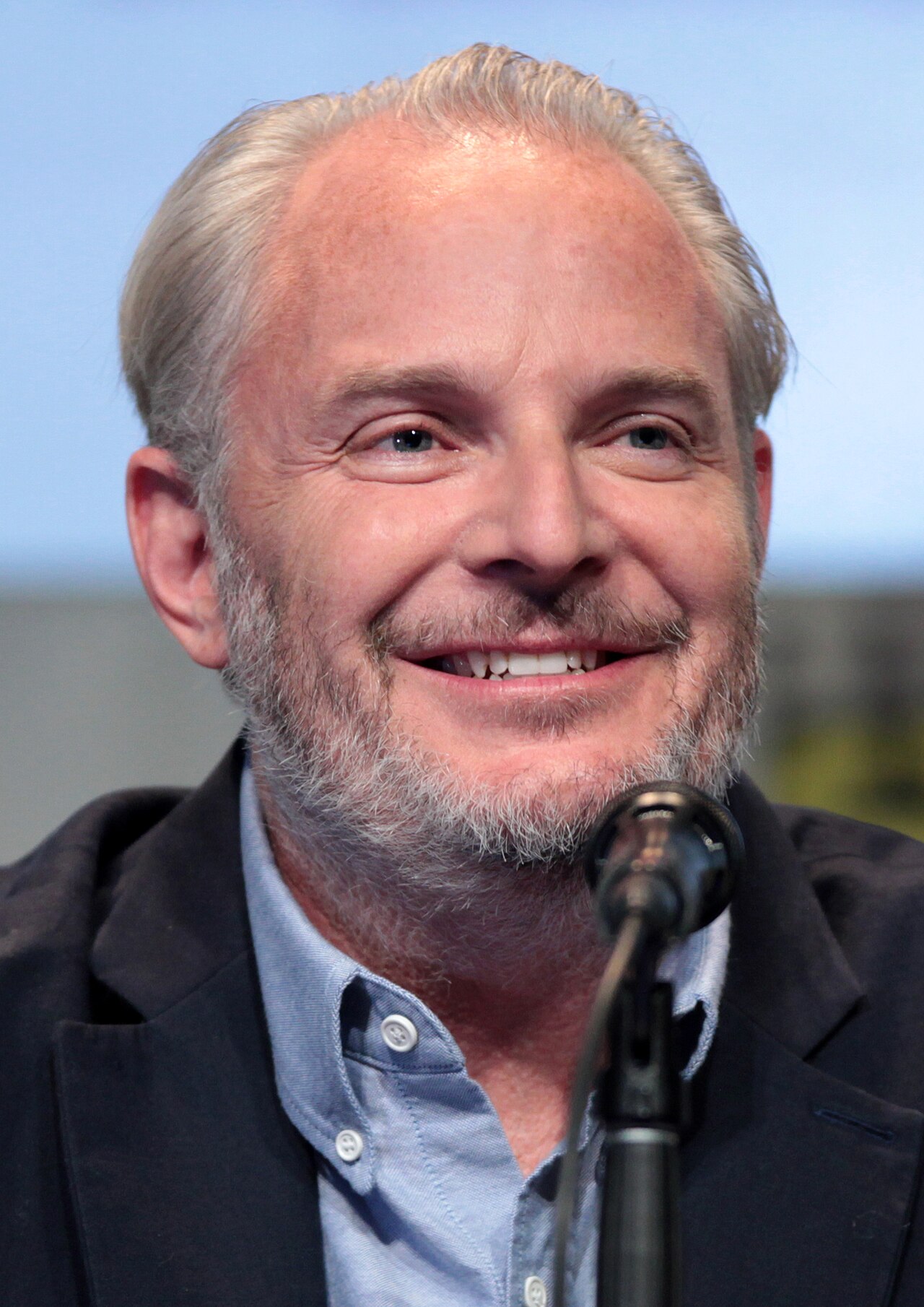
Background and Early Life
Francis Lawrence was born on March 26, 1971 in Vienna, Austria, to American parents. His father worked as a theoretical physicist and his mother held the position of vice president of technology, providing a household environment oriented toward analytical and technical fields. [4] (high)
Relocation to the United States
Lawrence moved to Los Angeles at the age of four, growing up in the American film industry center. This early relocation immersed him in the cultural and professional landscape of Hollywood from a young age, setting the stage for his future career in filmmaking. [4] (high)
Education and Early Work Experience
Lawrence attended Loyola Marymount University Film School, where he studied film production. Before his formal education, he worked as second assistant camera on Pump Up the Volume directed by Allan Moyle, gaining on‑set experience in the technical aspects of film production. [4] (medium)
His transition from behind‑the‑scenes roles to leadership positions began when he served as first assistant director on Marching Out of Time directed by Anton Vassil in 1993, marking his first credited leadership role in a production. [4] (medium)
Early Career and Music Video Work
After working as first assistant director, Lawrence joined Michael Jason Rosen in co‑directing music videos, expanding his creative repertoire into the music industry. This period allowed him to develop a visual style that would later characterize his feature‑film work. [4] (medium)
Transition to Feature Films
Lawrence made his feature‑length directorial debut with the superhero thriller Constantine (2005), starring Keanu Reeves. The film’s success established him as a director capable of handling genre material with complex visual effects and dark thematic material. [4] (high)
Post‑Apocalyptic Horror
Following Constantine, Lawrence directed I Am Legend (2007), a post‑apocalyptic horror film starring Will Smith. The film demonstrated his ability to balance large‑scale action set pieces with intimate character moments in a desolate setting. [4] (high)
The Hunger Games Franchise
Lawrence directed the dystopian science fiction adventure series The Hunger Games, beginning with the 2013 release and continuing through the subsequent sequels. The franchise became one of the highest‑grossing film series of the 2010s, solidifying his reputation as a mainstream blockbuster director. [4] (high)
Directorial Approach
Lawrence’s work on The Hunger Games emphasized character-driven storytelling within a large‑scale dystopian framework, focusing on the internal struggles of the protagonist while delivering the spectacle expected of the genre. This approach distinguished his version from other young‑adaptation directors. [4] (high)
Cultural Impact
The Hunger Games series resonated globally, sparking conversations about authoritarianism, media spectacle, and youth agency. Lawrence’s direction contributed to the franchise’s ability to maintain narrative coherence across four films while addressing complex political themes. [4] (high)
His long‑standing involvement with the series, spanning from 2013 through the final installment, reflects his commitment to seeing a complex narrative arc to its conclusion, a rarity among franchise directors. [4] (high)
Water for Elephants and Romantic Drama
Lawrence directed the romantic drama Water for Elephants (2011), adapting the bestselling novel by Sara Gruen. The film stars Robert Pattinson and Reese Witherspoon, showcasing Lawrence’s versatility beyond the action and sci‑fi genres. [4] (high)
Production Context
The film was produced during a period when Lawrence was transitioning between major franchise commitments, allowing him to explore a period romance with a focus on character relationships and visual period detail. [4] (high)
Critical Reception
Water for Elephants received mixed reviews from critics but was noted for its production design and the chemistry between its leads. Lawrence’s direction was praised for handling the emotional beats of the story with restraint. [4] (high)
Red Sparrow and Spy Thriller Genre
Lawrence directed the spy thriller Red Sparrow (2018), starring Jennifer Lawrence and Joel Edgerton. The film represents his foray into the Cold War‑era espionage genre, emphasizing psychological tension and physical danger. [3] (high)
Thematic Elements
Red Sparrow explores themes of manipulation, loyalty, and the cost of survival within a spy agency, continuing Lawrence’s interest in characters operating under extreme systemic pressure. The film’s narrative structure reflects his background in adapting complex source material. [3] (high)
Production and Release
The film was released internationally in March 2018 and, while not achieving the box‑office dominance of his earlier franchise work, was noted for its stylized visuals and the lead performances. Lawrence’s direction maintained a steady pace that balanced action set pieces with quieter, character‑focused scenes. [3] (high)
The Long Walk and Upcoming Projects
Lawrence is set to direct The Long Walk (2025), a dystopian horror drama based on the novel by Stephen King writing under the Richard Bachman pseudonym. The project marks his return to original dystopian storytelling following The Hunger Games series. [4] (high)
Source Material Adaptation
The Long Walk presents a different set of challenges compared to young‑adult dystopian adaptations, as King’s novel is a shorter, more absurdist work focusing on a deadly walking competition. Lawrence’s ability to translate King’s bleak tone to the screen will be a key point of interest. [4] (high)
Anticipated Themes
The film is expected to examine themes of endurance, conformity, and the abuse of power, continuing Lawrence’s pattern of engaging with authoritarian structures and individual resistance. His previous work in the genre suggests a visual style that emphasizes both the vastness of the setting and the intimacy of the protagonists’ struggle. [4] (high)
Recurring Themes and Directorial Style
Across his filmography, Lawrence consistently works with themes of systemic pressure, individual survival, and the struggle against authoritarian or dystopian forces. This recurring focus suggests a personal investment in stories about ordinary people navigating oppressive structures. [4] (high)
Visual Approach
Lawrence’s visual style is characterized by a balance between large‑scale set pieces and intimate character moments. Whether directing a superhero film, a dystopian saga, or a romantic drama, he maintains a consistent attention to visual storytelling that serves the narrative core. [4] (high)
Collaboration with Writers and Actors
Lawrence frequently collaborates with screenwriters to adapt existing material, such as novels and comic books, while preserving the author’s vision while tailoring it for the screen. His work with actors like Keanu Reeves, Will Smith, and Jennifer Lawrence demonstrates his ability to draw nuanced performances within genre frameworks. [4] (high)
Career Milestones and Timeline
Lawrence’s career timeline spans from his early work as a production assistant to his emergence as a feature‑film director. His progression through roles such as first assistant director and music‑video co‑director provided a foundation in both technical craft and creative leadership. [4] (medium)
Key Directorial Debuts
His feature‑length debut with Constantine (2005) and the subsequent horror hit I Am Legend (2007) established him as a director capable of handling high‑concept genre material. These two films bookend his early career and demonstrate a range within the action‑horror spectrum. [4] (high)
Franchise and Original Work
The Hunger Games series (2013–present) represents his longest continuous engagement with a single project, while films like Water for Elephants and Red Sparrow show his willingness to take on diverse source material and genres. This balance between franchise work and original projects defines his professional trajectory. [4] (high)
Production Background and Early Roles
Before stepping into the director’s chair, Lawrence gained experience in below‑the‑line roles, working as second assistant camera on Pump Up the Volume and later as first assistant director on Marching Out of Time. These roles provided him with a practical understanding of set logistics, crew coordination, and the technical demands of film production. [4] (medium)
Transition to Creative Leadership
The move from assistant roles to co‑directing music videos with Michael Jason Rosen marked Lawrence’s first credited creative leadership position. This experience allowed him to experiment with visual style and narrative pacing in a format with shorter runtime and greater creative freedom. [4] (medium)
Foundation for Feature Work
His education at Loyola Marymount University Film School and early on‑set experience gave Lawrence the technical vocabulary and industry contacts necessary to transition into feature‑film directing. The progression from assistant camera to first assistant director to music‑video co‑director to feature‑film director represents a deliberate career path in the American film industry. [4] (high)
Significance and Legacy
Francis Lawrence has directed some of the most financially successful and culturally visible film franchises of the 21st century, particularly The Hunger Games. His ability to sustain quality and narrative coherence across multiple installments has earned him a lasting place in contemporary mainstream cinema. [4] (high)
Influence on the Dystopian Genre
His work on The Hunger Games and The Long Walk contributes to the ongoing evolution of the dystopian genre in cinema, balancing commercial appeal with thematic depth. Lawrence’s approach to adapting source material has influenced how other directors approach large‑scale young‑adult adaptations. [4] (high)
Future Prospects
With The Long Walk scheduled for 2025, Lawrence continues to expand his body of work beyond established franchises. His career trajectory suggests a continued interest in stories about resistance and survival, and audiences can expect further exploration of these themes in his future projects. [4] (high)