
Overview of Ganges River Rituals
The Ganges, known as Ganga in Hindi, flows over 2,500 kilometers from the Himalayas to the Bay of Bengal, carving a path through the heart of India [5]. For Hindus, it is not merely a river but a living goddess, Ganga, whose waters are believed to wash away sins and grant liberation [5]. Daily rituals along its banks include placing oil lamps on stone ghats and setting them afloat on the current, a practice that marks both festive occasions and funeral proceedings [3]. The river's spiritual centrality is underscored by the belief that dying on its banks breaks the cycle of rebirth, freeing the soul from samsara [4]. These practices are woven into the fabric of Hindu life, from personal devotion to national festivals that draw millions to its shores [5].
Mythological Origins and Divine Descent
Hindu legend recounts that the Ganges descended from the heavens at the request of King Bhagiratha, who performed severe penance to bring the river to earth to liberate his 60,000 ancestors' souls [5]. The force of her fall was so great that Lord Shiva caught her in his matted hair, breaking her descent to prevent the earth from being destroyed [5]. This myth establishes the river's sacred provenance and explains why her waters are considered especially potent for purification. The story also elevates Bhagiratha as a symbol of devotion and perseverance in Hindu tradition [5].
Ganga in Scripture and Iconography
The Ganges is extensively referenced in ancient Hindu scriptures such as the Vedas and Puranas, where she is described as the most sacred river with purifying properties that wash away sins [5]. She is personified as the goddess Ganga, embodying purity and compassion in Hindu mythology, and her iconography often shows her standing on a makara (crocodile) vehicle, holding a water lily and a lotus [5]. These texts reinforce her role as a cleanser of moral and spiritual impurity, a theme that underpins all ritual practice along her banks.
Key Pilgrimage Sites and Ritual Bathing
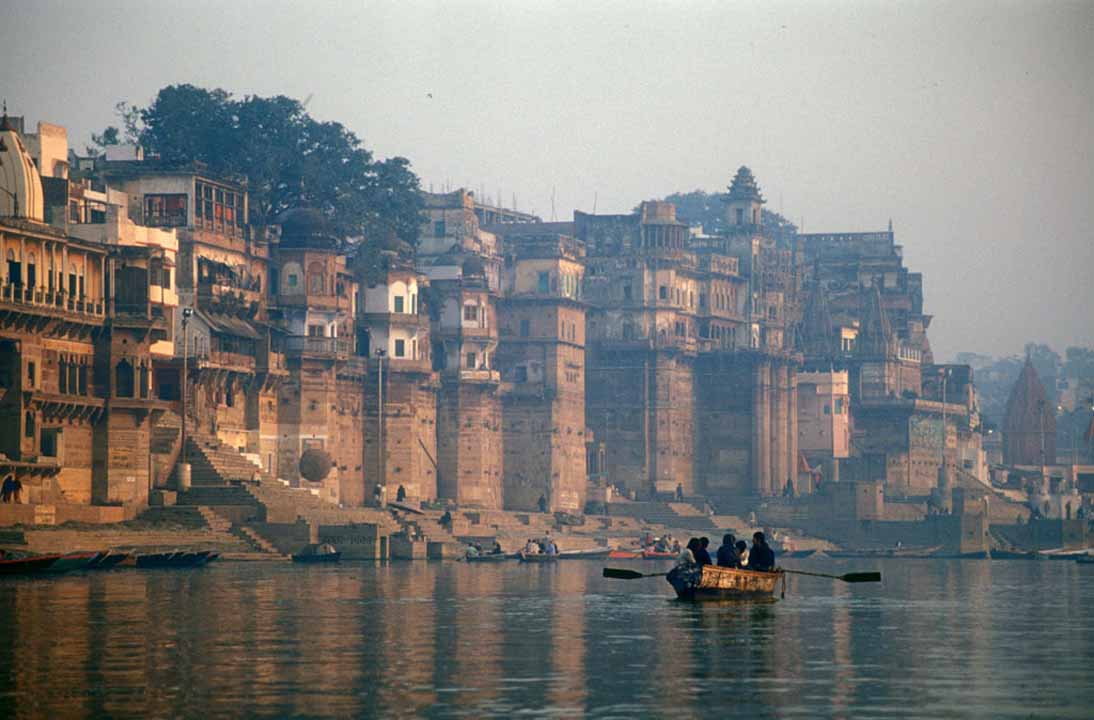
Varanasi, Haridwar and Prayagraj are the most celebrated pilgrimage sites along the Ganges, where devotees seek moksha (liberation) through ritual bathing [5]. In Varanasi, situated on the River Ganges in northeast India, the ghats become stages for continuous puja, cremation ceremonies and the belief that understanding the Ganges leads to understanding India and oneself [4]. The city's enduring association with death and rebirth makes it a focal point for those seeking to end their earthly journey on sacred soil.
- Ritual bathing at dawn is believed to cleanse accumulated karma
- Funeral pyres on ghats ensure the deceased's release from reincarnation
- Pilgrims offer flowers, incense and prayers to the rising and setting sun
Major Festivals and Devotional Practices
The Ganga festival, held in November or December, is dedicated to the goddess of the Ganges River and is considered sacred by all Hindus [3]. During this celebration, thousands of lamps are placed on the ghats and set afloat on the river, creating a luminous procession that honors her sustaining presence [3]. Chhath Puja, another major festival, involves devotees offering prayers to the sun god at dawn and dusk, often wading into the river's waters [5]. While traditionally celebrated on the banks of the Ganges, recent reports note that Chhath devotees in Delhi have congregated at the Yamuna River due to severe pollution and toxic foam on the Ganges [1].
Ritual Lamps and Floating Offerings
A ubiquitous ritual across festivals is the placement of diyas (oil lamps) on the ghats and their subsequent setting afloat on the river [3]. This act symbolizes the offering of light and devotion to the goddess, as well as the release of prayers into the current. The visual spectacle of thousands of floating lamps is both a devotional act and a cultural identifier for communities along the river.
Funeral Rites and the Promise of Liberation
To die upon the banks of the Ganges is understood by Hindus to be the final destination of life's epic journey, setting one free from the cycle of life, death and rebirth [4]. This belief drives the constant presence of funeral pyres along the river's stretch, particularly in Varanasi, where the cremation process is viewed as a transition rather than an end. The Ganges' role in funeral rites underscores her function as a psychopomp, guiding souls toward liberation.
Environmental Challenges and Pollution
The Ganges faces severe pollution from industrial chemicals, sewage and toxic foam, impacting both sacred practices and aquatic biodiversity [1,5]. Foam laden with hazardous substances has been observed blanketing river sections, rendering ritual activities hazardous and diminishing the river's ecological health [1]. These environmental degradation patterns contradict the river's theological reputation as a purifying force, creating a dissonance between myth and reality for contemporary devotees [5]. Restoration efforts involve government initiatives, non-profit campaigns and community participation, but the scale of contamination remains a pressing concern.
Health and Spiritual Consequences
The presence of toxic pollutants raises questions about the safety of ritual bathing and the consumption of river water [1]. Devotees who enter the waters for purification may inadvertently expose themselves to waterborne diseases and chemical contaminants. This dual reality — where the river is simultaneously revered as a goddess and compromised as an environmental resource — complicates the practice of ancient traditions in the modern era.
Conservation, Restoration and the Future
Efforts to restore the Ganges' ecological integrity are gaining momentum through initiatives like the Namami Gange program, which combines sewage treatment, riverfront development and public awareness campaigns [5]. The involvement of religious leaders in conservation messaging seeks to align ecological stewardship with spiritual values, framing river protection as an extension of devotion to Ganga. Despite these measures, the river's health remains precarious, and the tension between ritual use and environmental sustainability continues to evolve.
The Role of Pilgrims in Stewardship
Pilgrims and devotees are increasingly encouraged to adopt eco-friendly practices, such as avoiding the immersion of non-biodegradable offerings and participating in river cleanup drives [5]. The integration of environmental ethics into religious practice represents a shift toward a more holistic reverence for the Ganges, one that honors her divine status by protecting her physical form. This evolving dynamic suggests that the future of Ganges rituals may depend as much on ecological action as on theological devotion.