
Background and Production
Ghostbusters began as a project developed by Ivan Reitman, who brought together a writing team that included Dan Aykroyd and Harold Ramis. The film was produced on a budget estimated between $25 million and $30 million, a figure that reflected the ambition of the practical effects and creature work required [1]. Reitman's vision combined comedy with supernatural themes, resulting in a script that balanced humor with the premise of ghost hunting as a legitimate business venture [1].
Casting the Ensemble
The film stars Bill Murray, Harold Ramis, and Dan Aykroyd in lead roles, each bringing distinct comedic styles to the project. Bill Murray's deadpan delivery, Harold Ramis's precise timing, and Dan Aykroyd's belief in the paranormal premise shaped the film's tone. Their chemistry was central to the film's appeal and contributed significantly to its audience connection [1].
Visual Effects and Design
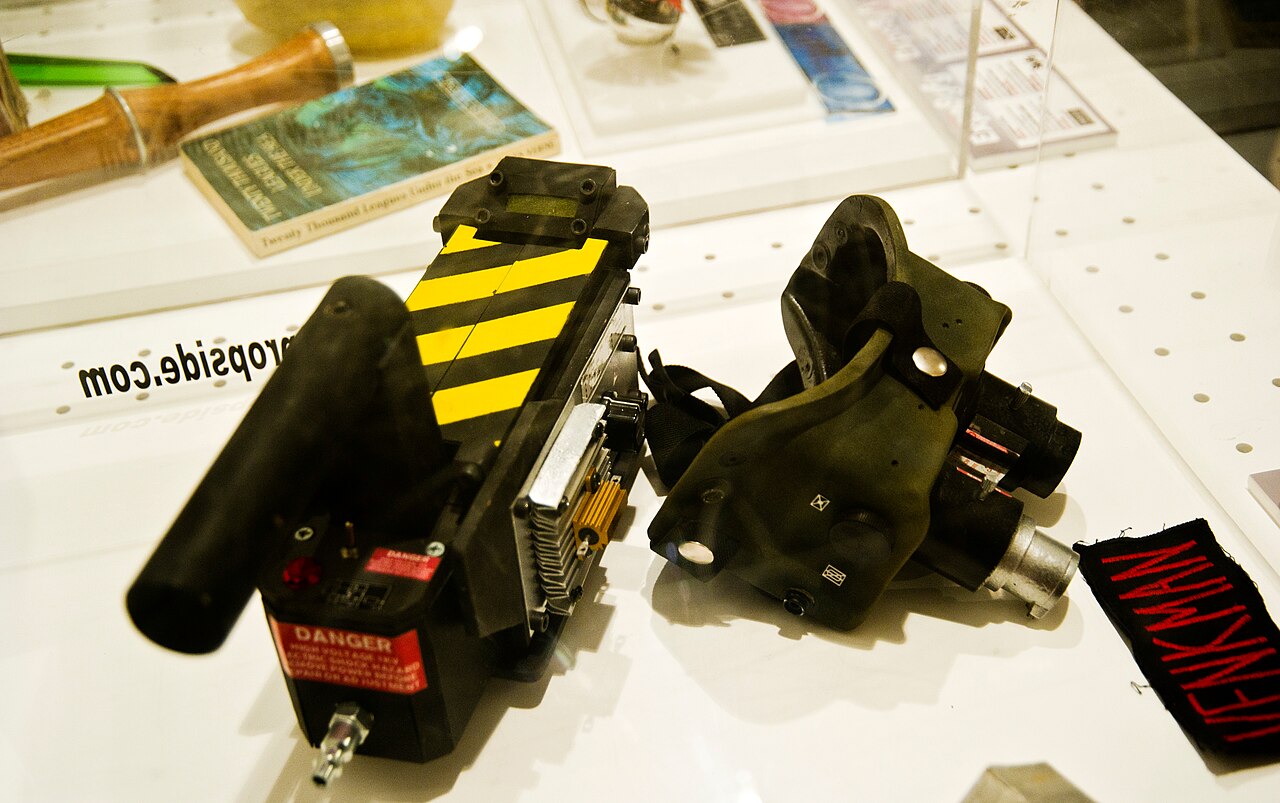
The production relied heavily on practical effects to bring the Ghostbusters' equipment and entities to life. From the proton packs to the Stay Puft Marshmallow Man, the film's visual design required significant technical innovation within the $25–30 million budget. These effects held up over decades and became iconic elements of the film's identity [1].
Release and Box Office Performance
Ghostbusters was released on June 8, 1984, entering the summer box office landscape. The film's release date positioned it against other summer releases, and its unique premise quickly attracted audience attention. The timing of the release contributed to its strong opening weekend performance [1].
Financial Results
The film grossed $370 million worldwide, a remarkable return on its $25–30 million budget. This box office performance made Ghostbusters one of the highest-grossing films of 1984 and established it as a financial success story in the comedy genre. The worldwide gross included significant domestic and international receipts [1].
Critical and Audience Reception
Upon release, Ghostbusters received positive reviews for its original concept, comedic performances, and special effects. Audiences embraced the film, and word-of-mouth promotion helped sustain its box office run. The film's reception solidified its status as a beloved classic and influenced the trajectory of comedy-science fiction hybrids [1].
Franchise Expansion and Sequels
Original Franchise Continuity
The Ghostbusters franchise expanded beyond the 1984 film through various media including animated series, video games, and merchandise. The original film's characters and premise provided a foundation for this expansion, with the franchise maintaining a presence in popular culture through the 1990s and 2000s [2].
Sequel Films
Ghostbusters: Afterlife (2021) and Ghostbusters: Frozen Empire (2024) are sequels set in the original timeline, continuing the story of the Ghostbusters legacy. These films attempt to honor the original while introducing new characters and situations. Their placement in the timeline connects new generations to the 1984 original [2].
Ownership and Rights
The Ghostbusters franchise is owned by Sony Pictures, which holds the rights to the original film and all subsequent media. Sony's ownership has influenced production decisions, including the development of sequels and reboots. The studio's stewardship of the franchise reflects the commercial value of the intellectual property [2].
Cultural Impact and Legacy
Iconic Elements
Ghostbusters created several iconic elements that entered the popular lexicon, including the proton pack, the Stay Puft Marshmallow Man, and the theme music. These elements are recognized across generations and have been referenced in numerous other media. The film's visual design and catchphrases continue to be parodied and celebrated [1].
Influence on Comedy-Science Fiction
The film's blend of comedy and supernatural science fiction influenced subsequent productions in the genre. Its success demonstrated that audiences would embrace films that mixed humor with sci-fi premises, opening doors for similar projects. The film's approach to practical effects also set standards for the industry [1].
Fan Community and Fandom
Ghostbusters maintains a dedicated fan community that engages through conventions, fan art, and online discussions. The film's enduring popularity has led to sustained interest in new content and reexaminations of the original. This community keeps the franchise's legacy active between official releases [2].
Production Context and Challenges
Development Timeline
The development of Ghostbusters involved multiple drafts of the script and iterations on the concept. Ivan Reitman's involvement helped secure the project's greenlight, and the writing team worked to refine the balance between comedy and supernatural elements. The production timeline spanned several years from initial concept to theatrical release [1].
Budget Management
Managing a $25–30 million budget in the early 1980s required careful allocation of resources toward practical effects, cast salaries, and production design. The film's ability to deliver high-quality visuals within this budget constraints was noted by industry analysts. Financial efficiency contributed to the film's eventual profitability [1].
Post-Production and Editing
Post-production on Ghostbusters included editing, sound design, and the integration of practical effects footage. The editing process shaped the film's pacing and comedic timing, with particular attention to the balance between action sequences and character moments. Sound design enhanced the supernatural elements and contributed to the film's atmospheric quality [1].
Technical Specifications
Runtime and Format
Ghostbusters has a runtime of 105 minutes, a length that allowed the film to develop its premise and characters while maintaining audience engagement. The film's format and pacing were designed for theatrical exhibition, and this runtime has become standard for television broadcasts and home video releases [1].
Production Design
The production design of Ghostbusters created the distinctive look of the Ghostbusters' headquarters, equipment, and the various supernatural entities encountered. This design work contributed to the film's immersive quality and helped establish its unique visual identity. The attention to detail in set design and prop creation supported the film's comedic and supernatural elements [1].
Music and Sound
The musical score and sound design of Ghostbusters contributed significantly to its atmosphere and comedic timing. The iconic theme music became as recognizable as the film's visual elements. Sound effects for the proton packs and ghost captures were designed to be both functional and memorable, contributing to the film's sensory identity [1].
Comparative Analysis with Contemporaries
1980s Comedy Landscape
Ghostbusters emerged during a vibrant period for American comedy cinema in the 1980s. Its combination of supernatural elements with comedy set it apart from pure slapstick or romantic comedy offerings of the era. The film's success influenced the types of projects greenlit by studios in the mid-to-late 1980s [1].
Comparison to Other Summer Blockbusters
When compared to other 1984 summer releases, Ghostbusters distinguished itself through its original premise and ensemble cast. While many summer films relied on established franchises or formulas, Ghostbusters offered something new. Its box office performance demonstrated the audience appetite for innovative concepts [1].
Legacy versus Remakes
The 2016 Ghostbusters remake faced comparisons to the original 1984 film, with discussions focusing on how the new version related to the legacy of Reitman's work. The original film's enduring popularity created both expectations and challenges for the remake. This comparison highlights the original's lasting impact on the franchise's identity [2].