
Overview
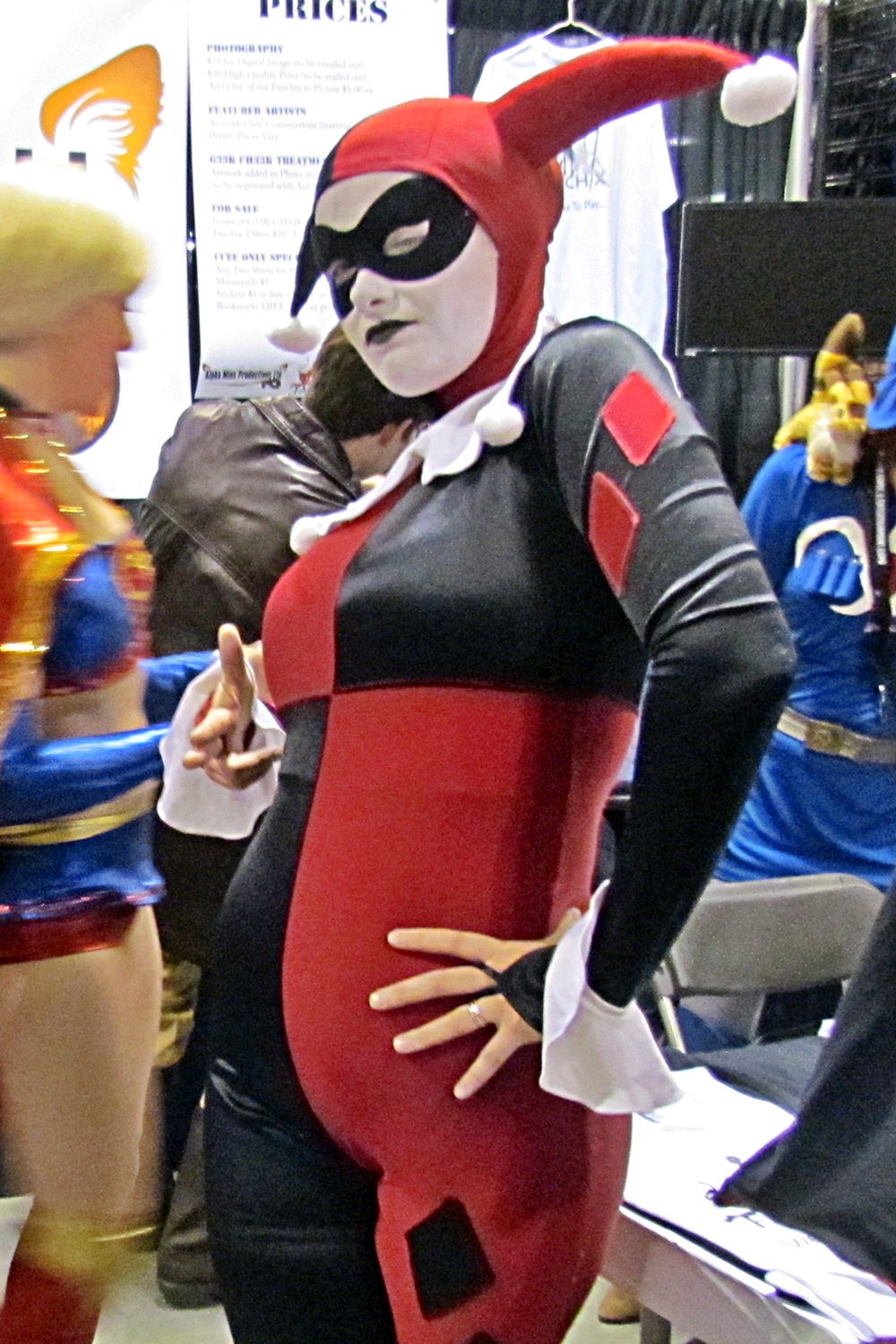
The Harley Quinn animated series is an adult animated action-comedy that follows the titular character as she breaks up with The Joker and attempts to make it on her own as the criminal queenpin of Gotham City [4]. The series was produced for Warner Bros. new streaming service, initially launched as DC Universe before becoming available on HBO Max [1]. It represents a significant entry in the landscape of adult-oriented superhero media, blending high-stakes crime narratives with sharp, character-driven humor. The show distinguishes itself by focusing on Harley's independence rather than her traditional role as a sidekick or romantic interest, a shift that aligns with broader cultural trends in female-led storytelling within the DC universe.
The production was spearheaded by Dean Lorey and Powerless producers Justin Halpern and Patrick Schumacher, who brought a specific comedic sensibility to the project [3]. With a twenty-six-episode order for the first season, the series was designed to offer a sustained narrative arc rather than standalone episodes [4]. The show’s development was closely tied to the success of the character in live-action media, particularly Margot Robbie’s portrayal in Suicide Squad, which helped elevate Harley Quinn to mainstream popularity [1]. This cross-media synergy allowed the animated series to capitalize on existing fan interest while introducing the character to new audiences through a different artistic medium.
Comic Book Origins
The narrative foundation of the series is drawn directly from the popular Harley Quinn comic book run by Amanda Connor, Jimmy Palmiotti, and Chad Hardin [1]. In that comic series, Harley moves out on her own to try and get past the Joker, establishing a storyline of recovery and self-discovery [1]. This source material provided a clear template for the animated adaptation, ensuring that the core emotional beats of the story remained consistent across media. The decision to base the series on this specific run rather than the character’s earlier, more chaotic appearances in Batman comics signaled a deliberate choice to focus on character development over pure chaos.
Narrative Adaptation
Character Evolution
Development Timeline
The series was given a series order in November of 2017, marking the formal start of its production cycle [3]. This early commitment from Warner Bros. indicated a strategic push to build a robust library of original content for its upcoming streaming service. The announcement coincided with broader industry trends where studios were investing heavily in animated properties to capture adult audiences. The timeline from order to release was relatively long, reflecting the complex process of developing an animated series with a large cast and intricate storylines. This period allowed the production team to refine the show’s voice and ensure that the comedic and action elements were balanced effectively.
Early Announcements
Production Milestones
Casting and Voice Ensemble
The cast of the Harley Quinn animated series features a mix of well-known actors and rising voices, creating a dynamic and recognizable ensemble. Kaley Cuoco stars as Harley Quinn, bringing a comedic energy to the role that complements the character’s chaotic nature [3]. Alan Tudyk voices The Joker, providing a counterpoint to Harley’s independence with his own brand of menace and humor [3]. Lake Bell voices Poison Ivy, a character whose relationship with Harley becomes a central focus of the series [3]. This core trio establishes the primary interpersonal dynamics that drive the narrative forward, balancing antagonism, rivalry, and romance.
Supporting Cast
Unannounced Roles
Distribution and Release
The series was initially expected to debut on DC Universe sometime in the fall, following its order in 2017 [3]. However, the release schedule shifted as Warner Bros. restructured its streaming offerings, eventually making the series available on HBO Max on August 1st, 2020 [2]. This transition from DC Universe to HBO Max was part of a larger corporate strategy to consolidate streaming services and maximize subscriber reach. The availability of Seasons 1 and 2 on both DC Universe and HBO Max ensured that the content remained accessible to fans across different platforms [2]. This dual-platform strategy highlights the evolving nature of streaming distribution in the entertainment industry.
Platform Transition
Global Availability
Season One Narrative
The first season of Harley Quinn saw the protagonist attempting to join the Legion of Doom to prove herself as an independent villain following her breakup with the Joker [2]. This narrative arc serves as the foundation of the series, establishing Harley’s new identity and goals. The Legion of Doom provides a structured environment for Harley to test her skills and ambitions, while also introducing her to new allies and adversaries. The season focuses on Harley’s struggle to redefine herself outside the shadow of the Joker, a theme that resonates with audiences seeking stories of personal growth and independence.
Proving Independence
Villainous Hierarchy
Season Two Developments
In Season 2, Gotham City becomes isolated from the rest of the United States, offering an opportunity for Harley to take on the newly formed Injustice League [2]. This escalation in stakes raises the tension and action levels, providing a fresh challenge for Harley and her allies. The isolation of Gotham creates a contained environment where the consequences of actions are amplified, allowing for more dramatic storytelling. The formation of the Injustice League introduces a new antagonist force that tests Harley’s leadership and combat skills, pushing her to the limits of her abilities.
Isolation of Gotham
Injustice League Conflict
Romantic Subplot
A romance between Harley and Poison Ivy begins to blossom in Season 2, adding a new dimension to the character dynamics [2]. This relationship is central to the series’ exploration of love, trust, and partnership. The slow-burn nature of the romance allows for gradual character development and emotional investment from the audience. The pairing of Harley and Ivy is significant because it challenges traditional romantic tropes in superhero media, offering a fresh and compelling narrative perspective. This subplot enhances the overall story by providing a personal stake for Harley in the larger conflicts of the season.
Relationship Dynamics
Narrative Stakes
Genre and Tone
The series is described as an adult animated action-comedy, a genre that blends high-octane action with sharp, witty humor [4]. This tonal balance is crucial for appealing to a wide audience, from fans of superhero action to lovers of comedic storytelling. The adult-oriented nature of the series allows for more mature themes, complex characters, and nuanced dialogue. The combination of action and comedy creates a unique viewing experience that sets the series apart from other animated superhero shows. The tone is consistently maintained throughout the series, ensuring that each episode delivers a satisfying blend of excitement and entertainment.
Action Elements
Comedic Timing
Significance in DC Media
The Harley Quinn animated series holds significant importance in the DC media landscape, as it represents a bold move to explore female-led narratives in the superhero genre [1]. The series’ success has paved the way for other female characters to take center stage in DC adaptations. It challenges traditional gender roles and power dynamics, offering a fresh perspective on the DC universe. The series’ impact extends beyond entertainment, influencing how female characters are portrayed in superhero media. Its success demonstrates the demand for diverse and complex storytelling in the genre.
Female-Led Narrative
Industry Impact
Reception and Legacy
The Harley Quinn animated series has received positive reception from both critics and audiences, praised for its humor, action, and character development [2]. The series’ success on HBO Max has solidified its place as a standout title in the streaming landscape. Its legacy is marked by its contribution to the evolution of superhero animation and its impact on the portrayal of female characters. The series continues to be a fan favorite, with a dedicated following that appreciates its unique blend of comedy and drama. Its legacy is also evident in the continued popularity of the character Harley Quinn across various media.