
Overview of Varanasi's Festival Calendar
Varanasi, one of the world's oldest living cities, becomes a focal point for Hindu devotional life through a year-round calendar of festivals. The city's location on the banks of the Ganges amplifies the spiritual weight of each celebration, as pilgrims and locals alike gather at the ghats to perform rituals. Verified facts establish that Maha Shivaratri honours Lord Shiva with night-long vigils at temples such as Kashi Vishwanath [4], Holi marks the arrival of spring in March with coloured powders and sweets [4], Dev Deepawali illuminates the ghats on Kartik Purnima [4], and Ganga Mahotsav runs as a five-day November festival culminating on the same full-moon night [4]. Dhrupad Mela occupies February or March at Tulsi Ghat, presenting one of Hindustani classical music's oldest forms [4], while the Ramlila of Ramnagar offers a month-long enactment of the Ramayana culminating in Ravana's defeat [4]. These events together shape a cultural timeline that mirrors the Hindu lunar calendar and Varanasi's enduring religious identity.
Seasonal Markers and Lunar Timing
The festivals of Varanasi are not arbitrary; they are anchored in the Hindu lunisolar calendar, with dates shifting each year based on lunar phases. Maha Shivaratri falls on the new moon of the month Phalguna, typically in February or March, while Holi follows the full moon of the same month, creating a consecutive spring celebration sequence. Dev Deepawali and Ganga Mahotsav both climax on Kartik Purnima, the full moon of Kartik in November, suggesting a shared thematic focus on light and water during the autumn season. This lunar timing ensures that the festivals align with agricultural cycles and mythological narratives, reinforcing the connection between timekeeping and devotion in Varanasi.
Temple-Centric Rituals and Pilgrim Flow
Temples serve as the primary nodes for festival rituals, with pilgrim movement shaping the city's daily rhythm during celebrations. On Maha Shivaratri, devotees throng the Kashi Vishwanath temple to offer prayers and participate in night-long vigils [4], a pattern repeated at other Shiva shrines across the city. Holi's colour-throwing spills from residential areas into temple courtyards and ghats, creating a city-wide carnival atmosphere. During Dev Deepawali, thousands of earthen lamps are lit along the ghats, transforming the riverside into a luminous corridor that draws both locals and tourists. The concentration of rituals at specific sites such as Tulsi Ghat for Dhrupad Mela or Ramnagar for Ramlila demonstrates how temple geography channels crowd flow and ritual focus.
Maha Shivaratri: The Night of Shiva
Maha Shivaratri is dedicated to Lord Shiva, the destroyer and transformer in the Hindu trinity, and is observed through intense devotion and ritual austerity. In Varanasi, the celebration centres on the Kashi Vishwanath temple, where devotees throng the premises to offer prayers and participate in night-long vigils [4]. The event is not merely a single-day affair but a period of heightened spiritual activity that draws pilgrims from across the country. The night-long vigil, or jaagran, involves continuous chanting, aarti and meditation, creating a sustained atmosphere of devotion that contrasts with the more festive, daytime celebrations of other festivals.
Ritual Practices and Devotional Focus
The rituals associated with Maha Shivaratri in Varanasi are characterized by their intensity and continuity. Devotees perform abhishekam, the ritual bathing of the Shiva linga, with offerings of milk, honey, yogurt and water. The night-long vigils at Kashi Vishwanath [4] require participants to maintain wakefulness and spiritual focus, often accompanied by the recitation of Shiva stotras and mantras. This practice reflects the belief that the night of Shiva holds special cosmic significance, as it is said to be the time when Shiva performed the cosmic dance of creation and destruction. The concentration of pilgrims at the temple during this period creates a dense, reverent atmosphere that is distinct from the colourful, participatory nature of Holi.
Contrast with Other Spring Festivals
While Holi, which follows Maha Shivaratri in the calendar, is marked by public festivity, colour and dance [4], Maha Shivaratri is defined by introspection and ritual austerity. This contrast highlights the diversity of Hindu devotional expression, where the same season can host both exuberant celebration and solemn meditation. The proximity of these two festivals in the calendar suggests a thematic progression from the destruction of ego and negativity (Shivaratri) to the renewal of life and community (Holi). Pilgrims who attend both events experience a full cycle of spiritual and social engagement, reinforcing the holistic nature of Varanasi's festival culture.
Holi: The Festival of Colours
Holi marks the arrival of spring in March and is celebrated across Varanasi with lively festivities [4]. The festival is characterized by the throwing of coloured powders, dancing, and the enjoyment of traditional sweets. In Varanasi, the celebration extends beyond residential areas to include the ghats and temple courtyards, creating a city-wide atmosphere of joy and community. Holi is not only a social event but also a religious one, with rituals performed to honour the divine and to seek blessings for the coming season. The festival's timing in March aligns with the agricultural cycle, celebrating the end of winter and the beginning of the growing season.
Cultural Practices and Community Participation
The cultural practices associated with Holi in Varanasi emphasize inclusivity and communal bonding. People of all ages and backgrounds participate in the throwing of colours, a practice that symbolizes the breaking down of social barriers and the celebration of unity. The festival is accompanied by music, dance and the sharing of traditional sweets, which are often prepared in advance and distributed among neighbours and friends. In Varanasi, the ghats become popular venues for Holi celebrations, where the water of the Ganges is mixed with coloured powders, creating a vibrant and dynamic scene. This public nature of the festival contrasts with the more private, temple-centric rituals of Maha Shivaratri.
Symbolism and Spiritual Significance
Beyond its social and cultural dimensions, Holi carries deep spiritual significance in Hindu tradition. The festival is associated with the legend of Holika and Prahlad, where the triumph of good over evil is celebrated. The colours used in Holi are not merely decorative but are seen as a representation of the divine energy that pervades the universe. In Varanasi, the festival is also linked to the worship of Lord Krishna, who is said to have played with colours in his youth. This spiritual layer adds depth to the festive activities, transforming the celebration into a form of devotional expression that reinforces the city's religious identity.
Dev Deepawali: The Diwali of the Gods
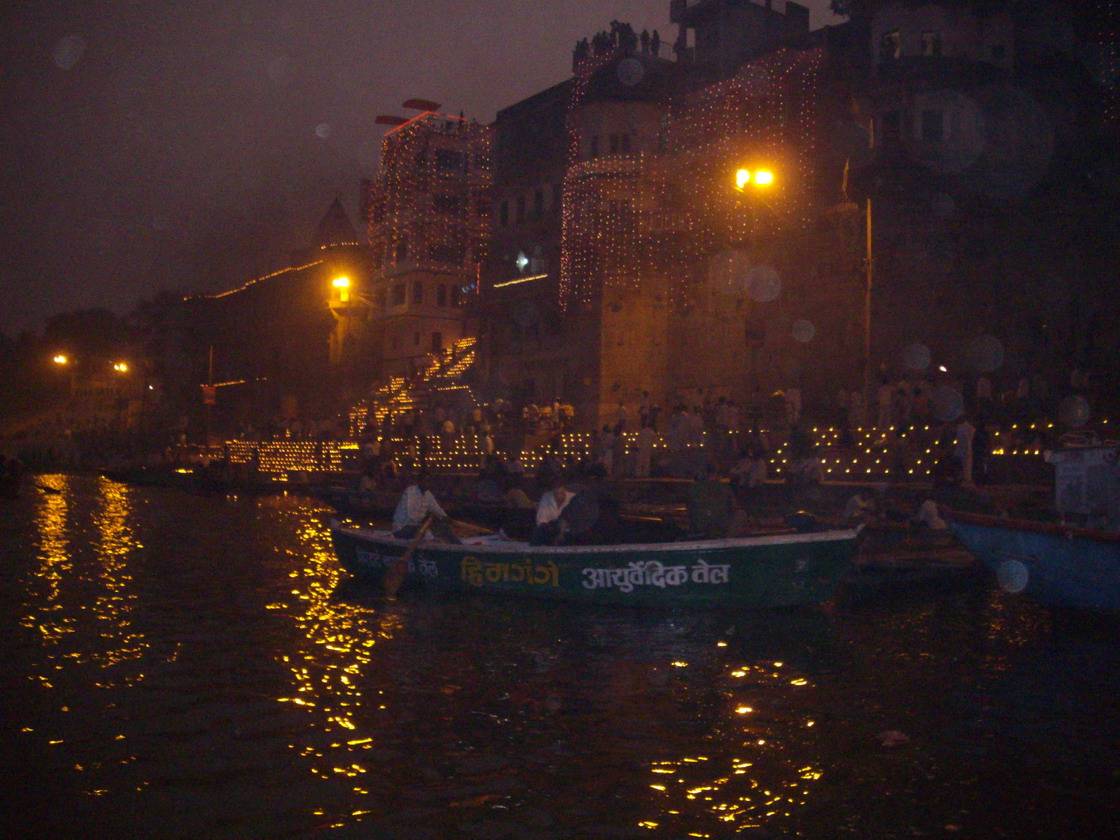
Dev Deepawali, also known as the Diwali of the Gods, is celebrated on Kartik Purnima in November and is one of the most visually striking festivals in Varanasi [4]. The event is characterized by the illumination of the ghats with thousands of earthen lamps along the Ganges. This festival is distinct from the more widely known Diwali, which is celebrated in October or November, as it focuses on the divine rather than the domestic. The lighting of the lamps is a symbolic act of devotion, representing the dispelling of darkness and the arrival of light. The scale of the illumination, with thousands of lamps lining the ghats, creates a breathtaking spectacle that draws both pilgrims and tourists.
Ritual Significance and Divine Focus
The ritual significance of Dev Deepawali lies in its focus on the divine, rather than the household. The festival is believed to commemorate the day when the gods lit lamps to guide Lord Rama back to Ayodhya after his exile. In Varanasi, this tradition is continued with the lighting of earthen lamps along the ghats, a practice that emphasizes the sacredness of the Ganges and the city's spiritual heritage. The event is also associated with the worship of Lord Shiva, as it falls on the same lunar day as Maha Shivaratri, creating a thematic link between the two festivals. The divine focus of Dev Deepawali sets it apart from other festivals that emphasize social or agricultural themes.
Visual Spectacle and Cultural Impact
The visual spectacle of Dev Deepawali is a major draw for visitors to Varanasi, with the ghats transformed into a sea of light. The thousands of earthen lamps [4] create a warm, golden glow that reflects off the water of the Ganges, producing a serene and majestic atmosphere. This visual impact has made Dev Deepawali a popular subject for photography and tourism, contributing to the city's reputation as a spiritual and cultural destination. The festival's cultural impact extends beyond the immediate celebration, as it reinforces the city's identity as a place of divine light and spiritual renewal. The event also serves as a culmination of the Ganga Mahotsav, tying together the themes of water, light and devotion.
Ganga Mahotsav: Celebrating the River
Ganga Mahotsav is a five-day festival in November that celebrates the Ganges River with cultural performances, boat races, and local crafts [4]. The festival culminates on Kartik Purnima, the same day as Dev Deepawali, creating a seamless transition between the two events. Ganga Mahotsav is a celebration of the river's cultural and spiritual significance, with activities that highlight the Ganges' role in Hindu tradition and daily life. The inclusion of cultural performances, boat races and local crafts [4] adds a festive and interactive dimension to the celebration, making it accessible to a wide audience. The festival's five-day duration allows for a gradual build-up of events, culminating in the grand illumination of the ghats on the final day.
Cultural Performances and Local Crafts
The cultural performances at Ganga Mahotsav showcase the rich artistic heritage of Varanasi, with music, dance and theatre featuring prominently. The festival also highlights local crafts, providing a platform for artisans to display and sell their work. This emphasis on local culture and craftsmanship not only enriches the festival experience but also supports the local economy. The boat races, a popular attraction, add a competitive and dynamic element to the celebration, drawing crowds to the ghats to cheer on the participants. The combination of cultural, artistic and sporting activities makes Ganga Mahotsav a multifaceted event that appeals to a diverse audience.
Spiritual Connection to the Ganges
The spiritual connection to the Ganges is central to Ganga Mahotsav, as the river is revered in Hindu tradition as a sacred entity. The festival provides an opportunity for devotees to perform rituals and offer prayers to the river, seeking its blessings and purification. The culmination of the festival on Kartik Purnima, with the lighting of lamps along the ghats [4], reinforces the river's divine status and its role in spiritual practice. The festival's focus on the Ganges sets it apart from other festivals that are centered on specific deities or mythological events, highlighting the unique relationship between Varanasi and its sacred river.
Dhrupad Mela: A Musical Heritage
Dhrupad Mela is a five-day musical festival held in February or March at Tulsi Ghat, dedicated to Dhrupad, one of the oldest forms of Hindustani classical music [4]. The festival is a celebration of the rich musical heritage of India, with performances by renowned artists and students of Dhrupad. The choice of Tulsi Ghat as the venue adds a spiritual dimension to the musical performances, as the ghat is a sacred site for rituals and meditation. The festival's timing in February or March places it near the spring festivals, creating a period of heightened cultural activity in Varanasi. The focus on Dhrupad, an ancient form of classical music, underscores the festival's role in preserving and promoting traditional Indian music.
Historical Context of Dhrupad
Dhrupad is one of the oldest forms of Hindustani classical music, with a history that dates back centuries. The festival dedicated to this form of music at Tulsi Ghat [4] serves as a tribute to its historical significance and its role in the development of Indian classical music. The performances at Dhrupad Mela feature traditional instruments and vocal styles that have been passed down through generations, preserving the authenticity of the art form. The festival also provides a platform for new artists to showcase their talent, ensuring the continuity of Dhrupad in the modern era. The historical context of Dhrupad adds depth to the festival, connecting contemporary performances with a rich musical tradition.
Venue and Spiritual Atmosphere
The choice of Tulsi Ghat as the venue for Dhrupad Mela is significant, as the ghat is a sacred site with a strong spiritual atmosphere. The performances at the ghat are accompanied by the sounds of the Ganges and the rituals performed by devotees, creating a unique and immersive experience for the audience. The spiritual setting of the festival enhances the emotional impact of the musical performances, as the music is intertwined with the sacred environment. The combination of music and spirituality at Tulsi Ghat [4] makes Dhrupad Mela a distinctive event in Varanasi's festival calendar, offering a different kind of cultural experience from the more public and festive celebrations of Holi and Ganga Mahotsav.
Ramlila of Ramnagar: Dramatic Enactment
The Ramlila of Ramnagar is a month-long dramatic enactment of the Ramayana performed in Ramnagar, culminating with the defeat of Ravana [4]. This festival is a celebration of the epic's narrative, with performances that bring the story of Lord Rama to life. The month-long duration of the Ramlila allows for a detailed and comprehensive portrayal of the epic, with each day focusing on a different episode. The culmination of the festival with the defeat of Ravana [4] provides a dramatic climax that is a highlight of the celebration. The Ramlila of Ramnagar is a significant cultural event in the region, drawing audiences from across the country to witness the performance.
Narrative Structure and Performance Style
The narrative structure of the Ramlila follows the episodes of the Ramayana, with each day's performance focusing on a specific event in the epic. The performance style is a combination of drama, music and dance, with actors portraying the characters of Rama, Sita, Lakshmana and Ravana. The use of traditional costumes, sets and props adds to the authenticity of the performance, creating a vivid and engaging experience for the audience. The month-long duration of the Ramlila [4] allows for a gradual build-up of tension and emotion, culminating in the dramatic defeat of Ravana. This narrative structure ensures that the audience remains engaged throughout the festival, experiencing the full arc of the epic.
Cultural and Religious Significance
The cultural and religious significance of the Ramlila of Ramnagar is profound, as it celebrates the story of Lord Rama, a central figure in Hindu tradition. The festival is a form of devotional expression, with the performance of the Ramayana serving as a means of connecting with the divine. The defeat of Ravana [4] symbolizes the triumph of good over evil, a theme that resonates with the spiritual values of Hinduism. The Ramlila also serves as a cultural event, showcasing the artistic and dramatic traditions of the region. The combination of religious devotion and cultural expression makes the Ramlila of Ramnagar a unique and important festival in the Varanasi region.
Timeline of Key Festival Events
The timeline of key festival events in Varanasi spans the entire year, with each festival occupying a specific place in the calendar. Maha Shivaratri and Holi occur in the spring season, with Maha Shivaratri on the new moon and Holi on the full moon of the same month [4]. Dhrupad Mela is held in February or March, overlapping with the spring festival season [4]. Ganga Mahotsav and Dev Deepawali occur in November, with Ganga Mahotsav running for five days and culminating on Kartik Purnima, the same day as Dev Deepawali [4]. The Ramlila of Ramnagar is a month-long event, typically held in the autumn season, culminating with the defeat of Ravana [4]. This timeline creates a rhythm of cultural and spiritual activity throughout the year, with each festival building on the themes and traditions of the previous one.
Seasonal Distribution of Festivals
The seasonal distribution of festivals in Varanasi reflects the agricultural and climatic cycles of the region. The spring festivals, including Maha Shivaratri and Holi, coincide with the end of winter and the beginning of the growing season [4]. The autumn festivals, including Ganga Mahotsav and Dev Deepawali, occur during the cooler months, providing a respite from the summer heat [4]. The Ramlila of Ramnagar, a month-long event, spans the autumn season, allowing for a sustained period of cultural activity [4]. This seasonal distribution ensures that there is a festival or cultural event in Varanasi throughout the year, maintaining a continuous flow of devotional and artistic expression.
Overlapping Themes and Transitions
The overlapping themes and transitions between festivals in Varanasi create a cohesive cultural narrative. The transition from Maha Shivaratri to Holi marks a shift from introspective devotion to exuberant celebration [4]. The transition from Ganga Mahotsav to Dev Deepawali highlights the connection between the river and the divine, with the lighting of lamps on Kartik Purnima [4] serving as a culmination of the river festival. The Ramlila of Ramnagar, with its month-long duration, provides a sustained narrative that contrasts with the shorter, more focused festivals of the spring and autumn seasons [4]. These transitions and overlaps create a dynamic and interconnected festival calendar that reflects the complexity and richness of Varanasi's cultural heritage.
How Rituals Work in Varanasi
The rituals associated with Hindu festivals in Varanasi are complex and deeply rooted in tradition, involving specific actions, symbols and timings. The rituals of Maha Shivaratri, for example, involve the offering of prayers and the participation in night-long vigils at temples like Kashi Vishwanath [4]. The rituals of Holi include the throwing of coloured powders, dancing and the enjoyment of traditional sweets [4]. The rituals of Dev Deepawali involve the lighting of thousands of earthen lamps along the ghats [4]. These rituals are not arbitrary but are guided by specific religious texts and traditions, ensuring their consistency and authenticity. The performance of these rituals is a form of devotional practice, connecting the individual to the divine and to the community.
Symbolic Actions and Their Meaning
The symbolic actions associated with Hindu festivals in Varanasi carry deep religious and cultural meaning. The throwing of coloured powders during Holi symbolizes the breaking down of social barriers and the celebration of unity [4]. The lighting of earthen lamps during Dev Deepawali symbolizes the dispelling of darkness and the arrival of light [4]. The night-long vigils during Maha Shivaratri symbolize the devotee's commitment to spiritual discipline and devotion [4]. These symbolic actions are not merely decorative but are integral to the spiritual experience of the festival, reinforcing the themes and values of the celebration. The consistency of these symbolic actions across festivals creates a cohesive ritual language that is understood and shared by the community.
Role of the Ganges in Rituals
The Ganges plays a central role in the rituals associated with Hindu festivals in Varanasi. The river is used for bathing, offering prayers and performing rituals, as it is considered sacred and purifying. During Ganga Mahotsav, the river is celebrated with cultural performances, boat races and local crafts [4], highlighting its cultural and spiritual significance. During Dev Deepawali, the lighting of lamps along the ghats [4] transforms the river into a site of divine illumination. The role of the Ganges in these rituals underscores the city's unique relationship with the river, which is both a physical and spiritual presence in the lives of its inhabitants. The integration of the river into the festival rituals creates a distinctive feature of Varanasi's festival culture.
Reception and Cultural Significance
The reception of Hindu festivals in Varanasi is marked by widespread participation and a deep sense of cultural pride. The festivals are not only religious events but also cultural celebrations that showcase the city's artistic and devotional heritage. The participation of locals and tourists alike in festivals such as Holi and Dev Deepawali [4] demonstrates the inclusive nature of these events. The cultural significance of the festivals is evident in their role in preserving and promoting traditional practices, such as the performance of Dhrupad at Tulsi Ghat [4] and the enactment of the Ramlila in Ramnagar [4]. The festivals also contribute to the city's identity as a spiritual and cultural destination, attracting visitors from across the world.
Community Participation and Social Bonding
Community participation is a key feature of Hindu festivals in Varanasi, with festivals such as Holi fostering social bonding and inclusivity. The throwing of coloured powders and the sharing of traditional sweets [4] create a sense of community and shared joy. The festivals also provide an opportunity for people from different social backgrounds to come together, breaking down barriers and promoting unity. The social bonding aspect of the festivals is an important part of their cultural significance, as it reinforces the values of community and togetherness that are central to Hindu tradition. The inclusive nature of these festivals makes them accessible to a wide range of participants, from locals to tourists.
Tourism and Cultural Promotion
The festivals of Varanasi play a significant role in promoting the city as a cultural and spiritual destination. The visual spectacle of Dev Deepawali, with its thousands of earthen lamps [4], and the lively festivities of Holi [4] are major attractions for tourists. The cultural performances at Ganga Mahotsav [4] and the musical heritage showcased at Dhrupad Mela [4] add to the city's appeal as a destination for cultural tourism. The festivals also contribute to the local economy, with the sale of crafts, sweets and other festival-related goods providing income for local artisans and vendors. The promotion of Varanasi's festivals through tourism helps to preserve and promote the city's cultural heritage, ensuring its continuity for future generations.
Comparative Analysis of Festival Themes
A comparative analysis of the themes of Hindu festivals in Varanasi reveals a rich tapestry of spiritual, cultural and social values. The festivals of Maha Shivaratri and Holi, for example, contrast the themes of introspective devotion and exuberant celebration [4]. The festivals of Ganga Mahotsav and Dev Deepawali highlight the connection between the river and the divine, with the lighting of lamps on Kartik Purnima [4] serving as a culmination of the river festival. The Ramlila of Ramnagar, with its month-long duration, provides a sustained narrative that contrasts with the shorter, more focused festivals of the spring and autumn seasons [4]. These thematic contrasts and connections create a dynamic and interconnected festival calendar that reflects the complexity and richness of Varanasi's cultural heritage.
Devotional vs. Festive Themes
The devotional themes of festivals such as Maha Shivaratri and Dev Deepawali contrast with the festive themes of Holi and Ganga Mahotsav [4]. The devotional festivals emphasize introspection, ritual and spiritual discipline, while the festive festivals emphasize social bonding, celebration and cultural expression. This contrast reflects the diversity of Hindu devotional expression, where the same season can host both solemn meditation and exuberant celebration. The integration of devotional and festive themes in Varanasi's festival calendar creates a balanced and holistic cultural experience that caters to a wide range of spiritual and social needs. The coexistence of these themes highlights the adaptability and richness of Hindu tradition.
Individual vs. Community Focus
Sources & citations
- Millions in India celebrate Diwali, the Hindu festival of... | The Guardian
- Hindu Festivals in Varanasi 2026 and 2027: Dates, Muhurat
- The Hindu: Latest News today from India and the World, Breaking …
- Famous Hindu Festivals of Varanasi, India – Culture & Celebration
- Festival calendar in Varanasi, November 2026 · kundlit