
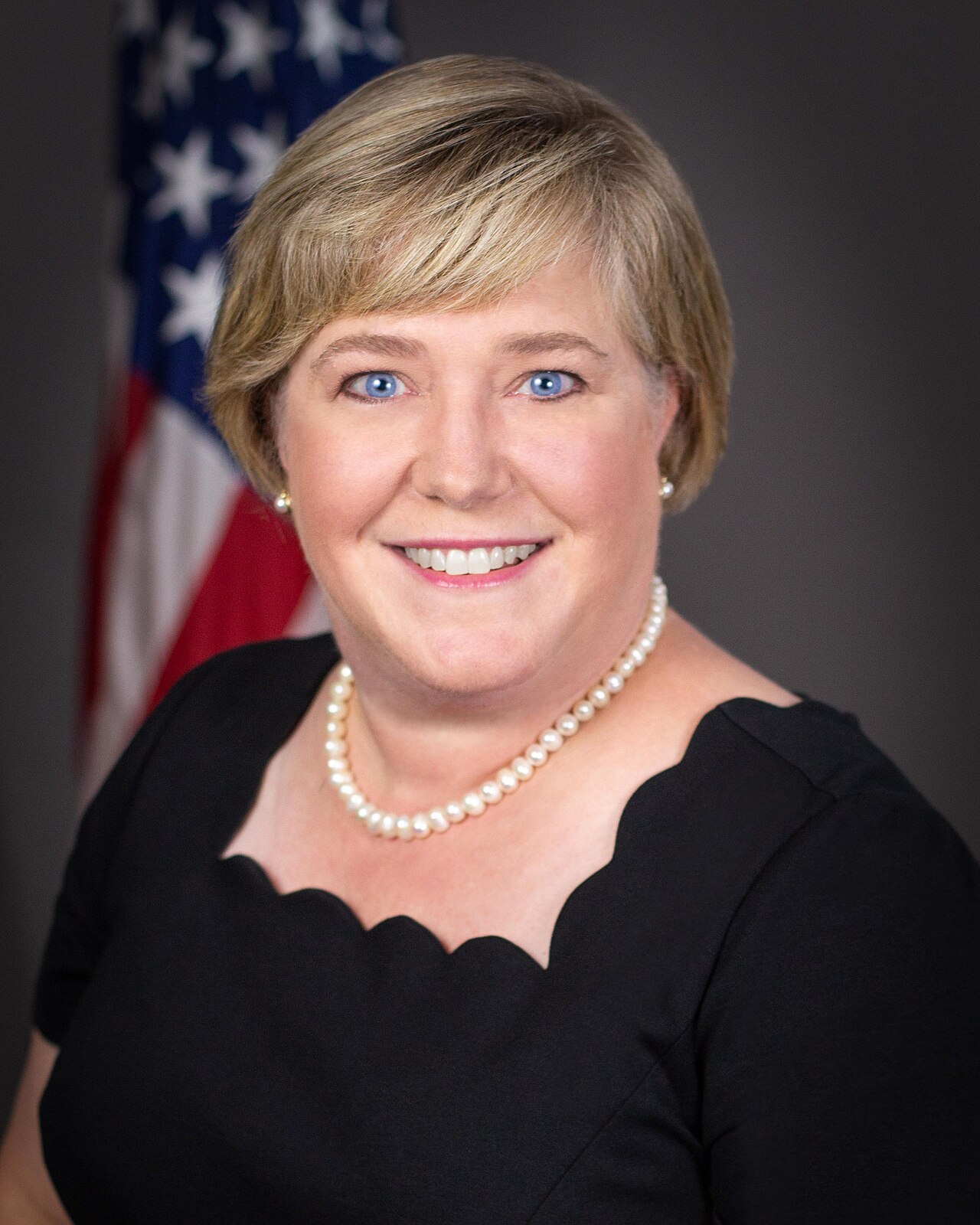
Overview of HHS Mission and Function
The primary objective of the U.S. Department of Health and Human Services is to protect the well-being of every American citizen and furnish necessary human services [2] [5]. This broad mandate encompasses numerous critical areas of public health and social welfare within the nation [2] [5].
Leadership Structure
Departmental direction is provided by the Office of the Secretary, which is responsible for establishing overarching policies, overseeing various programs, and ensuring coordinated efforts across the entire HHS structure [2].
Current Leadership Identification
Robert F. Kennedy Jr. is noted as the individual serving as the HHS Secretary [4] [5].
Historical Precursors to Modern HHS
The lineage of the current department is rooted in earlier governmental bodies, specifically including the Federal Security Agency and the Department of Health, Education, and Welfare [1].
Evolutionary Timeline Context
Understanding the transition from the Federal Security Agency to the Department of Health, Education, and Welfare provides essential context for how the modern HHS was formed [1]. These predecessors managed diverse health and welfare responsibilities before the current configuration [1].
Shifting Governmental Focus
The changes in departmental names reflect evolving national priorities regarding public health and social support in the United States [1]. This historical progression is key to grasping the department's current scope [1].
Key Agencies Under HHS Jurisdiction
HHS oversees several specialized agencies crucial to American health and welfare, among which are the Indian Health Service (IHS), the National Institutes of Health (NIH), Substance Abuse and Mental Health Services Administration (SAMHSA), and the Administration for Children and Families (ACF) [5].
Role of NIH
The National Institutes of Health (NIH) plays a significant part in advancing medical knowledge and health research across the country [5]. Its work supports scientific understanding of human health challenges [5].
Focus on Mental Health and Substance Use
SAMHSA is dedicated to addressing issues related to substance abuse and mental health services within the population [5]. This focus is vital for comprehensive national health coverage [5].
Public Health Milestones and Status Changes
The status of measles elimination in the U.S. was affected by domestic transmission patterns [4]. Specifically, the nation forfeited its measles elimination status following a period of at least twelve continuous domestic transmission instances [4].
Criteria for Elimination Status
Maintaining measles elimination status requires consistent control over the virus domestically, making continuous monitoring essential for public health bodies like HHS [4]. The duration of transmission is a key metric [4].
Implications of Loss of Status
The loss of measles elimination status highlights the ongoing need for robust public health surveillance and vaccination efforts managed through HHS channels [4]. This serves as a reminder of infectious disease risks [4].
Operational Framework of HHS Programs
The coordination of work across HHS is managed through the Office of the Secretary, ensuring that various programs align with the department's overarching health protection goals [2].
Program Management and Policy Setting
The department's function involves not only managing existing programs but also setting the foundational policies that guide health and human services nationwide [2]. This policy function shapes access and care for Americans [2].
Agency Collaboration
Agencies such as ACF and IHS work within the broader HHS structure to deliver targeted services to specific populations, demonstrating integrated service delivery [5].
Administrative Oversight and Documentation
Official governmental documentation, such as the 2026 Federal Register Index, pertains to activities within the Health and Human Services Department [3].
Regulatory Publication
The Federal Register serves as the official publication point for HHS activities, providing public notice regarding regulatory actions and updates [3]. This ensures transparency in federal operations [3].
Executive Directives
Updates to executive orders, such as those dated November 20, 2026, are documented by related bodies, indicating ongoing executive management of the department's affairs [4].
Scope of Services Provided
HHS is tasked with providing essential human services alongside health protection for all Americans [2] [5]. This scope is wide, covering diverse needs from child welfare to mental health support [5].
Targeted Population Support
The Indian Health Service (IHS) provides specific health services tailored to Native American populations, illustrating targeted care within the department [5]. This specialized focus is a core part of its mission [5].
Child and Family Welfare
The Administration for Children and Families (ACF) manages programs dedicated to supporting children and families across the United States [5]. This addresses critical social safety net functions [5].
Significance in American Health Policy
The existence and evolution of HHS underscore the federal government's commitment to national health security and welfare [2] [5]. Its structure manages complex, interconnected health challenges [2].
National Health Security
Protecting the health of all Americans is a central, enduring mandate of the department [2]. This commitment guides policy from disease control to preventative care [2].
Administrative Complexity
The integration of agencies like NIH, SAMHSA, and ACF under one umbrella demonstrates the complexity of modern, comprehensive U.S. health governance [5]. This integration is necessary for holistic care [5].
Administrative Personnel and Roles
The role of the HHS Secretary is central to the department's operation, responsible for policy direction and program coordination [2] [5].
Secretary Identification
Robert F. Kennedy Jr. is identified in records as the HHS Secretary [4] [5]. This appointment places specific leadership in charge of the department's execution [4].
Leadership Function
The Secretary's duties involve setting departmental policies and managing the extensive array of HHS programs [2] [5]. This executive function drives the department's national impact [2].
Contextualizing Health Threats
Measles transmission serves as a concrete example of the public health challenges HHS addresses [4]. The loss of elimination status after prolonged domestic spread emphasizes the need for vigilance [4].
Disease Surveillance Importance
Continuous domestic transmission monitoring is crucial for maintaining public health benchmarks like measles elimination [4]. This surveillance capability is a core operational requirement [4].
Preventative Health Imperative
The event related to measles status loss underscores the ongoing imperative for preventative health measures managed under the HHS purview [4]. This informs current public health strategy [4].