
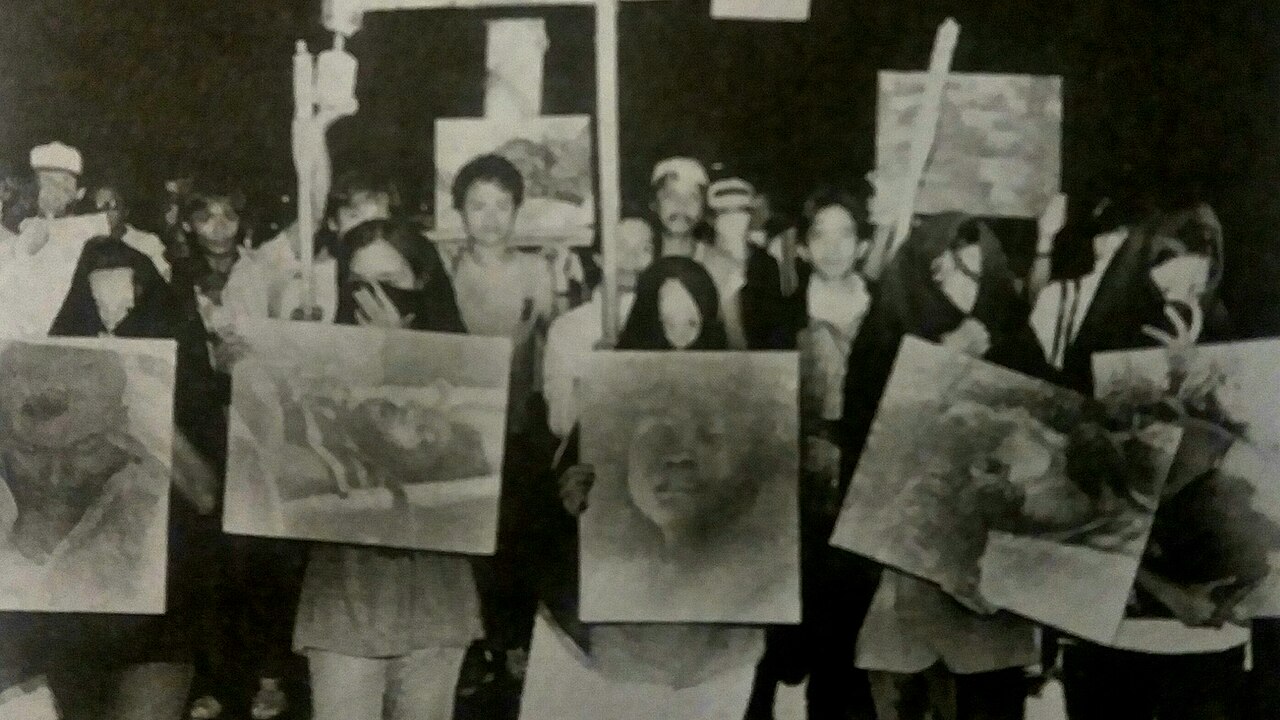
Overview of Human Rights Framework
The foundation for human rights within the Philippines is established through Article III of the Philippine Constitution and adherence to the United Nations 'International Bill of Human Rights' [1]. These legal structures aim to safeguard fundamental dignities for all citizens [1]. Despite these robust legal provisions, the nation continues to face significant human rights difficulties [1].
Scope of Protections
The legal framework encompasses protections against various abuses, including torture, issues related to labor, and the rights of indigenous peoples [1]. The commitment to these rights is both domestic and international in scope [1].
Persistent Challenges
Key ongoing concerns within the country involve extrajudicial killings, forced disappearances, and restrictions affecting freedom of expression and the welfare of activists [1]. These challenges highlight the gap between legal guarantees and practical implementation [1].
Historical Context of Rights Violations
The history of human rights in the Philippines features notable periods of severe violation across several administrations [1]. These historical events provide context for contemporary rights debates [1].
Marcos and Arroyo Eras
Violations were documented during the Marcos administration, which spanned from 1965 to 1986, and also during the Arroyo administration, which governed from 2001 to 2010 [1]. These periods are cited as having significant human rights incidents [1].
Aquino and Duterte Administrations
Subsequent administrations, including Benigno Aquino's (2010–2016) and Duterte's (2016–2022), also saw recorded human rights issues [1]. The current Marcos Jr. administration has been in office since 2022 [1].
Specific Types of Human Rights Issues
The spectrum of human rights concerns in the Philippines is broad and severe [1]. These issues extend beyond individual liberties to encompass systemic problems affecting vulnerable populations [1].
Severe Violations
Documented issues include crimes against humanity, impunity, and instances of torture [1]. Furthermore, the rights of indigenous peoples remain a critical area of focus within the national discourse [1].
Civil Liberties Concerns
Extrajudicial killings and forced disappearances represent grave threats to life and personal security in the country [1]. These practices directly challenge the constitutional guarantees of due process [1].
ASEAN Summit Incident Investigation
A specific instance of alleged human rights violations occurred during protests linked to the 49th ASEAN Summit held in Manila on November 15, 2026 [4, 5]. The Commission on Human Rights (CHR) conducted an investigation into these reported abuses [4, 5].
Detention and Apprehension Details
During the ASEAN Summit protests, records indicate that over 200 people were transported to Camp Bagong Diwa in Muntinlupa City, while 11 individuals were reportedly detained in Manila [4, 5]. This incident drew scrutiny from human rights monitoring bodies [4, 5].
CHR Mandate Regarding Custody
The CHR has emphasized that all persons held in police custody must receive humane treatment, including sufficient food, water, and medical attention, alongside their constitutional and due process rights [4]. This sets a standard for law enforcement conduct [4].
Legal Protections and Due Process
The legal system mandates specific standards for individuals under state custody [4]. Adherence to due process is not merely a suggestion but a constitutional requirement [4].
Constitutional Safeguards
Article III of the Philippine Constitution serves as the primary domestic guarantor of rights [1]. This article works in conjunction with international human rights standards to protect citizens [1].
CHR Oversight Role
The Commission on Human Rights plays a role in investigating alleged violations, such as those during the ASEAN Summit protests [4, 5]. Its findings relate directly to the humane treatment standards required for detainees [4].
Analysis of Rights Implementation Gaps
A persistent theme is the divergence between the strong legal protections available and the reality experienced by citizens [1]. Challenges such as impunity underscore difficulties in enforcing the law against perpetrators of abuses [1].
Activist and Expression Risks
Freedom of expression is a recognized right, yet activists face challenges in exercising it, alongside risks related to extrajudicial actions [1]. This highlights vulnerability for civil society participants [1].
Systemic vs. Individual Issues
The problems range from specific acts like forced disappearances to broader systemic failures, including issues concerning labor rights and indigenous rights [1]. Addressing these requires both judicial and policy reform [1].
Timeline of Key Administrations
Tracking the political landscape reveals periods marked by distinct human rights challenges [1]. The progression from the Marcos administration through to the current government shows continuity in rights concerns [1].
Mid-Century to Early 2000s
The Marcos administration (1965–1986) and the Arroyo administration (2001–2010) are noted historical periods of concern [1]. These eras contribute to the complex historical record of rights in the nation [1].
Recent Decades
The administrations of Benigno Aquino (2010–2016) and Duterte (2016–2022) are part of the recent timeline [1]. The Marcos Jr. administration has been in office since 2022 [1].
Significance for International Law
The Philippines' commitment to the UN 'International Bill of Human Rights' places its domestic issues within an international legal context [1]. International scrutiny is relevant when domestic protections appear insufficient [1].
Global Human Rights Monitoring
Incidents, such as those investigated by the CHR during the ASEAN Summit, attract attention regarding adherence to international standards for detainee treatment [4, 5]. This monitoring pressures domestic accountability [4].
Legal Benchmarks
The standards set by the CHR—requiring humane treatment, adequate care, and due process for detainees [4]—align with international human rights norms [4].
Conclusion on Rights Landscape
In summary, the Philippine legal system provides a strong foundation for human rights [1]. However, the practical reality involves ongoing struggles against extrajudicial violence and limitations on civil liberties [1].
Path Forward
Addressing the documented issues—including impunity and the treatment of activists [1]—requires strengthening the enforcement mechanisms of the Constitution and the CHR [1, 4].