
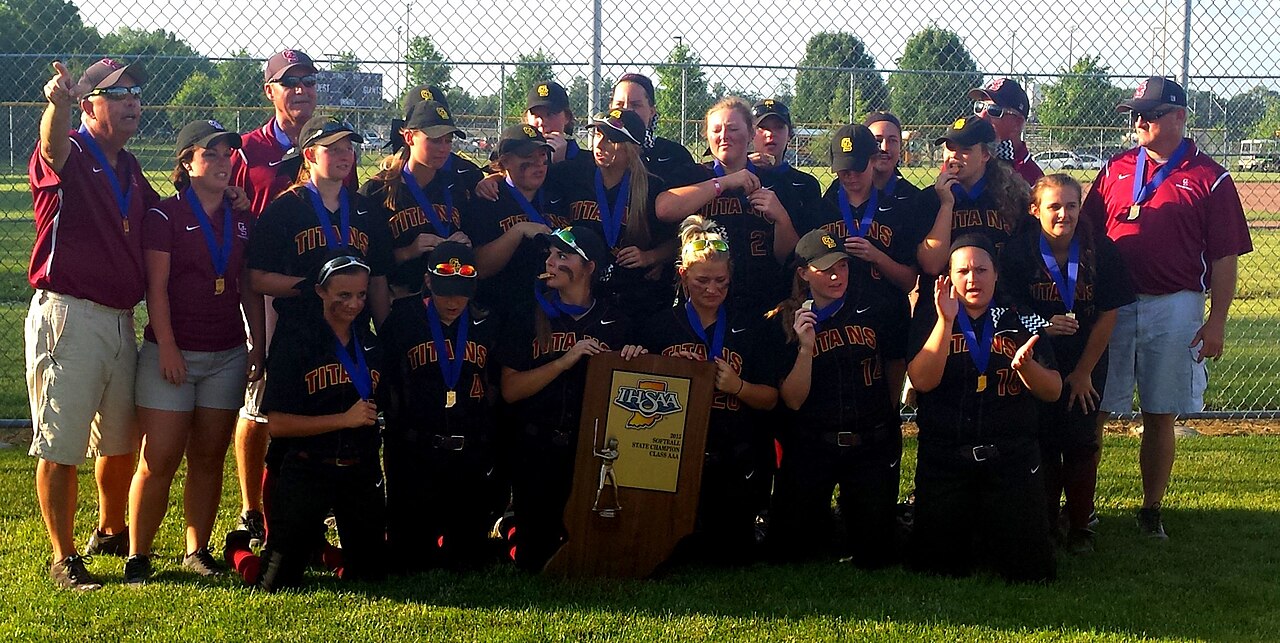
Governance and Historical Foundations
The Indiana High School Athletic Association, known as IHSAA, serves as the governing body for high school athletics across the state of Indiana. Established in 1903, the organization has overseen the development of interscholastic sports for more than a century [3]. Its founding reflects a early commitment to standardizing athletic competition among Indiana's secondary schools.
Early Organizational Structure
From its inception, the IHSAA assumed responsibility for regulating interscholastic competition, ensuring eligibility standards, and sponsoring state-level championships. The association's longevity underscores its integral role in Indiana's educational athletic landscape [3].
Governing Principles
The IHSAA operates on principles of equity, sportsmanship, and student-athlete welfare. By establishing consistent rules across diverse school districts, the association seeks to create a level playing field while prioritizing the educational mission of high school sports [3].
Boys Sports Oversight
Core Athletic Programs
The IHSAA oversees a comprehensive array of boys sports, including baseball, basketball, cross country, football, golf, soccer, swimming & diving, tennis, track & field, and wrestling [3]. Each sport operates under specific regulations designed to maintain competitive integrity and participant safety.
Championship Structure
For each boys sport overseen by the IHSAA, the organization conducts a state finals competition. These events represent the pinnacle of high school athletic achievement in Indiana and draw significant student, family, and community participation [3].
Seasonal Coordination
The IHSAA coordinates the timing of seasons across its sponsored boys sports, balancing facility usage, academic calendars, and athlete welfare. This organizational framework allows multiple sports to thrive simultaneously without conflict [3].
Girls Sports Oversight
Core Athletic Programs
The IHSAA also directs governance over girls sports, encompassing basketball, cross country, golf, gymnastics, soccer, softball, swimming & diving, tennis, track & field, and wrestling [3]. The inclusion of wrestling in the girls program reflects the association's ongoing commitment to gender equity in athletics.
Title IX and Program Expansion
The IHSAA's girls sports portfolio has expanded significantly in response to broader societal shifts toward gender equity in sports. The addition of sports like gymnastics and wrestling demonstrates the association's adaptability to emerging athletic opportunities for female students [3].
State Championship Events
Similar to the boys program, the IHSAA conducts state finals for each girls sport. These championship events serve as both competitive showcases and celebrations of female athletic achievement within Indiana's high school system [3].
Unified Sports and Inclusive Programs
Flag Football Initiative
Beyond traditional varsity sports, the IHSAA offers unified sports programs designed to increase participation and inclusivity. One such offering is flag football, which provides student-athletes with alternative competitive opportunities [3].
Girls Lacrosse Development
Another unified sport sponsored by the IHSAA is girls lacrosse. This program expands the range of athletic options available to students, particularly in regions where lacrosse participation was previously limited [3].
Inclusion and Accessibility
The unified sports model employed by the IHSAA emphasizes accessibility and student engagement. By offering sports like flag football and girls lacrosse, the association aims to broaden the athletic pipeline and welcome participants from diverse backgrounds [3].
State Finals Traditions and Programs
Historical Continuity
IHSAA state finals programs date back to 1903, making them among the longest-running high school athletic competitions in the United States [5]. This historical continuity connects generations of student-athletes, coaches, and communities across the state.
Program Evolution
Over more than a century, the format and scope of IHSAA state finals have evolved. While the core mission of crowning state champions remains unchanged, modern events incorporate enhanced production, wider media coverage, and updated competitive structures [5].
Community Impact
State finals events serve as significant community gatherings, often attracting large audiences and generating local economic activity in host cities. The traditions associated with these competitions foster a sense of state-wide pride and school spirit [5].
Media Services and Public Engagement
Distinguished Media Service Award
Since the 1984-85 season, the IHSAA has presented the Distinguished Media Service Award annually. This honor recognizes media professionals and outlets that have made significant contributions to the coverage of Indiana high school athletics [5].
Audio Public Service Announcements
The IHSAA produces and distributes public service announcements in audio formats. These messages serve to promote sportsmanship, eligibility rules, and other important information to the school community and the general public [5].
Media Relations Program
Through its media service award program, the IHSAA maintains an ongoing relationship with the Indiana sports media ecosystem. This program acknowledges the vital role that local and regional media play in disseminating results, stories, and schedules associated with high school sports [5].
Football State Finals Preview and Coverage
Comprehensive Preview Content
The IHSAA provides detailed football state finals previews that include team rosters, statistical summaries, game notes, and depth charts [3]. This comprehensive preparation material serves coaches, players, and media members seeking in-depth information ahead of championship games.
Statistical Analysis
Rosters and stats featured in IHSAA football previews offer insight into team strengths, player performance trends, and strategic matchups. This data-driven approach enhances the analytical dimension of the state's premier high school football event [3].
Game Preparation Resources
Depth charts and game notes distributed by the IHSAA assist stakeholders in understanding team dynamics and competitive narratives. These resources are integral to the pre-game information ecosystem surrounding Indiana high school football [3].
Eligibility, Regulations, and Athlete Welfare
Participant Eligibility Standards
The IHSAA enforces eligibility requirements designed to ensure that participants are students in good standing and meet established academic and residency criteria. These standards protect the integrity of competition and the welfare of student-athletes [3].
Safety and Sportsmanship Protocols
The association maintains regulations concerning player safety, including concussion protocols and heat acclimatization guidelines. Sportsmanship expectations are also codified, with penalties for unsportsmanlike conduct designed to maintain a positive competitive environment [3].
Administrative Oversight
School administrators, coaches, and athletic directors operate under IHSAA governance. The association provides guidance, conducts investigations of rule violations, and metes out sanctions to ensure compliance with its bylaws [3].
Economic and Community Significance
Local Economic Impact
IHSAA state finals events often serve as economic catalysts for host communities. Hotels, restaurants, and local businesses benefit from the influx of spectators, participants, and support staff attending championship competitions [5].
School and Community Pride
Success in IHSAA competition fosters a sense of pride within individual schools and their surrounding communities. Championships become shared communal achievements that reinforce local identity and tradition [5].
Statewide Unity
The IHSAA's structure creates a common athletic language across Indiana. Regardless of school size or location, the association's rules and championship format provide a unifying framework that connects urban and rural communities through shared sporting experiences [5].
Challenges and Future Direction
Adapting to Changing Demographics
Like all governing bodies for interscholastic sports, the IHSAA must adapt to shifting population patterns in Indiana. Changes in school enrollment, regional development, and student interests require ongoing assessment of sponsored sports and program offerings [3].
Evolving Sports Landscape
The association continually evaluates which sports to sponsor and how to structure competitions. The addition of unified sports such as flag football and girls lacrosse illustrates the IHSAA's responsiveness to emerging athletic trends and participant demand [3].
Long-Term Vision
The IHSAA's century-plus history positions it to balance tradition with innovation. Its future direction will likely involve further enhancing student-athlete experiences, expanding inclusive programming, and maintaining its role as the central authority for Indiana high school athletics [3][5].