
Origins and Author Background
J.K. Rowling is the British author who created the Harry Potter universe and the Wizarding World franchise [3]. Her imaginative storytelling about a hidden magical society has shaped global popular culture for over two decades. Rowling's background as a writer living in Edinburgh informs the detailed world-building that underpins every branch of the franchise.
Early Life and Writing Beginnings
The success of the Harry Potter novels led directly to the expansion of the Wizarding World franchise [3]. Rowling's creation proved commercially viable across multiple media, prompting Warner Bros. to acquire the screen and theme park rights. This transition from page to screen established the template for the franchise's subsequent diversification into films, games, and physical attractions.
Harry Potter Film Series
The film series launched with Daniel Radcliffe, Emma Watson, and Rupert Grint in the central roles of Harry, Hermione, and Ron [1]. The young cast grew up on screen, with their performances tracked across eight films spanning a decade. Supporting actors such as Alan Rickman as Severus Snape and Maggie Smith as Minerva McGonagall brought depth to the magical institution at the story's heart.
Casting and Production
The eight films collectively grossed over $7.7 billion worldwide, making the series one of the highest-grossing film franchises in history [1]. Each installment broke or matched records upon release, with Harry Potter and the Deathly Hallows – Part 2 achieving the highest opening weekend for a Harry Potter film. The consistent box office performance demonstrated the built-in audience from the novels and the global appetite for the story.
Fantastic Beasts Film Series
Eddie Redmayne stars as Newt Scamander, with Katherine Waterston, Alison Sudol, and Dan Fogler in supporting roles [1]. The films were produced by David Heyman, David Barron, and J.K. Rowling, who wrote the screenplays. The transition from British Hogwarts settings to 1920s New York and Paris introduced new visual palettes and magical creatures designed by the creature effects team.
Production and Casting
The Fantastic Beasts films received mixed critical reception compared to the Harry Potter series, with the third film, The Secrets of Dumbledore, underperforming at the box office [1]. Despite this, the films expand the franchise timeline by approximately 70 years prior to the Harry Potter events, introducing new characters, political themes, and the history of the wizarding world's international divisions. The mixed reception highlights the challenges of expanding a beloved universe into new time periods and geographic regions.
Television Series Development
While specific casting and release date information remains limited, the television series is being developed by Warner Bros. Television [1]. The involvement of the original author's estate and the creative team suggests a commitment to honoring the source material while adapting it for a new medium. Streaming platforms have expressed interest in hosting the series, indicating its importance to the franchise's future.
Production Details and Creative Team
The television format allows for deeper character development and subplot exploration that the films necessarily compressed [1]. Supporting characters such as Luna Lovegood, Neville Longbottom, and the Weasley family could receive more screen time. This expansion also provides an opportunity to introduce new audiences to the Wizarding World without requiring prior familiarity with the films or novels.
Theme Park Lands and Studio Tours
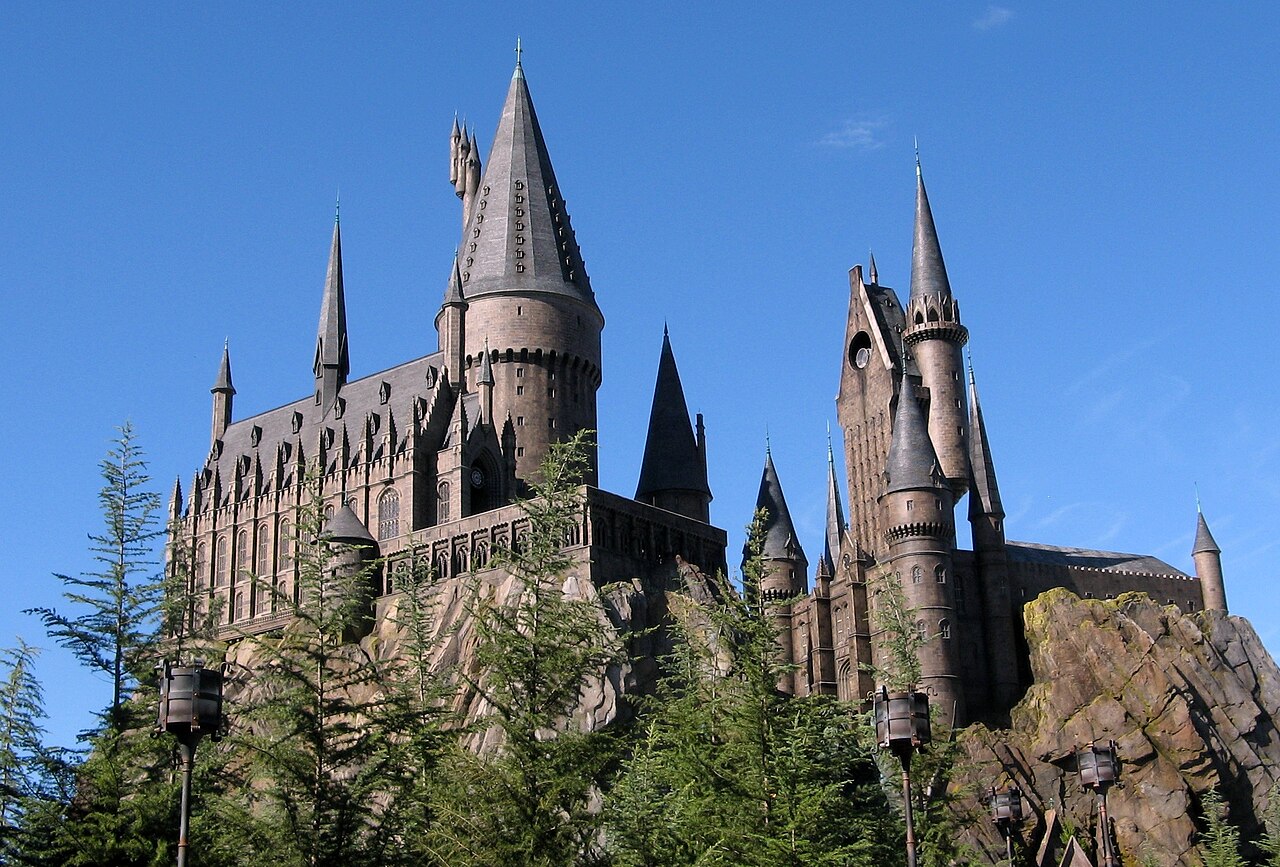
The Wizarding World of Harry Potter features iconic locations such as Hogsmeade village, Diagon Alley, and Hogwarts Castle [1]. Visitors can ride attractions including Harry Potter and the Forbidden Journey, Flight of the Hippogriff, and Escape from Gringotts. Food and beverage offerings themed to the franchise, such as butterbeer and pumpkin juice, complete the immersive experience. The attention to detail in set design, landscaping, and themed merchandise creates a comprehensive environment.
Attractions and Experiences
The Warner Bros. Studio Tour London – The Making of Harry Potter offers visitors access to original sets, costumes, and props used in the film series [1]. Located at the actual production facility in Leavesden Studios, the tour provides insight into the filmmaking process, special effects, and the collaborative effort required to bring the Wizarding World to screen. Similar studio tours and exhibitions operate in other territories, extending the franchise's physical footprint.
Official Website and Digital Presence
The Wizarding World website (formerly Pottermore) serves as the official home for Harry Potter, Fantastic Beasts, and Wizarding World content [5]. This digital platform functions as a central hub for news, articles, and fan resources related to the entire franchise. The website underwent a rebranding from Pottermore to Wizarding World to encompass the broader scope of media beyond the original novels.
The website features exclusive content such as writing from J.K. Rowling, character profiles, and updates on new franchise developments [5]. Fans can access sorting hat quizzes, house-related content, and interactive features that deepen engagement with the universe. The digital platform also serves as the primary channel for ticket purchases for studio tours and theme park experiences, integrating the physical and digital aspects of the franchise.
Stage Productions and Live Entertainment
The production employs innovative stagecraft to depict magical elements such as flying, spell-casting, and time-turners. The live theater format offers a different experience from film or literature, relying on audience imagination combined with technical illusion. The success of Cursed Child demonstrates the continued demand for live Wizarding World experiences.
Harry Potter and the Cursed Child
Beyond the main play, various concerts, exhibitions, and pop-up experiences have toured internationally [1]. The Orchestra Harry Potter series performs film scores live to picture, allowing audiences to experience the music of the films in a concert hall setting. These events feature the compositions of John Williams, Patrick Doyle, Nicholas Hooper, and Alexandre Desplat, highlighting the musical dimension of the franchise.
Video Games and Interactive Media
The video game landscape continues to expand with new releases announced as part of the franchise's ongoing strategy [1]. Interactive media allows the Wizarding World to reach demographics that may not engage with films or literature, particularly younger audiences and gamers. The success of Hogwarts Legacy demonstrates the commercial viability of high-quality Wizarding World video games independent of film tie-ins.
Notable Titles and Gameplay
Merchandise and Consumer Products
The holiday season typically sees the highest merchandise sales, with special edition items released to coincide with film anniversaries or new franchise announcements [1]. Limited-run products often sell out quickly, demonstrating the dedicated fan base's purchasing power. The merchandise ecosystem supports the broader franchise economy, providing ongoing revenue between major film or television releases.
Licensing and Partnerships
Cultural Impact and Legacy
The sorting hat quiz and house affiliation system from the books and website has become a social identity marker for many fans [5]. House colors, mascots, and values (Gryffindor's bravery, Slytherin's ambition, Ravenclaw's wisdom, Hufflepuff's loyalty) organize fan communities and create a sense of belonging. This organizational structure demonstrates how the Wizarding World functions as more than entertainment—it provides social frameworks for its audience.
Fan Community and Fandom
Business Model and Franchise Management
J.K. Rowling's continued involvement varies across projects [3]. While she remains the original creator and her name appears on all primary works, her direct participation in day-to-day franchise decisions differs depending on the medium. Her involvement in the Fantastic Beasts screenwriting and her role as the universe's canonical authority provide a creative through-line, while other projects operate with varying degrees of her direct input.
Intellectual Property Strategy
Future Directions and Expansion
The balance between expanding the universe and maintaining quality presents an ongoing challenge for franchise managers [1]. Each new project must justify its existence while respecting the established lore and fan expectations. The next five years will likely see continued diversification across media formats as the franchise seeks to remain relevant to both original fans and new generations.