
Overview of the Culinary Environment
The modern kitchen has undergone a significant transformation, shifting from a purely utilitarian space dedicated solely to food preparation into a dynamic social and multi-purpose environment. This evolution reflects broader changes in domestic life, where the kitchen now supports a wide range of everyday routines that extend beyond cooking. It serves as a hub for family interaction, guest reception, and daily living, requiring a design approach that accommodates both high-efficiency work and relaxed social engagement. Understanding this dual nature is the first step in appreciating the complexity of kitchen design.
Central to this transformation is the recognition that the kitchen must provide the right spatial conditions for a variety of activities. These include storage, cooking, washing, and food preparation, all of which must coexist without conflict. The primary foundation of good kitchen design remains functionality, as the space must be physically capable of supporting these core tasks. However, functionality is no longer the only metric; the environment must also be adaptable to the lifestyle of its users, creating a seamless blend of practicality and livability.
From Utility to Social Hub
The Primacy of Functionality
The Discipline of Kitchenware Design
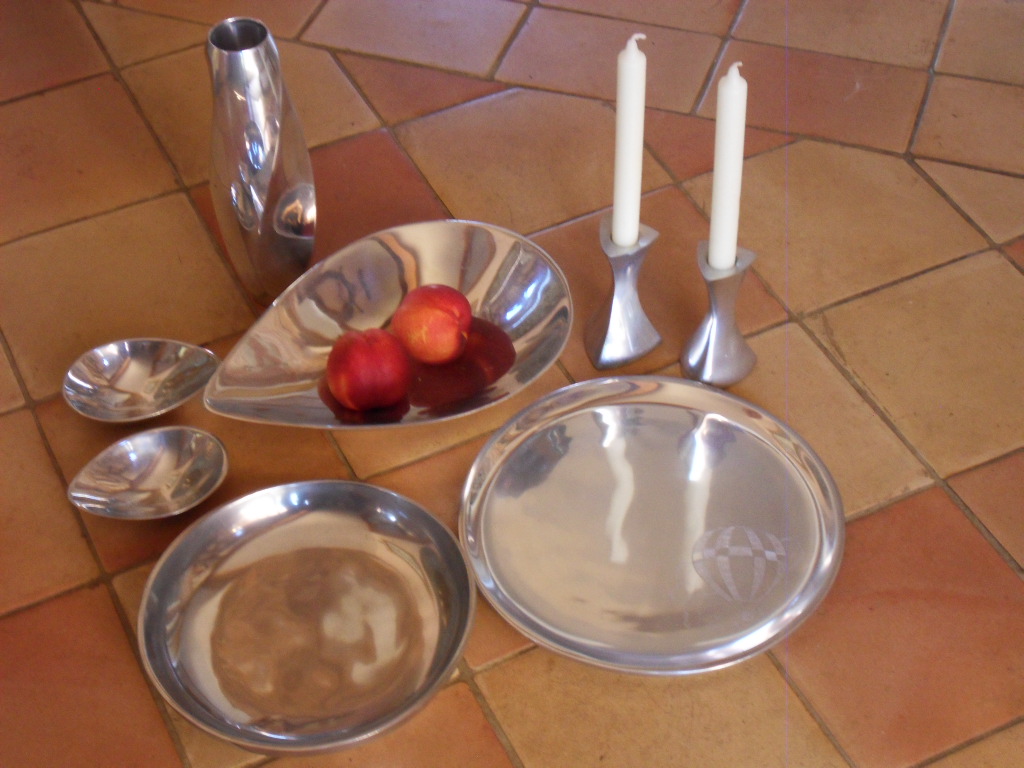
While spatial design focuses on the room, kitchenware design is a specialized discipline within industrial design that focuses on the objects themselves. It involves the creation of functional, aesthetic, and ergonomic tools, implements, and equipment used in food preparation, cooking, serving, and storage. This field requires a deep understanding of how humans interact with objects, ensuring that each item is not only visually appealing but also physically comfortable and efficient to use. The intersection of these tools with the spatial layout defines the overall user experience.
Kitchenware design is distinct from general industrial design in its specific focus on the culinary process. It considers the materials, shapes, and mechanisms that facilitate the transfer of heat, the containment of liquids, and the manipulation of food. The goal is to create objects that reduce the effort required for cooking and serving, thereby enhancing the overall efficiency of the kitchen. This discipline is critical because the quality of the tools directly impacts the speed and safety of the culinary workflow.
Defining the Scope of Kitchenware
Ergonomics and User Interaction
Spatial Layouts and Workflow Optimization
Efficient kitchen layouts are critical to ensuring that the workflow between different zones is smooth and logical. Common layout types include the L-Shaped, Galley, U-Shaped, and Island Kitchens. Each of these configurations offers different advantages depending on the size of the room and the needs of the user. The choice of layout directly impacts the efficiency of the kitchen, as it determines the distance between key elements and the ease of movement between them. A well-chosen layout minimizes unnecessary steps and maximizes the use of available space.
Understanding workflow is essential in kitchen design, as it relates the cooking, washing, preparation, and storage areas in a logical sequence. The goal is to create a flow that allows the user to move from one task to the next without backtracking or crossing paths. This requires careful planning of the placement of appliances and work surfaces. The workflow should be intuitive, allowing the user to complete the cooking process with minimal physical effort. Optimizing this flow is a key aspect of functional kitchen design.
Analyzing Common Layout Configurations
The Logic of the Work Triangle
Technical Standards and Dimensions
Technical standards for kitchen design address specific issues such as counter dimensions, clearances, and the optimal positioning of key elements. These standards provide a framework for designers to ensure that the kitchen is safe, accessible, and functional. They specify the minimum and maximum heights of counters, the width of aisles, and the distance between appliances. Adhering to these standards is crucial for creating a kitchen that meets the needs of all users, including those with mobility limitations. The standards are based on extensive research and practical experience.
The positioning of key elements like the refrigerator, sink, and cooking area is governed by these technical standards. The goal is to ensure that these elements are placed in a way that facilitates efficient workflow and safe operation. For example, the sink should be positioned near the cooking area for easy rinsing, but not so close that water splashes onto the stove. The refrigerator should be placed near the entrance for easy access to groceries. These decisions are not arbitrary; they are based on a deep understanding of human behavior and the physical constraints of the space.
Counter Dimensions and Clearances
Positioning of Key Appliances
Lifestyle Integration and Personalization
Homeowner lifestyle, including daily habits and social preferences, should actively shape residential kitchen design decisions. This means that the design must be tailored to the specific needs of the user, rather than following a generic template. For example, a family that entertains frequently may need a larger island and more seating, while a single person who cooks for one may prefer a compact, efficient layout. The design must reflect the user's way of life, ensuring that the kitchen is a space that supports their daily activities.
Understanding the user's lifestyle is a key aspect of the design process. Designers must interview the homeowner to understand their habits, preferences, and goals. This information is then used to create a design that is both functional and personal. The kitchen should feel like a natural extension of the user's life, not a sterile, impersonal space. By integrating lifestyle considerations into the design, designers can create a kitchen that is not only efficient but also enjoyable to use.
Assessing Daily Habits
Accommodating Social Preferences
Case Study: The Half-Moon Plate
The Half-Moon Plate is an example of a kitchenware design that integrates functionality and aesthetics. This design allows fried food to drain on a removable stainless steel rack, while the uncovered portion serves as a dish for rice or vegetables. This dual-purpose design is a testament to the ingenuity of kitchenware design, which seeks to create objects that are not only beautiful but also highly functional. The Half-Moon Plate is a perfect example of how a simple design can solve a practical problem in an elegant way.
The removable stainless steel rack is a key feature of the Half-Moon Plate. It allows the user to separate the fried food from the excess oil, ensuring that the food remains crisp and not soggy. The rack is easy to remove and clean, making it a practical choice for everyday use. The uncovered portion of the plate provides a space for accompaniments, such as rice or vegetables, allowing the user to serve a complete meal on a single piece of tableware. This design is both efficient and convenient, reducing the need for multiple dishes.
Functional Innovation in Tableware
Material Selection and Durability
Ergonomic Considerations in Tool Design
Ergonomics is a critical aspect of kitchenware design, as it ensures that the tools are comfortable and safe to use. This involves the design of handles, grips, and other contact points that interact with the human body. The goal is to reduce fatigue and prevent injury, allowing the user to perform their tasks with ease. Ergonomic design is not just about comfort; it is also about efficiency. A well-designed tool allows the user to work faster and with less effort, which is essential in a busy kitchen environment.
The design of handles is a key area of ergonomic consideration. Handles must be shaped to fit the hand, providing a secure grip without causing pressure points. The size and weight of the handle must also be appropriate for the task at hand. For example, a knife handle must be light enough to allow for precise cuts, but heavy enough to provide control. A pot handle must be sturdy enough to support the weight of the pot, but comfortable to hold for extended periods. These details are crucial to the overall usability of the kitchenware.
Reducing Physical Strain
Enhancing Precision and Control
The Intersection of Aesthetics and Utility
Kitchenware design is not just about function; it is also about aesthetics. The visual appeal of the tools and equipment is an important aspect of the overall user experience. A well-designed kitchen should be not only functional but also beautiful, creating a space that is pleasing to the eye. The aesthetic design of kitchenware must be in harmony with the overall design of the kitchen, creating a cohesive and inviting environment. This balance between aesthetics and utility is a hallmark of high-quality kitchenware design.
The aesthetic design of kitchenware can also influence the user's perception of the food. A beautiful plate or bowl can enhance the dining experience, making the food look more appealing. This is why many designers pay close attention to the visual elements of their creations, such as color, shape, and texture. The aesthetic design of kitchenware is not just about making the kitchen look good; it is about creating a positive emotional connection between the user and the food. This is a subtle but important aspect of kitchenware design.
Visual Harmony in the Kitchen
Emotional Connection and Dining Experience
Significance and Future Directions
The significance of kitchenware design and functionality lies in its ability to improve the quality of life for users. By creating tools and spaces that are efficient, comfortable, and beautiful, designers can enhance the daily experience of cooking and eating. This is not just about making the kitchen more practical; it is about creating a space that supports the user's well-being and happiness. The future of kitchenware design is likely to focus on further integrating technology and sustainability, creating tools that are not only functional but also environmentally responsible.
The future of kitchenware design will likely be shaped by advances in technology and materials. New materials may offer improved durability, lighter weight, or better thermal properties. New technologies may allow for the creation of smart tools that can adapt to the user's needs. These innovations will continue to push the boundaries of what is possible in kitchenware design, creating tools that are more efficient, more comfortable, and more sustainable. The focus on functionality and aesthetics will remain, but the methods used to achieve these goals will evolve.