
Overview and Fundamental Definition
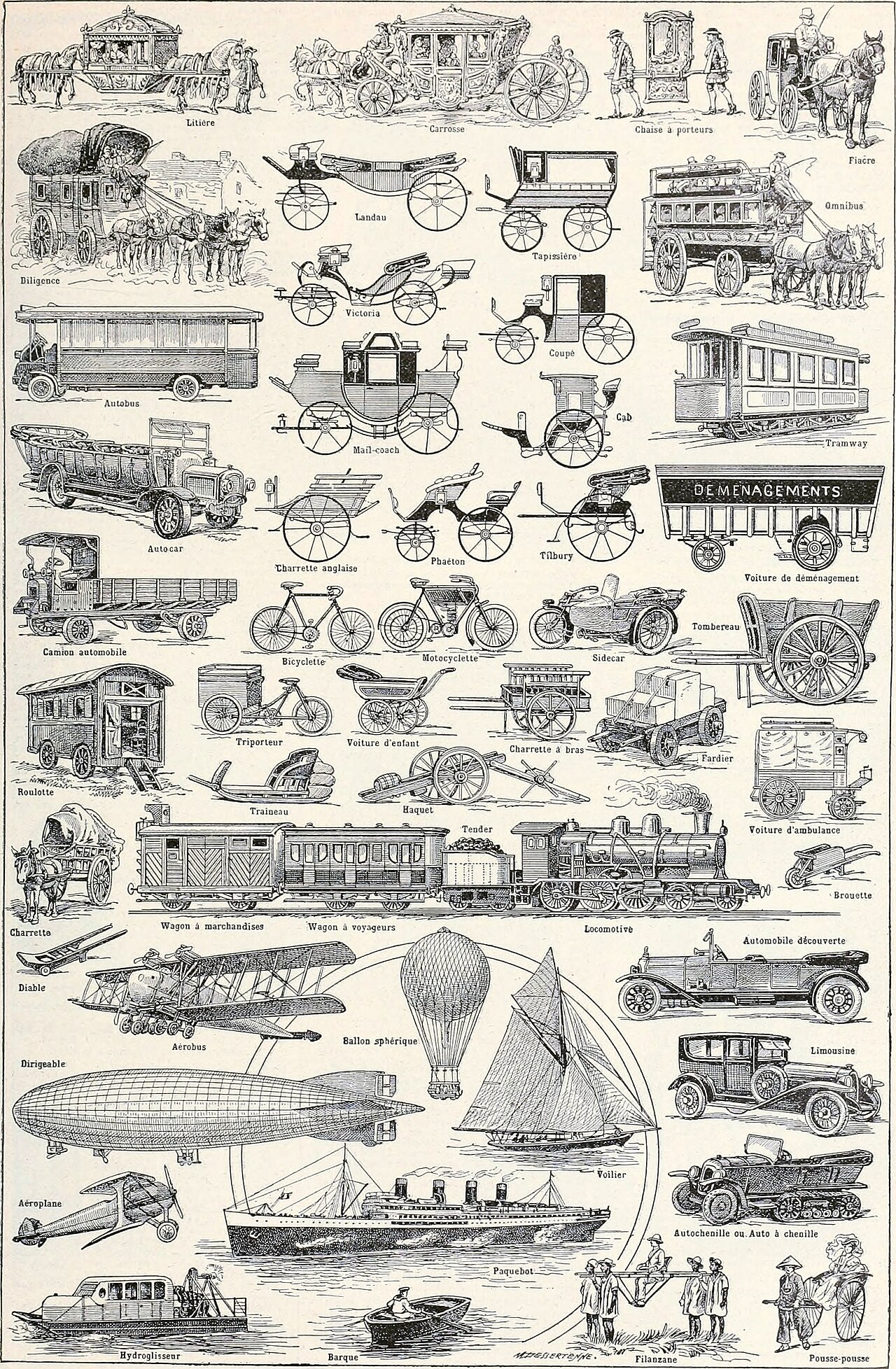
Land transport is the transport or purposeful movement of people, animals and/or goods from one location to another via land-based routes [1]. It constitutes one of the three primary transport modalities alongside air and sea transport, distinguished by its widespread infrastructure integration into daily life [4].
Historical Evolution
Land transportation has evolved from early human and animal-powered methods to modern, technologically advanced systems [4]. This progression reflects broader technological and societal changes, with infrastructure developing from simple pathways to complex integrated networks.
Core Functions in Transportation Systems
Land transport is indispensable for the overall transportation system due to its accessibility and integration with other modalities [4]. Unlike air and sea transport, land transport infrastructure is more widespread and integrated into daily life [4], serving as a critical feeder network according to the International Transport Forum [4].
Primary Forms of Land Transport
Rail Transport
Rail transport constitutes one of the two main forms of land transport, utilizing fixed tracks to move passengers and freight efficiently over moderate to long distances. Rail systems offer higher capacity than road transport for bulk movements and are integral to national and international freight networks.
Road Transport
Road transport represents the other primary form of land transport, encompassing vehicles operating on paved and unpaved surfaces. This category includes private cars, buses, trucks, and motorcycles, providing flexible point-to-point movement for passengers and freight alike.
Human-Powered Transport Mechanisms
Basic Human-Powered Forms
Human-powered transport remains popular for reasons of cost-saving, leisure, physical exercise, and environmentalism [1]. The most basic forms include walking, running, and swimming, which require no specialized infrastructure beyond basic pathways and safety considerations.
Enhanced Human-Powered Transport
Human-powered transport can be enhanced through the use of roads and vehicles such as bicycles and inline skates [1]. These vehicles amplify human capability while maintaining the core benefits of human propulsion, including cost efficiency and environmental sustainability.
Infrastructure and Network Characteristics
Road and Rail Networks
Land transport involves the movement of people, goods, and animals across the Earth's surface, primarily using road and rail networks [4]. These networks form the backbone of terrestrial mobility, with roads providing extensive coverage and rails offering high-capacity corridors.
Integration with Other Transport Modes
Land transport often acts as a feeder to other modes of transportation according to the International Transport Forum [4]. This feeder role means that land-based journeys frequently connect to air, sea, or other transport modes at terminals, hubs, and border crossings, creating multimodal travel chains.
Estonia-Russia Border Crossings: Operational Context
Five Border Crossings Closure
Estonia is closing all five of its border crossings with Russia for at least six months starting December 1, 2026 [5]. This decision represents a significant shift in regional land transport routes, effectively closing one of the last major land routes between the EU and Russia.
Purpose and Users of Border Crossings
The border crossings were used by many Russian emigres and tourists, as well as residents of the Baltic states and Finland who travel to Russia to see family or for work [5]. This diverse user base highlights the cross-border transport's role in family reunification, economic activity, and personal travel.
Border Crossing Procedures and Logistics
Passenger Processing at Borders
Passengers arriving at the border in private cars collect their luggage and go through passport control first on the Estonian side, then on the Russian side [5]. This dual-control process reflects the sovereignty requirements of both nations and adds time to journeys.
Bus Transport and Driver Transfers
Buses from Tallinn to St. Petersburg crossing the border at Narva travel part of the way on an Estonian bus and part on a Russian one [5]. Passengers get off with their luggage, go through border control, and then reboard the same bus on the Russian side [5]. For routes to Moscow and Pskov, a different driver meets passengers once they're inside Russia for the final leg [5].
Border Crossing Points and Route Variations
Koidula versus Luhamaa Crossings
Buses from Tallinn to Moscow, St. Petersburg, and Pskov can cross the border via the Koidula crossing [5]. Only those bound for St. Petersburg cross via Luhamaa [5], demonstrating how destination determines specific border procedures and crossing points.
Wait Times and Operational Challenges
According to Lyudmila, a resident of Riga, you can spend a whole day on a bus at the border [5]. Other travelers have repeatedly described multi-hour waits at the Estonian-Russian border [5], indicating that border processing times significantly impact journey durations and planning.
Economic and Social Impacts of Border Closures
Industry Around Border Crossings
Over the past few years, an entire industry has grown up around these border crossings with numerous firms and private drivers taking passengers to the checkpoints [5]. This developed service ecosystem reflects the economic significance of cross-border transport, with businesses built around facilitating travel.
Regional Mobility and Migration Patterns
The border closures will reshape regional mobility patterns for Russian emigres, tourists, and residents of the Baltic states and Finland [5]. Those who previously traveled to Russia for family visits or work must now seek alternative routes or postpone travel, affecting personal and economic connections.
Comparative Analysis with Other Transport Modalities
Land versus Air and Sea Transport
Land transport differs fundamentally from air and sea transport in infrastructure accessibility and integration [4]. While air and sea transport serve longer distances and international connections, land transport provides the pervasive, daily mobility that other modes cannot match in terms of widespread accessibility.
Feeder Role and Multimodal Integration
The feeder role of land transport according to the International Transport Forum [4] becomes particularly evident at border regions like Estonia-Russia [5]. Land journeys often represent the necessary first or last leg of international trips, connecting origins to international terminals or border crossings.
Human-Powered Transport in Contemporary Context
Cost and Environmental Benefits
Human-powered transport remains popular partly for cost-saving reasons [1], offering a zero-fuel alternative to motorized transport. This economic benefit combines with environmental advantages, as human propulsion produces no emissions compared to fossil fuel-dependent vehicles.
Leisure and Exercise Dimensions
Beyond practical transportation, human-powered forms serve leisure and physical exercise purposes [1]. Walking and running for transportation simultaneously provide health benefits and destination reach, creating a dual-purpose mobility model that motorized transport cannot replicate.
Historical Development and Technological Progression
From Animal-Powered to Motorized Systems
Land transportation has evolved from early human and animal-powered methods [4] to modern, technologically advanced systems. This trajectory reflects broader technological history, with each generation of transport technology building upon preceding innovations in infrastructure, vehicle design, and operational efficiency.
Modern System Characteristics
Contemporary land transport systems incorporate advanced materials, signaling systems, and operational protocols that enhance safety, speed, and capacity. These modern features represent decades of incremental improvement and occasional paradigm shifts in how land-based movement is organized and executed.
Future Implications and Regional Considerations
Long-Term Route Alternatives
The Estonia-Russia border closure for at least six months starting December 1, 2026 [5] necessitates identification of alternative land routes or modal shifts for affected travelers. Those previously using these crossings must evaluate longer detours, sea routes, or air transport options for family and work connections.
Policy and Diplomatic Dimensions
Border closure decisions reflect broader policy considerations between Estonia and Russia [5], with implications for cross-border cooperation, people-to-people connections, and regional transport architecture. Such decisions demonstrate how political relationships directly shape physical mobility infrastructure and access.