
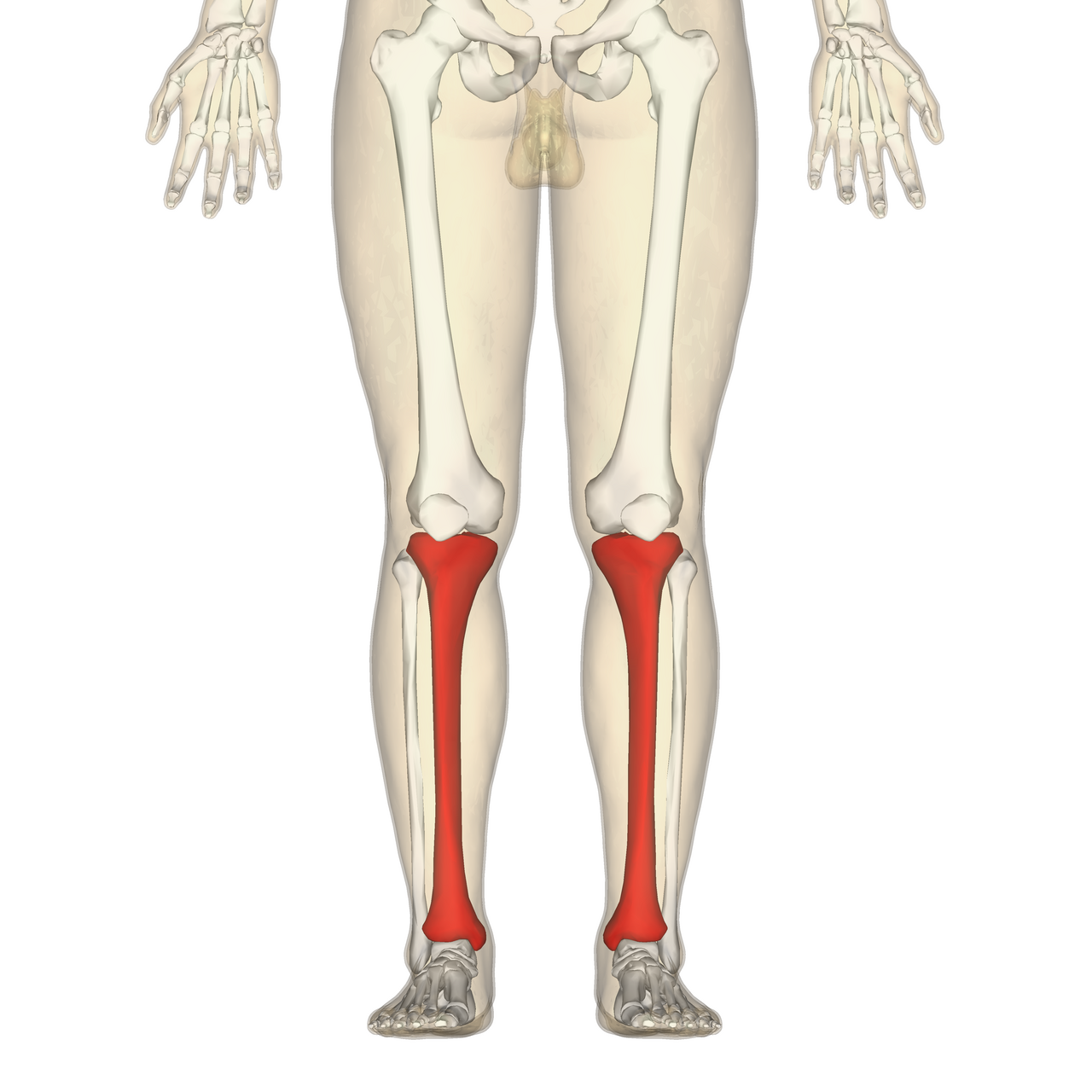
Overview of Lower Extremity Function
Lower extremity function describes the capacity of the hips, knees, ankles, and feet to generate coordinated movement for everyday activities such as walking, climbing stairs, and standing from a seated position. Understanding this capacity is essential for clinicians who treat injuries, chronic disease, and age‑related decline, as it directly influences independence and quality of life.
Why Functional Assessment Matters
Quantifying functional ability provides a baseline from which progress can be measured, informs treatment planning, and helps set realistic goals for patients. Objective data also enable comparison across studies, support insurance documentation, and guide research into novel interventions such as robotic assistive devices.
Link to Biomechanical Research
The same principles that underlie clinical assessment also guide engineering efforts to replicate or augment human movement; for example, gait analysis informs the design of lower extremity exoskeletons that must synchronize with natural joint kinematics.
Development of the Lower Extremity Functional Scale (LEFS)
The Lower Extremity Functional Scale (LEFS) was created as a concise, patient‑reported outcome measure consisting of twenty items that probe a person’s ability to perform routine tasks involving the lower limbs.
Questionnaire Structure
Each item asks the respondent to rate difficulty on a five‑point scale, covering activities ranging from basic ambulation to more demanding tasks such as running or lifting objects while standing. The twenty‑question format balances comprehensiveness with practicality for repeated clinical use.
Validation and Reliability
Validation studies demonstrated strong internal consistency and test‑retest reliability, establishing LEFS as a trusted metric for tracking functional change over time in diverse patient populations.
Cross‑Disciplinary Relevance
Because the scale captures functional outcomes without requiring specialized equipment, it is applicable in orthopedics, physical therapy, and podiatry, bridging clinical domains that all address lower extremity health.
Clinical Integration of the LEFS
Clinicians adopt the LEFS to evaluate baseline function, monitor therapeutic progress, and set individualized functional goals for patients recovering from injury or managing chronic conditions.
Baseline Assessment
At the initial visit, patients complete the questionnaire, providing a quantifiable snapshot of their functional status that can be compared against normative data and prior scores.
Progress Monitoring
Repeated administrations at regular intervals allow clinicians to detect meaningful improvements or setbacks, informing adjustments to rehabilitation protocols.
Goal Setting and Outcome Reporting
Therapists use LEFS scores to establish realistic, patient‑centered goals and to communicate outcomes to insurers or multidisciplinary teams, thereby enhancing transparency in care delivery.
Biomechanical Foundations of Lower Extremity Motion
The mechanics of lower extremity movement involve coordinated muscle activation, joint torque generation, and energy transfer across the hip, knee, and ankle during locomotion.
Joint Kinematics and Kinetics
During walking, the hip provides propulsion, the knee absorbs impact and controls limb swing, and the ankle supplies push‑off power. Precise timing of these actions is essential for efficient gait.
Muscle‑Tendon Interactions
Elastic storage in the Achilles tendon and the quadriceps tendon contributes to energy conservation, while active muscle contraction modulates joint stiffness to adapt to terrain variations.
Implications for Rehabilitation
Understanding these biomechanical principles helps clinicians design targeted strengthening and gait‑training programs that restore normal force patterns and reduce compensatory strategies.
Human Gait Cycle Analysis
The gait cycle is a repetitive sequence that begins with initial contact of one foot and ends when the same foot contacts the ground again, encompassing stance and swing phases.
Stance Phase Details
Stance occupies roughly 60 % of the cycle and includes heel strike, mid‑stance, and toe‑off, each requiring specific joint angles and muscle forces to support body weight and maintain balance.
Swing Phase Mechanics
Swing occupies the remaining 40 % and involves rapid limb advancement, requiring coordinated hip flexion, knee extension, and ankle dorsiflexion to clear the ground.
Relevance to Exoskeleton Design
Accurate modeling of these phases is critical for exoskeleton controllers that must synchronize assistance with the user’s natural gait timing, preventing interference with intrinsic muscle activity.
Current Developments in Lower Extremity Exoskeletons
Research on lower extremity exoskeletons focuses on creating wearable devices that augment or restore locomotor function for individuals with mobility impairments.
Biomechanical Considerations
A recent review highlighted the importance of aligning exoskeleton joint axes with human anatomical axes, matching torque profiles to those observed in natural gait, and ensuring minimal added mass to preserve metabolic efficiency [1].
Human Gait Cycle Integration
Designers incorporate detailed gait‑cycle timing data to program assistance during specific sub‑phases, such as providing ankle plantar‑flexor torque during push‑off while allowing free swing motion.
Cross‑Domain Insight
Linking clinical functional scores like the LEFS with exoskeleton performance metrics offers a pathway to quantify how assistive technology translates into real‑world functional improvements.
Design Parameters for Lower Limb Exoskeleton Systems
Effective exoskeleton design requires careful selection of mechanical, control, and power parameters to achieve seamless human‑machine interaction.
Mechanical Parameters
Key mechanical variables include actuator size, joint range of motion, and structural stiffness, all of which must be calibrated to mimic natural limb dynamics while maintaining user comfort.
Control Strategies
Control algorithms often rely on sensor feedback from joint angles, ground reaction forces, and muscle activation patterns to deliver timely assistance that adapts to changing gait conditions.
Power and Energy Management
Battery capacity, energy regeneration during negative‑work phases, and efficient power electronics are essential to extend operational time without compromising assistance quality.
Diabetic Lower Extremity Symposium Overview
The Diabetic Lower Extremity Symposium is a professional gathering dedicated to advancing knowledge in diabetic foot care and lower extremity health.
Organizing Body
The event is organized by the Continuing Medical Education Committee of the Ohio Foot and Ankle Medical Foundation, reflecting a partnership between clinical educators and specialty societies.
Event Timing
The symposium is scheduled to be held November 12–13, 2026, providing a two‑day platform for clinicians to engage with the latest research and practice guidelines.
Educational Focus
Sessions cover topics such as wound management, vascular assessment, and emerging technologies, aligning with the broader goal of reducing lower extremity complications in diabetic populations.
Continuing Medical Education Credits and Licensing
Participants in the Diabetic Lower Extremity Symposium can earn continuing medical education (CME) credits that count toward professional licensure requirements.
Credit Allocation
The symposium was awarded 13.25 Category I credits, a substantial amount that reflects the depth and breadth of the educational content offered.
State Licensing Approval
The program was reviewed and approved for CME credits toward podiatric licensure in the State of Ohio, ensuring that attendees meet state‑mandated continuing education standards.
Impact on Clinical Practice
Earning these credits enables podiatrists to stay current with evidence‑based practices, which can directly improve patient outcomes in diabetic foot management.
Integration of Functional Assessment in Diabetic Care
Applying functional assessment tools like the LEFS within diabetic foot clinics provides a quantitative baseline for evaluating mobility limitations caused by neuropathy or ulceration.
Screening and Risk Stratification
Clinicians can use LEFS scores to identify patients at higher risk of falls or functional decline, prompting earlier intervention and referral to rehabilitation services.
Monitoring Treatment Efficacy
Changes in LEFS scores over the course of wound healing or after surgical interventions offer objective evidence of functional recovery, complementing traditional clinical metrics.
Synergy with CME Content
The educational sessions at the Diabetic Lower Extremity Symposium often emphasize outcome measurement, reinforcing the importance of tools like the LEFS in everyday practice.
Future Directions in Lower Extremity Rehabilitation
Emerging technologies and interdisciplinary research are shaping the next generation of lower extremity rehabilitation strategies.
Integration of Wearable Sensors
Portable inertial measurement units can capture gait parameters in real time, allowing clinicians to supplement LEFS data with objective biomechanical insights.
Personalized Exoskeleton Assistance
Advances in machine‑learning control algorithms promise exoskeletons that adapt to individual gait patterns, potentially improving functional scores for users with chronic mobility impairments.
Continuing Education Evolution
Future CME events may incorporate virtual reality simulations and hands‑on exoskeleton workshops, expanding the educational reach beyond traditional lecture formats.
Summary of Key Developments
The Lower Extremity Functional Scale provides a validated, patient‑centered metric for assessing mobility, while biomechanical research informs the design of exoskeletons that aim to restore or augment that mobility. The Diabetic Lower Extremity Symposium offers a structured CME pathway that equips podiatric professionals with the knowledge to apply these tools in diabetic foot care, ultimately linking functional assessment, technology, and education into a cohesive framework for improving lower extremity health.