
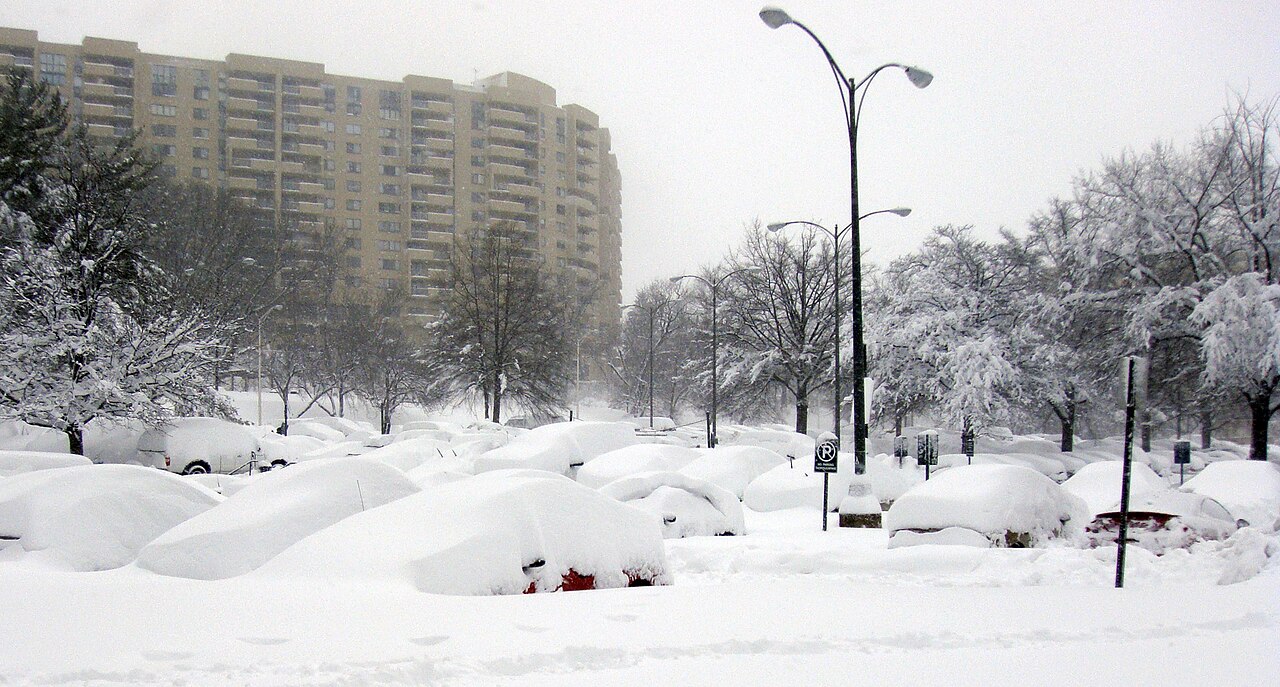
Overview of Weather-Related Disruptions
A weather cancellation or delay is defined as the closure, cancellation, or delay of an institution, operation, or event specifically because of inclement weather [1]. These disruptions can stem from various severe weather types, including extreme heat, flooding, tropical cyclones, air pollution, or extreme cold [1]. The likelihood of a school or school system needing to close is not universal but rather depends on the specific local climate [1]. Understanding these definitions is the first step in ensuring operational continuity and public safety within educational settings [1].
Defining Inclement Weather Impacts
Certain educational facilities, such as schools, are likely to cease operations when bad weather occurs [1]. This closure may be necessitated by power outages caused by the weather, or when the weather otherwise makes opening the facility impossible or significantly more difficult for staff and students [1]. The specific triggers for closure vary, encompassing snow, extreme heat, or other hazardous atmospheric conditions [1].
The Necessity of Proactive Preparedness
Severe weather preparedness is considered essential for every school entity [3]. It is crucial that each school develops a unique operational plan, taking into account its specific local considerations, existing guidelines, and past experiences [3]. A standardized approach is insufficient; the plan must be tailored to the unique environment of the institution to maximize safety outcomes during adverse weather [3].
Developing a Tailored Safety Plan
The creation of a unique plan for severe weather must integrate local knowledge alongside established guidelines [3]. This process ensures that the response is context-specific rather than generic, addressing the particular vulnerabilities of the school community [3]. This proactive development minimizes reactive decision-making during an active weather event, thereby enhancing the safety of all involved parties [3].
Operational Thresholds for Declaring Holidays
To manage school operations during periods of extreme weather, it is possible to establish clear, predefined thresholds for declaring a holiday [4]. These thresholds provide objective criteria for decision-making rather than relying solely on subjective assessments of weather severity [4]. Examples of such measurable criteria include specific temperature ranges, such as below 4 degrees or above 44 degrees Fahrenheit [4].
Utilizing Government Warnings
Beyond temperature metrics, official government weather warnings can serve as definitive triggers for school closures [4]. For instance, a Red or Orange level warning issued by a government weather authority could mandate a holiday declaration [4]. Defining these clear, objective thresholds allows districts to act decisively when conditions meet pre-agreed criteria, streamlining the communication process during emergencies [4].
Case Studies in Weather-Related Closures
Historical events demonstrate the real-world application of these operational decisions [5]. For example, on November 18, 2026, specific school districts within Nevada took the action of canceling classes [5]. The Tahoe-Truckee Unified School District was among those districts that cancelled classes due to an anticipated winter storm [5].
Local Climate Influence on Decisions
The decision to close schools is not uniform across regions; the chances of a school or school system closing are directly influenced by the local climate [1]. A weather event that prompts closure in a snowy region might not carry the same operational risk in a tropical climate, necessitating localized planning [1]. This reinforces the need for context-specific planning mentioned previously [3].
Factors Leading to Facility Impairment
The physical inability to operate a school can arise from several weather-induced issues [1]. These issues include power outages directly resulting from severe weather, or conditions that simply render the facility unusable or excessively difficult to access [1]. The types of weather that cause this impairment are varied, such as extreme cold, flooding, or high levels of air pollution [1].
Safety Imperatives Over Operations
The primary driver for weather-related closures is the impedance of public safety [1]. When conditions threaten the well-being of students and staff, operational continuity becomes secondary [1]. This safety focus dictates that if the risk level is high due to weather, closure is the appropriate operational response, regardless of scheduling commitments [1].
Implementation of Decision Frameworks
Implementing a decision framework involves integrating local knowledge with established guidelines [3]. Districts must move beyond simple reactive responses to a structured, proactive system [3]. This structure allows for consistent application of rules, whether based on temperature thresholds [4] or official government warnings [4].
The Role of Local Consideration
Local considerations are vital because the impact of weather differs regionally [1]. A plan designed for a coastal area facing tropical cyclones will differ significantly from one designed for a region prone to extreme cold or heavy snow [1]. This regional nuance must inform the development of the unique school plan [3].
Timeline of Event Response
The response timeline begins with the anticipation of severe weather, such as the expected winter storm leading to cancellations in Nevada [5]. Following anticipation, established thresholds [4] or official warnings [4] trigger the formal decision to cancel or delay operations [1]. This structured progression ensures timely communication [5].
From Warning to Action
Once a warning is issued or a threshold is met, the school district executes its pre-developed, unique plan [3]. This execution phase involves communicating the closure, cancellation, or delay to the public [1]. The goal is to transition smoothly from weather threat to operational status change [1].
Significance for Educational Continuity
Effective management of weather disruptions is crucial for maintaining public trust and ensuring student welfare [1]. By having clear, localized, and pre-approved protocols [3], educational institutions can minimize uncertainty for families [1]. This preparedness transforms potential chaos into a managed, safe operational adjustment [3].
Beyond Immediate Safety
The significance extends to the reliability of the school system within the community [1]. When clear thresholds [4] and tailored plans [3] are in place, the community understands the rationale behind operational changes, even when cancellations occur [5]. This stability is a key function of robust emergency management in education [3].