
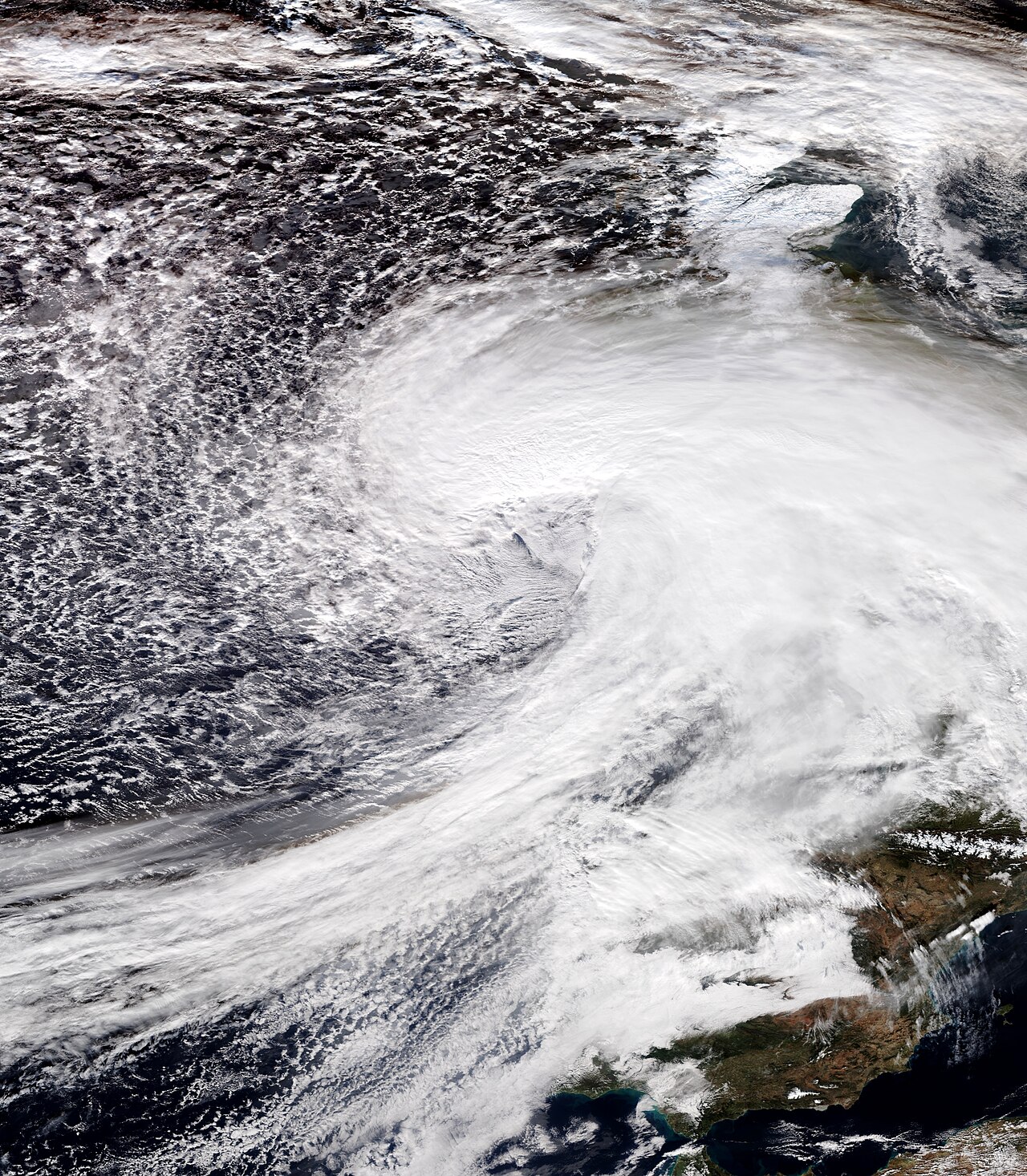
Overview of Météo Demain Platforms
Météo demain represents a new generation of weather forecasting systems that deliver hyper-accurate, real-time, and location-specific predictions, often integrated with decision-support tools for industries and governments. Unlike legacy models that updated every six hours, these platforms now refresh forecasts every 10 to 30 minutes, leveraging inputs from drones, IoT sensors, and citizen science networks. The term gained prominence in Francophone regions where demain literally means tomorrow, but has since become a global shorthand for next-generation meteorology. [3] [4]
Core Technological Shifts
The transition from six-hour update cycles to 10-to-30-minute refreshes marks the most significant technical advancement in recent forecasting history. This reduction in latency is made possible by assimilating data streams from an expanded observational network, including commercial aircraft sensors, marine buoys, and ground-based IoT devices. The increased temporal resolution allows for more precise nowcasting of rapidly evolving weather patterns.
Geographic and Linguistic Roots
The terminology is deeply rooted in Francophone meteorological tradition, where the word demain directly translates to tomorrow. This linguistic foundation reflects the system's original purpose of providing reliable tomorrow forecasts for French-speaking regions. Over time, the concept has transcended its regional origins to become a globally recognized descriptor for advanced weather prediction platforms.
Key Players in the Météo Demain Ecosystem
Météo-France's Arome Model
Météo-France's Arome model constitutes a cornerstone of the European next-generation forecasting infrastructure. As a high-resolution mesoscale model, Arome provides detailed atmospheric predictions across France and surrounding regions. The model integrates observational data from a wide array of sources to generate forecasts that underpin many commercial and public weather services operating in the Francophone world.
ECMWF Ensemble Forecasting
The European Centre for Medium-Range Weather Forecasts (ECMWF) operates ensemble forecasting systems that provide probabilistic predictions across medium-range timeframes. These systems generate multiple forecast scenarios to assess uncertainty, offering valuable guidance for risk assessment and planning applications. The ECMWF's contribution to the broader Météo demain ecosystem represents the academic and operational backbone of modern European meteorology.
Commercial Weather Providers
Beyond the national and institutional frameworks, numerous commercial providers have entered the next-generation forecasting space. These companies often differentiate through specialized data visualization tools, API integrations for business applications, and tailored alert systems for specific industries such as agriculture, logistics, and event management. Their participation has accelerated the commercialization of hyper-accurate forecasting technologies.
MétéoDemain.fr: Public-Facing Forecast Platform
Website Functionality and User Interface
MétéoDemain.fr operates as a publicly accessible website dedicated to providing weather forecasts for tomorrow and up to 15 days in advance. The platform allows users to search by city or location, presenting both hourly and daily details through an intuitive interface. This accessibility has contributed to its popularity as a go-to resource for individuals planning activities ranging from daily commutes to weekend travel.
Forecast Duration and Detail Levels
The service distinguishes itself by offering extended forecast periods of up to 15 days, alongside detailed hourly predictions for the immediate future. This dual approach serves different user needs: the short-term hourly data for immediate planning decisions and the longer daily outlook for trip planning and event scheduling. The platform's ability to maintain forecast quality across this extended range represents a technical achievement in numerical weather prediction.
Search and Location Features
Users can input specific city names or geographic locations to receive tailored forecast information. This localization capability ensures that predictions reflect microclimates and regional variations that broader national forecasts might miss. The search functionality supports both major urban centers and smaller towns, making the service widely accessible across different population densities.
Vigilance Levels and Weather LateFeeds
Météo-France Vigilance System Integration
The MétéoDemain.fr website displays current weather vigilance levels from Météo-France by department for today and tomorrow. This integration connects the forecasting platform with France's national weather alert system, which categorizes weather risks by department and provides early warnings for potentially hazardous conditions. The vigilance levels range from green (no vigilance) to red (severe weather expected), offering users a standardized risk assessment framework.
Departmental Risk Mapping
Weather vigilance is mapped at the departmental level, reflecting France's administrative geography and the localized nature of many weather hazards. This granular approach allows for more precise risk communication than regional or national-level assessments might provide. The departmental mapping is particularly valuable for emergency services planning and public safety advisories.
Interpretation and Limitations
Users should interpret vigilance levels as indicative of current meteorological conditions rather than definitive predictions of weather occurrence. The system communicates risk probability based on available forecast models and observational data, and conditions can change rapidly. The indicative nature of this information means users should complement vigilance checks with additional weather sources for critical decision-making.
Data Sources and Reliability Framework
Open-Meteo as Primary Data Provider
MétéoDemain.fr sources its forecast data from Open-Meteo, a prominent open-source weather model that provides global coverage without requiring API keys or payment. This partnership represents a shift toward more transparent and accessible weather data infrastructure. Open-Meteo's models integrate multiple global forecasting systems to generate the underlying data that powers public-facing platforms like MétéoDemain.fr.
Indicative Nature of Forecast Information
The data provided by MétéoDemain.fr is explicitly designated as indicative information subject to change. This labeling acknowledges the inherent uncertainty in numerical weather prediction, particularly as forecast horizons extend. Users should understand that all weather forecasts carry some degree of uncertainty, and the indicative designation serves as a transparency measure rather than a reflection of poor model performance.
Data Refresh Cycles and Currency
The underlying data refresh cycles determine how quickly new observational inputs are incorporated into forecast models. While MétéoDemain.fr platforms may refresh user-facing forecasts every 10 to 30 minutes, the Open-Meteo source data follows its own update schedule that balances computational requirements with forecast accuracy. This layering of refresh rates represents a complex data management architecture.
Historical Development and Evolution
Transition from Legacy Forecasting Models
The evolution from traditional six-hour update forecasting cycles to the hyper-accurate, high-frequency systems represents a significant shift in meteorological practice. Legacy models, while proven and reliable for many applications, suffered from temporal resolution limitations that made them less suitable for nowcasting rapidly changing weather conditions. The Météo demain approach addresses these limitations through technological innovation and expanded observational networks.
Integration of Citizen Science and IoT
Modern forecasting platforms increasingly incorporate data from citizen science initiatives and the Internet of Things (IoT) sensor networks. These additional data points fill observational gaps particularly in regions with sparse traditional meteorological infrastructure. The contribution of non-professional observers and distributed sensor networks enhances the spatial resolution of forecast models without requiring proportional increases in government-operated monitoring stations.
Global Expansion Beyond Francophone Regions
While originating in Francophone meteorological contexts, the Météo demain concept has achieved worldwide adoption as a descriptor for next-generation weather forecasting. This global spread reflects the universal demand for more accurate and timely weather information in the face of increasing weather variability and extreme events. The cross-cultural adoption demonstrates the fundamental human need for reliable weather prediction regardless of linguistic or geographic boundaries.
Applications and Decision-Support Uses
Agricultural Planning and Crop Management
Agricultural professionals rely on next-generation forecasting for critical planting, irrigation, and harvest timing decisions. The high temporal resolution of Météo demain systems allows farmers to anticipate short-term weather windows that could impact crop health or field operations. Hourly precipitation forecasts, in particular, assist with spray application scheduling and frost protection measures that must be timed precisely to be effective.
Transportation and Logistics Optimization
Transportation companies utilize advanced weather forecasting to optimize routing, fuel consumption, and schedule adherence. Real-time weather information enables dynamic route adjustments to avoid adverse conditions such as heavy precipitation, high winds, or reduced visibility. Logistics planners can better estimate delivery times and allocate resources when armed with hyper-accurate precipitation and temperature predictions.
Event Planning and Public Safety
Outdoor event organizers depend on reliable weather forecasts for safety planning and attendee comfort considerations. The vigilance level system integrated into platforms like MétéoDemain.fr provides early warning capabilities for severe weather that could disrupt events or pose risks to participants. Decision-makers can implement contingency plans or modify event parameters based on forecast confidence levels and timing predictions.
Comparative Analysis with Traditional Forecasting
Temporal Resolution Comparison
When comparing Météo demain platforms with traditional forecasting approaches, the most immediate difference lies in update frequency. Legacy systems typically refreshed their models every six hours, creating gaps in forecast currency that could miss rapidly developing weather situations. The 10-to-30-minute refresh cycles of next-generation platforms dramatically reduce these informational gaps, providing users with more current conditions for decision-making.
Data Source Diversity
Traditional forecasting has historically relied primarily on satellite imagery, radar observations, and ground station reports. Next-generation platforms layer additional data streams including drone-collected atmospheric data, IoT sensor networks, and citizen science contributions. This diversified data intake creates a more comprehensive observational picture, particularly valuable in data-sparse regions or during extreme events when standard observation networks may be compromised.
Accuracy and Precision Trade-offs
The heightened temporal resolution and expanded data sources of Météo demain systems generally correspond to improved forecast accuracy for short-term predictions. However, the relationship between data quantity and forecast precision is not linear, and models must balance computational demands with predictive skill. Users should understand that while next-generation systems offer more frequent updates, the fundamental physics of atmospheric prediction remains subject to inherent limitations.
Technical Infrastructure and Model Architecture
Numerical Weather Prediction Foundations
At the core of Météo demain platforms lies numerical weather prediction (NWP), the mathematical modeling of atmospheric processes that has evolved since the mid-20th century. Modern NWP models solve complex fluid dynamics equations across three-dimensional grid domains that encompass the entire atmosphere or regional subsets. The Arome model operated by Météo-France exemplifies this approach with its high-resolution regional configuration designed for detailed European forecasts.
Data Assimilation Techniques
Effective weather forecasting depends on sophisticated data assimilation techniques that combine observational inputs with model forecasts to produce analysis states representing the most likely current atmospheric conditions. Advanced assimilation systems can weight different observation types based on their estimated reliability and spatial coverage, optimizing the integration of diverse data sources ranging from traditional weather stations to novel drone measurements.
Computational Requirements and Scalability
The increased frequency of forecast updates and expanded observational networks place significant demands on computational infrastructure. High-performance computing resources must process vast data volumes in near real-time to generate the 10-to-30-minute forecast cycles that define the Météo demain paradigm. Cloud computing and distributed processing architectures have become essential enablers of this scalability, allowing forecasting centers to expand capacity without proportional increases in physical hardware.
User Experience and Accessibility Features
Interface Design and Navigation
Public-facing weather platforms like MétéoDemain.fr prioritize user interface design that makes complex meteorological data accessible to non-specialist audiences. Clear visual hierarchies, intuitive search functions, and responsive design across device types ensure that users can quickly locate relevant forecast information whether accessing the service from desktop computers or mobile devices. The localization features further enhance accessibility for users preferring language-specific presentations.
Mobile Responsiveness and App Integration
The majority of weather forecast consumers now access services through mobile devices, prompting platforms to optimize their interfaces for smaller screens and touch navigation. Mobile-responsive designs reflow content and adjust visualization elements to maintain readability and functionality. Some platforms also offer dedicated mobile applications with additional features such as push notifications for vigilance level changes or severe weather alerts, enhancing the timeliness of user engagement with forecast information.
Educational Value and Weather Literacy
Weather forecast platforms serve an educational function by exposing users to meteorological concepts and terminology through everyday use. Regular interaction with forecast displays, vigilance levels, and data visualizations can improve public weather literacy over time. This increased understanding benefits society's overall capacity to interpret weather information, make informed decisions, and comprehend the relationship between atmospheric conditions and daily life activities.
Environmental and Climate Context
Role in Climate Change Adaptation
As climate change increases weather variability and the frequency of extreme events, accurate forecasting becomes increasingly critical for adaptation strategies. Next-generation weather platforms provide the temporal resolution necessary to monitor shifting precipitation patterns, temperature extremes, and severe weather frequency. This data supports local governments and organizations in developing climate-resilient infrastructure and emergency response protocols.
Urban Heat Island Mitigation
Urban environments experience modified climate conditions compared to surrounding rural areas, a phenomenon known as the urban heat island effect. High-resolution forecasting can identify microclimates within cities where temperature differentials are particularly pronounced. This information assists urban planners in mitigating heat impacts through strategic vegetation placement, material selection for built environments, and targeted cooling center deployment during heat events.
Water Resource Management
Forecasting accuracy directly impacts water resource management decisions ranging from reservoir operations to agricultural irrigation allocations. Improved precipitation predictions enable more efficient water storage and distribution, particularly important in regions facing increasing water scarcity. The extended forecast horizons offered by some platforms support longer-term planning for water security under changing climatic conditions.
Regulatory and Policy Framework
Meteorological Data Policy and Standards
The operation of weather forecasting platforms exists within broader meteorological data policies and international standards frameworks. Organizations such as the World Meteorological Organization (WMO) establish guidelines for data quality, exchange protocols, and forecasting methodology standardization. These international frameworks ensure consistency and reliability across national forecasting services and support cross-border weather information sharing during transnational weather events.
Public Safety and Emergency Management Integration
Weather forecasting platforms increasingly integrate with public safety and emergency management systems at local, regional, and national levels. The vigilance level displays on platforms like MétéoDemain.fr represent one interface between forecast data and emergency response coordination. During severe weather events, these platforms can serve as communication channels for official alerts, evacuation notices, and resource deployment directives.
Commercial Data Licensing and Competition
The weather forecasting market encompasses both public sector providers and commercial entities, each operating under different data licensing frameworks. Public meteorological services often provide baseline forecast data freely or at reduced cost, while commercial providers may value-add through specialized analytics, visualization tools, or guaranteed service levels. This mixed ecosystem supports innovation while ensuring that essential weather information remains publicly accessible.
Future Directions and Emerging Technologies
Artificial Intelligence and Machine Learning Integration
The next frontier in weather forecasting involves the integration of artificial intelligence and machine learning techniques to enhance model parameterizations and post-processing. These computational approaches can identify patterns in historical and real-time data that traditional numerical methods might miss, potentially improving forecast skill particularly for extreme events. The combination of physical modeling with data-driven AI represents a hybrid approach that leverages the strengths of both methodologies.
Expanded Sensor Networks and Real-Time Observations
Forecast accuracy continues to benefit from expanded observational networks, including next-generation radar systems, satellite constellations, and distributed sensor arrays. The proliferation of low-cost IoT devices enables denser spatial coverage of atmospheric conditions without the capital intensity of traditional monitoring infrastructure. As these networks mature, the data volume available for assimilation into forecast models will increase substantially.
Sub-Seasonal to Seasonal Prediction Improvements
Research efforts continue to extend forecast skill beyond the traditional medium-range timeframe into sub-seasonal and seasonal prediction domains. While challenging due to the inherent chaos of atmospheric systems, advances in understanding climate modes and their predictability are gradually improving outlooks for 15-to-90-day timeframes. These extended predictions support agricultural planning, water resource management, and seasonal event scheduling with increasing reliability.