
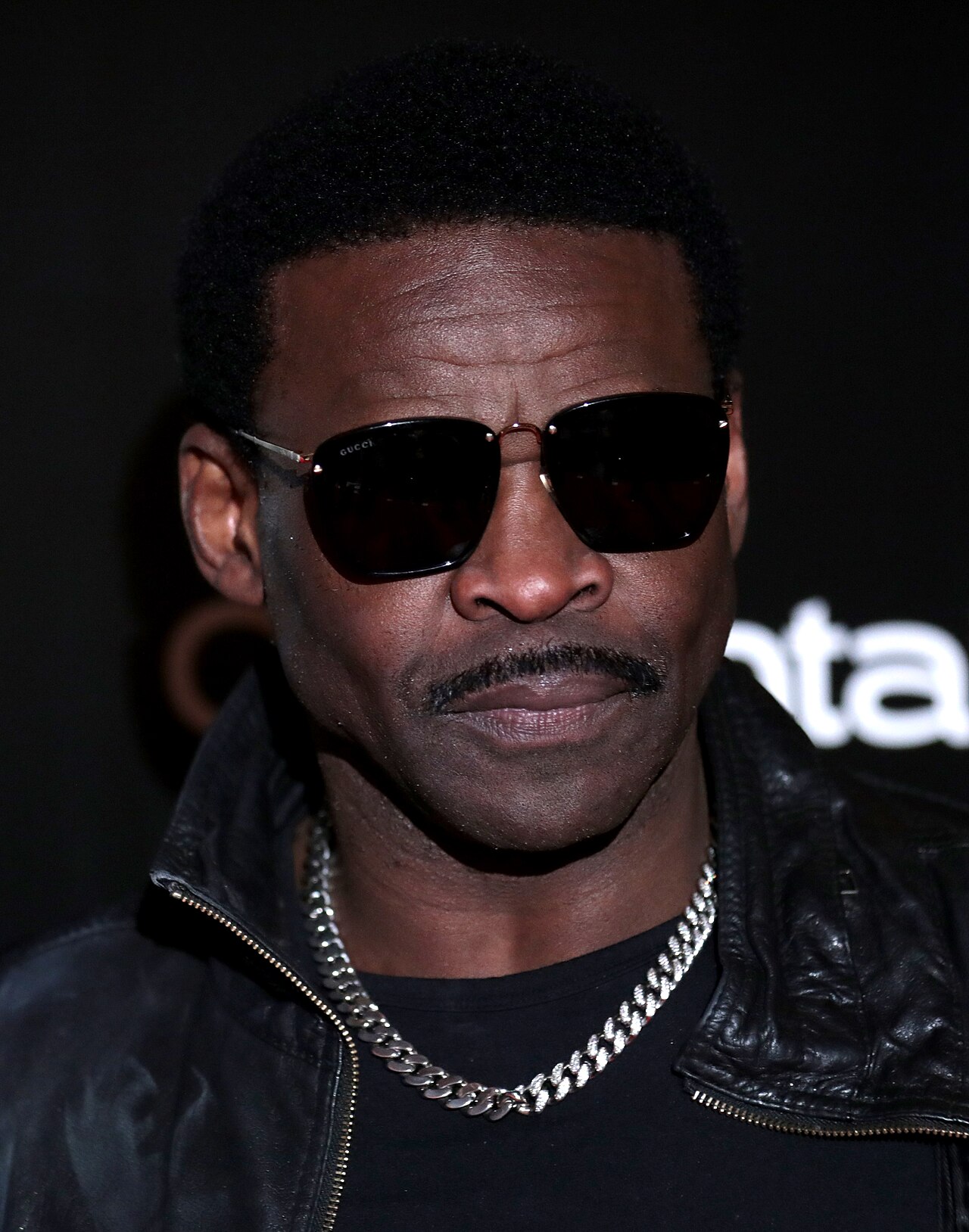
Early Life and College Career at Miami
During his senior year at Miami, the Hurricanes finished undefeated and captured the national title, with Irvin serving as a key offensive weapon. The championship validated his development and elevated his draft stock [1].
1987 National Championship Season
Playing in the Atlantic Coast Conference, Irvin faced some of the nation’s toughest defensive backs, which sharpened his skills and prepared him for the professional level [1]. His performances earned him All-ACC honors and national media attention [1].
ACC Competition and Recognition
1988 NFL Draft and Dallas Cowboys Selection
As a rookie, Irvin faced the typical adjustment period but quickly earned a role in the passing game. His understanding of the game from his college experience allowed him to contribute before his second season [1].
Rookie Season Expectations
Irvin’s arrival coincided with the development of the Aikman-Irvin partnership, which would become one of the most productive quarterback-receiver duos in the 1990s [1]. Irvin later stated he heard ESPN was thinking of getting rid of Troy Aikman long before the reports surfaced [3], highlighting the visibility both men received during their playing careers.
Relationship with Troy Aikman
Peak Playing Years and Statistical Dominance
Irvin’s five straight Pro Bowl selections from 1991 to 1995 reflected his sustained excellence. Each selection represented a season in which he ranked among the league’s best at his position [1].
Pro Bowl Selections and Consistency
Irvin thrived in high-pressure situations, particularly in the Cowboys’ three Super Bowl victories. His playoff performances often featured crucial third-down conversions and red-zone targets [1].
Clutch Performance and Playoff Impact
Super Bowl Championships and Dynasty Era
The final Super Bowl win saw Irvin continue his reliable play, as he helped move the offense against a Steelers defense that featured future Hall of Famers [1]. The victory capped a dominant run for the Cowboys and cemented Irvin’s legacy as a champion [1].
Super Bowl XXX Against Pittsburgh
The Irvin-Aikman-Michael Irvin era is often cited as one of the most successful trios in NFL history, and the three championships serve as the ultimate measure of that success [1].
Legacy of the 1990s Cowboys
Off-Field Allegations and Legal Challenges
Further allegations surfaced in 2007 and 2017, each reopening discussions about Irvin’s off-field behavior and the NFL’s handling of such claims [1]. The 2017 investigation, in particular, received renewed media attention as the league’s policies evolved [1].
2007 and 2017 Allegations
Reactions to the allegations have been mixed, with some fans and analysts separating Irvin the player from Irvin the person, while others argue that the accusations disqualify him from certain platforms [1]. The coverage has often overlapped with his ESPN appearances, creating a complex narrative [1].
Public and Media Reaction
Post-Retirement Media Career at ESPN
Irvin’s style combines energetic delivery with personal anecdotes from his playing days, which resonates with viewers but also invites criticism when his comments provoke controversy [4]. His ability to draw ratings has made him a valuable asset for ESPN, even as his past allegations linger [4].
Broadcasting Style and Audience Engagement
Despite earlier reports about ESPN considering moving Aikman, Irvin has spoken positively about his former teammate’s transition to broadcasting, noting that Aikman’s football intellect translates well to the booth [3]. The two have maintained a professional relationship that benefits both their profiles [3].
Relationship with Troy Aikman on Air
Public Statements and Media Commentary
Irvin’s assertion that Troy Aikman and Joe Buck are the best broadcasting duo reflects his personal taste and his experience working with Aikman during their playing careers [3]. The comment was made during an interview and has been cited by sports media critics [3].
Praise for Aikman and Buck Partnership
Irvin’s media presence continues to be a subject of discussion, as his comments often generate strong reactions from both fans and pundits [4]. While some appreciate his honesty and passion, others critique him for remarks that some consider ill-informed or overly dramatic [4]. The tension between his celebrity and his controversies defines his current public profile [4].
Comparative Analysis with Peers
Irvin’s playing style helped define the Cowboys’ offensive identity in the early 1990s, emphasizing vertical stretching of the field and contested catches [1]. This approach influenced how the team constructed its roster and called plays during his tenure [1].
Impact on Cowboys Offensive Identity
Both Irvin and Metcalf possess a blend of size and speed that allows them to win in contested situations, though the eras in which they played differ in rule emphasis [4]. Irvin’s comments on Metcalf reflect his belief that certain fundamentals of receiver play remain constant [4].
Physical Profile and Playing Style Similarities
Cultural Impact and Legacy
Young wide receivers often cite Irvin as an influence, particularly for his route-running technique and his approach to playing through physical contact [1]. His legacy as a player who combined skill with a strong personality continues to shape how the position is perceived [1].
Influence on Future Generations
The challenge for any assessment of Irvin is reconciling the three Super Bowl championships and five Pro Bowls with the multiple sexual assault allegations that have followed him [1]. This tension ensures that his name will continue to provoke discussion across sports, legal, and media circles [1].
Balancing Achievement and Controversy
Statistical Summary and Career Milestones
In the playoffs, Irvin recorded multiple 100-yard games across his three championship seasons, reinforcing his reputation as a clutch performer [1]. His ability to raise his level when the stakes were highest is a defining characteristic of his legacy [1].
Postseason Performance
Beyond Pro Bowls and All-Pro selections, Irvin was part of the 1990s All-Decade Team discussions and remains a frequent subject of Hall of Fame voting debates [1]. The combination of regular-season productivity and postseason success fuels his candidacy [1].
Records and Honors
Relationship with the Dallas Organization
Even after retirement, Irvin has maintained connections to the Cowboys organization, often appearing at alumni events and being referenced in team history [1]. These ties reinforce his legacy as part of the Cowboys’ identity [1].
Post-Retirement Ties
Irvin’s relationship with the franchise has not been without friction, as the allegations against him have occasionally prompted the team to distance itself publicly [1]. However, the organization’s historical recognition of his on-field contributions remains intact [1]. The balance between honoring achievement and addressing conduct is a ongoing theme [1].
Broadcasting Partnership Dynamics
Joe Buck’s play-by-play style, combined with Aikman’s analysis, has received both praise and criticism from viewers [3]. Irvin’s support of the pairing indicates his belief that the combination works well for the audience [3]. The dynamic has become a standard for NFL telecasts [3].
Joe Buck’s Role and Audience Perception
ESPN ratings during Irvin’s appearances, particularly on First Take, have shown that his presence drives viewership [4]. This ratings power is a key reason networks continue to book him despite the controversies surrounding him [4]. The business reality of his media value often outweighs the reputational risks [4].
Audience Reception and Ratings Impact
Future Outlook and Ongoing Discussions
Irvin’s eligibility for the Pro Football Hall of Fame continues to be debated, with voters weighing his on-field achievements against his off-field conduct [1]. The precedent set by other players with similar controversies suggests that a final decision may take many more years of discussion [1]. The outcome will likely depend on how the league and voting body handle the balance [1].
Hall of Fame Consideration
Irvin’s ability to remain relevant, whether through on-field highlights, media commentary, or public statements, ensures that he will continue to be a topic of analysis [1]. How future generations judge him will depend on the evolving standards of what is acceptable in sports and entertainment [1].