
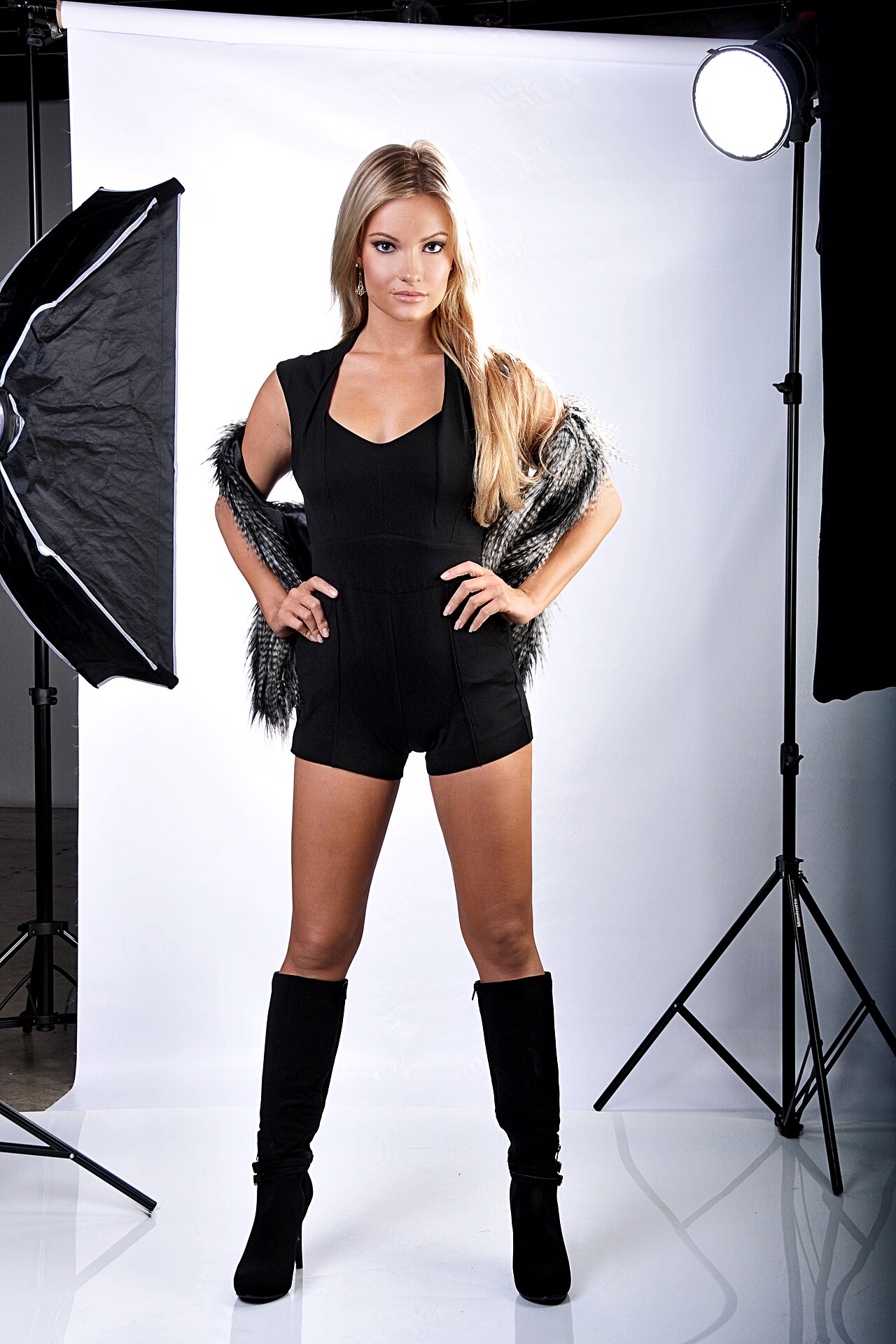
Overview And Core Definition
A model is a person with a role either to display commercial products (notably fashion clothing in fashion shows) or to serve as an artist's model [1]. This foundational definition establishes modelling as a representational practice rather than a performative one. Unlike acting or dancing, modelling entails using one's body to represent someone else's body or someone's artistic imagination of a body [1]. The distinction is critical: modelling differs from posing for portrait photography, portrait painting, and other types of public performance such as acting or dancing [1].
Historical Roots And Etymology
The practice of modelling traces its origins to early artistic traditions where live models served as references for painters and sculptors. While the term itself evolved in the 19th century, the concept of representing the human form for artistic and commercial purposes predates written records. The Wikipedia article on Model (person) spans 87 languages, indicating the concept's global recognition across cultures [1].
Professional Distinction From Other Arts
A model's reputation is managed such that personal opinions are normally not expressed [1]. This professional boundary separates modelling from other forms of public expression. The commercial nature of the work requires models to sublimate individual identity in service of the product or artistic vision they represent.
Fashion Modelling Subcategories
Fashion modelling encompasses several specialized subcategories. Runway modelling involves presenting clothing on the catwalk during fashion shows, requiring specific physical proportions and the ability to convey design intent through movement. Magazine modelling focuses on editorial content for publications, blending commercial appeal with artistic storytelling.
Size And Identity Categories
The fashion industry includes plus-size, normal-size, Black models, fit models, parts models, petite models, and podium models as recognized subcategories [1]. Each serves distinct market segments: plus-size modelling caters to broader size ranges, while fit models work behind the scenes to ensure garment sizing accuracy. Parts models specialize in specific body parts such as hands or feet, often for jewelry or shoe advertising.
Glamour And Alternative Directions
Glamour modelling constitutes another major branch, including gravure idols and alternative models [1]. Gravure idols originate from Japanese publishing traditions, featuring glamour photography in magazines and media. Alternative models encompass subcultural aesthetics that diverge from mainstream fashion norms, often incorporating tattooing, piercing, or unconventional styling.
Commercial And Fitness Categories
Beyond fashion, several other modelling categories serve commercial and fitness markets. Fitness models showcase athletic physiques and healthy lifestyles, often appearing in gym apparel and wellness publications. Commercial models promote a wide range of products and services in advertising campaigns, from automobiles to financial services. Promotional models represent brands at events and trade shows, engaging directly with potential customers.
Digital And Social Media Evolution
The rise of Instagram has created a recognized category of Instagram models [1]. These individuals build followings through social media platforms, often transitioning into traditional modelling contracts or influencing roles. This digital shift has democratized access to modelling opportunities while also changing how agencies discover and represent talent.
Trade Show And Atmosphere Roles
Trade show models and atmosphere models serve functional roles at industry events. Trade show models demonstrate products and represent companies at booths, requiring knowledge of the promoted offerings. Atmosphere models create visual ambiance, filling spaces to enhance the event environment. Both categories prioritize presentation skills and product knowledge over artistic expression.
The Modelling Process And Workflow
Casting And Selection
The modelling industry operates through a structured casting process. Agencies represent models, maintaining portfolios and arranging bookings with clients. Casting calls involve photographers, designers, and art directors reviewing candidates' physical attributes against specific project requirements. Selection criteria vary dramatically by category: runway shows prioritize height and proportions, while commercial work emphasizes relatable features and expressiveness.
Photo Shoots And Runway Presentation
Once selected, models participate in photo shoots or runway presentations. Photo shoots may involve portrait sessions, product photography, or editorial spreads. Runway modelling requires choreographed walking, turning, and posture control to showcase garments effectively. The physical demands vary by category, with fitness and runway categories requiring peak condition, while commercial work may accommodate diverse body types.
Client Collaboration And Image Management
Models collaborate closely with clients, photographers, and stylists to achieve desired visual outcomes. Image management includes hair, makeup, and wardrobe coordination. Throughout all interactions, models typically maintain professional boundaries, with personal opinions normally not expressed as part of their professional role [1]. This restraint ensures focus remains on the represented product or artistic vision.
Ethical Considerations And Industry Standards
Body Image And Representation
The modelling industry faces ongoing scrutiny regarding body image standards and representation. The existence of diverse subcategories plus-size, normal-size, Black models reflects efforts to broaden representation [1]. However, historical preferences for specific physical ideals have drawn criticism, prompting gradual industry shifts toward more inclusive casting practices.
Professional Boundaries And Ethics
Ethical modelling practice requires clear boundaries between artistic expression and exploitation. The profession's structure, where personal opinions are normally not expressed [1], creates both protection and limitation for models. Industry standards increasingly address working conditions, compensation, and the rights of models across all categories.
Economic Structure And Opportunities
Modelling income varies widely by category, experience, and market. Fashion editorial work may offer exposure rather than immediate compensation, while commercial and advertising campaigns typically pay established rates. The rise of digital platforms has created additional revenue streams through social media sponsorship and direct fan engagement, though traditional agency representation remains the primary pathway for professional development.
Global Cultural Perspectives
International Variations
The Wikipedia article on Model (person) covers 87 languages, reflecting the concept's global reach and cultural adaptation [1]. Different regions have developed distinct modelling traditions, aesthetic preferences, and industry structures. What constitutes ideal representation varies significantly across cultures, though globalization has increased cross-pollination of modelling practices and ideals.
Regulatory Frameworks
Modelling industries operate under varying regulatory environments across nations. Some countries have established specific protections for models regarding working hours, minimum age, and health requirements. Others rely on industry self-regulation. International modelling careers require navigation of different legal frameworks, contracts, and cultural expectations regarding representation and professional conduct.
Historical Evolution Of Ideals
Modelling ideals have shifted dramatically across eras and regions. From the Gibson Girl era of the early 20th century to contemporary diverse representations, the definition of who serves as a model reflects broader societal values and beauty standards. The multi-category structure of modern modelling plus-size, fitness, commercial, glamour reflects ongoing negotiation between tradition and evolving social expectations.
See Also And Related Fields
Artistic Modelling Traditions
Artists' modelling represents the oldest form, where live individuals pose for painters, sculptors, and photographers working in fine art traditions. This practice differs from commercial modelling in purpose and context. The artist seeks to capture essence, emotion, or specific anatomical features, while the model provides the physical vessel for that artistic vision [1]. The Wikipedia article includes a dedicated section on Artists' models, distinguishing this from fashion or commercial work.
Performance Versus Representation
The distinction between modelling and performance arts remains a defining characteristic of the field. Acting involves character embodiment and narrative delivery, while dancing expresses through movement and choreography. Modelling, by contrast, focuses on presenting or representing without the narrative or expressive dimensions of performance [1]. This boundary clarifies the unique role models play in visual culture.
Industry Resources And Further Reading
The Wikipedia article's structure includes sections on Fashion modelling, Glamour models, Fitness models, and Commercial models, with a See also reference point [1]. These organizational features reflect the field's complexity and the importance of categorization for understanding the profession's various dimensions. Readers seeking deeper exploration can follow these internal links for category-specific histories and developments.