
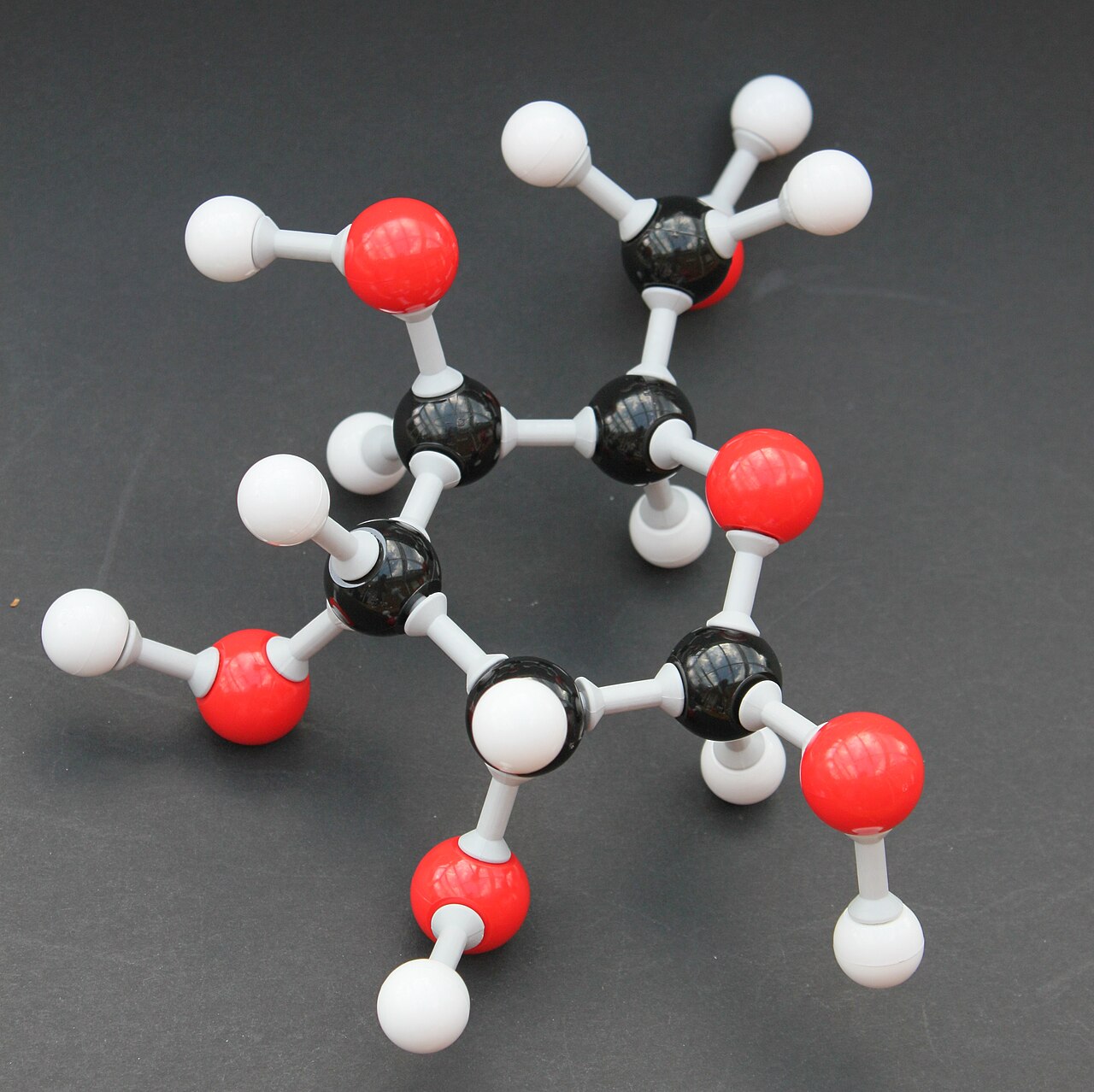
Overview
At its core, a model is an informative representation of an object, person, or system, designed to facilitate better understanding or prediction of reality [1]. The term itself carries a deep etymological history, ultimately deriving from the Latin modulus, meaning "a measure," passing through French and Italian before first denoting building plans in 16th-century English [1]. This foundation of measurement and structural design underpins the diverse applications of models across human knowledge, from the physical replication of a ship to the abstract equations governing weather forecasting [1]. As a noun, model carries specific meanings in various fields, all rooted in this original sense of structural layout or design [1]. Understanding a model requires distinguishing it from a theory: a model represents reality for the purpose of understanding or predicting the world, while a theory claims to explain reality itself [1]. This distinction is central to scholarly research and applied science, where the utility of a model lies in its representational function rather than its explanatory claims.
Classification of Models
Models are broadly divided into physical models and abstract models. Physical models include tangible replicas such as a ship model, which allows engineers and enthusiasts to study form and function at scale [1]. Abstract or conceptual models, by contrast, take the form of mathematical equations or logical frameworks; for instance, a set of mathematical equations may describe the workings of the atmosphere to enable weather forecasting [1]. Within the realm of abstract models, conceptual frameworks are central to the philosophy of science, as almost every scientific theory effectively embeds some kind of model of the physical or human sphere [1]. This classification system reveals that whether the model is crafted from wood and paint or formulated in symbols, its purpose remains the representation of reality.
Models in Science and Philosophy
In scholarly research, the distinction between model and theory is rigorously maintained. A model seeks only to represent reality to facilitate better understanding or prediction, whereas a theory claims to be an explanation of reality [1]. This differentiation is vital because scientists may use a model to test aspects of a theory without conflating the representational tool with the explanatory framework. Almost every scientific theory, from physics to economics, embeds a model of the physical or human sphere, making models the invisible scaffolding upon which scientific inquiry is built [1]. The philosopher of science relies on this distinction to evaluate whether a given construct is merely a predictive instrument or a genuine account of how the world works.
Model (Person)
Beyond representation, the term model assumes specific meanings when applied to persons. A model may serve as a template for others to copy, functioning as a role model in contexts ranging from personal development to advertising commercial products [1]. The history of the person model stretches back to at least 1853, when Marie Vernet Worth, wife of designer Charles Frederick Worth, became recognized as the first fashion model [1]. This role quickly evolved into a professional category, with fashion modelling entailing the use of one's body to represent someone else's body or an artist's imaginative conception of a body [2]. Modelling is distinct from posing for portrait photography, portrait painting, and other forms of public performance such as acting or dancing [2]. The fashion modelling industry encompasses numerous categories, including runway modelling, magazine modelling, plus-size modelling, normal-size modelling, Black models, fit models, parts models, petite models, and podium models [2]. Additionally, glamour models include gravure idols and alternative models, while fitness models constitute a specific category within the broader field [2]. The modern era has further introduced Instagram models as a contemporary category of fashion modelling [2].
Commercial and Specialized Modeling
The commercial application of the person model extends beyond fashion into promotional roles. Commercial models include promotional models, spokesmodels, trade show models, and atmosphere models, each serving specific marketing functions [2]. Fit models, for example, play a crucial role in the product development cycle by ensuring garments fit the intended market demographic [2]. Parts models are selected for specific physical features, such as hands or feet, which are highlighted in advertisements [2]. The specialization within modelling reflects the diverse ways in which human beings serve as living representations of products, ideals, or artistic visions.
Model (Art)
In the realm of art, a model is a person who poses for an artist, a practice that has existed for centuries. A notable historical example is a 15th-century criminal who represented the biblical Judas in Leonardo da Vinci's painting The Last Supper [1]. This instance illustrates how the role of the artist's model is not merely to stand in pose but to embody the character and emotional weight required by the artwork. The relationship between artist and model is collaborative, with the model's physical presence translating into visual representation. While often associated with figure drawing, the artist's model plays a fundamental role in various mediums, including painting, sculpture, and conceptual art.
Historical and Artistic Context
The use of live models allowed artists like Leonardo da Vinci to achieve the anatomical precision and psychological depth seen in masterworks. The model's ability to hold a pose while the artist studies light, shadow, and form is essential to the creative process. In some historical contexts, models were drawn from marginalized populations, and their contributions to famous works have only recently been acknowledged. The artist's model remains a bridge between three-dimensional reality and two-dimensional representation, making their role indispensable to the visual arts.
Model (Product)
A model also denotes a particular design of a product as displayed in a catalogue or showroom. A classic example is the Ford Model T, an early car model that revolutionized personal transportation [1]. In this context, a model serves as a specific iteration of a product line, distinguishing it from other versions through features, branding, and intended market. Manufacturers use model designations to organize production, marketing, and sales inventory, allowing consumers to identify and compare different versions within a product family. The concept of a product model is integral to industrial design, marketing, and consumer economics.
Model Nomenclature and Market Identity
Product models are not merely technical variations; they carry market identity and brand strategy. A manufacturer may release multiple models under a single brand name, each targeting different consumer segments or price points. The model name often becomes a shorthand for specific features, such as engine size, trim level, or technological package. This nomenclature system allows for efficient communication between manufacturers, dealers, and customers regarding the exact configuration of a product. The Ford Model T exemplifies how a single model can define an era, but the principle applies across industries, from smartphones to furniture.
Model (Organism)
In biological and medical research, a model refers to a non-human species studied to understand biological phenomena in other species, including humans [1]. Organism models are essential for advancing knowledge in genetics, disease mechanisms, and treatment development. By studying a model organism, researchers can infer processes that would be difficult or unethical to observe directly in humans. Common model organisms include mice, fruit flies, zebrafish, and nematodes, each selected for specific biological advantages such as short generation times, genetic tractability, or well-characterized physiology.
The Role of Model Organisms in Discovery
The use of model organisms has led to countless scientific breakthroughs, from the discovery of the structure of DNA to the development of vaccines. These models allow for the manipulation of variables in controlled environments, providing data that would be otherwise unattainable. Ethical guidelines govern the use of model organisms, ensuring that research is conducted humanely and that findings are extrapolated responsibly. The model organism framework exemplifies how the representational principle of modeling extends into the life sciences, where a small creature can stand in for complex human biology.
Modelling as Practice
Modelling as a practice encompasses the activities and skills associated with being a model, whether in fashion, art, or commerce. It is important to distinguish modelling from other types of public performance; modelling is different from posing for portrait photography, portrait painting, and distinct from other types of public performance such as acting or dancing [2]. The practice requires an understanding of how one's body or representation functions as a conduit for the creator's intent. In fashion modelling, the model uses their body to represent someone else's body or an artistic imagination of a body [2]. This act is not simply posing but involves a choreographed presentation of form, line, and style.
Categories and Specializations
The field of modelling is highly specialized, with distinct categories serving different purposes. Fashion modelling includes runway modelling, magazine modelling, plus-size modelling, normal-size modelling, Black models, fit models, parts models, petite models, and podium models [2]. Glamour models include gravure idols and alternative models [2]. Fitness models are a recognized category within the broader modelling industry [2]. Commercial models encompass promotional models, spokesmodels, trade show models, and atmosphere models [2]. Each category has its own set of requirements, training, and professional standards. The diversity within modelling reflects the many ways in which representation is sought, whether for artistic, commercial, or promotional ends.