
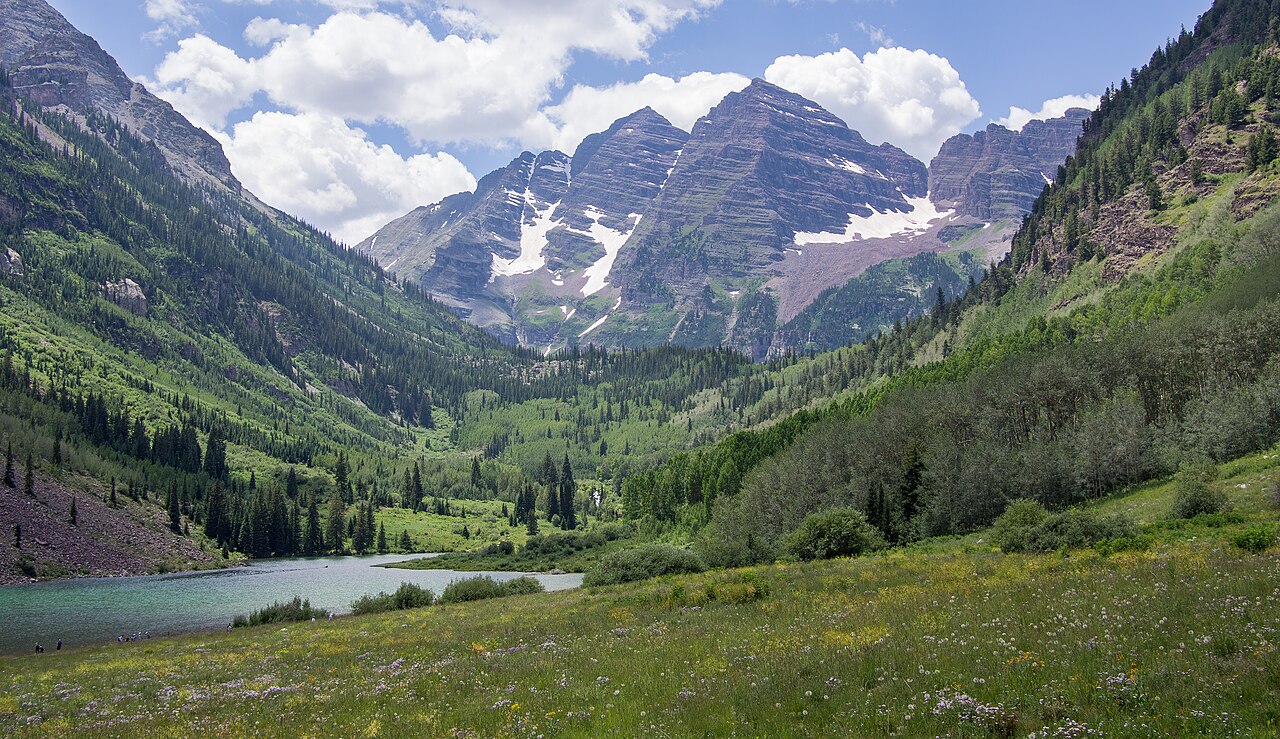
Historical Origins and Early Ascents
Mountaineering in the Rocky Mountains has been a popular activity since the 1800s [2] (high). Early explorers and surveyors were drawn to the range's prominent peaks, establishing a tradition of alpine adventure that continues today. The formation of the Colorado Mountain Club in 1912 provided a structured organization for enthusiasts seeking to document and protect these mountain environments [3] (high).
Early Exploration Period
The late 19th century saw increased scientific interest in the Rocky Mountains, with geologists and surveyors mapping routes that would later become established climbing paths. These early expeditions laid the groundwork for what would evolve into organized mountaineering activity.
Formation of Climbing Organizations
The Colorado Mountain Club, founded in 1912 by Denver natives including Roger Toll, became the primary organization promoting responsible climbing practices [3] (high). Toll later authored the guide Mountaineering in the Rocky Mountain National Park to educate new backcountry visitors about essential safety considerations and route information.
Early Route Development
Early climbers established many of the classic routes that remain in use today, often learning through trial and error what techniques were viable on the range's varied rock, snow, and ice formations. Their contributions created the foundation for modern mountaineering in the region.
Rocky Mountain National Park and Climbing Zones
Rocky Mountain National Park offers traditional alpine climbing, big wall, bouldering, snow and ice, and mountaineering opportunities [2] (high). The park's diverse terrain provides options for climbers of varying skill levels, from beginner bouldering areas to challenging big wall routes on major peaks.
Lumpy Ridge Area
Lumpy Ridge represents one of the prominent climbing areas within Rocky Mountain National Park, offering unique rock formations and routes that have become popular among local climbing communities [2] (high). This area provides diverse climbing experiences including traditional alpine climbing and bouldering opportunities.
Longs Peak Region
Longs Peak stands as a notable mountain in Rocky Mountain National Park suitable for mountaineering [3] (high). As one of the most famous peaks in the park, it attracts climbers seeking classic alpine routes and represents the park's mountaineering heritage.
Technical Climbing Zones
The park designates specific Wilderness Technical Climbing Bivouac Zones where overnight permits are required for climbers staying overnight [2] (high). These designated areas help manage impact on the wilderness environment while allowing for extended climbing expeditions.
Mountaineering Opportunities and Activities
Climbing in Rocky Mountain National Park includes traditional alpine climbing, big wall, bouldering, snow and ice, and mountaineering [2] (high). This diversity of activities means the park caters to various climbing disciplines, each requiring different skills and equipment preparations.
Traditional Alpine Climbing
Traditional alpine climbing involves placing removable protection as climbers ascend, requiring knowledge of gear placement and route-finding skills [2] (high). This style of climbing minimizes permanent impact on the rock and remains the preferred method in wilderness areas.
Snow and Ice Climbing
Snow and ice climbing opportunities exist when conditions permit, typically during late spring through early fall depending on elevation and weather patterns [2] (high). Climbers must assess avalanche risk and snow stability before attempting these routes.
Big Wall Climbing
Big wall climbing presents vertical rock faces requiring multi-day commitments and advanced technical skills [2] (high). These routes often involve portaledge sleeping systems and require careful planning for food, water, and weather exposure.
Key Mountains and Routes
Longs Peak represents one of the most significant mountaineering objectives within Rocky Mountain National Park [3] (high). As a prominent fourteener, it offers multiple route options ranging from straightforward hiking paths to technically demanding alpine climbs requiring technical gear and expertise.
Longs Peak Specific Routes
The Keyhole Route represents one of the most popular paths up Longs Peak, combining hiking and scrambling with some exposed sections [3] (high). This route illustrates the variety of experiences available on the peak, from day hikes to serious mountaineering objectives.
Other Notable Peaks
Beyond Longs Peak, numerous other mountains within Rocky Mountain National Park offer mountaineering opportunities [2] (high). These peaks provide additional options for climbers seeking less crowded routes or different climbing characteristics.
Route Selection Considerations
Climbers must assess route difficulty, length, and required technical skills before attempting any climb [2] (high). Guidebooks and current condition reports help inform these decisions, particularly for those unfamiliar with the area's specific challenges.
Seasonal Conditions and Weather Patterns
Mountain conditions in the Rocky Mountains can change rapidly, with snow often staying until mid-July and afternoon storms bringing lightning, rain, and hail [2] (high). This variability necessitates that climbers check weather forecasts and be prepared for sudden changes regardless of the season.
Snowpack and Timing
Snow persistence at higher elevations can extend the climbing season limitations, with snow fields often remaining into July on north-facing slopes and higher altitudes [2] (high). Climbers planning early season attempts must account for snow coverage and potentially technical snow climbing conditions.
Afternoon Storm Patterns
Afternoon thunderstorms are characteristic of Rocky Mountain summer weather, typically developing by early afternoon and bringing lightning, rain, and hail [2] (high). These storms pose significant risks to climbers on exposed ridges and peaks, making early morning starts essential for safety.
Temperature Variations
Elevation-based temperature differences create varying conditions across the mountain range, with climbers experiencing significantly colder temperatures at higher altitudes [2] (high). Proper layering and temperature regulation become critical for comfort and safety during extended climbing activities.
Safety Regulations and Permit Requirements
Overnight permits are required for climbers staying overnight in Wilderness Technical Climbing Bivouac Zones in Rocky Mountain National Park [2] (high). This regulation helps manage wilderness use and ensures that climbers understand and accept the responsibilities of overnight backcountry travel.
Permit Application Process
Climbers must obtain overnight permits through the park's reservation system before entering designated bivouac zones [2] (high). The process typically involves selecting specific zones and dates, with limited availability helping to distribute use across the park's climbing areas.
Day Climbing Regulations
Day climbing within Rocky Mountain National Park generally does not require permits, though climbers must still adhere to park regulations and leave no trace principles [2] (high). Day visitors should register their intended routes at visitor centers when possible, providing safety information to park staff.
Enforcement and Education
Park rangers enforce climbing regulations and provide educational resources about safe climbing practices [2] (high). Regular interactions with climbers help ensure understanding of park rules and promote responsible recreation within the wilderness.
Mountaineering Equipment and Preparation
Successful mountaineering in the Rocky Mountains requires appropriate equipment for the specific activities and conditions encountered [2] (high). Climbers must assess their gear needs based on route difficulty, seasonal conditions, and personal experience level before beginning any ascent.
Essential Climbing Gear
Traditional climbing gear includes cams, nuts, ropes, helmets, and protection devices suitable for placing in rock cracks and features [2] (high). This equipment allows climbers to protect routes while minimizing permanent alteration to the natural rock surface.
Seasonal Equipment Considerations
Snow and ice climbing requires additional equipment such as crampons, ice axes, and avalanche safety gear [2] (high). Climbers must understand how to use this equipment effectively and when conditions warrant its use based on snow stability and slope angle.
Navigation and Communication
Map, compass, and GPS skills remain essential for navigation in the backcountry [2] (high). Emergency communication devices provide additional safety layers, though climbers should not rely solely on technology and must maintain traditional navigation competencies.
Environmental Impact and Wilderness Stewardship
The Rocky Mountain National Park wilderness areas require careful stewardship to minimize climbing-related environmental impact [2] (high). Climbers play a crucial role in preserving these fragile ecosystems through responsible practices and awareness of cumulative effects.
Leave No Trace Principles
Climbers should adhere to Leave No Trace principles, including packing out all waste, minimizing campfire impact, and traveling responsibly through fragile alpine vegetation [2] (high). These practices help maintain the wilderness character of climbing areas for future generations.
Wilderness Zone Management
Designated wilderness zones within the park receive heightened protection, with specific regulations governing group size, camping locations, and travel routes [2] (high). Climbers must familiarize themselves with zone-specific rules before planning their activities.
Cumulative Impact Considerations
Increased climbing popularity can lead to cumulative impacts on vegetation, soil, and wildlife if not managed carefully [2] (high). Park monitoring and visitor education efforts aim to balance recreation access with resource protection.
Notable Climbing History and First Ascents
The history of mountaineering in the Rocky Mountains includes numerous significant first ascents and climbing milestones that have shaped the sport's development in the region [3] (high). These achievements often involved pioneering routes that later became classics among local climbing communities.
Early First Ascents
Early climbers achieved first ascents on many of the Rocky Mountains' prominent peaks during the late 19th and early 20th centuries [3] (high). These accomplishments often involved significant exploration and route-finding in unknown terrain without modern equipment advantages.
Roger Toll's Contributions
Roger Toll, a Denver native and leader of the Colorado Mountain Club, wrote Mountaineering in the Rocky Mountain National Park to provide essential information about Longs Peak and other park mountains to new backcountry visitors [3] (high). His guidebook served as an important resource for educating generations of climbers about the park's opportunities and risks.
Evolution of Climbing Standards
Climbing standards and techniques have evolved significantly since the early 1900s, with modern equipment and knowledge enabling safer and more ambitious ascents [3] (high). This evolution reflects both technological advances and accumulated knowledge about the Rocky Mountains' specific climbing conditions.
Recreation Tourism and Visitor Experience
Mountaineering represents one of many recreational activities drawing visitors to Rocky Mountain National Park, contributing to the park's tourism economy [2] (high). The diversity of climbing opportunities attracts enthusiasts from around the world, supporting local businesses and guiding services.
Guided Climbing Services
Professional climbing guides offer services for visitors seeking to experience Rocky Mountain mountaineering with expert instruction and local knowledge [2] (high). These services help newcomers safely experience the park's climbing opportunities while learning proper techniques and safety protocols.
Visitor Center Resources
Park visitor centers provide current condition reports, route information, and safety materials for climbers planning their visits [2] (high). These resources help climbers make informed decisions based on current conditions and their own skill levels.
Economic and Social Benefits
Climbing tourism generates economic benefits for gateway communities surrounding Rocky Mountain National Park [2] (high). Local outfitters, gear shops, and lodging establishments often experience increased visitation during peak climbing seasons.