
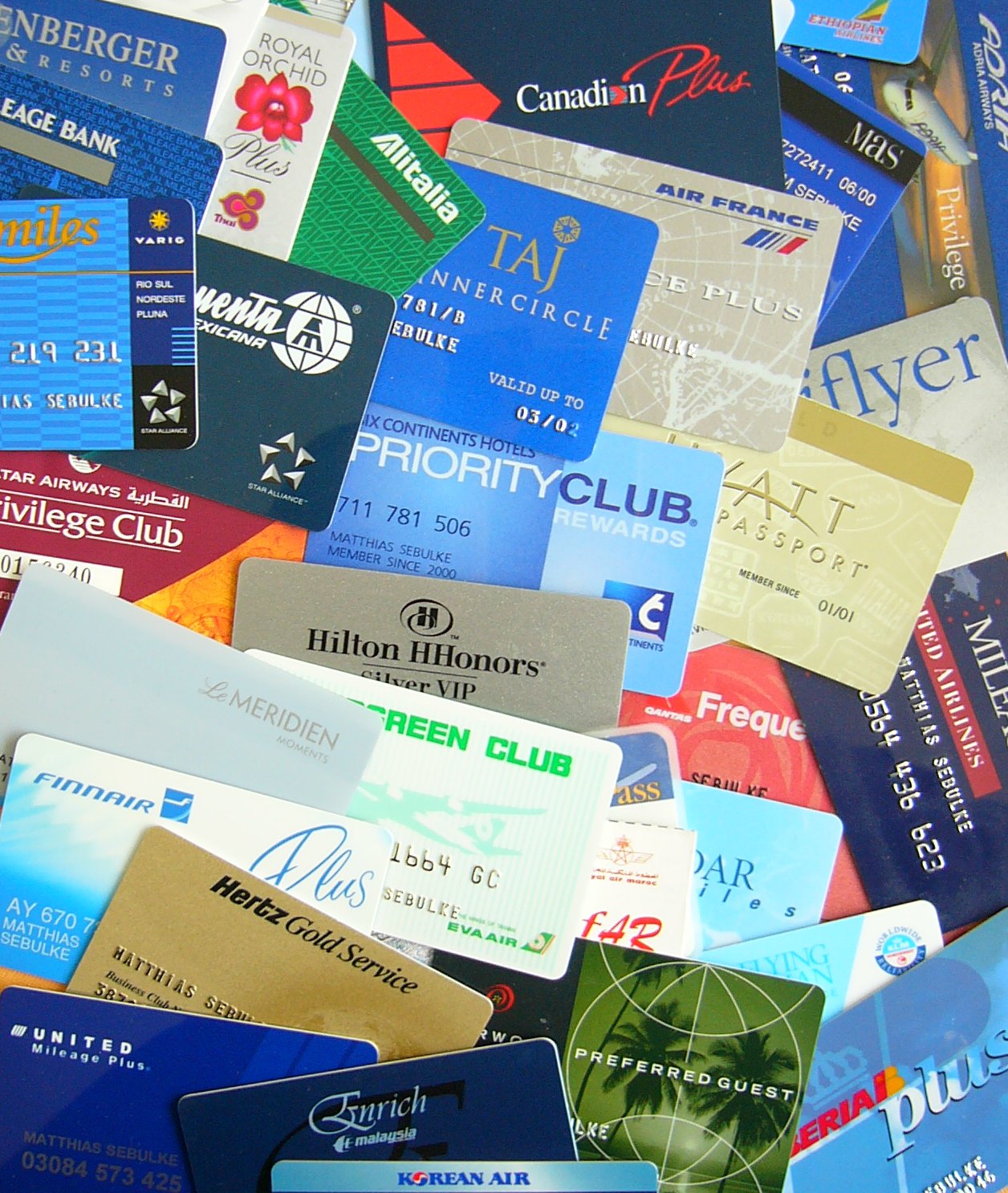
Overview of Major Rewards Programs
The credit‑card rewards ecosystem is anchored by several flagship programs: American Express Membership Rewards, Capital One miles, Chase Ultimate Rewards, Bilt Rewards, and Citi ThankYou Rewards. Each program translates spending into points, miles, or cash that can be redeemed for travel, merchandise, or statement credits [1,3].
Program Structures and Flexibility
Membership Rewards, Ultimate Rewards, and ThankYou Rewards are known for their transfer flexibility, allowing points to move to airline and hotel partners, while Bilt Rewards focuses on rent‑related earnings and Capital One miles offers a straightforward mileage model. The diversity of structures lets consumers align a program with personal spending habits and redemption goals [1,3].
Target Audiences
Travel‑focused users gravitate toward transferable point systems, whereas everyday spenders often prefer flat‑rate cash‑back options. The presence of both premium travel and simple cash‑back products ensures the market serves a broad spectrum of cardholders [1,3].
2026 Landscape: Fees, Categories, and Partnerships
The year 2026 was marked by several industry‑wide adjustments, including annual‑fee increases, rotating bonus categories, devaluations of transfer partners, and the launch of new cards. These changes reshaped how value is captured and required cardholders to reassess their portfolios [2].
Annual‑Fee Increases
Several issuers raised annual fees to offset rising program costs. Notably, the Chase Sapphire Reserve fee climbed from $550 to $595, reflecting a broader trend of premium cards adjusting pricing to sustain benefit levels [2].
Bonus Category Rotations
Rotating bonus categories continued to shift each quarter, prompting consumers to monitor which spending categories earned elevated rates. This dynamic encouraged strategic use of cards to maximize point accruals throughout the year [2].
Transfer Partner Devaluations
Key airline and hotel partners adjusted their redemption charts, effectively reducing the value of transferred points for some users. These devaluations forced travelers to calculate whether point transfers remained advantageous after the changes [2].
Chase Sapphire Reserve: Fee Rise and Its Implications
Chase Sapphire Reserve, a staple for premium travel enthusiasts, experienced an annual‑fee increase from $550 to $595 in 2026. The hike placed the card among the higher‑priced offerings but preserved its core travel credits and lounge access [2].
Value Assessment After the Fee Change
Despite the higher fee, the card’s $300 travel credit, Priority Pass membership, and 3X points on travel and dining continued to deliver strong value for heavy travelers. The fee increase prompted some users to compare alternative premium cards that maintained lower fees [2].
Market Reaction
The fee adjustment sparked discussion among reward‑focused communities, with many acknowledging the trade‑off between cost and benefit retention. Some users opted to retain the card for its robust travel perks, while others explored cards with steadier fee structures [2].
American Express Platinum: Benefit Restructuring
In 2026, the Amex Platinum underwent a benefit restructuring that made several credits harder to redeem. The changes particularly affected casual users who do not travel frequently, diminishing the card’s effective value for that segment [2].
Specific Credit Adjustments
Credits such as airline fee reimbursements and certain hotel benefits saw tighter eligibility criteria, limiting their utility for occasional travelers. The restructuring aimed to align benefits with high‑usage patterns but unintentionally reduced appeal for lighter users [2].
Impact on Cardholder Decisions
Casual cardholders began evaluating whether the remaining premium perks justified the $695 annual fee. Many shifted toward cards offering more straightforward cash‑back or travel credits without complex redemption rules [2].
Capital One Venture X: Steady Fees and Premium Value
Capital One Venture X held its annual fee steady at $395 throughout 2026 while preserving its suite of travel benefits, earning recognition as the best premium travel‑value card for the year [2].
Benefit Consistency
The card continued to provide a $300 travel credit, 10,000 bonus miles annually, and unlimited airport lounge access, all without a fee increase. This consistency appealed to travelers seeking premium perks without escalating costs [2].
Comparative Advantage
When measured against peers that raised fees, Venture X’s unchanged pricing positioned it as a cost‑effective alternative for high‑spending travelers, reinforcing its status as a top‑value premium offering in 2026 [2].
Flat‑Rate Cash‑Back Leaders: Citi Double Cash & Wells Fargo Active Cash
Two prominent cash‑back cards—Citi Double Cash and Wells Fargo Active Cash—offered a flat 2% cash back on all purchases with no annual fee in 2026, delivering simple, high‑value rewards for everyday spending [2].
Citi Double Cash Mechanics
Citi Double Cash earned 1% on purchases and an additional 1% on repayments, effectively providing a steady 2% return without a fee. This structure appealed to consumers prioritizing predictability over category bonuses [2].
Wells Fargo Active Cash Features
Wells Fargo Active Cash matched the 2% flat rate across all categories, also without an annual fee, positioning it as a direct competitor to Citi Double Cash for users seeking uncomplicated cash‑back earnings [2].
Strategic Use of Rotating Bonus Categories
Rotating bonus categories remained a core component of many reward cards in 2026, incentivizing cardholders to align spending with quarterly high‑earning categories such as travel, dining, or groceries. Mastery of these rotations could significantly boost point accumulation [2].
Optimization Techniques
Savvy users tracked category calendars, paired multiple cards to cover overlapping bonuses, and timed large purchases to coincide with peak‑earning periods, thereby extracting maximum value from rotating structures [2].
Limitations and Considerations
While lucrative, rotating categories required active management and could lead to suboptimal earnings if a user missed a high‑bonus window. The effort versus reward balance influenced whether consumers favored flat‑rate cash‑back cards instead [2].
Transfer Partner Devaluations: Effects on Point Value
In 2026, several airline and hotel partners reduced the redemption value of transferred points, a process known as devaluation. This shift lowered the effective worth of points moved from programs like Membership Rewards or Ultimate Rewards to travel partners [2].
Quantifying the Impact
Devaluations often meant that a point previously worth 1.5 cents could drop to 1.2 cents, eroding the return on transferred points. Cardholders needed to recalculate the break‑even point for transfers versus direct redemptions [2].
Strategic Responses
Some users accelerated point transfers before anticipated devaluations, while others shifted focus to cash‑back or in‑program redemptions that remained stable, illustrating adaptive behavior in response to partner changes [2].
Consumer Reception and Market Sentiment in 2026
Overall consumer sentiment in 2026 reflected a mix of approval for stable premium offerings and frustration over fee hikes and benefit reductions. Cards that maintained fees, like Capital One Venture X, were praised, whereas programs with tightened credits, such as Amex Platinum, faced criticism [2].
Positive Feedback for Stable Cards
Cardholders highlighted the value of unchanged fee structures and consistent benefits, noting that predictable costs facilitated budgeting and reward planning [2].
Criticism of Fee Increases and Benefit Cuts
The Chase Sapphire Reserve fee rise and Amex Platinum credit restrictions sparked debate about whether the added cost justified the retained perks, prompting some users to explore alternative cards with lower fees or simpler cash‑back models [2].
Guidelines for Selecting the Right Rewards Card
Choosing a rewards card in 2026 involves weighing fee levels, benefit structures, and personal spending patterns. Premium travelers may prioritize transferable point programs and lounge access, while everyday spenders might favor flat‑rate cash‑back cards with no fees [1,2,3].
Assessing Fee vs. Benefit
Calculate the net value of annual credits, travel allowances, and cash‑back against the card’s fee. For example, a $395 fee on Venture X can be offset by a $300 travel credit and lounge access, whereas a $595 fee on Chase Sapphire Reserve requires higher travel spend to break even [2].
Matching Earn Rates to Spending
Identify primary expense categories—travel, dining, groceries—and select a card that offers the highest earn rate for those categories, whether through rotating bonuses or flat‑rate cash back. This alignment maximizes point accumulation without unnecessary complexity [2].