
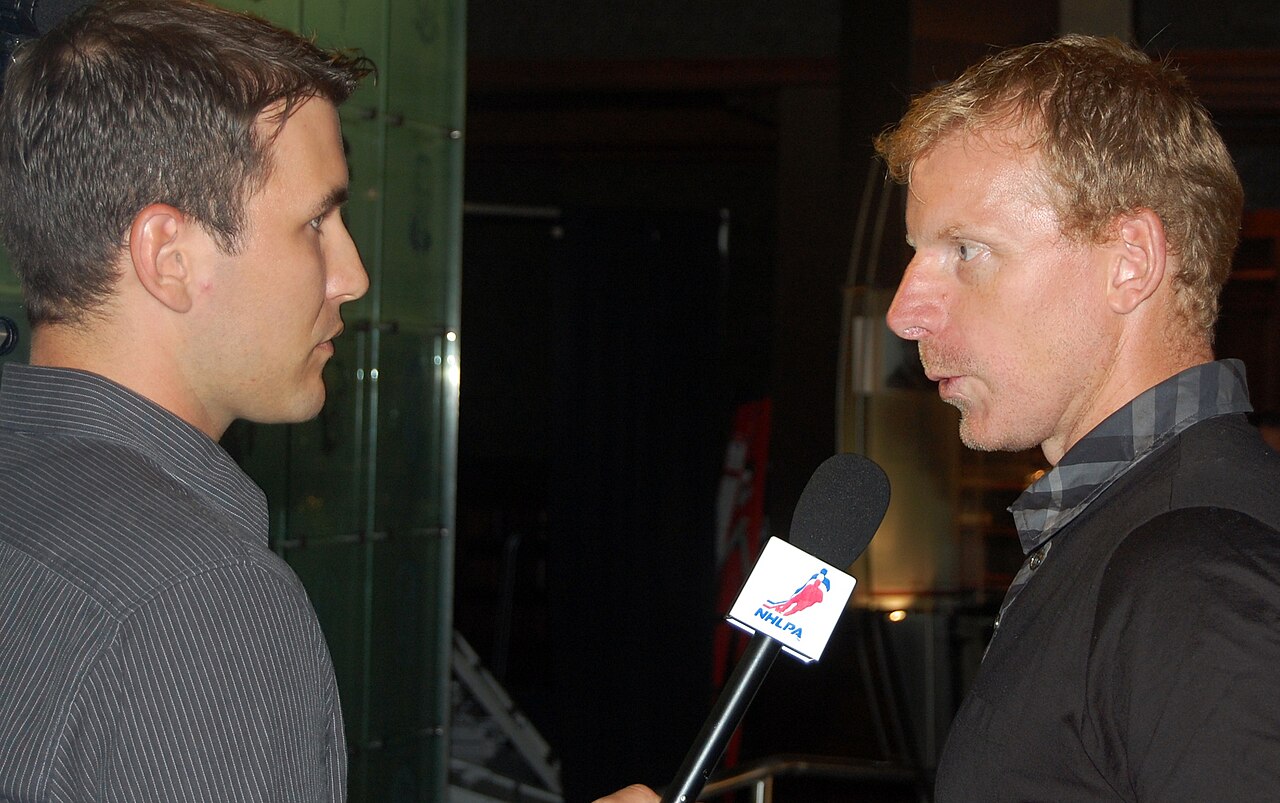
Overview and Core Mission
The National Hockey League Players' Association (NHLPA) functions as the exclusive collective bargaining representative for all NHL players, responsible for negotiating the terms and conditions of their employment [4]. This foundational role distinguishes the organization as the primary labor voice in professional hockey, distinct from team ownership and league management. The NHLPA's mandate extends beyond contract negotiation to encompass player welfare, career development, and community engagement initiatives that define modern professional hockey culture.
Historical Foundations and Evolution
Since its establishment, the NHLPA has evolved from a relatively modest player advocacy group into a sophisticated organizational structure capable of influencing league-wide policies. The association's development mirrors the broader growth of player empowerment movements across North American professional sports, reflecting changing dynamics between labor and management in high-revenue sports environments.
Relationship with NHL Ownership
The NHLPA operates as the designated negotiating body between the players and the NHL organization, creating a structured framework for labor relations that governs one of North America's premier professional sports leagues. This relationship necessitates ongoing dialogue and negotiation to address the diverse interests of hundreds of players across multiple franchises.
Collective Bargaining Agreement Framework
Central to the NHLPA's function is its role in negotiating the Collective Bargaining Agreement (CBA) between the NHLPA and the NHL [4]. This comprehensive contract serves as the governing document for player rights, salary structures, benefits, and working conditions across the league. The CBA negotiation process represents a complex balancing act between player interests and league financial considerations, requiring meticulous attention to detail and strategic representation.
CBA Negotiation Process
The CBA negotiation cycle typically occurs at predetermined intervals, with both parties presenting proposals and counterproposals that address revenue sharing, salary caps, free agency rules, and other critical economic provisions. These negotiations often involve intense deliberation and can significantly impact the league's operational landscape for several years following agreement.
Economic Provisions and Player Rights
Within the CBA framework, the NHLPA advocates for provisions that protect player interests while maintaining league competitiveness. These include mechanisms for grievance resolution, contract enforcement, and ensuring fair treatment across the player roster. The association's negotiating team must balance immediate player concerns with long-term league sustainability.
Player Assistance and Support Programs
The NHLPA Player Assistance Program demonstrates the organization's commitment to player well-being beyond the ice rink, having cleared Adam Jecho to return to NHL competition [4]. This program provides confidential support services addressing various personal and professional challenges that players may encounter during their careers. The program's role in facilitating Jecho's return highlights its effectiveness in navigating complex eligibility and recovery protocols.
Confidential Support Services
Player Assistance Program services encompass confidential counseling, referral resources, and support mechanisms designed to address issues ranging from mental health to substance abuse recovery. The program's staff includes qualified professionals who understand the unique pressures faced by professional athletes, creating a safe environment for players seeking assistance.
Eligibility and Return Protocols
The clearance process for players like Jecho involves comprehensive evaluation protocols that assess physical and mental fitness for NHL competition. These protocols ensure that returning players meet the league's standards while receiving appropriate support during their transition back to active competition.
Strategic Partnerships and Brand Development
The NHLPA has established a multi-year partnership renewal with RCX Sports and NHL to grow the NHL STREET brand [4]. This strategic alliance represents the organization's commitment to expanding hockey's reach beyond traditional formats, introducing the sport to new audiences through accessible, street-style gameplay experiences. The partnership leverages the NHLPA's player network to promote grassroots hockey development.
NHL STREET Brand Expansion
The NHL STREET initiative transforms hockey into a non-contact, accessible format that can be played in diverse environments, from urban centers to suburban parks. This adaptation of the sport removes traditional barriers to entry, such as ice requirements and expensive equipment, making hockey more inclusive for youth participants across demographic groups.
Youth Development and Accessibility
Through the NHL STREET partnership, the NHLPA supports youth hockey development programs that emphasize fun, skill development, and physical activity. The initiative's focus on accessibility aligns with broader efforts to grow hockey participation rates in regions and communities where traditional ice hockey infrastructure may be limited.
Community Engagement and Charitable Initiatives
The NHLPA runs a Goals & Dreams program that donated $85,000 in equipment to five hockey clubs in Finland [4]. This international charitable effort demonstrates the organization's global reach and commitment to supporting hockey development at the grassroots level across different continents. The Finland equipment donation represents just one example of the NHLPA's extensive community investment portfolio.
Goals & Dreams Program Impact
The Goals & Dreams program focuses on providing hockey equipment and resources to underserved communities, enabling youth participation regardless of economic barriers. Since its inception, the program has distributed millions of dollars in equipment worldwide, with the Finland donation representing a significant contribution to that ongoing legacy.
Hockey Fights Cancer and NHL Unites
The NHLPA organizes community programs including Hockey Fights Cancer and NHL Unites [4], leveraging the platform of professional hockey to raise awareness and funds for important social causes. These initiatives unite players, fans, and communities around shared values of health, solidarity, and community support, demonstrating the sport's potential for positive social impact beyond entertainment.
Leadership and Organizational Structure
The NHLPA is led by a executive board comprising player representatives from across the league, ensuring that diverse perspectives and interests are represented in decision-making processes. This democratic structure allows players at all levels to have input into the association's direction and priorities, creating a sense of ownership and investment in the organization's success.
Player Representation Model
Each NHL franchise has player representatives who serve as the connection between the NHLPA leadership and their teammates, facilitating communication and ensuring that individual club concerns are addressed at the association level. This representative model creates a comprehensive communication network spanning the entire league.
Negotiating Team Composition
The NHLPA employs dedicated staff and negotiators who specialize in labor relations, contract law, and sports industry dynamics. This professional staff complement ensures that the association's positions are informed by expertise and experience, enhancing the quality of representation during CBA negotiations and other contractual matters.
Economic Impact and League Relations
As the exclusive collective bargaining representative, the NHLPA's negotiations directly influence the league's economic landscape, affecting salary structures, revenue distribution, and the financial viability of franchises across the NHL. The CBA framework established through these negotiations determines how hockey-related revenue is shared between players and ownership, creating the financial foundation upon which the league operates.
Salary Cap and Revenue Sharing
The CBA negotiations typically address complex salary cap structures and revenue sharing mechanisms that balance competitive fairness with league economic health. These provisions ensure that smaller market franchises can remain competitive while larger markets operate within frameworks that promote overall league stability.
Work Stoppage Prevention
Effective NHLPA negotiation and relationship management has historically contributed to preventing work stoppages that could disrupt the league schedule and impact players' careers. The association's ability to find common ground with ownership on key economic issues has been instrumental in maintaining league continuity and protecting the interests of the playing membership.
Global Reach and International Presence
The NHLPA's influence extends beyond North America, with initiatives like the Goals & Dreams program supporting hockey development in international markets such as Finland [4]. This global presence reflects the organization's recognition of hockey's growing worldwide popularity and its responsibility to support the sport's development at all levels, from professional leagues to grassroots programs.
International Player Development
Through various partnerships and programs, the NHLPA supports initiatives that promote hockey development in non-traditional markets, helping to grow the sport's global footprint. These international efforts often involve collaboration with local hockey federations, schools, and community organizations to establish sustainable hockey ecosystems.
Cultural Exchange and Diversity
The NHLPA's international initiatives promote cultural exchange and diversity within the hockey community, bringing together players, fans, and participants from different backgrounds and traditions. This diversity enriches the sport's culture and helps identify and develop talent from increasingly varied sources.